Are you tired of cluttered spaces and looking for a way to organize your books without spending a fortune? Building a bookshelf might sound tricky, but it doesn’t have to be.
You can create a beautiful, sturdy bookshelf with just a few simple tools and easy steps. Imagine having a custom shelf that fits perfectly in your room, holds all your favorite reads, and adds a touch of style to your space.
In this guide, you’ll discover exactly how to build a bookshelf simple and stress-free. Ready to transform your room and showcase your books like never before? Let’s get started!
.JPG)
Credit: www.adventuresofadiymom.com
Choosing The Right Materials
Choosing the right materials makes building a bookshelf simple and successful. The materials affect the strength, look, and cost of your project. Picking good wood, the right tools, and proper hardware helps you build a sturdy shelf that lasts. This section covers the main points to consider before starting.
Types Of Wood
Wood choice depends on budget and style. Pine is soft, easy to cut, and affordable. Oak offers strength and a classic look but costs more. Plywood is stable and resists warping. MDF is smooth and good for painting but less strong. Choose wood that fits your skill and shelf purpose.
Tools You’ll Need
Basic tools make building easier. A saw cuts wood to size. A drill helps make holes and drive screws. Sandpaper smooths rough edges. A measuring tape ensures accuracy. Clamps hold pieces steady while joining. Prepare tools before starting for faster work.
Selecting Hardware
Hardware holds your shelf together. Screws are strong and easy to use. Nails work but hold less firmly. Brackets add extra support for heavy loads. Wood glue strengthens joints and prevents wobbling. Pick hardware that fits your wood type and shelf weight.
Credit: www.familyhandyman.com
Planning Your Bookshelf Design
Planning your bookshelf design is the first step to a successful build. It helps you avoid mistakes and saves time. Thoughtful planning ensures the bookshelf fits perfectly and looks great.
Start by understanding the space where the bookshelf will go. Next, decide the size and shape of the shelves. Finally, sketch your ideas to visualize the design clearly.
Measuring Space
Measure the height, width, and depth of the space. Use a tape measure for accuracy. Check for obstacles like vents or light switches. Write down all measurements carefully. This step ensures the bookshelf will fit well.
Deciding Shelf Dimensions
Choose shelf height based on the items you want to store. Allow extra space for tall books or decorations. Decide how deep each shelf should be. Standard depth is usually 10 to 12 inches. Keep the width balanced for stability and style.
Sketching Your Layout
Draw a simple picture of your bookshelf. Include all shelves and their sizes. Mark the total height and width. Use graph paper or a digital tool for better accuracy. This sketch guides you during the building process.
Preparing The Wood Pieces
Preparing the wood pieces is an important step in building a simple bookshelf. It helps ensure the final product is strong and looks good. Taking time to prepare the wood properly makes assembling easier.
Good preparation also prevents problems later. The wood must be cut, smoothed, and ready for joining. Each step shapes the wood into perfect parts for your shelf.
Cutting To Size
Start by measuring the wood carefully. Use a tape measure and mark the lengths needed for shelves and sides. Cut the wood with a saw following your marks. Make straight cuts for better fitting pieces. Accurate cuts create a stable bookshelf.
Sanding For Smoothness
After cutting, sand all wood surfaces. Sanding removes rough edges and splinters. Use medium-grit sandpaper first, then fine-grit for a smooth finish. Smooth wood looks neat and feels safe to touch. It also helps paint or stain stick better.
Pre-drilling Holes
Pre-drill holes where screws will go. This step stops the wood from splitting. Use a drill bit smaller than the screws. Mark hole spots before drilling to keep parts aligned. Pre-drilling makes assembly faster and stronger.
Assembling The Frame
Assembling the frame is the key step in building a simple bookshelf. This part holds the entire structure together. A strong frame supports the shelves and the books. Taking time to assemble it right saves effort later.
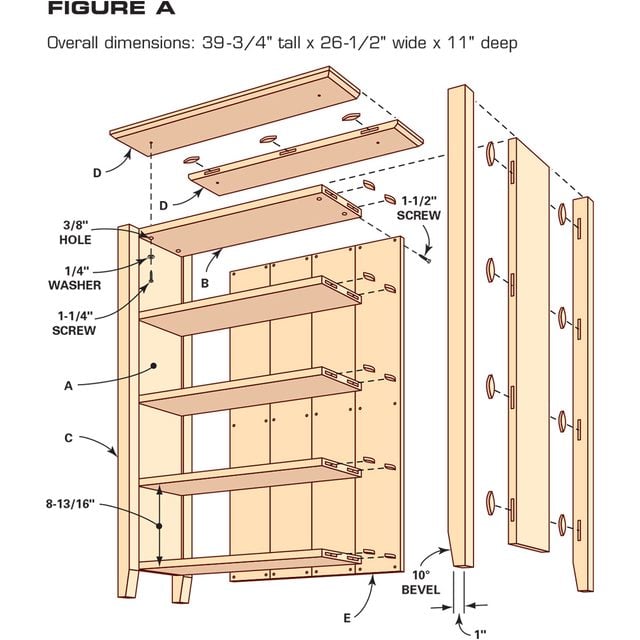
Joining Sides And Shelves
Start by placing the two side panels upright. Position the shelves between these sides at your chosen heights. Hold each shelf firmly against the side panels. Use clamps or a helping hand to keep pieces steady. Check that all edges align evenly before moving on.
Securing With Screws
Use screws to fasten the shelves to the sides. Pre-drill holes to prevent wood from splitting. Insert screws carefully, making sure they go straight. Tighten screws just enough to hold parts firmly. Avoid over-tightening to keep the wood safe.
Checking For Stability
Once all screws are in place, test the frame’s strength. Gently shake the frame to see if it wobbles. Press lightly on each shelf to check for movement. If the frame feels loose, add screws or tighten existing ones. A stable frame means a safe bookshelf.
Finishing Touches
Finishing touches make your bookshelf look complete and last longer. These final steps protect the wood and give the shelf a polished look. Simple actions here can raise your project from good to great.
Applying Paint Or Stain
Choose paint or stain based on the style you want. Paint covers the wood fully and adds color. Stain shows the wood grain and deepens its tone. Use a brush or cloth to apply evenly. Let each coat dry before adding another. Two coats usually give the best finish.
Adding Protective Coating
Protective coating stops damage from water and scratches. Clear varnish or polyurethane works well. Apply thin, even layers for smooth coverage. Allow drying time between coats. This layer keeps your bookshelf strong and easy to clean.
Installing Backing
Backing adds support and keeps books from falling behind. Use thin plywood or hardboard cut to size. Attach it with nails or screws carefully. Backing also improves the shelf’s look by covering wall gaps. It makes your project feel finished and sturdy.
Tips For Maintenance And Styling
Keeping your bookshelf neat and stylish makes your space inviting and fresh. Simple steps help maintain its look and function for years. Small touches can turn a plain shelf into a focal point in your room.
Cleaning And Care
Dust your bookshelf often to keep it looking new. Use a soft cloth or duster for gentle cleaning. Avoid harsh chemicals that can damage the wood or paint. Wipe spills immediately to prevent stains. Check screws and joints regularly for tightness. This stops wobbling and keeps the shelf sturdy.
Organizing Books Creatively
Group books by color or size for a neat display. Mix vertical and horizontal stacks to add variety. Use bookends to keep books upright and tidy. Place frequently read books within easy reach. Leave some empty space to avoid a crowded look. This makes your shelf both useful and attractive.
Adding Decorative Elements
Include small plants for a touch of green and life. Add framed photos or artwork to personalize your shelf. Use decorative boxes or baskets to hide clutter. Choose items that match your room’s style and color. Change decorations seasonally to refresh the look. These details create a warm, inviting atmosphere.
Credit: www.5minutesformom.com
Frequently Asked Questions
How Do I Start Building A Simple Bookshelf?
Begin by selecting quality wood and measuring your space. Cut wood to size, then assemble with screws and wood glue for stability.
What Tools Are Needed To Build A Basic Bookshelf?
You need a saw, drill, screwdriver, measuring tape, level, and clamps. These tools ensure precise cuts and secure assembly.
How Can I Make My Bookshelf Sturdy?
Use strong wood and reinforce shelves with brackets. Secure joints tightly with screws and wood glue to prevent wobbling.
What Is The Easiest Bookshelf Design For Beginners?
A basic rectangular bookshelf with fixed shelves is easiest. It requires simple cuts and straightforward assembly, perfect for new builders.
Conclusion
Building a simple bookshelf is easier than you think. With basic tools and clear steps, anyone can do it. This project saves money and adds a personal touch to your space. Plus, it gives you a sense of pride and accomplishment.
Start with a plan, take your time, and enjoy the process. Soon, your new bookshelf will hold books and memories alike. Ready to build? Give it a try today.