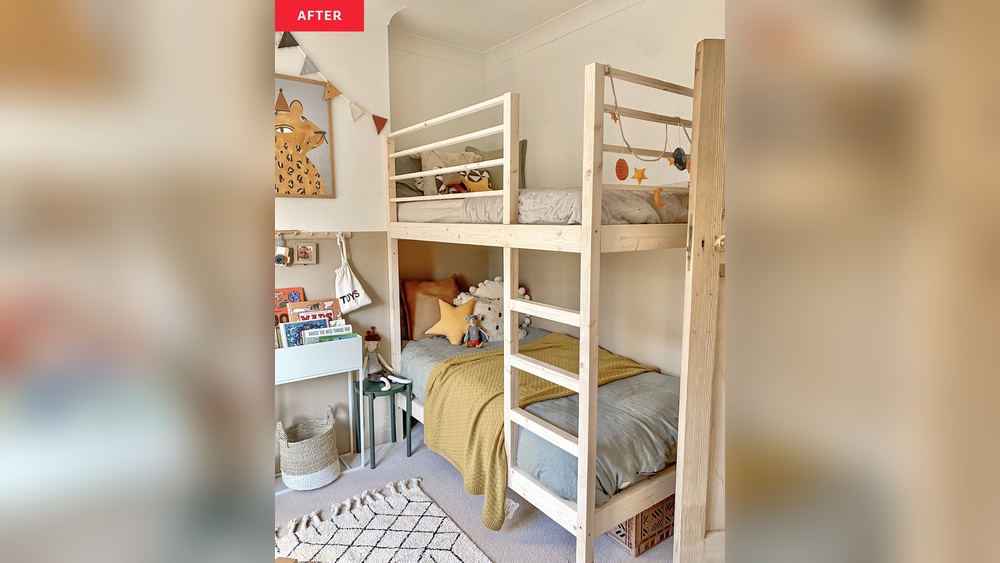
Are you ready to transform your space with a bunk bed that’s not just practical but also safe and stylish? Building a bunk bed with stairs can seem tricky, but with the right steps, you can create a sturdy, comfortable setup that your kids will love.
Imagine having a bed that saves space, adds a fun climbing element, and keeps safety a top priority—all in one. In this guide, you’ll discover simple, clear instructions to build a bunk bed with stairs, even if you’re new to woodworking.
Let’s get started and turn your bedroom into a smart, cozy haven!

Credit: www.youtube.com
Planning Your Bunk Bed
Planning your bunk bed is the first step to a safe and sturdy build. Thoughtful planning saves time and avoids mistakes. It helps create a design that fits your space and needs. Careful preparation ensures the stairs are secure and easy to use. Focus on materials, measurements, and stair design to start strong.
Choosing The Right Materials
Select wood that is strong and durable, such as pine or oak. Avoid soft woods that may crack or break easily. Use screws and bolts made of metal for strong joints. Sand all surfaces smooth to prevent splinters. Choose non-toxic paint or finish to keep it safe for children.
Measuring The Space
Measure the room carefully before buying materials. Check the height, width, and length available for the bed. Leave enough space for the stairs and clearance around the bed. Confirm the ceiling height allows for the top bunk and a child sitting up. Accurate measurements help avoid fitting problems later.
Designing The Stairs
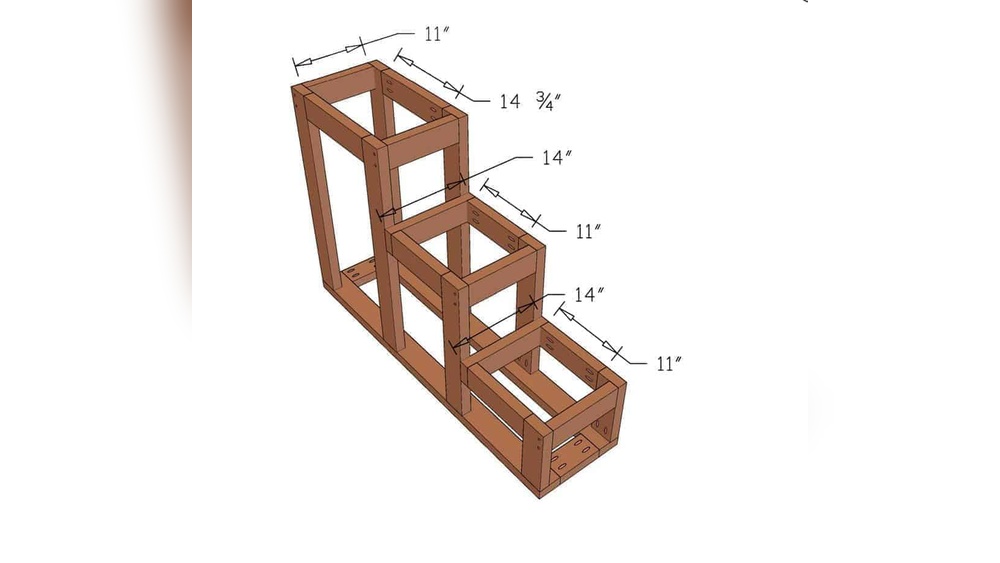
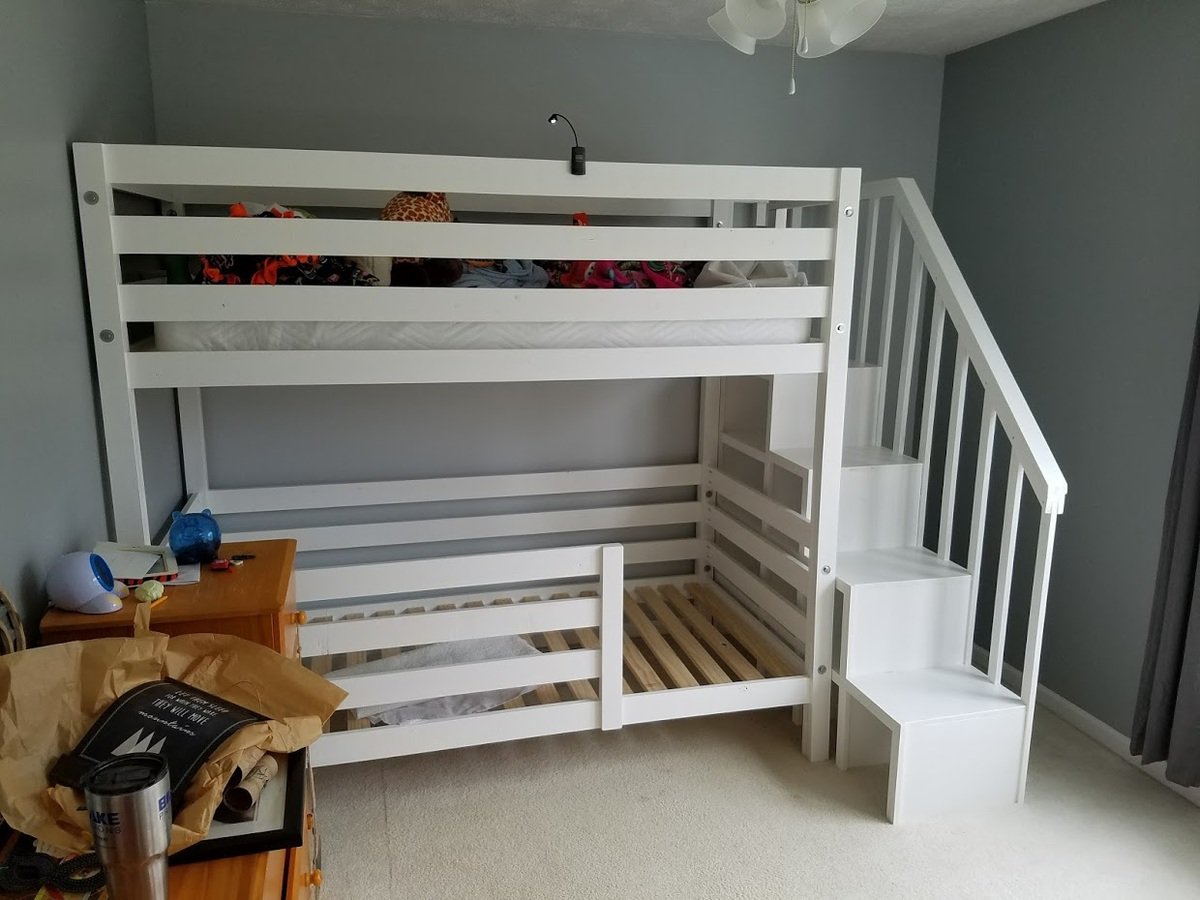
Plan stairs that are wide and stable for safety. Add handrails to make climbing easier for kids. Use open steps or include storage in stair drawers for extra function. Ensure each step height is comfortable and consistent. Design the stairs to fit the bed’s height and room size perfectly.
Gathering Tools And Supplies
Before starting to build a bunk bed with stairs, gathering the right tools and supplies is crucial. This step sets the foundation for smooth construction and a sturdy final product. Having everything ready helps avoid interruptions and ensures safety. Focus on quality materials and proper equipment for the best results.
Essential Tools List
Prepare a set of basic tools to make the build easier. You will need a power drill, screwdriver, measuring tape, and a saw. Sandpaper or a power sander smooths the wood edges. A level keeps the structure straight. Clamps hold pieces together while assembling. A pencil helps mark measurements accurately.
Selecting Quality Wood
Choose strong, durable wood for safety and longevity. Pine, oak, or plywood are good choices. Avoid wood with cracks or knots. Smooth wood reduces the risk of splinters. Make sure the wood planks are straight and even. Proper wood helps the bunk bed hold weight safely.
Safety Gear
Wear safety gear to protect yourself during construction. Safety glasses shield your eyes from dust and debris. Gloves protect your hands from splinters and sharp tools. Use ear protection if using loud power tools. A dust mask helps avoid breathing sawdust. Proper gear keeps you safe and focused.
Cutting And Preparing Wood
Cutting and preparing wood is a key step in building a bunk bed with stairs. Careful preparation ensures all parts fit together well. This process involves marking the wood, cutting it to size, and smoothing the edges. Each task requires focus and precision. Proper preparation helps create a sturdy and safe bunk bed.
Marking Measurements
Start by measuring the wood pieces accurately. Use a tape measure and a pencil. Mark the exact lengths needed for the bed frame and stairs. Double-check all measurements before cutting. Clear, straight lines help guide your cuts. Mark each piece carefully to avoid mistakes.
Cutting Techniques
Use a saw suitable for your wood type and thickness. A circular saw or handsaw works well. Cut slowly along the marked lines. Keep the saw steady to make straight cuts. Wear safety gear like goggles and gloves. Take your time to avoid splintering or uneven edges.
Sanding And Finishing
Sand all cut edges to remove splinters. Use medium-grit sandpaper for the first pass. Follow with fine-grit sandpaper for a smooth finish. Sand the surfaces where the wood will be touched often. This step improves safety and gives the wood a nice look. Clean off dust before assembling the bed.
Credit: www.ana-white.com
Building The Bunk Bed Frame
Building the bunk bed frame is the first important step in your project. A strong frame keeps the bed safe and stable. It supports the mattress and the weight of the sleepers. Careful work here makes the rest of the build easier and better. Follow simple steps for a solid frame.
Constructing The Base
Start by cutting the wood for the base. Use sturdy beams for strength. Arrange the beams to form a rectangle. Join the corners tightly with screws or bolts. Check the base is level and square. This base will hold the whole bed.
Assembling Side Rails
Next, attach the side rails to the base. Side rails keep the mattress in place. Use strong wood planks for the rails. Fix them securely with screws. Make sure the rails are straight and even. Proper rails prevent mattress sliding or falling.
Adding Support Slats
Lay the support slats across the base frame. Space the slats evenly for good mattress support. Use slats that are thick and solid. Screw each slat firmly to the side rails. Strong slats stop the mattress from sagging. This step improves comfort and safety.
Creating The Staircase
Creating the staircase for your bunk bed is an important step. It needs to be safe, sturdy, and easy to use. The staircase supports weight and allows easy access to the top bunk. Follow these simple steps to build a strong staircase.
Building Stair Frames
Start by measuring the height of the bunk bed. Cut wooden boards to fit this height and width. Use strong wood like pine or oak for durability. Assemble the frames by joining the boards with screws. Make sure the frames are square and level. This creates the base for the steps and holds the staircase together.
Attaching Steps
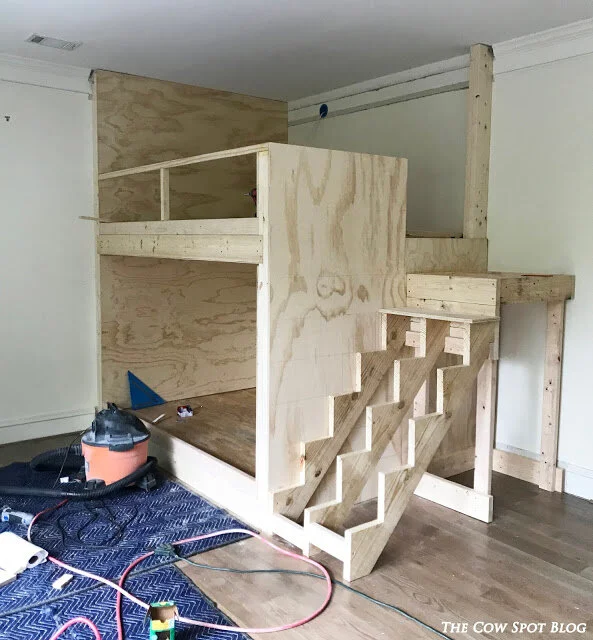
Cut the steps to the same width as the frames. Sand the edges to avoid splinters. Attach each step evenly along the frame using wood screws. Space the steps so they are comfortable to climb. Double-check the steps for stability. Secure each step tightly to prevent wobbling.
Installing Safety Rails
Safety rails protect from falling off the staircase. Cut rails to fit the length of the staircase. Attach the rails on one or both sides, depending on your design. Use screws and brackets for strong support. Sand the rails to make them smooth. Safety rails add security and peace of mind.
Assembling The Bed And Stairs
Assembling the bed and stairs is a crucial step in building a bunk bed. This part brings the structure together and ensures it is safe to use. Take your time to follow each step carefully. Proper assembly makes the bunk bed sturdy and reliable for years.
Joining Frame And Stairs
Start by positioning the bed frame and the stairs close to each other. Align the stair unit with the side of the bed frame. Use the pre-drilled holes to guide your screws or bolts. This alignment helps the stairs fit tightly against the bed. Make sure the stairs are flush with the frame for safety.
Securing Connections
Use strong screws or bolts to secure the stairs to the frame. Tighten each screw firmly but avoid over-tightening. Over-tightening can crack the wood or strip the screws. Double-check every joint to ensure it holds well. Use a drill or screwdriver for better control and strength.
Checking Stability
After securing the stairs and frame, test the stability. Gently shake the bed and stairs to check for any wobble. Walk up and down the stairs slowly to feel if it is firm. Tighten any loose screws found during the test. A stable bunk bed is safe and comfortable for children.
Finishing Touches
Finishing touches make your bunk bed with stairs look complete and safe. These steps improve the bed’s appearance and protect it. Spend time on details to create a strong and attractive piece of furniture. A well-finished bed invites comfort and use.
Painting Or Staining
Choose paint or stain to protect the wood and add color. Light colors make the room feel bigger and brighter. Dark stains show the wood grain and add warmth. Use non-toxic paint or stain to keep the bed safe for kids. Apply two or three coats for a smooth finish. Let each coat dry fully before adding the next.
Adding Non-slip Treads
Non-slip treads on the stairs prevent slips and falls. Use adhesive strips or rubber pads on each step. Make sure treads cover the whole step surface for safety. These small additions help children climb safely, day and night. They also reduce noise from footsteps.
Final Safety Checks
Check all screws and bolts are tight and secure. Sand any rough edges or splinters to avoid injuries. Test the stairs and bed for stability by gently shaking them. Make sure the guardrails are strong and at the right height. Confirm the mattress fits well without gaps. Safety is the top priority for every bunk bed.
Credit: event.rmutt.ac.th
Maintenance Tips
Maintaining your bunk bed with stairs is important for safety and durability. Small checks can prevent big problems. Simple care keeps the bed sturdy and looking good.
Regular Inspections
Look over the bed every few weeks. Check the stairs, rails, and frame for any signs of damage. Watch for cracks, splinters, or warping in the wood. Make sure the stairs are firmly attached. Catching problems early helps avoid accidents.
Tightening Loose Screws
Loose screws can make the bed unsafe. Use a screwdriver to tighten all screws and bolts regularly. Focus on the joints connecting the stairs and the bed frame. Tight screws keep the structure strong. Do this often, especially after moving the bed.
Cleaning Advice
Dust and dirt can wear down the wood finish. Clean the bed with a soft cloth and mild soap. Avoid soaking the wood with water. Dry it well after cleaning. Keep the stairs free of dust to prevent slips. Clean regularly to keep the bed fresh and safe.
Frequently Asked Questions
What Materials Are Needed To Build A Bunk Bed With Stairs?
You need wood planks, screws, nails, a saw, drill, measuring tape, sandpaper, and wood glue. Safety gear and paint or finish are also essential for durability and aesthetics.
How Do You Ensure The Stairs Are Safe And Sturdy?
Use solid wood for steps and support. Secure each stair firmly with screws. Add non-slip treads and ensure proper weight support for safety.
What Is The Best Design For Bunk Bed Stairs?
A straight or L-shaped stair design works well. Include wide steps and a handrail for safety. Choose a design that fits your room space.
How Long Does It Take To Build A Bunk Bed With Stairs?
It typically takes 1-3 days depending on skill level and complexity. Allow extra time for drying finishes and safety checks.
Conclusion
Building a bunk bed with stairs can save space and add safety. Follow each step carefully and measure twice before cutting. Use good materials to make the bed strong and steady. Take your time and work with care for best results.
The finished bunk bed will be both useful and fun. Enjoy your new furniture made with your own hands. This project brings comfort and style to any room. Keep safety in mind while building and using the bed. You can create a special place for kids to sleep and play.