Are you looking to add a stylish touch to your living space while keeping your books organized? Building a contemporary bookshelf is a great way to do just that.
Imagine having a sleek, modern piece that not only holds your favorite reads but also becomes a centerpiece in your room. In this guide, you’ll discover simple steps to create a bookshelf that fits your style and space perfectly. Whether you’re a beginner or have some DIY experience, this article will help you build something both practical and eye-catching.
Ready to transform your room and impress your guests? Let’s get started!
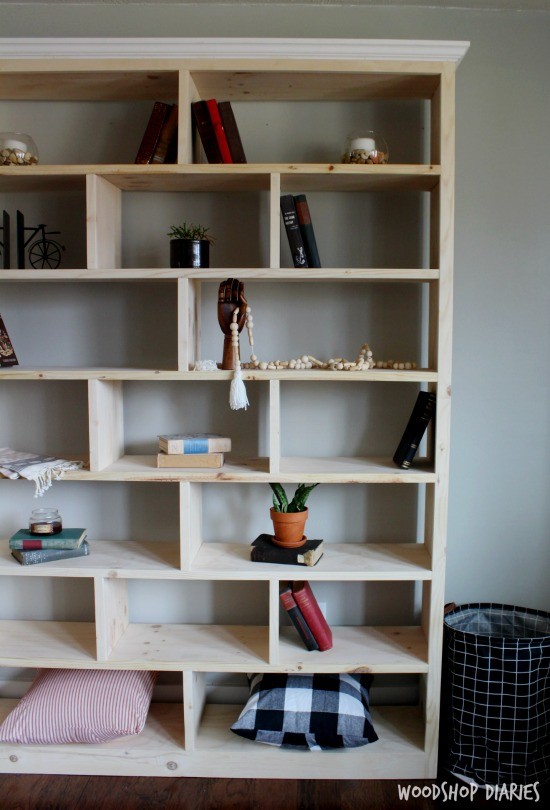
Credit: www.woodshopdiaries.com
Choosing Materials
Designing your bookshelf is the first step to a successful project. It helps you see how the bookshelf will fit and look in your space. Careful design saves time and materials.
Think about the style you want. A contemporary bookshelf often has clean lines and simple shapes. Focus on function and form to create a balanced piece.
Measuring Space
Start by measuring the area for your bookshelf. Use a tape measure to get the width, height, and depth. Write down these numbers clearly. Check for any obstacles like vents or power outlets. Make sure there is enough room to move around.
Planning Dimensions
Use your measurements to decide the bookshelf size. Decide the height based on your ceiling and what you want to store. Choose shelf depth to fit your books and decorations. Keep shelf spacing flexible for different sized items.
Sketching The Layout
Draw your bookshelf on paper or use a computer program. Sketch the shelves and supports. Mark the dimensions and spacing. This helps you visualize the final product. Adjust the design until it looks balanced and practical.
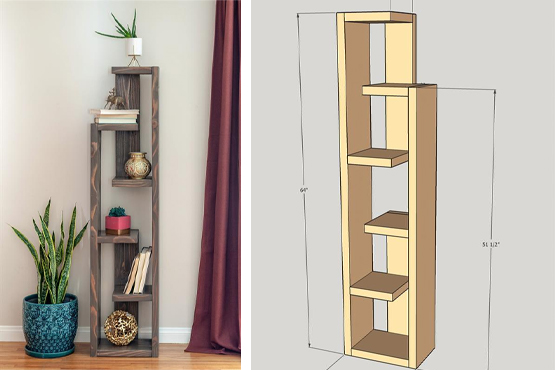
Credit: learn.kregtool.com
Designing Your Bookshelf
Cutting and preparing wood is a key step in building a contemporary bookshelf. Accurate cutting ensures all pieces fit well. Proper preparation helps the wood last longer and look better. Taking time here saves effort later. Safety is also very important when working with tools.
Marking Measurements
Start by measuring the wood carefully. Use a tape measure and a pencil. Mark the exact spots where you will cut. Double-check each measurement before marking. Straight lines help guide your cuts. Clear marks prevent mistakes and waste.
Safe Cutting Techniques
Wear safety glasses and gloves before cutting. Use the right saw for the wood type. Keep your hands away from the blade. Cut slowly and steadily for clean edges. Secure the wood on a stable surface. Follow the saw’s instructions to avoid accidents.
Sanding And Smoothing
After cutting, sand all edges and surfaces. Use medium-grit sandpaper first, then fine-grit. Sand until the wood feels smooth to touch. Remove dust with a clean cloth. Smooth wood helps paint or stain stick better. It also prevents splinters while handling.
Cutting And Preparing Wood
Building a contemporary bookshelf starts with a strong frame. The frame holds the entire structure together. It sets the shape and size. A well-assembled frame means a sturdy and lasting bookshelf. Focus on accuracy and careful joining. Take your time to make each joint strong and neat.
Joining Techniques
There are several ways to join wood pieces. Common methods include butt joints, dowel joints, and biscuit joints. Butt joints are simple but need reinforcement. Dowels add extra strength and keep parts aligned. Biscuit joints offer a clean look and strong hold. Choose a technique that fits your skill and tools. Proper joining ensures the frame will not wobble.
Using Screws And Nails
Screws offer a tight and lasting hold. Pre-drill holes to avoid wood splitting. Nails are faster to use but less strong. Use finishing nails for a clean appearance. Combine screws and nails for better support. Always countersink screws for a smooth surface. This step improves both strength and looks.
Ensuring Stability
Check each corner for square and tight fit. Use clamps to hold parts while fastening. Add corner braces or metal brackets if needed. Test the frame by gently shaking it. No movement means good stability. A solid frame keeps the bookshelf safe and durable.
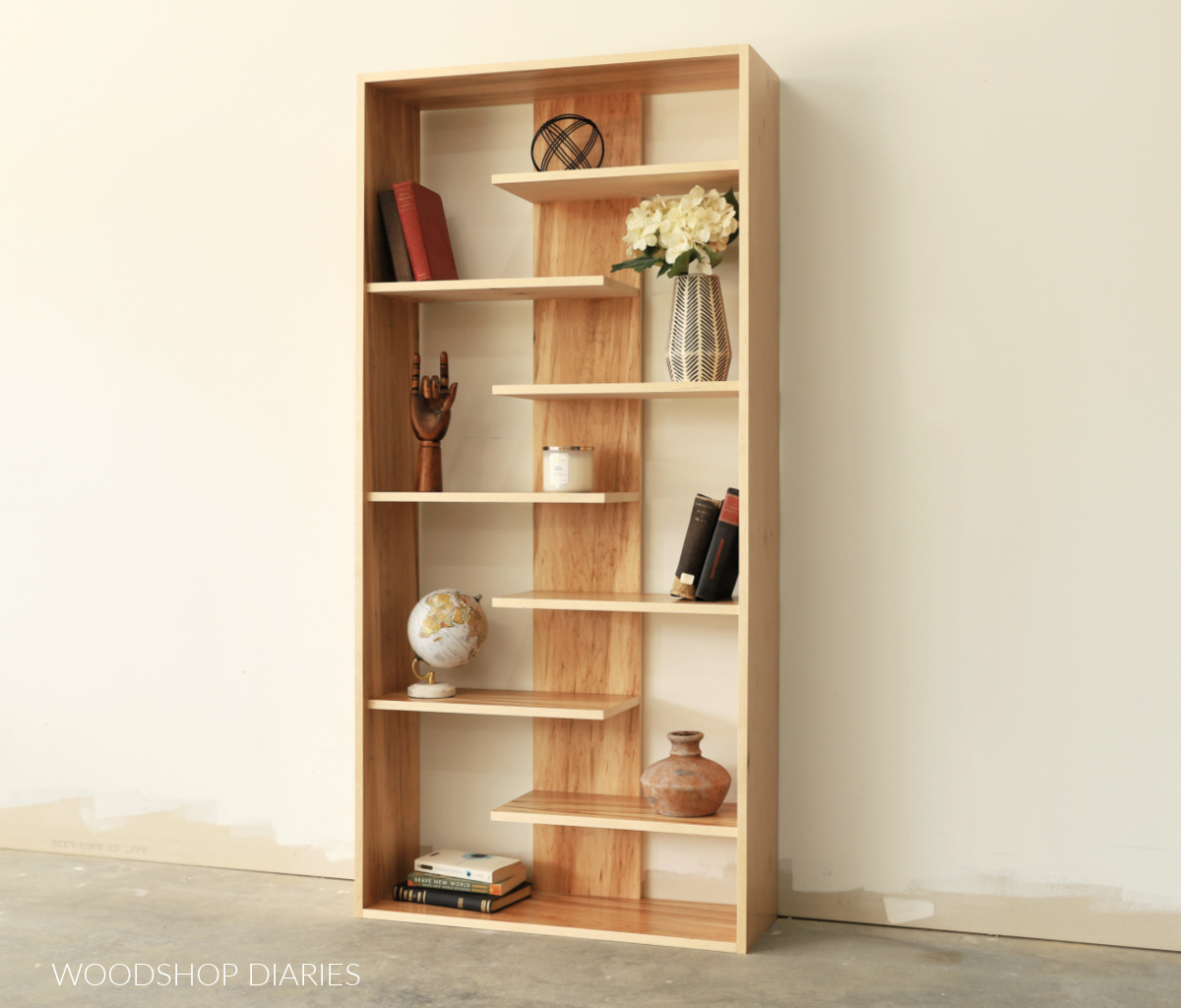
Credit: www.woodshopdiaries.com
Assembling The Frame
Adding shelves to your contemporary bookshelf shapes its look and function. Shelves hold your books and other items, so placing them right matters. This step ensures your bookshelf fits your space and style perfectly. Let’s explore key points to consider when adding shelves.
Spacing For Books
Space shelves to fit your book sizes comfortably. Measure your tallest books first. Leave a little extra room above each shelf for easy access. Standard spacing ranges from 10 to 12 inches. Adjust spacing based on what you plan to store. This makes your bookshelf practical and neat.
Securing Shelves
Secure shelves firmly to keep them stable and safe. Use strong brackets or shelf pins for support. Attach brackets to studs in the wall when possible. For freestanding bookshelves, ensure shelves fit tightly into slots. Proper securing prevents sagging and accidents.
Adjustable Vs Fixed Shelves
Choose between adjustable and fixed shelves based on your needs. Adjustable shelves let you change heights easily. Fixed shelves offer more strength and stability. Adjustable shelves suit varied collections. Fixed shelves work best for heavy or uniform items.
Frequently Asked Questions
What Materials Are Best For A Contemporary Bookshelf?
Wood, metal, and glass are ideal for contemporary bookshelves. They offer durability and a sleek, modern look. Choose materials that match your room’s style and budget. Combining these materials can create a unique, stylish design that enhances your space.
How Do I Design A Minimalist Bookshelf?
Focus on clean lines and simple shapes. Use neutral colors and avoid excessive decoration. Prioritize functionality with open shelves and hidden storage. Minimalist design emphasizes space and light, keeping the bookshelf clutter-free and visually appealing.
What Tools Do I Need To Build A Bookshelf?
Basic tools include a saw, drill, measuring tape, level, and screwdriver. You may also need clamps, sandpaper, and wood glue. Having the right tools ensures accurate cuts, secure assembly, and a professional finish for your bookshelf.
How Long Does It Take To Build A Bookshelf?
Building a bookshelf typically takes 4 to 8 hours. Time depends on design complexity and skill level. Simple designs are quicker, while intricate styles require more time. Proper planning and preparation can speed up the process.
Conclusion
Building a contemporary bookshelf is easier than it seems. You only need basic tools and clear steps. Follow the guide carefully and take your time. Each shelf adds style and function to any room. Enjoy the process and create something unique.
Your new bookshelf will hold books and memories. Start your project today and see the results. Simple design, practical use, and your personal touch. A perfect way to organize and decorate your space.