Looking to add extra storage and style to your room? Building a corner wall bookshelf is a smart way to use space that often goes unused.
Imagine having a custom shelf that fits perfectly in your corner, showing off your favorite books and décor. In this guide, you’ll discover simple steps to create a sturdy, beautiful bookshelf that suits your space and taste. Ready to turn that empty corner into something amazing?
Keep reading, and you’ll have your own corner wall bookshelf in no time.
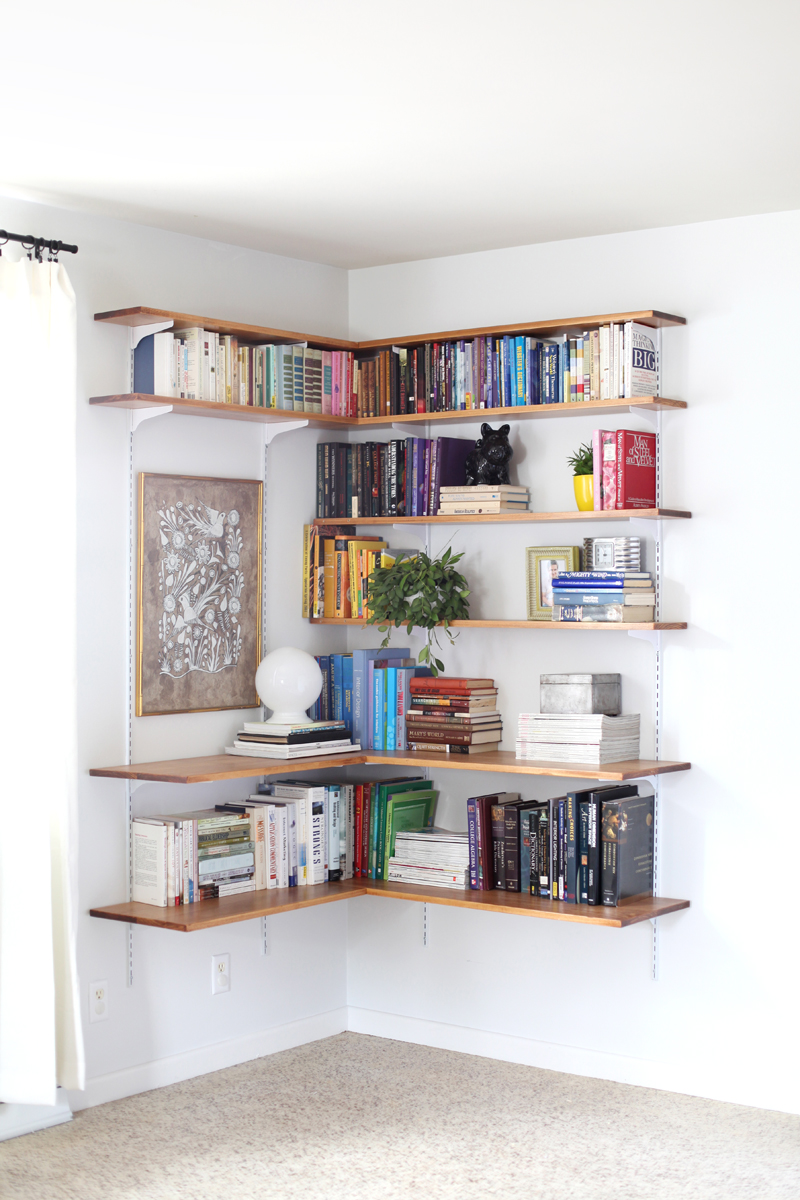
Credit: abeautifulmess.com
Planning Your Bookshelf
Planning your corner wall bookshelf is the first step to a successful build. Careful preparation saves time and avoids mistakes. It helps you create a sturdy and attractive piece that fits your space perfectly. This section guides you through essential planning steps.
Choosing The Right Corner
Not all corners are the same. Pick a corner that has enough wall space and good lighting. Check if the corner is free from doors, windows, or vents. A quiet, unused corner often works best. The shape of the corner matters too. Some corners are square; others may be angled. Knowing this helps you design a bookshelf that fits well.
Measuring Your Space
Measure the height, width, and depth of the corner carefully. Use a tape measure and write down exact numbers. Measure both walls forming the corner. Check for any obstacles like baseboards or moldings. Leave some extra space for the bookshelf’s thickness. Accurate measurements ensure the bookshelf fits perfectly without gaps or crowding.
Selecting Materials And Tools
Choose wood that is strong and easy to work with. Pine and plywood are good options for beginners. Pick shelves thick enough to hold your books. Gather tools like a saw, drill, screws, level, and sandpaper. Having the right tools makes the building process smoother. Quality materials and tools help you make a sturdy, lasting bookshelf.
Designing The Bookshelf
Designing the bookshelf is the first step in building a corner wall bookshelf. It sets the foundation for a sturdy and attractive piece. Good design ensures the bookshelf fits well in your space and holds your books safely. Take time to plan carefully before cutting any wood.
Think about the size, shape, and strength of the shelves. The design will help you avoid mistakes and save materials. You can make a beautiful, useful bookshelf with clear planning and simple tools.
Deciding On Shelf Dimensions
Measure the corner space where the bookshelf will go. Note the height, width, and depth limits. Choose shelf sizes that fit your books and other items. Standard shelves are around 10 to 12 inches deep.
Decide how many shelves you want. Space them to hold tall and short books. Keep some extra room for future additions or decorations. Avoid shelves that are too big or small for your corner.
Sketching Your Layout
Draw a simple sketch of the bookshelf on paper. Mark the dimensions and shelf positions. Use a ruler to keep lines straight. This visual helps you see the final look before building.
Label each part clearly. Check the angles of the corner. Adjust the design to fit tightly into the wall corner. A neat sketch guides you during cutting and assembly.
Considering Weight And Stability
Think about the weight your shelves will carry. Books are heavy and need strong support. Choose thick, sturdy wood or plywood for shelves. Attach shelves securely to the wall studs for safety.
Add support brackets if shelves are wide. Balance the weight evenly across all shelves. Stability prevents the bookshelf from tipping or sagging over time.
Preparing Materials
Preparing materials is the first step in building a corner wall bookshelf. It sets the foundation for a strong and beautiful shelf. Gathering and preparing the right materials saves time and effort later. This part covers cutting wood, sanding surfaces, and collecting hardware.
Cutting Wood Pieces
Measure the wood carefully before cutting. Use a saw to cut the wood into shelf boards and side panels. Follow the dimensions needed for your corner shelf design. Cutting wood straight ensures the shelf fits well in the corner. Take safety precautions while using cutting tools.
Sanding And Smoothing
Sand all wood pieces to remove rough edges and splinters. Use medium-grit sandpaper first, then fine-grit for a smooth finish. Smooth surfaces help paint or stain stick better. Sanding also prevents injuries from sharp wood edges. Check each piece thoroughly before assembly.
Gathering Hardware
Collect screws, nails, brackets, and wood glue for the build. Choose hardware that matches the weight and size of your shelf. Having all hardware ready speeds up the building process. Keep tools like a drill and screwdriver nearby. Organize everything before starting assembly.
Building The Frame
Building the frame is the first big step in creating your corner wall bookshelf. This frame will hold the shelves and support the whole structure. A strong frame means a sturdy bookshelf that lasts a long time.
Focus on making each part fit well. Take your time to measure and cut pieces carefully. This will help the frame come together smoothly and look great.
Assembling Side Panels
Start with the side panels. These are the vertical parts that hold up the shelves. Cut two panels from plywood or solid wood. Each panel should match your desired height and depth.
Attach support strips inside each panel. Use wood glue and screws for a strong hold. These strips will hold the shelves later on.
Constructing The Base
The base supports the whole bookshelf. Cut a sturdy piece of wood that fits the corner space. Make sure the base is level and solid.
Attach small feet or pads under the base. This protects your floor and keeps the bookshelf stable. Double-check all corners are square before moving on.
Joining The Frame
Now connect the side panels to the base. Use wood glue and screws for a tight fit. Check the frame with a square tool to keep angles right.
Clamp the pieces together while drying. This prevents movement and keeps the frame strong. The frame is ready once all parts are secure and aligned well.
Adding Shelves
Adding shelves is an important step in building your corner wall bookshelf. Proper shelf placement creates both style and function. Shelves must be strong to hold books safely. Careful measurement and secure attachment keep the shelves stable. This section guides you through marking, attaching, and reinforcing shelves.
Marking Shelf Positions
Start by deciding how many shelves you want. Use a tape measure to find equal spaces between shelves. Mark the spots clearly with a pencil on the side panels. Check the marks with a level to keep shelves straight. Accurate marks make attaching easier and keep shelves balanced.
Attaching Shelves Securely
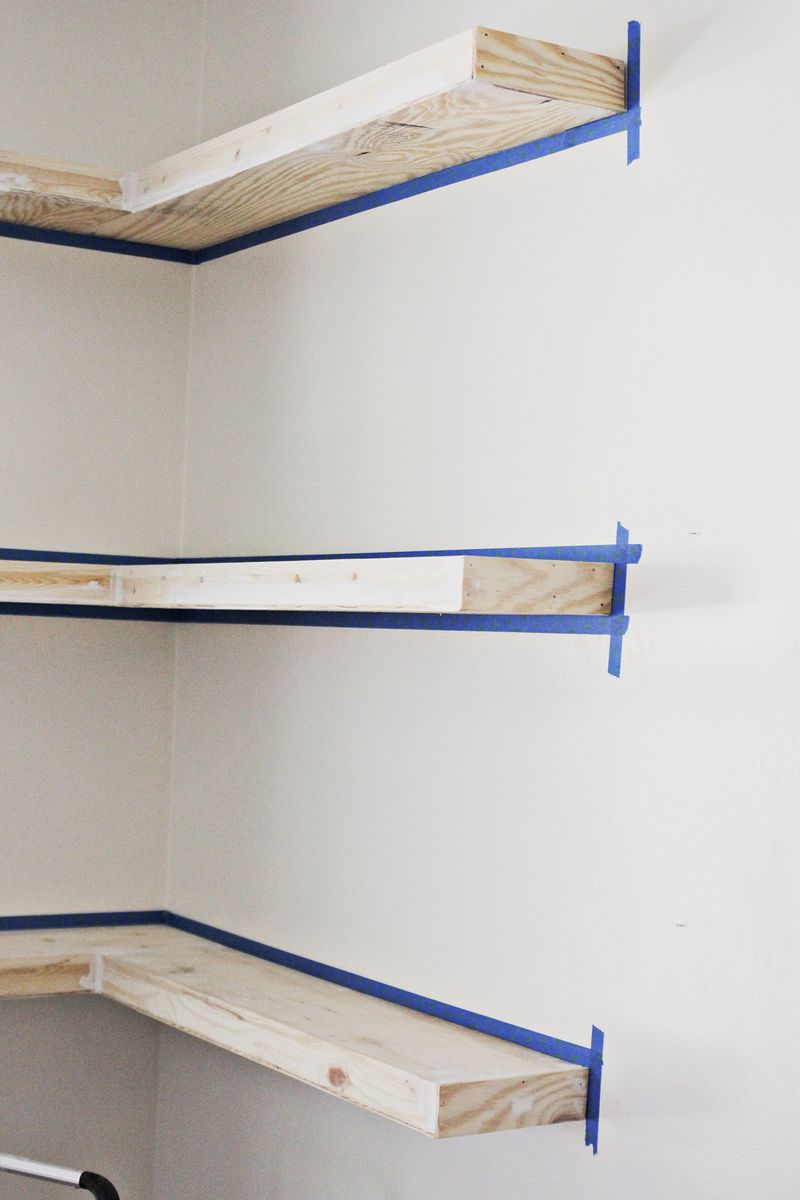
Use wood screws to attach shelves to the side panels. Drill pilot holes to prevent wood from splitting. Place screws evenly along the shelf edges for strong hold. Apply wood glue for extra grip before screwing. Make sure shelves sit flush against the side panels for a neat look.
Reinforcing With Brackets
Metal brackets add strength and prevent sagging shelves. Position brackets under each shelf near the corners. Screw brackets into both the shelf and side panels. Choose brackets that match your shelf size and weight needs. Reinforcing keeps your bookshelf durable and safe for heavy books.

Credit: www.spryinterior.com
Finishing Touches
Finishing touches make your corner wall bookshelf look complete and polished. These final steps protect the wood and enhance its beauty. Taking time here ensures your bookshelf lasts for years.
Painting Or Staining
Choose paint or stain that matches your room’s style. Paint offers many colors and hides imperfections. Stain shows the wood’s natural grain and texture. Use a brush or cloth for even coverage. Allow the paint or stain to dry fully before moving on.
Sealing For Durability
Apply a clear sealant to protect the finish. Sealants keep moisture and dirt from damaging the wood. Use polyurethane or varnish for strong protection. Apply thin, even coats and let each dry well. This step keeps your bookshelf looking new longer.
Installing The Bookshelf In Place
Position the bookshelf carefully in the corner. Use a level to ensure it stands straight. Secure it to the wall with brackets or anchors. This prevents tipping and adds safety. Check that shelves are steady before adding books or decor.
Tips For Maintenance
Maintaining your corner wall bookshelf keeps it strong and looking good. Regular care helps avoid damage and extends the life of your shelf. Small checks and cleaning make a big difference.
Cleaning And Care
Dust your bookshelf at least once a week. Use a soft cloth or duster to avoid scratches. For wooden shelves, a damp cloth with mild soap works well. Avoid harsh chemicals that can harm the finish. Clean spills immediately to prevent stains or warping.
Checking For Loose Parts
Check screws and brackets every few months. Tighten any loose parts to keep the shelf stable. Look for cracks or splits in the wood. Fix small problems early to avoid bigger repairs. A sturdy shelf prevents accidents and damage to your books.
Upgrading Or Customizing
Change your shelf’s look with new paint or stain. Add decorative trim or shelf liners for style and protection. Use LED strip lights to brighten dark corners. Customize shelves to fit your growing book collection. Small upgrades refresh your shelf without much effort.
Credit: abeautifulmess.com
Frequently Asked Questions
What Tools Are Needed To Build A Corner Wall Bookshelf?
To build a corner wall bookshelf, you need a drill, screws, measuring tape, level, saw, and brackets. These tools ensure accurate cuts and secure assembly. Having the right tools makes the project easier and ensures a sturdy, professional-looking bookshelf.
How Do I Measure Space For A Corner Bookshelf?
Measure the height, width, and depth of the corner space carefully. Consider wall angles and any obstructions like baseboards. Accurate measurements help you design a bookshelf that fits perfectly and maximizes storage without overcrowding the room.
What Materials Are Best For Corner Wall Bookshelves?
Plywood, MDF, or solid wood are ideal materials. Choose based on durability, budget, and style preference. Solid wood offers strength and aesthetics, while plywood and MDF are cost-effective and easier to work with.
How Can I Secure A Corner Bookshelf To The Wall Safely?
Use sturdy wall anchors or studs with screws and brackets. Anchoring ensures stability and prevents tipping. Always check wall type and weight capacity before installation for safety.
Conclusion
Building a corner wall bookshelf adds space and style to any room. You can organize books and display items neatly. Follow the steps carefully to ensure a strong, safe shelf. Take your time measuring and assembling for the best fit.
This project suits beginners and helps improve DIY skills. Enjoy the satisfaction of a useful, handmade piece. Try customizing the shelf with paint or decorations. A corner bookshelf makes your room feel cozy and neat. Start building today and see the difference it brings.