Are you looking to add a stylish and functional piece to your entryway without spending a fortune? Building an entry bookshelf out of MDF board might be the perfect project for you.
Imagine having a custom shelf that fits your space perfectly, holds your favorite books, and organizes your essentials—all made by your own hands. This guide will show you simple steps to create a sturdy, attractive bookshelf that anyone can build, even if you’re new to woodworking.
Ready to transform your entryway and impress your guests? Let’s dive in and make your vision a reality.
Choosing The Right Mdf Board
Building an entry bookshelf from MDF board is a fun project. Having the right tools and materials makes the job easier and safer. Gather everything before starting to save time and avoid interruptions.
Essential Tools For Cutting And Assembly
Start with a saw to cut the MDF board. A circular saw or a jigsaw works well. Use a measuring tape for precise cuts. A pencil helps mark the lines clearly. A drill speeds up the assembly with screws. Clamps hold pieces tightly while you work. Sandpaper smooths rough edges for a neat finish.
Hardware And Fasteners
Screws are the main fasteners for MDF projects. Choose wood screws that fit your board thickness. Wood glue adds strength to joints. Use corner braces to support shelves. Small nails can help keep pieces in place during assembly.
Safety Gear
Protect your eyes with safety goggles. Wear a dust mask to avoid inhaling MDF dust. Gloves keep your hands safe from splinters and cuts. Hearing protection is important when using loud power tools. Dress in clothes that cover your arms and legs.
Credit: www.homedepot.com
Tools And Materials Needed
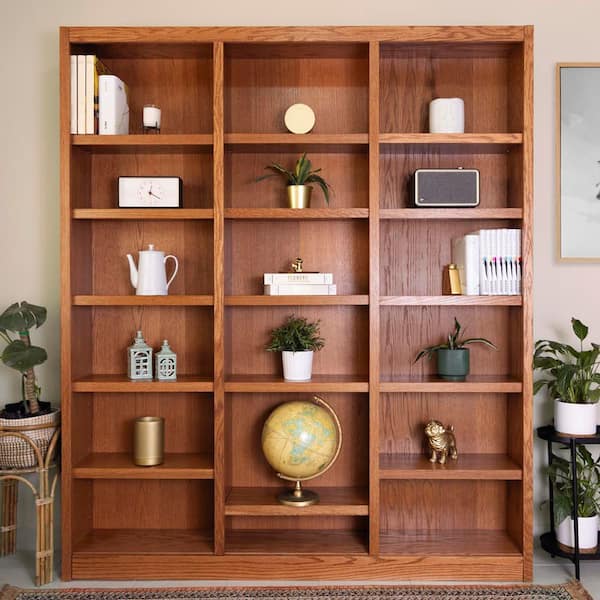
Designing your entry bookshelf is the first step in creating a useful and attractive piece. This process helps you plan the size and style that best fits your space. A well-designed bookshelf balances function and looks. It fits neatly in your entryway and holds your items securely. Start with clear ideas to make building easier and more fun.
Determining Dimensions
Measure the wall space where you want the bookshelf. Note the height, width, and depth available. Think about how much space you need for books and decor. Keep enough room to move around comfortably. Choose dimensions that suit your entryway size and needs.
Creating A Simple Sketch
Draw a basic outline of your bookshelf on paper. Include the overall shape and size. Mark where shelves and sides will go. This helps you see the design clearly. A simple sketch guides you during cutting and assembly.
Planning Shelf Spacing
Decide how tall each shelf should be. Consider the types of items you will place on them. Books, plants, and small boxes need different spaces. Keep shelves evenly spaced for a balanced look. Leave extra space for taller objects if needed.
Designing Your Entry Bookshelf
Cutting MDF pieces is a key step in building your entry bookshelf. It shapes the parts that will come together for a strong and neat shelf. Precision here saves time and effort later. Use proper tools and take your time for the best results.
Measuring And Marking Accurately
Start with exact measurements. Use a tape measure to mark each piece clearly. Double-check your marks before cutting. Mark lines with a pencil and a straight edge. Clear marks guide your saw and reduce mistakes.
Using A Circular Saw Or Jigsaw
Choose a circular saw for straight cuts. It gives clean, fast results on MDF boards. A jigsaw works well for curved or detailed cuts. Always clamp the MDF to keep it steady. Cut slowly to avoid splintering the edges.
Sanding Edges For Smoothness
Sanding removes rough edges after cutting. Use medium-grit sandpaper for the best finish. Sand along the edge, not across it. Smooth edges prevent damage and improve the shelf’s look. Take your time for a clean, professional finish.

Credit: www.amazon.com
Cutting Mdf Pieces
Assembling your entry bookshelf from MDF board requires focus and care. The right steps make the build strong and lasting. Organize your parts and tools before starting. Follow each step closely to avoid mistakes. This way, your bookshelf will look neat and hold weight well.
Joining Techniques For Mdf
MDF is dense and smooth. It needs special joining methods to hold well. Use dowels, biscuits, or pocket holes for strong joints. These techniques help pieces fit tightly and stay firm over time. Avoid nails alone; they can split MDF easily. Choose the best method based on your tools and skill.
Using Wood Glue And Screws
Wood glue works great with MDF. Apply a thin, even layer on edges before joining. Press pieces together firmly. Use screws to add strength. Pre-drill holes to stop MDF from splitting. Countersink screws so heads sit flush or below the surface. Clean any extra glue quickly to keep the finish smooth.
Ensuring Stability And Squareness
Check the bookshelf’s shape often as you assemble. Use a carpenter’s square to keep corners at 90 degrees. Adjust pieces before glue dries. Clamp parts firmly to hold position. Stability prevents wobbling and damage later. Double-check measurements to keep shelves level and aligned. A square, steady frame lasts longer and looks better.
Assembling The Bookshelf
Finishing touches give your entry bookshelf a clean and polished look. They protect the MDF board and improve the shelf’s durability. Small details make a big difference in the final appearance. Let’s explore how to complete your project with care.
Filling Gaps And Holes
Start by checking the shelf for any gaps or holes. Use wood filler or putty to fill these spots. Smooth the filler with a putty knife, then let it dry. Sand the area gently to create an even surface. This step ensures a smooth finish and hides imperfections.
Priming And Painting
Apply a coat of primer to the entire bookshelf. Primer helps paint stick better and prevents moisture damage. Wait until the primer dries completely before painting. Use a brush or roller to apply your chosen paint. Apply thin, even coats for the best result. Let each coat dry before adding another layer.
Adding Decorative Elements
Enhance your bookshelf with simple decorative touches. Consider adding trim or molding for a classic look. You can also attach decorative knobs or handles. Stick to designs that match your room’s style. These small additions give your shelf a unique personality.

Credit: www.popularwoodworking.com
Finishing Touches
Maintaining an MDF bookshelf keeps it looking fresh and lasting longer. Regular care protects the surface and structure. Simple steps help prevent damage and keep the shelf strong.
Cleaning And Care
Dust the bookshelf often with a soft cloth. Use a damp cloth for sticky spots. Avoid soaking the MDF with water. Use mild soap if needed but dry the surface quickly. Never use harsh chemicals or abrasive cleaners. They can damage the finish and the board.
Preventing Moisture Damage
MDF is sensitive to water and moisture. Keep the bookshelf away from humid areas. Avoid placing wet items directly on the shelves. Use coasters under drinks or plants. Seal edges with paint or varnish to stop water absorption. Proper sealing extends the shelf’s life.
Repairing Minor Damages
Small scratches or dents can be fixed easily. Use wood filler or putty to fill holes. Sand the area lightly after it dries. Repaint or touch up with matching paint. For loose joints, apply wood glue and clamp until dry. Regular checks help catch problems early.
Frequently Asked Questions
What Tools Do I Need To Build An Mdf Bookshelf?
You need a saw, drill, measuring tape, screws, clamps, and sandpaper. Safety gear like gloves and goggles is essential too.
How Do I Prevent Mdf From Swelling Or Warping?
Seal all MDF edges with primer and paint to protect against moisture. Avoid placing the bookshelf in damp areas.
Can I Customize The Size Of My Mdf Bookshelf?
Yes, MDF boards can be easily cut to any size. Measure your space first and plan dimensions accordingly.
How Should I Join Mdf Pieces Securely?
Use wood glue along with screws or nails for strong joints. Clamps help hold pieces while the glue dries.
Conclusion
Building an entry bookshelf from MDF board is simple and rewarding. You only need basic tools and clear steps. This project adds style and storage to your space. MDF is easy to cut and shape, making your work smooth. Take your time and follow safety tips carefully.
Soon, your entryway will look neat and inviting. Enjoy your new bookshelf every day. Start your DIY project with confidence today.