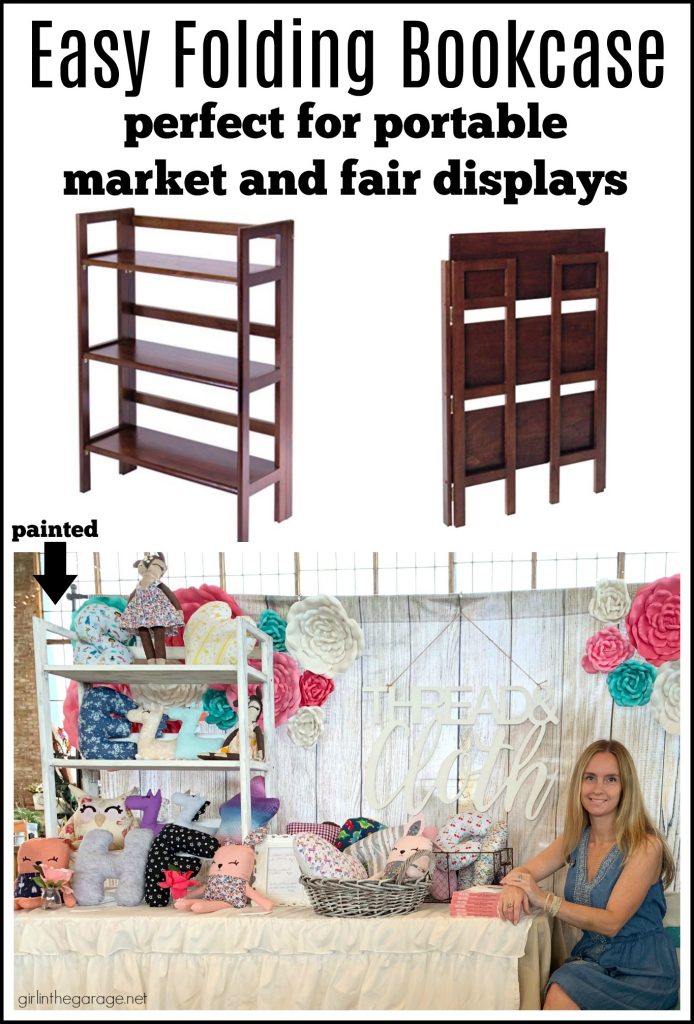
Are you looking for a smart way to organize your books without taking up too much space? A folding bookshelf might be exactly what you need.
It’s practical, stylish, and perfect for any room in your home. Imagine having a shelf that you can easily fold away when not in use, freeing up space instantly. In this guide, you’ll discover simple steps to build your own folding bookshelf, even if you’re new to DIY projects.
By the end, you’ll have a unique piece that saves space and adds charm to your home. Ready to get started? Let’s dive in!
Choosing Materials
Choosing the right materials is key to building a strong folding bookshelf. The materials affect the shelf’s look, strength, and how easy it is to fold. You want wood that holds well and hardware that moves smoothly. The right tools make the work easier and safer.
Careful selection helps you build a shelf that lasts long and looks good. Let’s explore the best wood, hardware, and tools for this project.
Selecting Wood Types
Pick wood that is sturdy but not too heavy. Pine and poplar are good choices for beginners. They are light and easy to cut. Oak and maple are stronger but cost more and weigh more. Avoid soft woods like cedar or spruce for shelves. They may bend or break under weight.
Picking The Right Hardware
Use strong hinges that allow smooth folding. Look for brass or stainless steel for durability. Screws should be rust-resistant and fit well with your wood. Include locking brackets or catches to keep the shelf steady when open. Small parts like washers help the hinges work better.
Tools You’ll Need
A drill with different bits makes holes and drives screws easily. A saw helps cut wood to size. Sandpaper smooths rough edges. A screwdriver is useful for small adjustments. A measuring tape and pencil keep your cuts accurate. Clamps hold wood steady while you work.
Credit: girlinthegarage.net
Designing Your Bookshelf
Designing your folding bookshelf is the first step to a practical and stylish piece. It helps you use space well and meet your storage needs. Careful design makes the building process easier and the final product stronger.
Focus on how you want the shelf to fold and where it will sit. This way, you create a bookshelf that fits perfectly and works smoothly.
Measuring Space
Start by measuring the area where the bookshelf will go. Use a tape measure and write down the height, width, and depth. Leave some extra space for easy folding and movement. Check for any obstacles like doors or vents that might affect placement.
Planning Foldable Sections
Decide how many sections your bookshelf will have. Each section should fold easily without hitting the others. Think about the size of each panel to keep the shelf stable. Choose hinges that allow smooth folding and strong support.
Sketching The Layout
Draw a simple plan of your bookshelf on paper or a computer. Include all parts like shelves, sides, and hinges. Mark the folding lines clearly to avoid confusion during assembly. This sketch guides you and helps spot any design flaws early.
Cutting And Preparing Parts
Cutting and preparing parts is a key step in building a folding bookshelf. This stage shapes the wood pieces that form the bookshelf’s frame and shelves. Precise cuts ensure the parts fit well together. Proper preparation helps the bookshelf look neat and last longer.
Taking time to measure, cut, and sand carefully saves effort during assembly. It also makes the bookshelf safer to use. Follow simple steps to achieve the best results in this phase.
Marking Measurements
Start by marking all wood pieces accurately. Use a tape measure and a pencil to note lengths and widths. Double-check each measurement before marking. Draw clear lines where cuts will be made. This reduces mistakes and wasted wood.
Safe Cutting Techniques
Always cut wood on a stable surface. Use clamps to hold the wood steady. Wear safety goggles and gloves to protect eyes and hands. Cut slowly and follow the marked lines closely. Keep fingers away from the blade. Use the right saw for each cut to make clean edges.
Sanding For Smooth Finish
Sand all cut edges to remove splinters and rough spots. Use medium-grit sandpaper first, then fine-grit for a smooth touch. Sand along the wood grain for better results. This step makes the bookshelf safe to handle. It also improves the final look before painting or staining.
Assembling The Frame
Assembling the frame is the first step in building your folding bookshelf. The frame shapes the entire structure. It must be strong and fit well. Careful assembly ensures the shelf will fold smoothly and hold weight safely.
Follow each step closely for the best results. A well-made frame makes the rest of the project easier and more reliable.
Joining Panels
Start by placing the side panels flat on a work surface. Align the top and bottom panels between the sides. Use wood glue on edges to hold panels together. Secure the joints with screws for extra strength. Make sure all corners form right angles. Check alignment before the glue dries. Tight joints prevent wobbling later.
Installing Hinges
Hinges connect the panels and allow folding. Position the hinges evenly along the edges. Use a pencil to mark screw holes. Pre-drill small holes to avoid splitting the wood. Attach hinges with screws, tightening firmly but not too tight. Test the folding action to ensure smooth movement. Adjust hinge placement if the panels don’t fold flat.
Ensuring Stability
Stability keeps the bookshelf steady and safe. Add corner braces inside the frame for support. Tighten all screws and check for loose parts. Place the frame on a flat surface and test for wobble. If it wobbles, tighten screws or add small shims. A stable frame will last longer and hold more weight.
Adding Shelves
Adding shelves is a key step in building your folding bookshelf. Shelves hold your books and items. They must fit well and stay strong. This part guides you through placing, securing, and adjusting shelves for easy folding.
Positioning Shelves
Decide how many shelves you want. Measure the height between each shelf space. Mark the positions on the side panels. Keep equal space for a neat look. Make sure shelves fit your tallest books.
Securing Supports
Use sturdy brackets or wooden cleats to hold shelves. Attach supports at the marked spots on the sides. Use screws that fit the wood well. Check each support is level and firm. Strong supports stop shelves from sagging.
Adjusting For Foldability
Leave space so shelves do not block folding parts. Use thinner shelves to reduce weight. Attach supports that fold or detach easily. Test folding before final fixing. Adjust shelf positions for smooth folding and unfolding.

Credit: www.youtube.com
Finishing Touches
Finishing touches make your folding bookshelf look complete and last longer. These steps protect the wood and add style. They also improve the shelf’s function and durability. Small details can make a big difference in the final product.
Applying Paint Or Stain
Choose paint or stain based on your room’s style. Paint covers the wood completely and offers many color choices. Stain shows the wood grain and creates a natural look. Apply thin, even coats with a brush or cloth. Let each coat dry fully before adding the next. This prevents streaks and blotches.
Adding Protective Coating
Protective coatings guard against scratches and spills. Use clear varnish, polyurethane, or lacquer. These coatings keep your bookshelf looking new longer. Apply with a clean brush, following the wood grain. Allow the coating to dry between layers. This builds strong protection for daily use.
Installing Handles Or Locks
Handles make folding and moving the shelf easier. Pick simple, sturdy handles that match your shelf’s look. Attach them firmly with screws or bolts. Locks keep the shelf closed and secure when folded. Use small, easy-to-use locks for convenience. Proper installation ensures safety and smooth operation.
Maintaining Your Bookshelf
Maintaining your folding bookshelf keeps it sturdy and looking good. Regular care stops small problems from becoming big. Spend a little time each month to keep it in top shape.
Cleaning Tips
Dust your bookshelf often with a soft cloth. Use a damp cloth for sticky spots, but avoid soaking the wood. Dry it quickly to stop water damage. Avoid harsh cleaners that can ruin the finish.
Checking Hinges
Open and close the bookshelf to test the hinges. Listen for squeaks or feel for stiffness. Tighten screws if the hinges feel loose. Apply a small drop of oil to keep them moving smoothly.
Repairing Wear And Tear
Look for scratches or dents on the wood. Lightly sand rough spots to smooth them out. Use wood filler for deeper damage, then paint or stain to match. Fix small issues early to keep the shelf strong.
Credit: community.carbide3d.com
Frequently Asked Questions
What Materials Are Needed To Build A Folding Bookshelf?
To build a folding bookshelf, you need plywood, hinges, screws, wood glue, sandpaper, and paint or stain. These materials ensure durability and a smooth finish. Choose quality wood for better strength and appearance.
How Do I Ensure The Bookshelf Folds Smoothly?
Use high-quality hinges and precise measurements for smooth folding. Sand edges to prevent friction. Proper alignment and secure fastening are essential for easy and safe folding.
Can I Customize The Size Of My Folding Bookshelf?
Yes, you can customize the bookshelf size to fit your space. Adjust the height, width, and depth according to your needs. Accurate measurements before cutting will ensure a perfect fit.
How Do I Secure The Folding Bookshelf When Open?
Add locking mechanisms or magnetic catches to secure the shelf when open. This prevents accidental folding and keeps your books safe. Ensure the locks are easy to operate.
Conclusion
Building a folding bookshelf can save space and add style to any room. It only takes a few tools and simple steps to create. You can customize the size and color to fit your needs. This project brings both function and charm to your home.
Try making one yourself and enjoy the satisfaction of a DIY project done right. Folding bookshelves are practical and look great anywhere. Give it a go, and see how easy and useful it can be.