Are you running out of space but still want to keep your favorite books close? Not having a bookshelf doesn’t mean your books have to end up in a messy pile.
How you stack your books can make a big difference—not just for saving space, but for keeping your room looking neat and stylish. You’ll discover smart, simple ways to stack your books that protect them and even add charm to your space.
Ready to turn your book collection into an eye-catching display without a single shelf? Let’s dive in!
Stacking Techniques
Stacking books without a bookshelf can be both practical and stylish. Different stacking techniques help organize books neatly. They also save space and add charm to any room. Below are simple ways to stack books effectively.
Vertical Stacks
Vertical stacks stand books upright like a mini bookshelf. Place the books side by side with their spines facing out. This way, titles remain visible and easy to find. Use bookends or heavy objects on each side to keep stacks stable. This method works best for books of similar height.
Horizontal Piles
Horizontal piles lay books flat one on top of another. This technique saves wall space and creates a casual look. Stack heavier or larger books at the bottom for balance. Keep the piles low to avoid tipping. Use this for coffee table books or magazines.
Mixed Arrangements
Mixed arrangements combine vertical and horizontal stacking. Alternate a few upright books with flat piles. This breaks monotony and adds visual interest. Group books by size or color for a cleaner look. Mixed stacks fit well on desks, nightstands, or small tables.
Credit: www.reddit.com
Using Furniture Creatively
Using furniture creatively can solve your book storage problems without a traditional bookshelf. Many pieces around the house serve double duty as book holders. They keep your books within reach and add charm to your space.
Think beyond shelves. Your furniture can act as a stylish and practical book stack base. This approach saves space and makes your favorite books part of your room’s design.
Coffee Tables
Coffee tables offer a large, flat surface perfect for stacking books. Use them to display your current reads or favorite collections. Neatly stacked books can also serve as a centerpiece or conversation starter. Choose books with colorful covers for a lively look. You can stack books under the table too, using the space creatively.
Side Chairs
Side chairs with sturdy seats can hold a small stack of books. Place a few books on the seat and add a cushion on top to protect them. This creates a mini library within arm’s reach. It also turns an ordinary chair into a useful storage spot without clutter.
Window Sills
Window sills are great spots to stack books, especially if you have wide ledges. Arrange books horizontally to maximize space and avoid blocking the light. This makes your reading material visible and accessible. Books on the sill add a cozy, lived-in feel to your room.
Alternative Storage Ideas
Books need space, but not always a bookshelf. Alternative storage ideas save space and keep books tidy. These options work well in small rooms or shared spaces. They also add charm to your home.
Under Bed Storage
Use the space under your bed for book storage. Flat boxes or rolling bins fit well here. Keep books safe from dust and damage. Easy to pull out and browse anytime. This method frees up visible space in your room.
Wall Hooks And Ledges
Mount hooks or ledges on your walls to hold books. This keeps books off the floor and counters. Ledges display books with their covers showing. Hooks can hold bags filled with books. Both options create unique wall art and storage.
Basket And Bin Solutions
Baskets and bins offer flexible book storage. Place them in corners or under tables. They keep books organized and easy to move. Choose sizes that fit your space well. This solution suits casual, cozy reading spots.
Decorative Book Displays
Decorative book displays turn your books into art. They make any space cozy and stylish. Without a bookshelf, you can still show off your collection. Use creative ways to stack and arrange your books. This adds charm and personality to your room.
Color Coding
Arrange books by color for a bright look. Stack reds, blues, greens, or yellows together. This creates a rainbow effect that catches the eye. Color coding makes your display neat and fun. It also helps find books faster.
Artistic Arrangements
Try different shapes and heights when stacking books. Place some flat and others upright. Create small towers or zigzag patterns. Mix thick and thin books for variety. Artistic arrangements make your display lively and unique.
Incorporating Plants And Decor
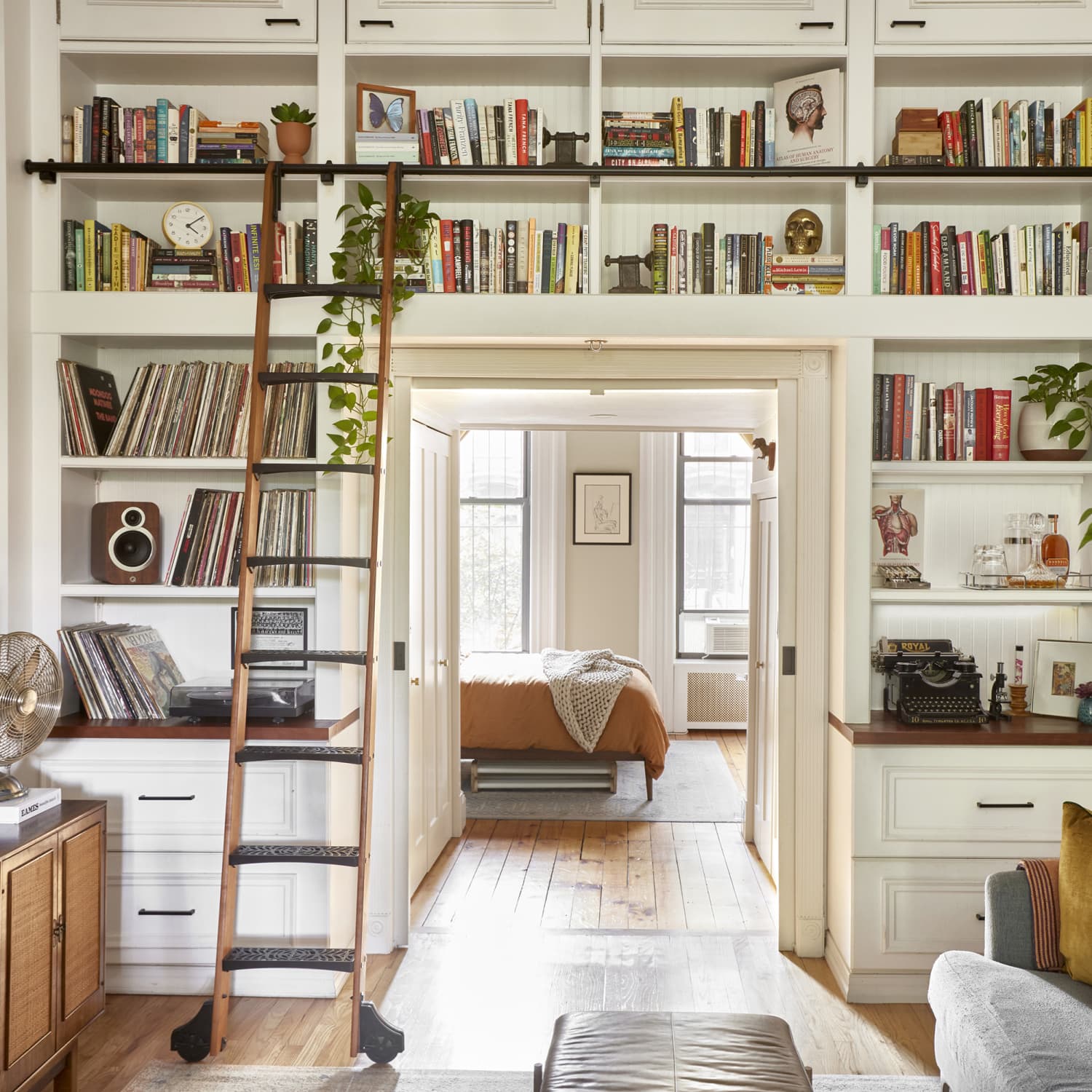
Add small plants to your book stacks for freshness. Use succulents or air plants that need little care. Place decorative items like candles or figurines nearby. These add texture and interest to the display. Combining books with decor makes a warm vibe.
Maintaining Accessibility
Keeping your books easy to find is important when you do not have a bookshelf. Stacking books without a proper shelf can look messy and make it hard to get the book you want. Organizing your stacks with care helps you save time and keeps your reading space neat. Simple steps make your books easy to reach and enjoy.
Prioritizing Frequently Read Books
Place the books you read often at the top of your stacks. This way, you can grab them quickly without moving other books. Keep your favorites close to your reading spot. It saves effort and keeps your flow steady. Less searching means more reading time.
Labeling Stacks
Use simple labels to mark each stack. Write the genre, author, or topic on a small card. This helps you find the right stack fast. You can use sticky notes or tags for easy changes. Clear labels prevent confusion and keep your books organized.
Rotating Collections
Change your stacks regularly to keep your collection fresh. Move books you read less to the bottom or a different spot. Bring new or wanted books to the top. Rotating stacks helps you rediscover old favorites. It keeps your reading space lively and inspiring.
Credit: www.apartmenttherapy.com
Safety And Stability Tips
Stacking books without a bookshelf can save space and look creative. Safety and stability are very important when stacking books. Unstable stacks can fall and cause damage or injury. Follow these tips to keep your book piles steady and safe.
Balancing Stacks
Place the biggest and heaviest books at the bottom of the stack. Smaller and lighter books go on top. Make sure the edges line up well. Avoid stacks that lean to one side. Check that the stack feels steady before leaving it alone.
Using Bookends And Supports
Use bookends to hold stacks in place. Heavy objects like stones or bricks also work as supports. Place them on both sides of the stack. This stops books from sliding or falling. Supports add extra safety to your stacks.
Avoiding Overloading
Do not stack too many books in one pile. Tall stacks are easy to tip over. Keep stacks at a safe height for your space. Spread books across several smaller stacks if needed. This prevents accidents and keeps books in good shape.

Credit: aprettyfix.com
Frequently Asked Questions
How Can I Stack Books Without A Bookshelf Safely?
Use sturdy surfaces like tables or benches to stack books. Arrange heavier books at the bottom for stability. Avoid stacking too high to prevent tipping. Use bookends or small decorative items to support the stack’s sides and keep books upright.
What Are Creative Ways To Stack Books At Home?
Stack books horizontally or vertically for visual interest. Combine stacks with plants or art pieces for decor. Use unique containers like baskets or crates. Layer books by color or size to create an appealing display that complements your room’s style.
Can I Stack Books Without Damaging Them?
Yes, place books flat to avoid spine stress. Avoid overstacking to prevent warping. Use soft surfaces under stacks to protect covers. Rotate books regularly to reduce wear. Proper stacking helps maintain book condition without shelves.
How To Organize Stacked Books For Easy Access?
Group books by genre, author, or size for quick retrieval. Label stacks or use color coding for clarity. Keep frequently read books at the top. Maintain clear spaces around stacks for easy handling and avoid clutter.
Conclusion
Stacking books without a bookshelf can be simple and neat. Use flat surfaces like tables or window sills. Create small piles by size or topic for easy access. Add decorative items to keep stacks stable and pretty. Change your book stacks often to avoid clutter.
This way, your books stay organized and your space looks good. Try these tips and enjoy your books every day.