Are you tired of plain, straight bookshelves that don’t add any personality to your space? Imagine having a unique, curved bookshelf that not only holds your favorite books but also becomes the highlight of your room.
Building one might sound tricky, but with the right steps, you can create a stunning piece that fits perfectly in your home. In this guide, you’ll discover easy-to-follow tips and tricks to build your own curved bookshelf. Ready to transform your space and impress everyone who visits?
Let’s get started!

Credit: www.youtube.com
Choosing The Right Materials
Choosing the right materials is the first step to build a sturdy curved bookshelf. The materials affect the strength, look, and ease of building. Picking good wood and tools will help create a smooth curve and long-lasting shelf.
Focus on materials that bend well and hold shape. Also, consider the finish and how it fits your room style. Prepare all tools before starting to make the process smooth and safe.
Selecting Wood Types
Choose wood that bends easily without breaking. Plywood is a popular choice for curved shelves. It is strong, flexible, and affordable.
Another good option is bendable hardwood like oak or ash. These woods can curve naturally and add a nice look.
Avoid soft woods like pine for the main structure. They may crack or warp over time. For shelf surfaces, smooth and even wood works best.
Tools And Supplies Needed
Gather these tools to build your curved bookshelf:
- Jigsaw or bandsaw for cutting curves
- Clamps to hold wood while drying
- Drill and screws for assembly
- Sandpaper for smooth edges
- Wood glue for strong joints
- Measuring tape and pencil for accuracy
Having all supplies ready saves time. Using the right tools ensures clean cuts and solid shelves.
Credit: www.woodpeck.com
Designing Your Curved Bookshelf
Designing a curved bookshelf requires careful thought and planning. This step sets the foundation for the entire project. A well-designed shelf looks good and fits perfectly in your space.
Focus on the shape and size of the curve first. Then, measure the area where the bookshelf will go. These details help you avoid mistakes and wasted materials.
Planning The Curve Shape
Start by deciding how gentle or steep the curve will be. Draw the curve on paper or use a design app. This helps you see how the shelf will look.
Consider the style of your room. Soft curves create a calm feeling. Sharp curves can look modern and bold. Choose a curve that matches your taste.
Think about how many shelves you want. Curved shelves need more support, so plan spacing carefully. Keep in mind the books or items you will place on it.
Measuring Dimensions
Measure the wall space where the bookshelf will fit. Use a tape measure and note the height, width, and depth. Check for any obstacles like light switches or outlets.
Measure twice to avoid errors. Mark these dimensions clearly on your design. This step ensures the shelf fits well and looks balanced.
Also, decide the thickness of the wood or material. Thicker wood means stronger shelves but heavier weight. Choose a size that suits your needs and style.
Preparing The Wood
Preparing the wood is the first step in building a curved bookshelf. It ensures the wood fits well and looks great. Good preparation helps the shelf last longer and hold weight safely.
Take your time with this part. Measure twice, cut once, and always check the wood pieces before moving on. Proper preparation makes the rest of the project easier and more enjoyable.
Cutting Wood Pieces
Start by marking all wood pieces clearly. Use a pencil and ruler for straight lines. Cut the wood carefully using a saw. Follow the marks exactly to keep the shape correct.
Cut the curved pieces slowly. Use a jigsaw or bandsaw for smooth curves. Avoid rough or jagged edges. Proper cuts make the shelf look neat and balanced.
Sanding And Smoothing
After cutting, sand all wood surfaces. Use medium-grit sandpaper first to remove rough spots. Then, switch to fine-grit paper for a smooth finish. Sand the curves gently to keep their shape.
Check for splinters or sharp edges. Smooth these areas well to prevent injury. Clean the dust off the wood with a cloth. Smooth wood helps paint or stain stick better.
Creating The Curve
Creating the curve is the most exciting part of building a curved bookshelf. It gives the shelf its unique shape and style. The curve adds a soft, elegant touch to the design. Making the curve requires patience and the right tools. There are several ways to bend wood and shape it smoothly. Using templates and jigs helps keep the curve consistent and neat. This section explains simple techniques for bending wood and how to use guides for perfect curves.
Bending Wood Techniques
Bending wood allows you to shape straight boards into smooth curves. Steam bending is a common way. Wood becomes flexible after exposure to steam. A steam box or steam source is needed to heat the wood. After steaming, gently bend the wood around a form. Let it dry fully to keep its shape. Another method is kerf cutting. This means making small cuts on the wood’s inside edge. These cuts let the wood bend without breaking. Both methods work well for curved shelves. Choose the one that fits your tools and skills.
Using Templates And Jigs
Templates and jigs guide the wood into the right curve. A template is a pattern made from sturdy material. It shows the exact shape of the curve. Trace the template onto the wood before cutting or bending. Jigs hold the wood in place during shaping. They keep the wood steady and prevent mistakes. You can build jigs from scrap wood or buy ready-made ones. Using these tools saves time and improves accuracy. They make sure every curve piece fits together perfectly.
Assembling The Bookshelf
Assembling a curved bookshelf requires careful steps to ensure stability and style. This part brings all the pieces together to create a smooth, curved shape. Follow the instructions closely for a strong and attractive result.
Joining Curved Sections
Start by aligning the curved sections on a flat surface. Use clamps to hold them steady. Apply wood glue along the edges where the sections meet. Screw the pieces together using pre-drilled holes for a tight fit. Check the curve for smoothness and adjust if needed.
Adding Shelves And Supports
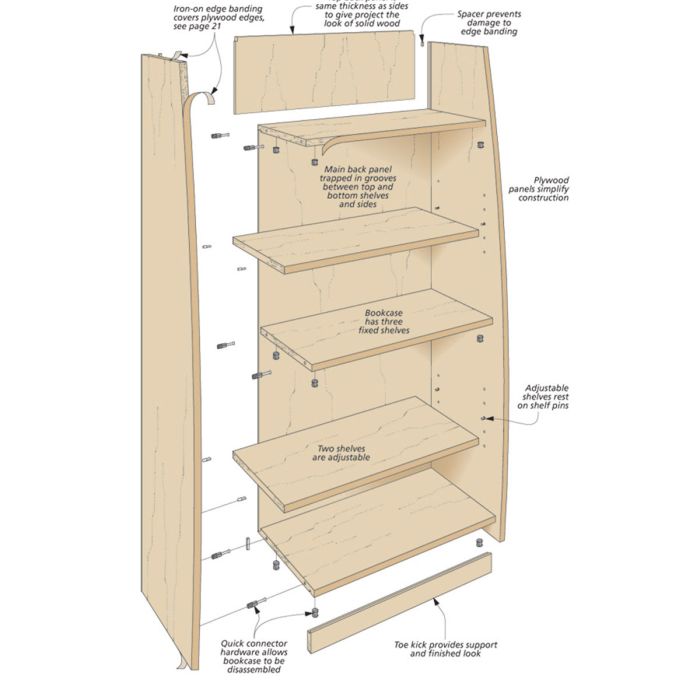
Measure the space inside the frame for shelves. Cut shelves to fit the curve perfectly. Attach shelf supports inside the frame with screws and glue. Place each shelf on the supports, making sure they sit flat. Secure shelves with screws from below for extra strength.
Credit: www.etsy.com
Finishing Touches
Finishing touches bring your curved bookshelf to life. They protect the wood and improve its look. A good finish keeps the shelf safe from scratches and spills. It also highlights the natural curves and grain of the wood. Proper finishing makes the project feel complete and polished.
Applying Stain Or Paint
Choose a stain or paint that matches your room style. Stain shows the wood grain and adds warmth. Paint covers the wood for a smooth, colorful surface. Use a brush or cloth for even application. Apply thin coats and let each dry fully. Light sanding between coats helps create a smooth finish.
Sealing For Durability
Sealing protects your bookshelf from moisture and wear. Use a clear sealant like polyurethane or varnish. Apply with a clean brush in long, smooth strokes. Let the first coat dry before adding more layers. Multiple coats improve strength and shine. This step ensures your shelf lasts for years.
Tips For Maintenance
Maintaining a curved bookshelf is key to keeping it beautiful and strong. Regular care helps the wood and finish last longer. Simple steps prevent damage and keep the shelf looking fresh. Follow easy tips to protect your bookshelf every day.
Cleaning And Care
Dust the shelf with a soft cloth at least once a week. Avoid wet cloths that can harm the wood. Use a dry or slightly damp cloth for cleaning. Polish the wood with a gentle furniture polish every few months. This keeps the surface smooth and shiny. Keep the shelf away from direct sunlight to stop fading.
Avoiding Damage
Do not overload the shelves with heavy items. Even curved shelves have weight limits. Place heavier books on the lower shelves for balance. Use coasters under plants or cups to stop water rings. Keep sharp objects away to avoid scratches. Move the shelf carefully to prevent cracks or breaks.
Frequently Asked Questions
How Do You Start Building A Curved Bookshelf?
Begin by designing the curve and selecting flexible plywood. Cut pieces according to the design, then assemble with wood glue and clamps. Sand edges smooth for a clean finish.
What Tools Are Essential For A Curved Bookshelf?
You need a jigsaw or band saw, clamps, drill, measuring tape, sanding tools, and wood glue. These tools help shape and secure the curved shelves accurately.
Which Wood Type Is Best For Curved Bookshelves?
Flexible plywood or thin hardwood strips work best. These materials bend easily without cracking, ensuring smooth, durable curved shelves that hold books safely.
How Do You Ensure Stability In Curved Bookshelves?
Use strong brackets and secure shelves to a sturdy frame. Reinforce curves with support strips, and ensure shelves are evenly spaced to distribute weight.
Conclusion
Building a curved bookshelf adds charm to any room. It takes patience, simple tools, and clear steps. You can create a unique piece that fits your space perfectly. Each curve and shelf tells a story of your effort. Enjoy the process and watch your bookshelf come to life.
This project brings both function and style together. Try it yourself and see how rewarding it feels. Your home will thank you with a special touch.
