
Are you wondering what to put under your bookshelf speakers to get the best sound? Where you place your speakers and what you put beneath them can make a huge difference in how your music or movies sound.
The right support can reduce vibrations, improve clarity, and make every note feel richer. Keep reading, and you’ll discover simple, effective ways to boost your listening experience without spending a fortune. Your ears will thank you!
Ideal Surfaces For Bookshelf Speakers
Choosing the right surface for your bookshelf speakers can improve sound quality greatly. Speakers need a stable, solid base to work best. The surface affects how sound travels and how vibrations behave. Picking the right spot helps your speakers perform at their best.
Hardwood And Solid Wood Benefits
Hardwood and solid wood surfaces offer strong support for speakers. They reduce vibrations that can blur the sound. These surfaces help keep the speakers steady and balanced. Wood also reflects sound nicely, adding warmth to the audio. A wooden shelf can enhance clarity and detail in your music.
Avoiding Soft And Uneven Surfaces
Soft surfaces like carpets or cushions absorb sound and dull the audio. Uneven surfaces cause speakers to wobble, affecting sound accuracy. These surfaces create unwanted vibrations that distort the music. Avoid placing speakers on beds, sofas, or foam pads. A flat, firm surface keeps sound crisp and clear.
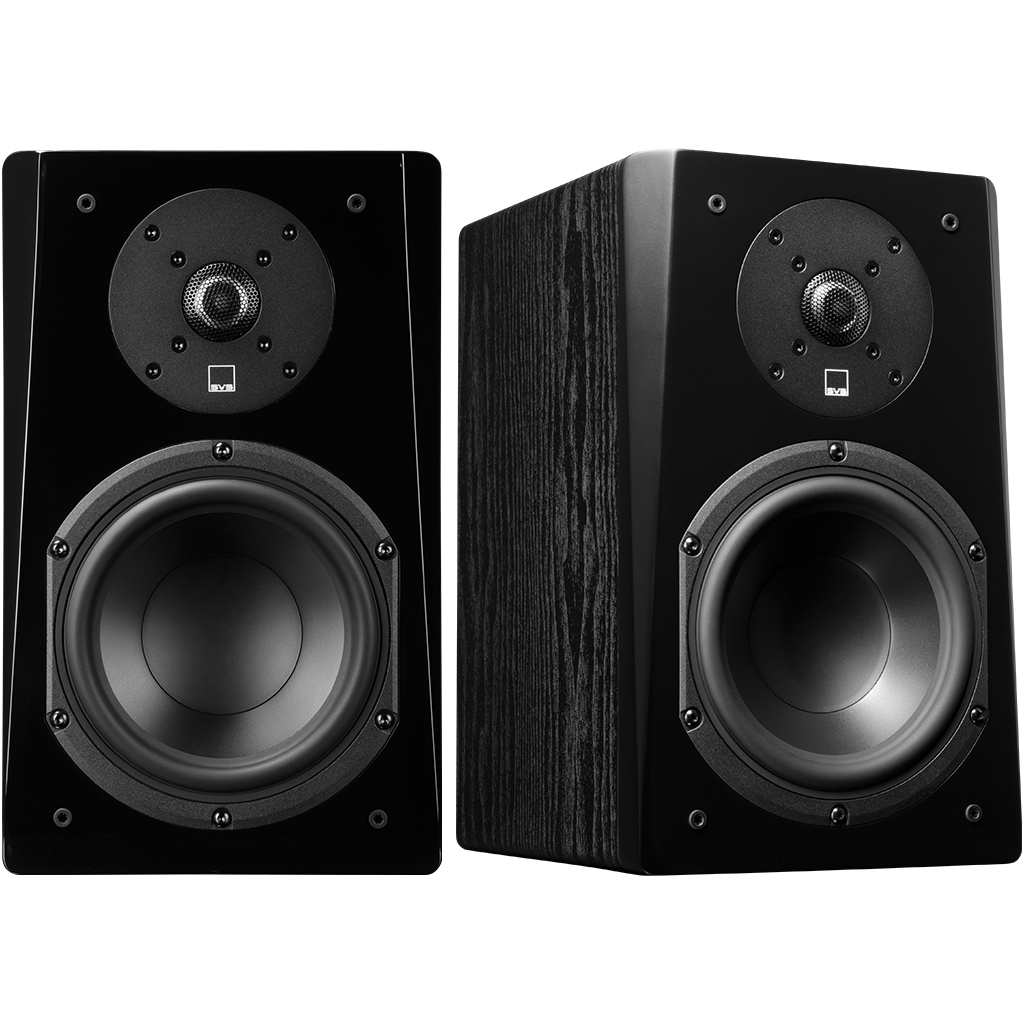
Credit: www.svsound.com
Speaker Stands And Isolation Pads
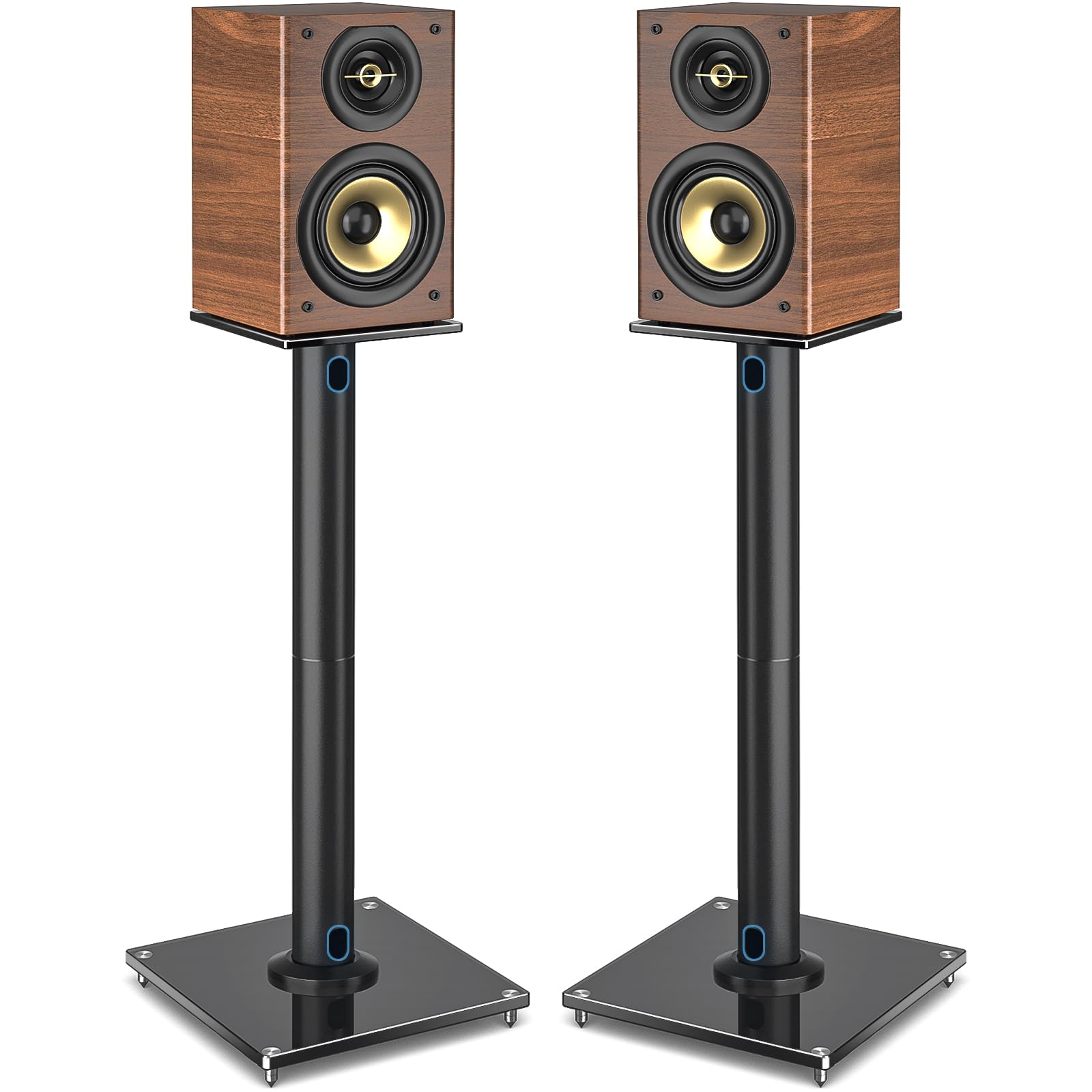
Speaker stands and isolation pads improve sound quality from bookshelf speakers. They help reduce vibrations and position the speakers at the right height. This setup creates clearer audio and a better listening experience. Both options offer unique advantages for your audio setup.
Choosing The Right Speaker Stands
Pick stands that match your speaker size and weight. Sturdy stands prevent shaking and keep speakers stable. The right height places speakers at ear level for better sound. Some stands have adjustable height for flexibility. Look for stands with cable management to keep wires neat.
Benefits Of Isolation Pads
Isolation pads sit between speakers and surfaces to reduce vibrations. They stop sound distortion caused by speaker movement. Pads improve bass response and clarity in music. Made of foam or rubber, they absorb unwanted noise. Pads are small but make a big difference in sound.
Diy Options For Isolation
You can create isolation pads using household items. Cork coasters or thick foam pieces work well. Place these materials under each speaker to reduce vibration. Even folded cloth or rubber mats help improve sound quality. DIY solutions save money and are easy to try.
Using Acoustic Foam And Mats
Using acoustic foam and mats under bookshelf speakers helps improve sound quality. These materials reduce unwanted noise and vibrations. They create a better listening experience by controlling sound waves. Acoustic foam absorbs sound reflections, while mats provide a stable base. Together, they make your speakers perform clearer and cleaner.
Reducing Vibrations And Resonance
Speakers create vibrations that travel through surfaces. These vibrations cause resonance, which can distort sound. Acoustic mats absorb these vibrations to stop resonance. Foam also helps by softening hard surfaces. This reduces unwanted noise and keeps the sound pure. Using foam and mats lowers shaking and rattling sounds.
Placement Tips For Acoustic Mats
Place mats directly under each speaker. Ensure the mats cover the entire base area. Avoid placing mats on uneven surfaces. Keep mats flat and stable for best results. Test different positions to find the clearest sound. Use foam behind or beside speakers to control echoes. Proper placement improves speaker performance and sound clarity.
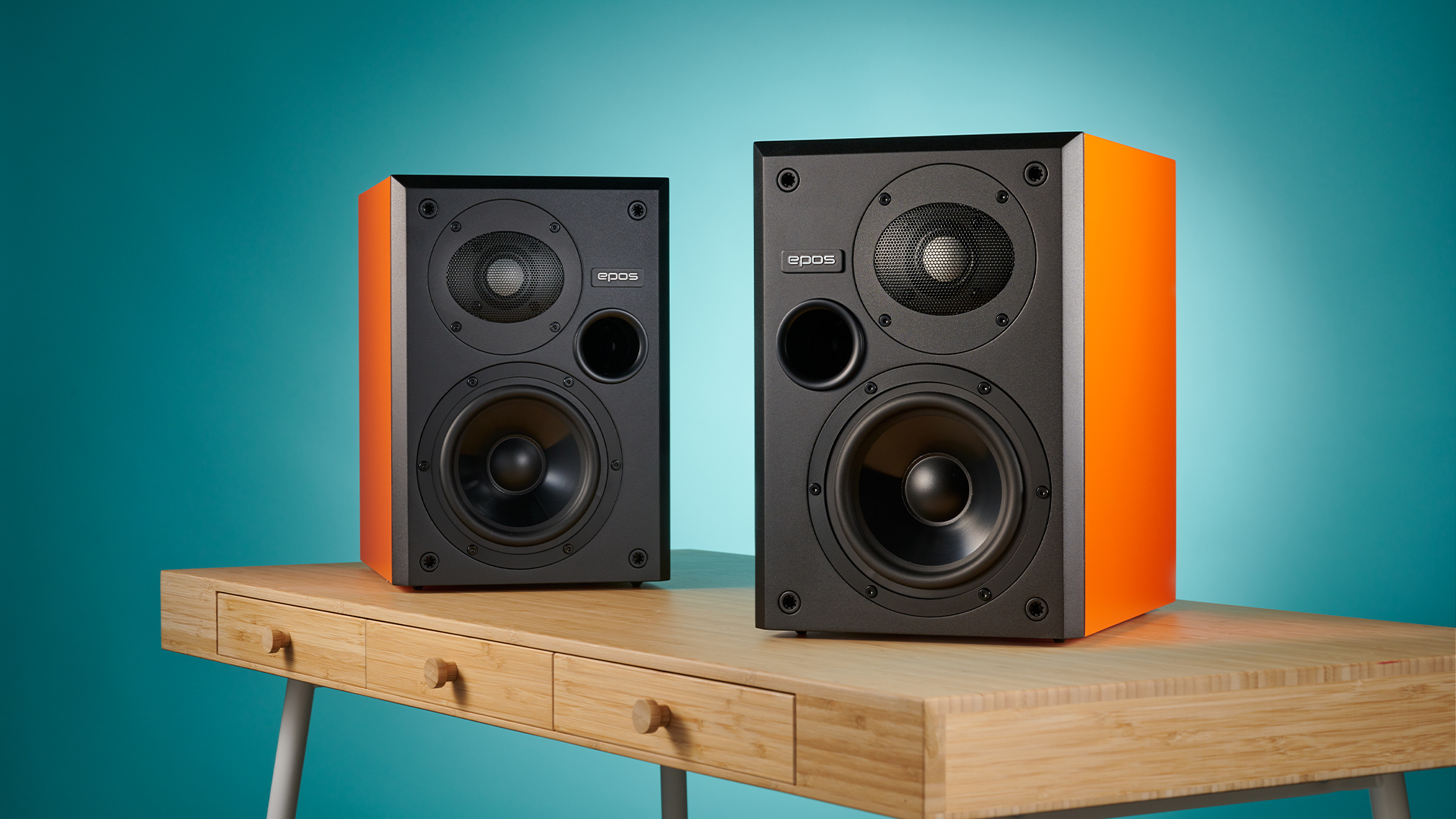
Credit: www.whathifi.com
Impact Of Elevation And Angle
Elevation and angle play a big role in how bookshelf speakers sound. Small changes in height or tilt can make music clearer and richer. This affects the way sound waves reach your ears. Proper positioning helps you enjoy every detail in your favorite songs.
Speakers placed too low or flat may lose some sound quality. You might hear less bass or unclear vocals. Adjusting elevation and angle improves the listening experience. It helps balance highs, mids, and lows for better sound.
Raising Speakers To Ear Level
Speakers should be close to your ear height when seated. This placement allows sound to travel directly to you. Raising them reduces sound reflections from surfaces below. Use stands or risers to lift speakers to the right height.
At ear level, music feels more natural and immersive. You catch subtle sounds that may go unnoticed otherwise. This simple step enhances clarity and detail in audio playback.
Tilting For Optimal Sound Projection
Tilt speakers slightly so they aim toward your ears. This directs sound waves more precisely. A small angle helps reduce distortion and echo. It also improves stereo imaging, making soundstage wider and more defined.
Experiment with tilt angles to find the best sound. Avoid pointing speakers straight up or down. Tilting them toward the listening spot creates a better audio experience. This adjustment is easy and highly effective.
Common Mistakes To Avoid
Choosing the right base for bookshelf speakers improves sound quality. Many people make simple mistakes that hurt their listening experience. Avoiding these errors helps your speakers perform their best. Here are common mistakes to watch out for.
Placing Speakers On Glass Or Metal
Glass and metal surfaces reflect sound waves oddly. This reflection causes distortion and harsh sounds. Speakers need solid, non-reflective bases to deliver clear audio. Avoid placing them directly on glass or metal shelves. Use wooden stands or pads to reduce sound reflection and vibration.
Overcrowding Around Speakers
Stuffing too many items near speakers blocks sound waves. Books, decorations, or clutter stop sound from spreading evenly. Keep space around speakers clear for better sound flow. Allow at least a few inches of empty space on all sides. This space lets speakers breathe and perform well.
Credit: moonkeerestaurant.com
Testing And Adjusting Placement
Testing and adjusting the placement of bookshelf speakers is key to getting the best sound. Small changes in position can affect how clear and balanced the audio feels. Taking time to test and tweak your setup helps you enjoy richer sound quality in your space.
Listening Tests For Best Sound
Start by playing different music or audio tracks. Choose songs with clear vocals and strong bass. Sit in your usual listening spot. Notice if the sound feels balanced or if some tones stand out too much.
Try moving the speakers a few inches forward or backward. Listen again. Also, test different heights by placing the speakers on various surfaces. Each change can bring new details or reduce harsh sounds.
Fine-tuning Speaker Position
Adjust the angle of the speakers toward your listening area. Slight inward tilts often improve clarity and focus. Avoid placing speakers directly against walls, as this can cause booming bass.
Use small pads or stands under the speakers to reduce vibrations. This helps create clearer sound and prevents unwanted noise. Keep adjusting until the sound feels natural and comfortable to your ears.
Frequently Asked Questions
What Materials Work Best Under Bookshelf Speakers?
Foam pads, rubber feet, and isolation stands work best. They reduce vibrations and improve sound clarity. These materials also protect surfaces and stabilize speakers for better audio performance.
Can Books Affect Bookshelf Speaker Sound Quality?
Yes, books can absorb sound and reduce reflections. This can soften high frequencies and create a warmer sound. However, too many books may block speaker drivers and muffle audio.
Why Use Speaker Isolation Pads Under Bookshelf Speakers?
Isolation pads reduce vibrations transferring to furniture. This minimizes resonance and distortion, enhancing sound accuracy. They also protect surfaces from scratches and improve speaker stability.
Is It Necessary To Elevate Bookshelf Speakers?
Elevating speakers aligns drivers with ear level for optimal sound. It improves stereo imaging and soundstage depth. Elevation also helps reduce floor reflections and bass muddiness.
Conclusion
Choosing the right base for your bookshelf speakers matters a lot. Soft pads reduce vibrations and keep sound clear. Solid stands lift speakers to ear level for better listening. Avoid placing speakers directly on hard surfaces to stop unwanted noise.
Experiment with foam, rubber, or cork to find what works best. Small changes can improve your audio experience significantly. Enjoy richer, cleaner sound with simple speaker placement tips. Your ears will thank you.
