Have you ever wished your favorite books could be closer to you while you relax? Imagine a piece of furniture that not only holds your books but also lets you sit comfortably and enjoy them.
Building a bookshelf chair is the perfect way to combine storage and comfort in one unique creation. In this guide, you’ll discover simple, step-by-step instructions that make this project easy, even if you’re new to woodworking. Ready to transform your reading space and impress your friends?
Keep reading, and you’ll have your own custom bookshelf chair in no time.

Credit: arbetarcentrum.nu
Materials And Tools
Gathering the right materials and tools is the first step to build a sturdy bookshelf chair. Choosing quality wood and having proper tools ensures smooth work and a strong final product. Below are the essentials needed to start your project.
Wood Selection
Select hardwood like oak, maple, or birch for durability. These woods support weight and resist wear over time. Pine is a softer, budget-friendly option but less durable. Choose wood boards that are straight and free from cracks. The thickness should be at least 3/4 inch for strength. Good wood makes your chair safe and long-lasting.
Required Tools
Basic woodworking tools help build your bookshelf chair with ease. A saw is necessary to cut wood into pieces. Use a cordless drill for making holes and driving screws. Sandpaper or an electric sander smooths rough edges. A measuring tape and pencil help mark accurate cuts. Clamps hold wood parts together while gluing or screwing.
Additional Supplies
Besides wood and tools, gather screws or wood nails to join parts. Wood glue adds extra strength to joints. Finish materials like paint, stain, or sealant protect wood and improve looks. Safety gear such as goggles and gloves keeps you safe during work. Have all supplies ready before starting to avoid delays.
Design Planning
Design planning is the first step to create a bookshelf chair. It helps you organize your ideas and ensures the final piece fits your needs. Careful planning saves time and materials. It also makes the project more enjoyable and less stressful.
Measuring Your Space
Start by measuring the area where you want the bookshelf chair. Use a tape measure to get the width, height, and depth. Write down these numbers clearly. Consider any nearby furniture or walls that might limit space. Good measurements help you avoid mistakes later.
Sketching The Layout
Draw a simple sketch of your bookshelf chair design. Show where the seat, backrest, and shelves will go. Use a ruler to keep lines straight. Label each part with its size. This sketch acts as a guide during building. It helps you see how everything fits together.
Choosing The Style
Decide on the look of your bookshelf chair. Do you want it modern, rustic, or classic? Choose a style that matches your room’s decor. Think about the materials and colors you like. Pick a style that is easy to build and suits your skills. This step makes your project personal and unique.
Cutting And Preparing Wood
Cutting and preparing wood is the first important step in building a bookshelf chair. It sets the foundation for the entire project. Careful measurement and precise cutting create strong, neat pieces. Proper sanding ensures smooth surfaces that look good and feel comfortable.
Taking time to prepare wood well makes assembly easier. It also improves the final product’s durability and appearance. Follow these steps to get your wood ready for building.
Marking Measurements
Start by measuring the wood pieces carefully. Use a tape measure and pencil for accuracy. Mark every cut line clearly on the wood surface. Double-check your measurements to avoid mistakes. Marking helps guide your cuts and keeps all parts correct.
Cutting Techniques
Use a saw suited for the type of wood you have. A handsaw or circular saw works well for most cuts. Cut slowly along the marked lines for straight edges. Keep your hands steady and follow safety rules. Clean cuts make assembly easier and the chair stronger.
Sanding For Smoothness
Sand each wood piece after cutting. Use medium-grit sandpaper to remove rough edges. Then, use fine-grit sandpaper for a smooth finish. Sand all surfaces that will show or touch skin. Smooth wood prevents splinters and gives a better look.

Credit: www.homecrux.com
Assembling The Bookshelf Frame
Assembling the bookshelf frame is the first step to create a sturdy and functional bookshelf chair. This part sets the foundation for the entire project. Take your time to ensure each piece fits well and is secure.
Start with the base and build up from there. Every joint should be tight and stable to hold weight safely.
Building The Base
Begin by cutting the base pieces to the right size. Use strong wood like pine or oak for durability. Lay out the base frame flat on a clean surface. Join the pieces using wood screws or nails. Make sure the corners are square. Check the base for stability before moving on.
Constructing Shelves
Cut the shelves according to your design measurements. Sand the edges smooth to avoid splinters. Position each shelf evenly along the frame. Attach the shelves with screws or brackets for extra support. Confirm each shelf is level and steady. Leave space for books and seating comfortably.
Attaching Side Panels
Side panels add strength and style to your bookshelf chair. Cut the panels to match the height and depth of the frame. Secure them firmly to the sides using screws. Use clamps to hold panels in place while you work. Double-check alignment to keep the frame square. The panels help prevent wobbling and add a finished look.
Building The Chair Section
Building the chair section is a key part of your bookshelf chair project. This step shapes the comfort and style of your chair. You need to focus on strong, stable parts that fit well together. Follow each step carefully to create a chair that looks good and feels sturdy.
Start with the seat, move on to the backrest, then add support beams. Each part must fit perfectly for safety and comfort.
Creating The Seat
Cut a wooden board to the size of your seat. Sand the edges smooth to avoid splinters. Attach wooden slats or a solid piece for the seat base. Use screws or nails to fix it firmly. Check that the seat is level and stable before moving on.
Adding The Backrest
Choose a board tall enough for back support. Attach it at a slight angle for comfort. Secure it to the seat using strong screws. Make sure it is straight and tight. This part will help you sit comfortably for long periods.
Securing Support Beams
Support beams strengthen the chair and prevent wobbling. Place beams under the seat and between the backrest and seat. Use screws to fix them tightly in place. Test the chair’s strength by pressing gently on different parts. Add extra beams if needed for more support.
Finishing Touches
Finishing touches give your bookshelf chair a polished and personal look. These final steps protect the wood and make your chair comfortable. Small details can change the entire feel of your project.
Painting Or Staining
Choose paint or stain to match your room’s style. Paint offers bright colors and covers imperfections. Stain shows the wood grain and looks natural. Apply thin, even coats and let each dry fully. Use a brush or cloth for smooth application.
Applying Protective Coating
Protective coatings keep your chair safe from scratches and spills. Use clear varnish, polyurethane, or wax. These layers add shine and durability. Apply two or three coats for best protection. Let each coat dry before adding the next.
Adding Cushions And Accessories
Cushions make your bookshelf chair cozy and inviting. Pick cushions that fit the seat size well. Use soft fabrics for comfort and easy cleaning. Add pillows or small throws for extra style. These accessories make your chair a perfect reading spot.
Safety Tips
Building a bookshelf chair is a fun project. Safety must be your top priority. This section covers key tips to keep you safe. Follow these guidelines to avoid accidents and ensure a strong, safe chair.
Using Tools Safely
Always wear safety goggles to protect your eyes. Use gloves to avoid cuts and splinters. Keep tools sharp and clean for better control. Work in a well-lit area to see clearly. Store tools properly when not in use to prevent injuries.
Ensuring Structural Stability
Use strong wood to support weight. Double-check all screws and nails are tight. Test the chair’s strength before use. Avoid overloading the bookshelf section with heavy items. Make sure the chair sits evenly on the floor.
Childproofing The Chair
Sand all edges to remove sharp corners. Use non-toxic paint or finish to keep it safe. Avoid small parts that children can swallow. Place the chair away from unstable furniture. Teach children how to use the chair properly.
Maintenance And Care
Taking care of your bookshelf chair is important to keep it looking good and lasting longer. Regular maintenance helps avoid big problems and keeps the wood and structure strong. Simple steps can protect your chair from dust, scratches, and wear over time.
Cleaning The Bookshelf Chair
Dust your chair often with a soft cloth. Use a dry or slightly damp cloth to remove dirt. Avoid harsh chemicals that can damage the wood finish. Clean spills quickly to prevent stains or water marks. For deeper cleaning, use a gentle wood cleaner made for furniture.
Repairing Minor Damages
Fix small scratches with wood filler or a matching marker. Tighten loose screws or bolts to keep the chair stable. Sand down rough edges carefully and apply a fresh coat of varnish or paint. Check joints regularly and glue any parts that become loose. These small repairs stop problems from getting worse.
Extending Longevity
Place your bookshelf chair away from direct sunlight and moisture. Use felt pads under the legs to protect floors and reduce wear. Rotate the books and items on shelves to balance weight evenly. Avoid overloading shelves to prevent bending or breaking. Treat the wood with oil or polish every few months to keep it healthy.
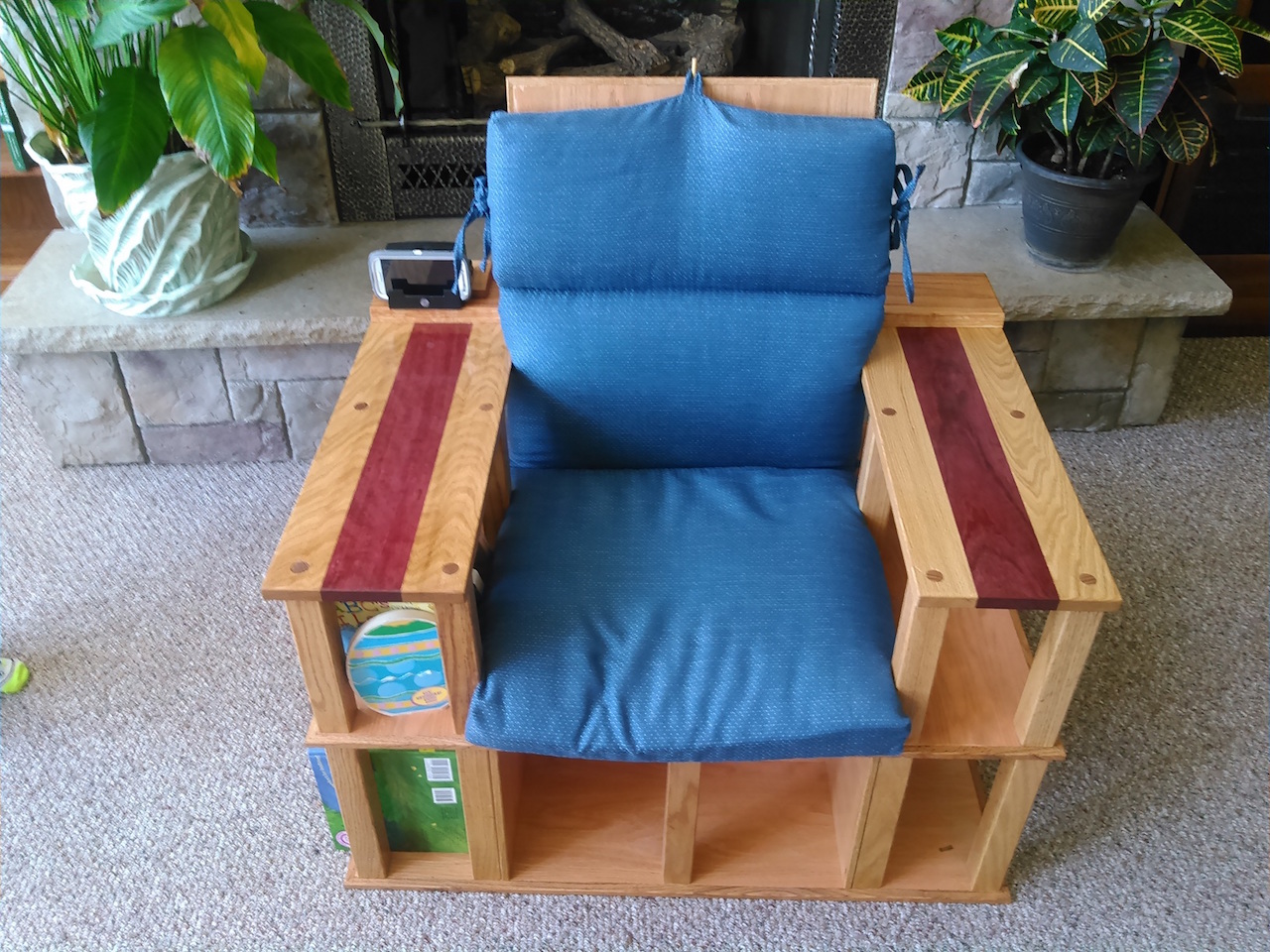
Credit: thewoodwhisperer.com
Frequently Asked Questions
What Materials Are Needed To Build A Bookshelf Chair?
To build a bookshelf chair, you need wood panels, screws, wood glue, sandpaper, paint or stain, and basic tools like a drill and saw. Choose sturdy wood like pine or plywood for durability and smooth finishes for a polished look.
How Long Does It Take To Build A Bookshelf Chair?
Building a bookshelf chair typically takes 4 to 6 hours. This depends on your skill level and the complexity of the design. Allow extra time for sanding, painting, and drying to ensure a professional finish.
Can Beginners Build A Bookshelf Chair Easily?
Yes, beginners can build a bookshelf chair with clear instructions. Start with simple designs and use online tutorials. Basic carpentry skills and patience are key to successfully completing the project.
How Do I Ensure My Bookshelf Chair Is Sturdy?
To ensure sturdiness, use quality wood and strong screws. Reinforce joints with wood glue and cross braces. Check all connections before finishing to avoid wobbling or instability.
Conclusion
Building a bookshelf chair is a fun and useful project. You create a piece that saves space and holds your books. The steps are simple and clear. You only need basic tools and materials. Take your time and follow each step carefully.
Soon, you will have a chair that fits your style. Enjoy reading while sitting comfortably and storing your favorite books nearby. This project adds charm and function to any room. Try it yourself and see the difference it makes.