Are you struggling to find a clear boundary between your studio and living space? Using a bookshelf to separate your studio is a simple and stylish solution that you can easily set up yourself.
Imagine turning a plain shelf into a functional divider that not only creates privacy but also adds storage and personality to your room. You’ll discover practical tips and creative ideas to make your space feel organized and inviting. Keep reading to learn how to transform your studio with just a bookshelf!
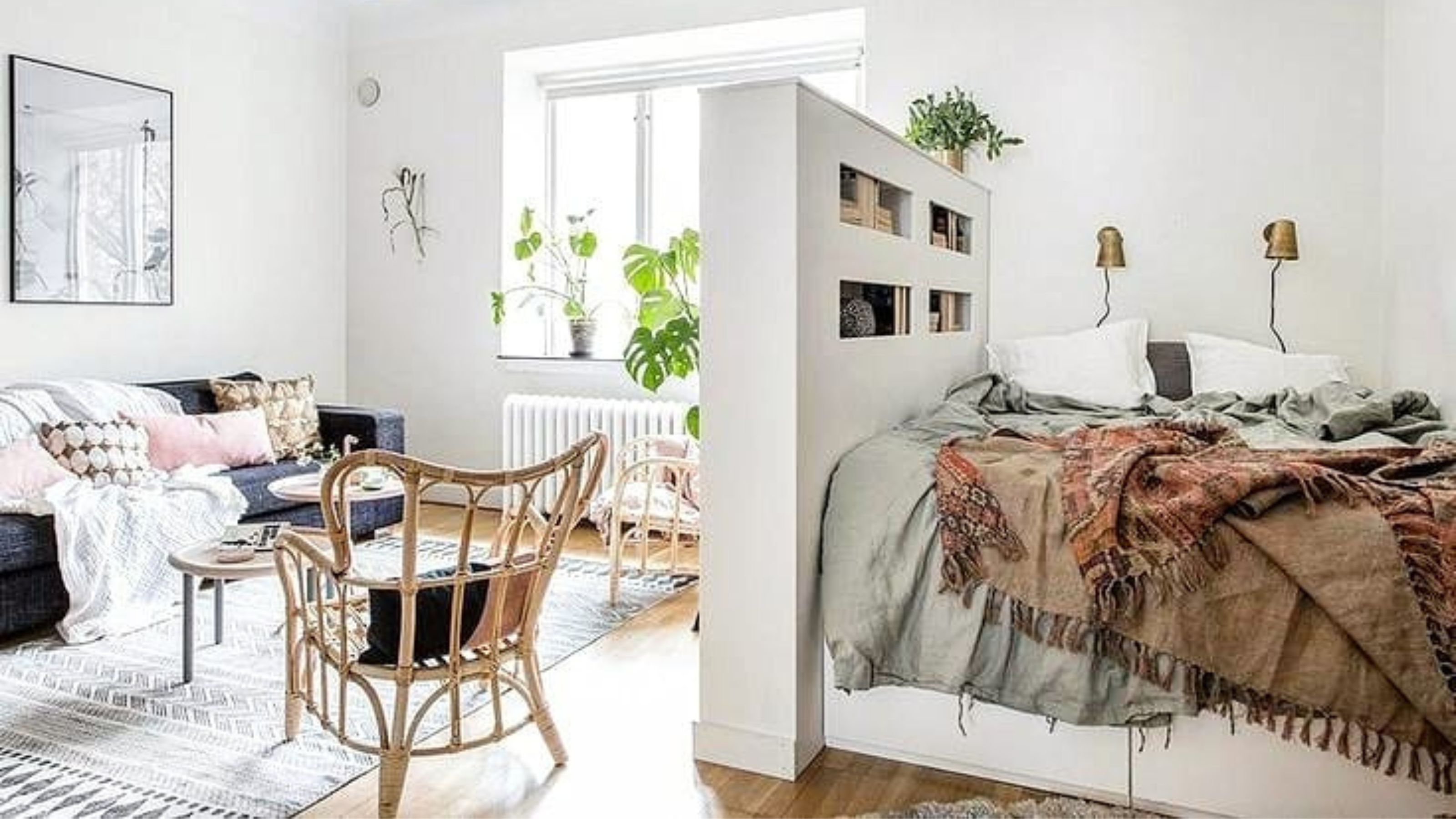
Credit: www.realhomes.com
Benefits Of Bookshelf Room Dividers
Bookshelf room dividers offer many benefits for separating a studio space. They create distinct zones without permanent walls. These dividers provide storage and style in one solution.
Using a bookshelf as a room divider is smart for small areas. It helps organize items while defining different parts of the room. This clever approach improves both function and look.
Maximizing Space Efficiency
Bookshelf dividers use vertical space well. They hold books, decor, and essentials neatly. This keeps the floor clear and the room tidy. You gain storage and separation at the same time.
Enhancing Privacy
These dividers block sightlines between areas. They create private spots for work or rest. Privacy helps focus and relax without distractions. Open shelves can balance openness and seclusion.
Adding Aesthetic Appeal
Bookshelves add character to any studio. They show off books and personal items. This makes the space feel cozy and lived-in. Choose colors and styles that match your decor.
Choosing The Right Bookshelf
Choosing the right bookshelf is key to separate your studio space effectively. It creates a barrier and adds style at the same time. Picking a bookshelf that fits your room and needs helps keep things neat and organized.
Size And Dimensions
Measure your studio area before buying a bookshelf. The shelf should fit the space without crowding it. Tall shelves save floor space but might block light. Short shelves keep the room open but offer less storage. Choose a size that balances space and storage.
Material And Style
Bookshelves come in wood, metal, or plastic. Wood looks warm and classic. Metal is strong and modern. Plastic is light and budget-friendly. Match the bookshelf style to your studio’s decor. A good style choice makes the room feel connected.
Open Vs Closed Shelves
Open shelves show off your books and items. They make the space feel airy and open. Closed shelves hide clutter and protect items from dust. Glass doors offer both visibility and protection. Choose based on your need to display or hide things.
Creative Layout Ideas
Creative layout ideas can transform a simple bookshelf into a functional studio divider. These ideas help save space and add style to your room. The right arrangement creates zones without closing off the studio. Bookshelves can separate areas while keeping the space open and airy.
Floating Bookshelves As Dividers
Floating bookshelves attach directly to the wall. They do not take up floor space. Use them to create a partial barrier between areas. Place shelves at different heights for a dynamic look. This style keeps the room light and open. You can display books, plants, and decor on these shelves.
L-shaped Arrangements
An L-shaped bookshelf fits well in corners. It forms a natural divider between spaces. This layout maximizes room usage and storage. Books and other items can be stored on both sides. It helps define the studio without building walls. Use low or medium-height shelves for a balanced feel.
Using Corner Units
Corner bookshelf units fit snugly into corners. They use space that often goes wasted. These units create separation in small studios. Corner shelves provide storage and a visual boundary. They support books, files, and decorative pieces. This option keeps the room organized and tidy.

Credit: www.digsdigs.com
Multi-functional Bookshelf Designs
Multi-functional bookshelf designs help you do more with less space. They create clear boundaries in your studio while adding extra uses. These bookshelves go beyond just holding books. They blend storage, work areas, and decor into one smart piece. This makes your studio feel organized and stylish at the same time.
Choosing a multi-functional bookshelf means you get practical solutions for small spaces. It helps keep your studio neat without clutter. Let’s explore some ideas for these smart bookshelf designs.
Incorporating Storage And Display
Bookshelves can store much more than books. Use baskets or boxes on lower shelves for hidden storage. Open shelves on top display art, photos, and collectibles. This mix keeps things tidy but still shows your personality.
Adjustable shelves let you fit items of different sizes. This makes the bookshelf flexible for changing needs. Storage and display together keep the space useful and attractive.
Combining Shelves With Desks
Bookshelves with built-in desks save space and boost productivity. This setup gives you a work area surrounded by books and supplies. It keeps essentials close and reduces distractions.
Choose a design with a fold-down desk for extra room when needed. Or pick a bookshelf with a pull-out surface. These features make your studio more functional and neat.
Adding Seating Or Planters
Some bookshelves include seating areas or places for plants. A bench with storage below offers a cozy spot to sit. It makes your studio more welcoming and practical.
Planters built into the shelves add greenery and fresh air. Plants brighten the room and improve mood. Combining seating or plants with shelves creates a warm, inviting space.
Installation Tips For Stability And Safety
Installing a bookshelf as a room divider requires careful attention to stability and safety. A secure setup prevents accidents and keeps your space organized. Follow these simple tips to make your bookshelf sturdy and safe.
Anchoring To Walls
Attach the bookshelf to the wall using brackets or straps. This stops the shelf from tipping over. Use a stud finder to locate wall studs for a strong hold. Drill holes and fasten the anchors tightly. This step is crucial for safety.
Securing Shelves Together
If you use multiple bookshelves, connect them with screws or brackets. This links the units, making them more stable. Align the shelves properly before securing. Check that the shelves do not wobble after fastening. This helps the divider stay firm.
Childproofing Measures
Place heavy items on lower shelves to lower the center of gravity. Use corner protectors on sharp edges to prevent injuries. Avoid placing small items that children can swallow. Regularly check that anchors and screws remain tight. These steps create a safer environment for kids.
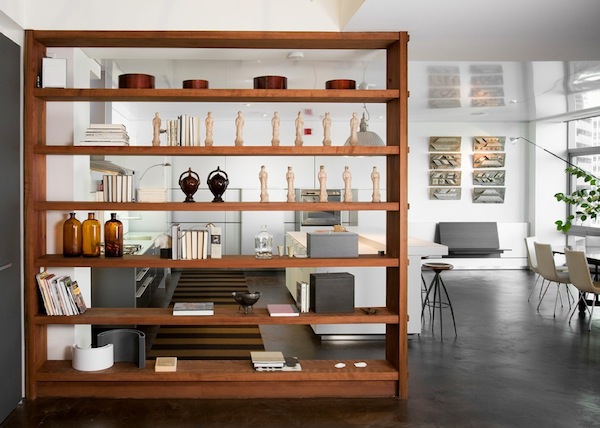
Credit: www.organizeit.blog
Decorating Bookshelf Dividers
Bookshelf dividers do more than separate spaces. They create a unique style in your studio. Decorating these dividers can make your room feel cozy and organized.
Choosing the right items to place on and around dividers helps balance function and beauty. Simple touches can change the whole look.
Balancing Books And Decorative Items
Place books and decorations evenly on each side of the divider. Too many books on one side look heavy and cluttered. Mix books with small plants or art pieces. This keeps the space light and interesting.
Stack some books horizontally to add variety. Use vertical books to keep a clean line. Small sculptures or framed photos add personality without crowding.
Lighting Options
Good lighting highlights your divider and makes the studio warm. Use small LED strip lights under each shelf. These lights are soft and do not take up space.
Clip-on lamps or fairy lights also add charm. Avoid bright overhead lights that create harsh shadows. Soft, warm lights make your studio inviting and calm.
Color Coordination
Match the colors of books and decorations with your studio theme. Choose a few main colors and use them in different shades. This creates harmony and balance.
Neutral colors like white, beige, or gray keep the look simple. Add splashes of color with vases, cushions, or art pieces. Color coordination helps the divider blend with the whole room.
Alternative Space-saving Ideas
Creating separate spaces in a studio can be tricky. Space-saving ideas help keep the area open and functional. These alternatives to traditional bookshelves work well in small studios. They also add style and convenience.
Using Rolling Bookshelves
Rolling bookshelves move easily across the floor. They act as a movable wall to divide the studio. You can push them aside when you want open space. These shelves offer storage and privacy at the same time. Their mobility makes rearranging the room simple and quick.
Incorporating Sliding Panels
Sliding panels slide along tracks to separate areas. They save space because they don’t swing open like doors. Panels can be made from wood, glass, or fabric. Choose panels that match the room’s style and light needs. They provide privacy without blocking light or air flow.
Stackable Storage Units
Stackable storage units rise vertically to save floor space. You can build a divider by stacking shelves or boxes. These units create extra storage for books and decor. They can be rearranged or added to over time. Stackable units offer flexibility and keep the studio tidy.
Frequently Asked Questions
How Can A Bookshelf Separate An Audio Studio Effectively?
A bookshelf can act as a physical barrier to reduce sound travel. It helps absorb and diffuse sound waves. Books and materials on shelves enhance soundproofing. This creates distinct audio zones, improving recording quality and reducing noise interference.
What Materials Work Best For Bookshelf Studio Separation?
Dense materials like hardwood and thick books absorb sound effectively. Adding foam panels or fabric behind books further enhances sound absorption. Using sturdy, well-filled bookshelves provides both sound isolation and aesthetic appeal in your studio space.
Can Bookshelf Placement Impact Studio Sound Quality?
Yes, strategic bookshelf placement controls sound reflections and echo. Position bookshelves near walls or between recording areas to block sound paths. Proper placement improves acoustics and creates clearer sound separation in your studio environment.
Are Bookshelves A Cost-effective Audio Studio Divider?
Bookshelves offer an affordable, multipurpose solution for studio separation. They combine storage with soundproofing benefits, reducing the need for expensive acoustic panels. Using existing furniture creatively saves money while enhancing studio functionality.
Conclusion
Creating a separate studio space with a bookshelf is simple and smart. Bookshelves divide rooms without big changes. They add style and keep things organized. You can choose shelves that fit your room size and needs. This idea saves space and cuts noise.
Try different shelf layouts to find what works best. A bookshelf can turn any area into a cozy, quiet studio. Start small and build your perfect work zone today.
