Are you tired of bulky bookshelves taking up all your space? Imagine having a stylish, folding bookshelf that fits perfectly in any corner and disappears when you don’t need it.
Building your own folding bookshelf is easier than you think—and it can save you money while adding a unique touch to your room. In this guide, you’ll discover simple steps to create a practical and beautiful bookshelf that adapts to your needs.
Ready to transform your space and showcase your favorite books like never before? Let’s get started!
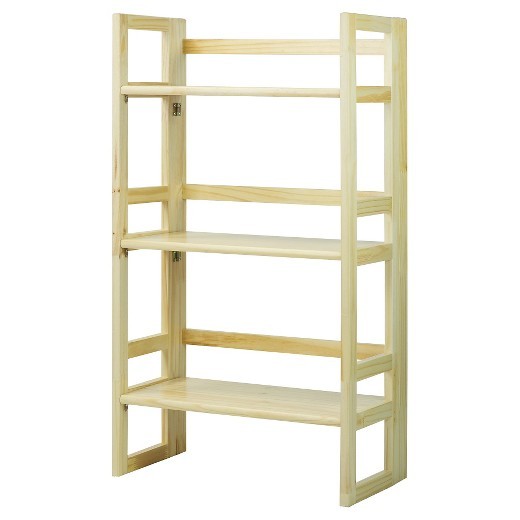
Credit: community.carbide3d.com
Materials And Tools Needed
Designing your folding bookshelf requires clear planning and smart choices. It starts with understanding the space and the function you want. A well-designed bookshelf fits perfectly and folds easily. Style matters too. It should match your room and personal taste. Each step of design shapes the final product.
Determining Size And Dimensions
Measure the area where you want the bookshelf. Check height, width, and depth carefully. Think about the books or items you will store. Decide how many shelves you need. Leave some extra space for folding. Keep the size practical for easy movement.
Selecting A Folding Mechanism
Choose a folding mechanism that is simple and strong. Common types include hinges and sliding parts. Hinges are easy to install and use. Sliding parts may need more skill but save space. Test the mechanism before finalizing your design. It should fold smoothly without much effort.
Incorporating Style Elements
Pick a style that fits your room’s look. Wood gives a warm, classic feel. Metal works well for modern designs. Paint or stain can add color and protect the wood. Consider open shelves or closed panels for different looks. Small details like handles or trim add character.
Designing Your Folding Bookshelf
Cutting and preparing wood pieces is a key step in building a folding bookshelf. It sets the stage for a strong and neat final product. Taking care during this step saves time and effort later.
Accurate measurements and clean cuts are essential. Rough edges can cause problems in assembly and affect the look of the shelf. Smooth and well-prepared wood pieces make the building process easier and more enjoyable.
Measuring And Marking
Start by measuring each wood piece carefully. Use a tape measure to get exact lengths. Mark the cutting lines clearly with a pencil or marker.
Double-check measurements before cutting. Mark on the face side to avoid visible errors. Use a square tool to keep lines straight and angles right.
Safe Cutting Techniques
Always wear safety goggles and gloves. Use a stable work surface and secure the wood with clamps. Choose the right saw for your cuts—hand saws or power saws work well.
Cut slowly and steadily. Follow the marked lines closely. Keep fingers away from the blade. Take breaks if needed to keep focus sharp.
Sanding And Smoothing Edges
After cutting, sand all edges and surfaces. Use medium-grit sandpaper to remove rough spots. Then, switch to fine-grit for a smooth finish.
Pay special attention to corners and edges. Smooth wood prevents splinters and improves the shelf’s look. Wipe dust off with a cloth before assembly.
Cutting And Preparing Wood Pieces
Assembling the bookshelf frame is the first big step in building your folding bookshelf. This step gives the structure its shape and strength. It is important to follow the instructions carefully and use the right tools. Take your time and work on a flat surface to keep everything even.
Start by preparing all the wood pieces. Check for any rough edges and sand them smooth. This helps parts fit together better and prevents splinters. Have your screws, hinges, and drill ready before you begin joining the parts.
Joining The Side Panels
Begin by aligning the two side panels. Use clamps to hold them steady. Insert screws into the pre-drilled holes to connect them securely. Make sure the panels stand straight and do not wobble. Tighten the screws but avoid over-tightening to prevent wood damage.
Attaching Shelves Securely
Place each shelf between the side panels at marked spots. Use a level to check that shelves are even. Fix the shelves with screws through the side panels into the shelf ends. Confirm each shelf is firmly attached and can hold weight without moving.
Installing Folding Hinges
Attach the folding hinges on the joints where the frame folds. Position the hinges evenly for smooth folding. Secure hinges with screws, making sure they are tight. Test the folding motion to ensure the bookshelf folds and unfolds easily. Adjust screws if the motion feels stiff or loose.

Credit: www.youtube.com
Assembling The Bookshelf Frame
Finishing touches bring your folding bookshelf to life. They protect the wood and add style. These steps make your project durable and beautiful. Let’s explore how to finish your bookshelf perfectly.
Applying Paint Or Stain
Choose paint or stain based on your room’s style. Paint offers bright, solid colors. Stain shows the wood’s natural grain. Use a brush or cloth for even coverage. Apply thin coats and let each dry well. Light sanding between coats helps smooth the surface. Avoid thick layers that can drip or peel.
Adding Protective Coating
Protective coating guards your bookshelf from scratches and moisture. Polyurethane is a popular choice. It adds a clear, hard finish. Use a clean brush and apply thin layers. Let each coat dry completely. Sand lightly between coats for a smooth feel. This step extends your bookshelf’s life.
Installing Optional Accessories
Accessories improve function and style. Add handles for easy folding and carrying. Small rubber feet protect floors and keep the shelf steady. Hooks or small baskets can hold items. Choose accessories that match your shelf’s look. Attach them securely to avoid damage.
Finishing Touches
Maintaining your folding bookshelf is key to keeping it strong and useful. Simple care helps it last longer and stay safe to use. Regular checks and cleaning can stop small problems from growing.
Regular Cleaning Tips
Dust your folding bookshelf often to keep it looking neat. Use a soft cloth or duster to remove dirt. Avoid wetting the wood too much to prevent damage. Clean corners and hinges carefully to stop dust build-up.
Checking Hinges And Joints
Look at the hinges and joints for any loose parts. Tighten screws if you find them loose. Make sure the folding parts move smoothly without sticking. Check these areas monthly to avoid bigger fixes later.
Repairing Minor Damages
Fix small scratches or dents quickly to keep the shelf nice. Use wood filler or touch-up markers for minor marks. Sand rough edges gently to avoid splinters. Repairing early saves time and keeps the shelf safe.
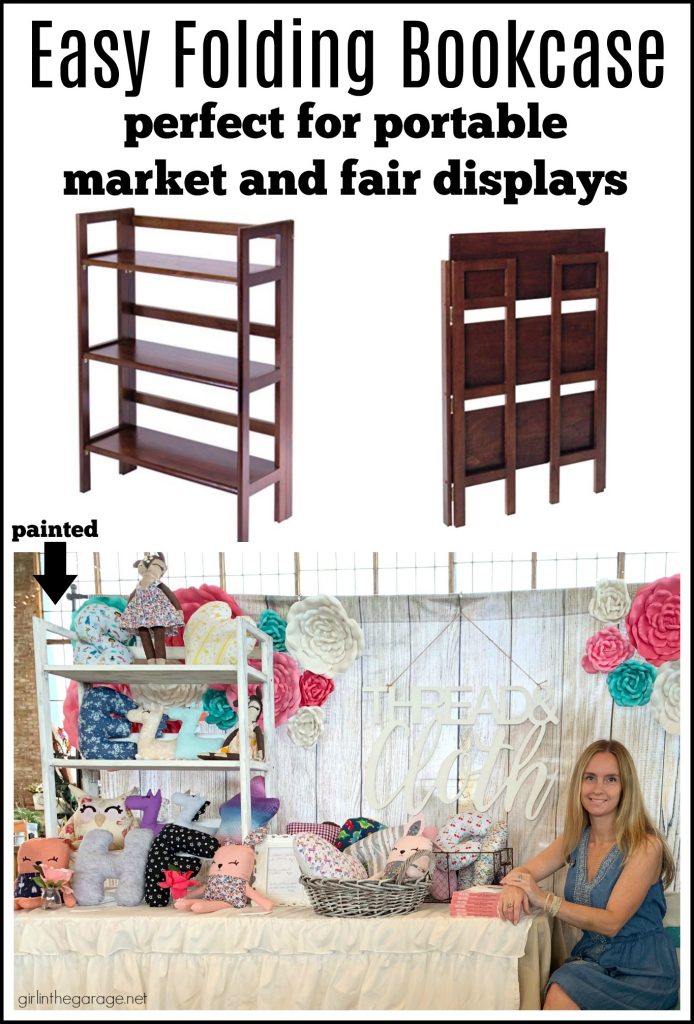
Credit: girlinthegarage.net
Frequently Asked Questions
What Materials Are Needed To Build A Folding Bookshelf?
You need plywood or solid wood, hinges, screws, wood glue, sandpaper, and paint or stain. Quality materials ensure durability and smooth folding.
How Do I Ensure Stability In A Folding Bookshelf?
Use strong hinges and secure screws tightly. Adding support brackets or locking mechanisms improves stability when the shelf is unfolded.
Can I Customize The Size Of My Folding Bookshelf?
Yes, you can adjust dimensions based on your space. Measure carefully and cut wood pieces to fit your desired shelf size.
How Do I Finish A Folding Bookshelf For Durability?
Sand all surfaces smoothly, then apply primer followed by paint or wood stain. Finish with a clear sealant for protection against wear.
Conclusion
Building a folding bookshelf is a simple and useful project. It saves space and looks nice in any room. You only need basic tools and some patience. Follow each step carefully and take your time. This shelf fits small areas and helps keep books tidy.
Try making one yourself to enjoy a handy, foldable storage solution. It feels good to build something with your own hands. Keep practicing and improving your woodworking skills. A folding bookshelf can add charm and function to your home. Give it a go—you might like the result.