Are you ready to create a cozy and fun sleeping space for your little one? Building a toddler bunk bed might sound tricky, but with the right steps, you can make a safe and sturdy bed that your child will love.
Imagine the joy on your toddler’s face having a special spot just for them, plus extra space for play or storage. In this guide, you’ll find simple instructions that anyone can follow—even if you’re not a DIY expert. Keep reading, and you’ll discover how to turn your ideas into a beautiful bunk bed that fits your home and keeps your toddler safe and comfortable.
Choosing The Right Materials
Choosing the right materials is very important for building a toddler bunk bed. The materials affect the bed’s safety, strength, and look. Picking good materials helps make a bed that lasts long and keeps children safe. Always think about safety first, especially with furniture for toddlers.
Selecting Safe Wood Types
Use wood that is strong and free of harmful chemicals. Pine is a common choice. It is soft, easy to work with, and safe for kids. Hardwood like oak or maple is very strong but harder to cut. Avoid woods that release toxins or splinters easily. Sand the wood smooth to prevent scratches and injuries.
Choose wood that is untreated or treated with child-safe finishes. Stay away from plywood or particleboard for the bed frame. These can be weak and may contain glue with harmful fumes. Solid wood is the best option for safety and durability.
Essential Tools Needed
Prepare tools before starting the project. You will need a saw to cut wood to size. A drill helps make holes for screws and bolts. Use a screwdriver or power drill to fasten parts together. Sandpaper or a sander smooths rough edges.
Measure carefully with a tape measure and mark cuts with a pencil. Clamps hold wood steady while working. Safety gear like goggles and gloves protect your eyes and hands. Having the right tools makes the work easier and safer.
Designing The Bunk Bed
Designing a toddler bunk bed needs careful thought. It must fit the room well and be safe for little kids. Proper planning helps create a bed that is both fun and secure.
Start by considering the size and space. Think about the child’s age and how they will use the bed. Safety and comfort come first in every design choice.
Measuring Toddler Bed Dimensions
Measure the room where the bunk bed will go. Note the height, width, and length available. Toddler beds are usually smaller than adult beds.
Standard toddler bed size is about 28 inches by 52 inches. Leave extra space around the bed for ease of movement. Check ceiling height to avoid head bumps on the top bunk.
Measure doorways and staircases for easy bed assembly and placement. Proper dimensions prevent fitting problems later.
Planning For Safety Features
Safety is the top priority when designing a toddler bunk bed. Add guardrails on the top bunk to stop falls. Guardrails should be at least 5 inches above the mattress.
Use smooth edges and rounded corners to prevent injuries. Avoid gaps where a child’s head or limbs could get stuck.
Choose sturdy materials and secure all joints tightly. A well-built frame reduces wobbling and risks of collapse.
Consider a low height for the top bunk to make climbing safer. Install a strong ladder with wide steps and handrails.
Preparing The Workspace
Preparing the workspace is the first step to building a toddler bunk bed. A clean and organized area makes the project easier and safer. It helps you find tools quickly and avoid accidents. Taking time to set up the workspace saves effort later.
Setting Up A Clean Area
Choose a flat, open space with good light. Clear away any clutter or furniture. Sweep the floor to remove dust and dirt. A clean area protects your materials and tools. It also gives you room to move freely.
Make sure the space is dry and well-ventilated. Avoid places with strong winds or moisture. Keep children and pets out of the workspace. This reduces distractions and keeps everyone safe.
Organizing Tools And Materials
Gather all tools before starting. Include screwdrivers, drills, measuring tape, and saws. Arrange them in order of use. Place screws, nails, and bolts in small containers. This keeps parts from getting lost.
Keep heavy tools on a stable surface. Store sharp tools carefully to avoid injuries. Check each tool to ensure it works properly. Proper organization speeds up the building process.

Credit: www.etsy.com
Building The Frame
Building the frame is the first step in making a safe toddler bunk bed. A strong frame holds the bed steady and keeps your child safe. This section guides you through cutting wood pieces and assembling the base and supports.
Take your time here. A well-built frame makes the rest of the project easier.
Cutting Wood Pieces
Start by measuring and marking the wood. Use a tape measure and pencil for accuracy. Cut the wood with a saw, following the marks closely. You need pieces for the bed’s sides, ends, and slats. Sand the edges to avoid splinters. Keep all pieces organized for quick access.
Assembling The Base And Supports
Lay the side and end pieces flat on the floor. Join them with wood screws or bolts for a strong hold. Add support beams under the base for extra strength. Check that the frame is square using a carpenter’s square. Tighten all screws and bolts to prevent wobbling. The base must be sturdy to hold the mattress and child safely.
Adding Safety Rails And Ladder
Adding safety rails and a ladder is essential for a toddler bunk bed. These parts keep your child safe while climbing or sleeping. Proper installation prevents falls and accidents. Focus on sturdy materials and secure fixing for both rails and ladder.
Installing Guardrails
Guardrails stop toddlers from rolling off the bed. Use smooth wood or metal for the rails. The height should be at least 5 inches above the mattress. Fix the rails firmly to the bed frame with screws.
Check that no gaps are wide enough for a child to slip through. Sand all edges to avoid splinters. Test the rails by pushing gently to ensure they stay secure.
Constructing A Sturdy Ladder
The ladder must support your child’s weight safely. Use strong wood pieces cut to size. Attach wide steps evenly spaced for easy climbing.
Secure the ladder to the bed frame with bolts or screws. Position it at a slight angle to prevent slipping. Add non-slip pads on each step for extra safety.
Check the ladder regularly for loose parts. Make sure it does not wobble before letting your child use it.
Finishing Touches
Finishing touches make your toddler bunk bed safe and beautiful. They protect the wood and keep the bed smooth. These steps also ensure the bed lasts long and stays child-friendly. Focus on sanding and applying a safe finish to complete the project.
Sanding And Smoothing Surfaces
Start by sanding all surfaces with fine-grit sandpaper. This removes rough spots and splinters. Pay special attention to edges and corners. Sand in the direction of the wood grain to avoid scratches. Wipe away dust with a clean cloth before moving to the next step.
Applying Non-toxic Paint Or Finish
Choose non-toxic paint or finish safe for children. This protects the wood and adds color or shine. Apply thin, even coats with a brush or roller. Let each coat dry fully before adding another. This keeps the finish smooth and durable. Avoid strong smells to keep the room fresh and safe.
Ensuring Safety Standards
Building a toddler bunk bed can be fun and practical. Safety must be the top priority. Ensuring the bed meets safety standards protects your child from harm. This section covers key points to keep the bed secure and strong.
Checking Stability And Weight Limits
Start by checking the bed’s stability. Make sure all joints fit tightly. Loose parts can cause accidents. Test the bed by gently shaking it. It should not wobble or move.
Know the weight limit of the bunk bed. Each bed has a maximum weight it can hold. Do not exceed this limit. Keep in mind toddlers grow fast. Regularly check the weight to avoid risks.
Tips For Safe Use And Maintenance
Place the bunk bed away from windows and sharp corners. Use guardrails on all sides to prevent falls. Teach your child to climb carefully using the ladder. Avoid letting them jump on the bed.
Regularly inspect the bed for wear and tear. Tighten screws and bolts often. Replace any broken or damaged parts right away. Clean the bed to keep it free of dust and dirt. This helps maintain a safe sleeping space.
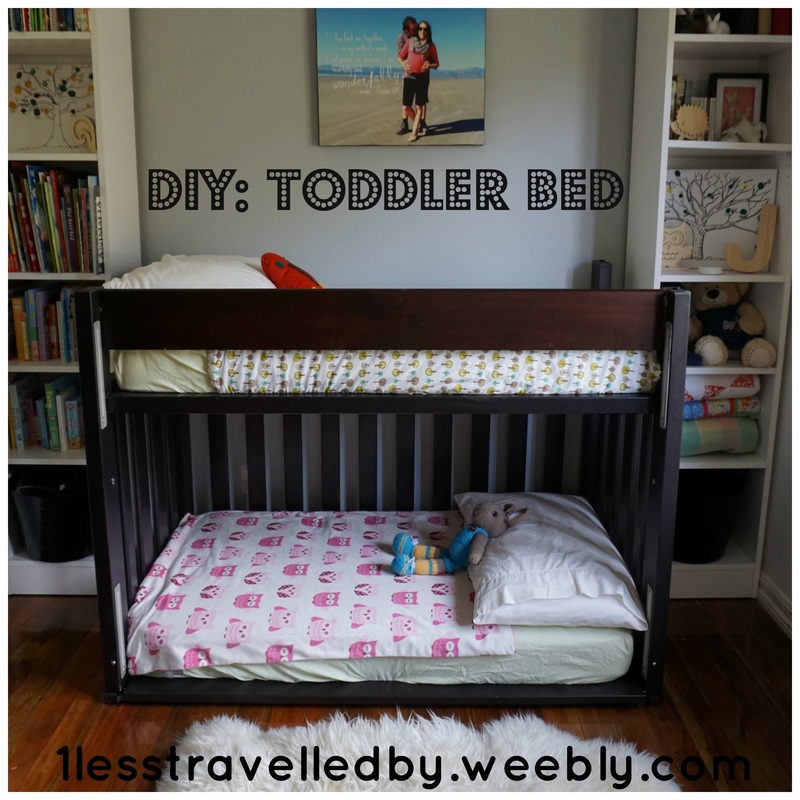
Credit: 1lesstravelledby.weebly.com

Credit: www.youtube.com
Frequently Asked Questions
What Materials Are Needed To Build A Toddler Bunk Bed?
You need sturdy wood, screws, nails, a saw, drill, measuring tape, sandpaper, and non-toxic paint. Quality materials ensure safety and durability for your toddler’s bunk bed.
How Do I Ensure The Bunk Bed Is Safe For Toddlers?
Use guardrails on all sides, secure ladders, avoid sharp edges, and use non-toxic finishes. Regularly check for loose parts to maintain toddler safety.
What Is The Ideal Height For A Toddler Bunk Bed?
Keep the top bunk no higher than 3 feet to prevent falls. Ensure the bottom bunk has enough headroom for comfortable use.
Can I Customize The Toddler Bunk Bed Design?
Yes, customize size, color, and storage options. Tailor the design to fit your child’s room and preferences while keeping safety in mind.
Conclusion
Building a toddler bunk bed can be fun and rewarding. Follow each step carefully for safety and comfort. Use strong materials and check all joints tightly. Add soft bedding and guardrails for extra protection. A well-made bunk bed saves space and creates a cozy sleep spot.
Take your time and enjoy the process. Your child will love their new bed and the space it frees up. Simple tools and patience make the job easier. Happy building!