Are you ready to create a cozy and fun sleeping space for your little one? Building a toddler size bunk bed might sound tricky, but with the right steps, you can make a safe and sturdy bed that your child will love.
Imagine giving your toddler a special place to dream and play, while saving space in the room. In this guide, you’ll discover simple tips and clear instructions to build a bunk bed that fits your needs perfectly. Keep reading, and you’ll soon have the confidence to start this rewarding project yourself.
Choosing The Right Materials
Choosing the right materials is key to building a safe and sturdy toddler size bunk bed. The materials affect the bed’s strength and safety. Selecting good wood, tools, and finishes ensures the bed lasts long and stays child-friendly. This step helps avoid future problems and keeps your toddler safe and happy.
Selecting Safe Wood Types
Choose wood that is strong and smooth. Pine, maple, and birch are good choices. They are sturdy but light enough to work with. Avoid soft or brittle wood that can break easily. Check for wood with no knots or cracks. Sand the wood well to remove rough spots that can hurt little hands.
Gathering Necessary Tools
Use the right tools for a safe build. You will need a saw, drill, measuring tape, and screwdriver. Clamps help hold the wood steady while working. Sandpaper smooths edges for safety. A level ensures the bed is even. Keep all tools clean and sharp for easy use.
Picking Child-friendly Finishes
Choose finishes that are safe for children. Use non-toxic paint or clear sealants. Avoid finishes with strong fumes or chemicals. Look for water-based products labeled safe for kids. Apply thin coats and let them dry fully. This protects the wood and keeps your toddler safe.
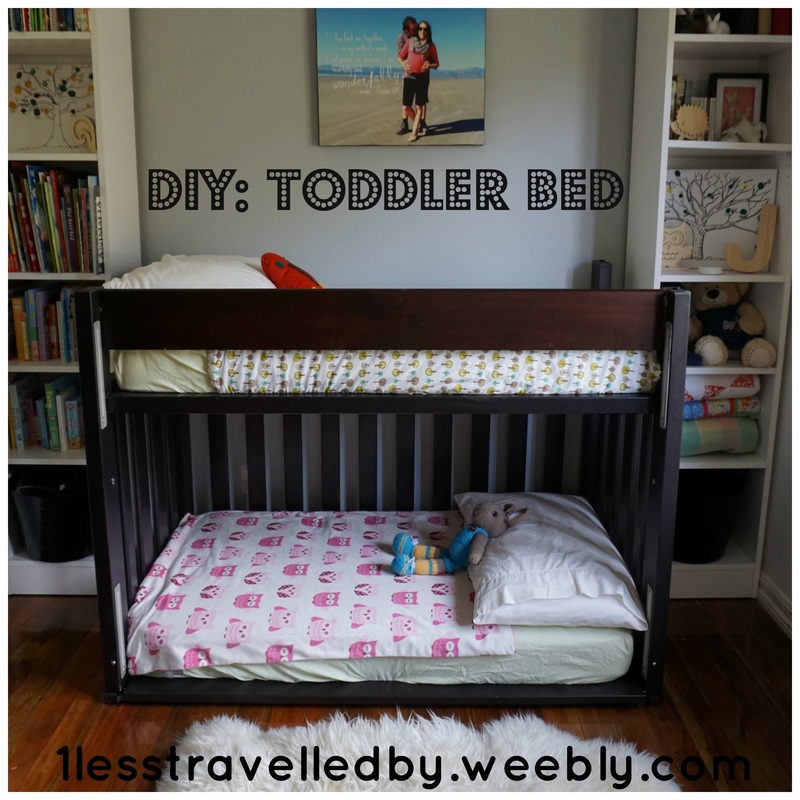
Credit: 1lesstravelledby.weebly.com
Designing The Toddler Bunk Bed
Designing a toddler size bunk bed takes careful thought. It must fit small children comfortably and safely. This step shapes the whole project. Good design makes building easier and the bed more useful. Focus on size, safety, and style before cutting any wood.
Determining Suitable Dimensions
Start by measuring your toddler’s room space. The bed should fit without crowding. Standard toddler beds are about 28 inches wide. The length is usually 52 to 55 inches. For bunk beds, add enough height between levels. Leave at least 30 inches from top to bottom bed. This space helps children sit up safely.
Planning Safety Features
Safety is key in any toddler bunk bed. Add guardrails on the top bunk to stop falls. The rails should be at least 5 inches above the mattress. Use smooth, rounded edges to avoid injuries. Choose sturdy materials that hold weight well. Also, make sure the ladder steps are wide and slip-resistant.
Sketching The Bed Layout
Draw a simple plan of the bunk bed. Show all parts: frame, mattress, rails, and ladder. Label each piece with measurements. Visual plans help spot mistakes early. They guide your cutting and assembling. Keep the design clear and easy to follow. A good sketch saves time and effort later.
Preparing The Workspace
Preparing the workspace is the first step in building a toddler size bunk bed. A clean, organized space helps work go faster and safer. Taking time to set up the area stops mistakes and accidents. Let’s break down how to get ready.
Organizing Tools And Materials
Gather all tools needed for the project. This usually includes a saw, drill, screws, measuring tape, and sandpaper. Place the tools within easy reach. Sort wood pieces and hardware by size and type. Keep everything in one spot to avoid searching later. A tidy setup saves time and frustration.
Setting Up A Safe Work Area
Choose a space with good lighting and ventilation. Clear the floor of any clutter or tripping hazards. Use a sturdy table or workbench to hold materials. Wear safety gear like gloves and goggles. Make sure children and pets stay away from the area. Safety first ensures a smooth building process.
Building The Bed Frame
Building the bed frame is the most important step when making a toddler size bunk bed. It must be strong and safe for children. Take your time to follow each step carefully. Use good materials and measure everything well. A solid frame keeps the bed stable and secure.
Start by preparing all wood pieces before assembling. Accuracy in cutting and fitting makes the process smooth. A well-built frame will last many years and hold the weight safely.
Cutting Wood Pieces Accurately
Measure all wood pieces twice before cutting. Use a tape measure and mark the wood clearly. Cut each piece with a saw, following the marks closely. Straight cuts help the bed parts fit well together. Smooth the edges with sandpaper to avoid splinters. Accurate cuts reduce gaps and improve the bed’s strength.
Assembling The Base And Supports
Start by joining the side rails and end panels. Use screws and wood glue to make strong joints. Attach the base slats evenly to support the mattress. Check that all corners are square and the frame is level. Add vertical supports between the base and top bunk. These supports keep the bed stable and safe. Tighten all screws securely to avoid wobbling.
Constructing Safety Rails And Ladder
Constructing safety rails and a ladder is a key step in building a toddler size bunk bed. These parts keep your child safe while climbing and sleeping. Strong rails stop falls, and a stable ladder makes climbing easy and secure. Focus on sturdy materials and careful fitting. This section shows how to install guardrails and build a safe ladder.
Installing Guardrails
Choose thick wood for guardrails to ensure strength. Cut the rails to fit the bed’s sides perfectly. Attach the rails firmly using screws and brackets. Place the guardrails high enough to stop your child from rolling off. Check all screws to avoid loose parts. Sand the edges smooth to prevent splinters. Test the rails by pressing them to check stability. Solid guardrails give parents peace of mind and kids safe sleep.
Building A Stable Ladder
Use strong wood for the ladder frame and steps. Cut the ladder to a comfortable height for your toddler. Space the steps evenly for easy climbing. Attach the steps securely with screws and wood glue. Fix the ladder tightly to the bed frame for no movement. Add sanding to remove rough spots and sharp edges. Check the ladder’s weight support before use. A steady ladder helps toddlers climb safely every time.
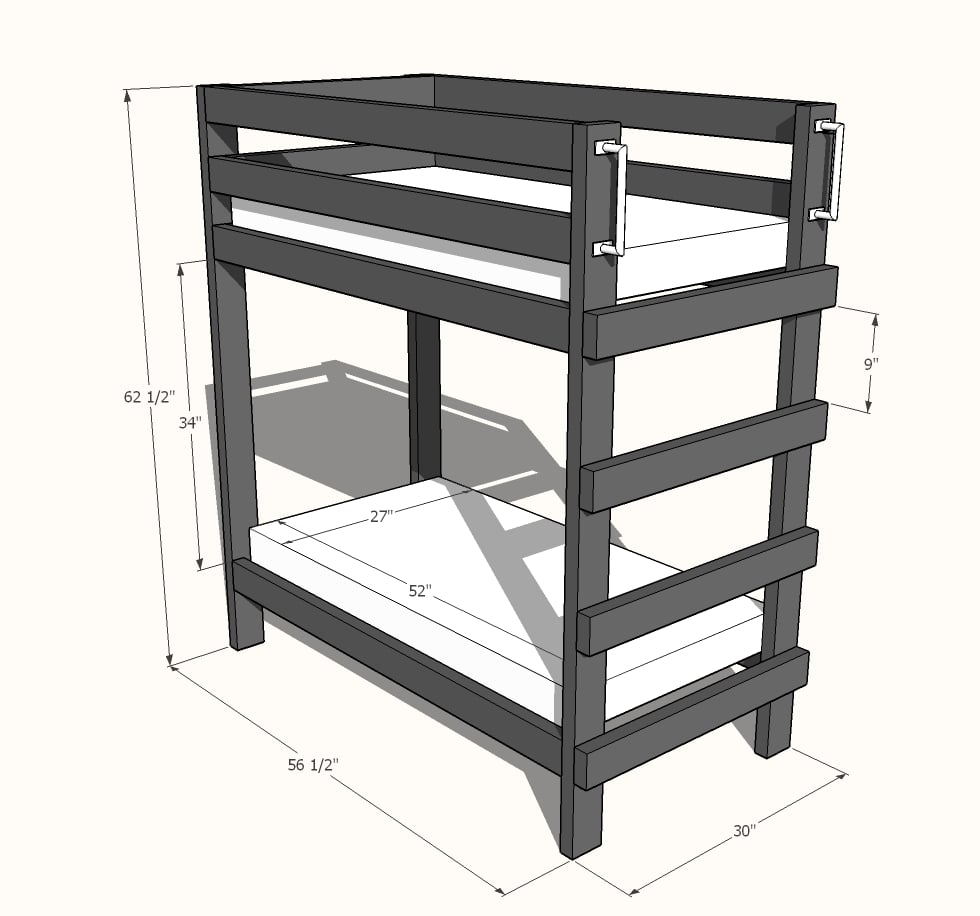
Credit: www.ana-white.com
Sanding And Finishing
Sanding and finishing are key steps in building a toddler size bunk bed. These steps make the wood safe and smooth. They also protect the bed from damage over time. Taking time to do this right helps ensure your child’s safety and comfort.
Proper sanding removes rough spots and splinters. Finishing adds a protective layer that keeps the wood clean and strong. Both steps give the bunk bed a nice look. Your child will enjoy a safe and pretty bed for years.
Smoothing Rough Edges
Start by sanding all wooden surfaces with medium-grit sandpaper. This removes splinters and rough patches. Next, use fine-grit sandpaper for a smooth finish. Sand edges and corners carefully to avoid sharp spots. Check the entire bed for any rough areas. Sand again if needed until the wood feels smooth to touch. This step prevents injuries and makes the bed safe for toddlers.
Applying Non-toxic Paint Or Sealant
Choose non-toxic paint or sealant made for children’s furniture. These products keep the bed safe from harmful chemicals. Apply a thin, even coat with a brush or roller. Let the first coat dry completely before adding another. Two or three coats give better protection and a smooth finish. Allow the final coat to dry fully. This protects the wood from spills and wear. It also makes cleaning easier and keeps the bed looking good longer.
Final Safety Checks
Final safety checks are the last step before your toddler uses the bunk bed. These checks make sure the bed is safe and strong. They help prevent accidents and keep your child secure during sleep. Spend time carefully checking every part of the bed. Safety is the top priority for your child’s comfort and well-being.
Testing Stability
Push the bed gently from all sides. It should not wobble or move easily. Sit on the bed and bounce lightly. The bed must stay firm and not shake. Check the ladder and guardrails for any movement. A stable bed prevents falls and injuries.
Ensuring No Sharp Edges
Run your hands along all surfaces. Feel for rough spots or sharp corners. Sand down any edges that might hurt your child. Smooth surfaces reduce the risk of cuts and scrapes. Pay special attention to corners and joints.
Securing All Components
Check every screw, bolt, and nut. Tighten any loose parts with the right tools. Make sure slats and panels are firmly in place. Loose components can cause the bed to break or collapse. Double-check the ladder and guardrails for tightness too.
Tips For Maintenance And Longevity
Keeping a toddler size bunk bed safe and strong takes effort. Regular care helps prevent problems early. It also makes the bed last longer. This section shares simple tips to keep the bed in great shape. Follow these steps to protect your child and your investment.
Regular Inspection
Check all parts of the bunk bed often. Look for loose screws, bolts, or nails. Tighten anything that feels weak or wobbly. Examine the wood for cracks or splinters. These can cause injuries or damage. Pay close attention to the guardrails and ladder. Make sure they are secure and stable.
Cleaning And Upkeep
Dust and dirt can wear down the bed’s finish. Clean the bed weekly with a soft, dry cloth. Avoid using harsh chemicals or water that can harm the wood. For sticky spots, use a mild soap and damp cloth. Dry the bed fully after cleaning. Keep the bed away from direct sunlight and moisture. These can cause warping and fading over time.

Credit: www.etsy.com
Frequently Asked Questions
What Materials Are Best For Toddler Size Bunk Beds?
Use solid wood like pine or oak for durability and safety. Avoid toxic paints and finishes. Choose smooth edges and sturdy hardware for toddler safety.
How To Ensure Toddler Bunk Bed Safety?
Install guardrails on all sides and secure ladders firmly. Use non-slip steps and avoid gaps where toddlers can get stuck. Check weight limits and avoid top bunks for very young toddlers.
What Are Ideal Dimensions For Toddler Bunk Beds?
A toddler bunk bed typically measures 28” x 52” for each mattress. Ensure enough headroom between beds, usually 30-33 inches, for comfort and safety.
How To Assemble A Toddler Size Bunk Bed Correctly?
Follow manufacturer instructions precisely and use all safety hardware. Tighten all screws and bolts firmly. Double-check stability before use and regularly inspect for wear.
Conclusion
Building a toddler size bunk bed can be a fun and rewarding task. Follow each step carefully to keep the bed safe and sturdy. Use the right tools and materials for the best results. Take your time and double-check measurements.
This project brings joy and saves space in your child’s room. A well-built bunk bed lasts for many years. Enjoy the process and the final product. Your toddler will love their new cozy sleeping spot.