
Are you ready to transform your bathroom with a custom vanity base cabinet? Building your own cabinet might seem tricky, but with the right steps, you can create a sturdy, stylish piece that fits perfectly in your space.
Imagine having a vanity that matches your style and meets your storage needs exactly. In this guide, you’ll discover simple, clear instructions to help you build your vanity base cabinet from start to finish. Keep reading, and soon you’ll have the confidence and know-how to bring your dream bathroom to life.
Planning Your Vanity Base Cabinet
Planning your vanity base cabinet is the first step to a successful build. Careful planning saves time and money. It also ensures the cabinet fits perfectly and meets your needs. This stage involves choosing the right size, selecting materials and tools, and designing the storage layout. Each choice affects the final product.
Choosing The Right Size
Measure the space where the vanity will go. Consider the width, depth, and height. The cabinet should fit without crowding the room. Think about how much counter space you want. Also, leave room for plumbing and fixtures. Use standard sizes if unsure, but customize for your space if possible.
Selecting Materials And Tools
Pick materials that are strong and water-resistant. Plywood and MDF are common choices. Solid wood looks nice but costs more. Choose screws, nails, and glue for sturdy assembly. Prepare tools like a saw, drill, screwdriver, and measuring tape. Have safety gear ready, such as goggles and gloves.
Designing Storage And Layout
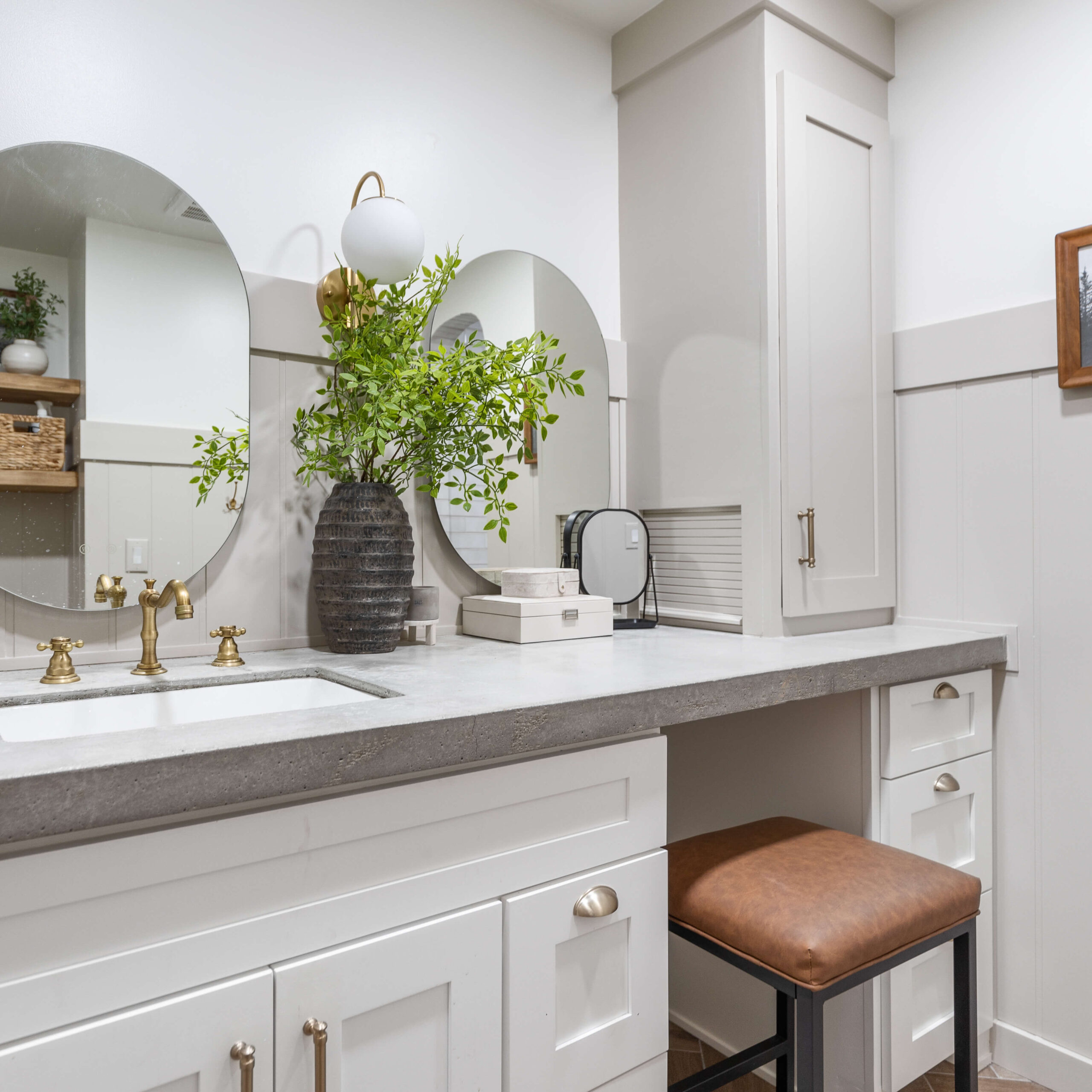
Decide what items the cabinet will hold. Plan shelves, drawers, or open space accordingly. Draw a simple layout to visualize storage options. Keep frequently used items easy to reach. Consider adding dividers or organizers. Good layout improves function and keeps the bathroom tidy.
Credit: crystelmontenegrohome.com
Preparing The Workspace
Preparing the workspace is the first step in building a vanity base cabinet. A clean and organized area makes the project easier and safer. Proper preparation also helps avoid mistakes and delays. Follow these steps to get your workspace ready.
Clearing And Measuring The Area
Start by removing any items from the space where the cabinet will go. Clear the floor and walls of obstacles. Use a tape measure to check the width, height, and depth. Measure twice to ensure accuracy. Knowing the exact space helps the cabinet fit perfectly.
Setting Up Safety Equipment
Safety comes first. Wear safety glasses to protect your eyes from dust and debris. Use gloves to keep your hands safe from sharp tools. Set up a dust mask to avoid breathing in dust. Keep a first aid kit nearby for emergencies. A well-prepared workspace keeps accidents away.
Gathering Supplies
Collect all tools and materials before starting. Common items include a drill, screws, a level, and a saw. Have wood glue and clamps ready for stronger joints. Organize supplies within reach to save time. Being prepared helps the project run smoothly.
Cutting And Assembling The Frame
Cutting and assembling the frame is the first key step in building a vanity base cabinet. It forms the skeleton that holds the entire cabinet together. This process requires careful measuring, precise cutting, and secure joining. Follow these clear steps to create a strong and stable frame.
Measuring And Cutting Wood Pieces
Start by measuring the dimensions of your vanity space. Mark the wood pieces according to the size needed for the cabinet box. Use a tape measure and pencil for accuracy. Cut the wood with a saw, keeping straight and clean edges. Double-check the cuts before moving on to assembly.
Constructing The Cabinet Box
Arrange the cut wood pieces to form the shape of the cabinet box. The sides, bottom, and top should fit tightly together. Align all edges so the frame is square and even. Use clamps to hold the pieces in place during assembly. This step ensures the cabinet will be sturdy and balanced.
Securing Joints And Supports
Secure the joints with wood glue and screws for strong connections. Drill pilot holes to avoid splitting the wood. Add corner braces or support blocks inside the frame for extra strength. Check that all corners are square before tightening the screws completely. This step makes the frame durable and ready for finishing touches.
Adding Shelves And Dividers
Adding shelves and dividers to your vanity base cabinet improves organization and storage. These features help separate items and use space wisely. You can customize the inside to fit your needs.
Simple shelves hold towels, toiletries, or cleaning supplies. Dividers create small sections for bottles, brushes, or makeup. Both make the cabinet neat and easy to use.
Installing Adjustable Shelves
Adjustable shelves give flexibility for different items. Drill holes inside the cabinet walls at regular spaces. Insert shelf pins into the holes to hold the shelf.
Place the shelf on top of the pins. Adjust the height by moving the pins up or down. This way, you can change shelf positions as needed.
Creating Compartments
Use wooden dividers to separate the cabinet space. Measure the cabinet width and cut boards to fit inside. Attach dividers with screws or wood glue.
Arrange compartments to fit your storage needs. Small sections keep items from mixing. Larger compartments hold bulkier objects.
Ensuring Stability
Secure shelves and dividers firmly to avoid wobbling. Use screws or brackets for extra support. Check that shelves sit level and dividers stay in place.
Test stability by gently pressing on shelves. Fix any loose parts before finishing. A stable cabinet lasts longer and holds more weight safely.
Installing Doors And Drawers
Installing doors and drawers is a key step in building a vanity base cabinet. This part gives your cabinet a finished look. It also makes the cabinet functional by providing storage space. Proper installation ensures smooth operation and durability. Follow clear steps for best results.
Hanging Cabinet Doors
Start by attaching the hinges to the doors. Use a drill to secure screws tightly. Next, align the doors with the cabinet frame. Check for even spacing on all sides. Adjust the hinges to make the doors level. Test by opening and closing the doors. Make small tweaks for smooth movement.
Fitting Drawer Boxes
Slide the drawer boxes into the cabinet slots. Ensure they fit snugly without forcing. Check the drawer glides or runners for proper alignment. Adjust if the drawers stick or wobble. Open and close each drawer several times. Confirm they move smoothly and sit flush when closed.
Attaching Handles And Hardware
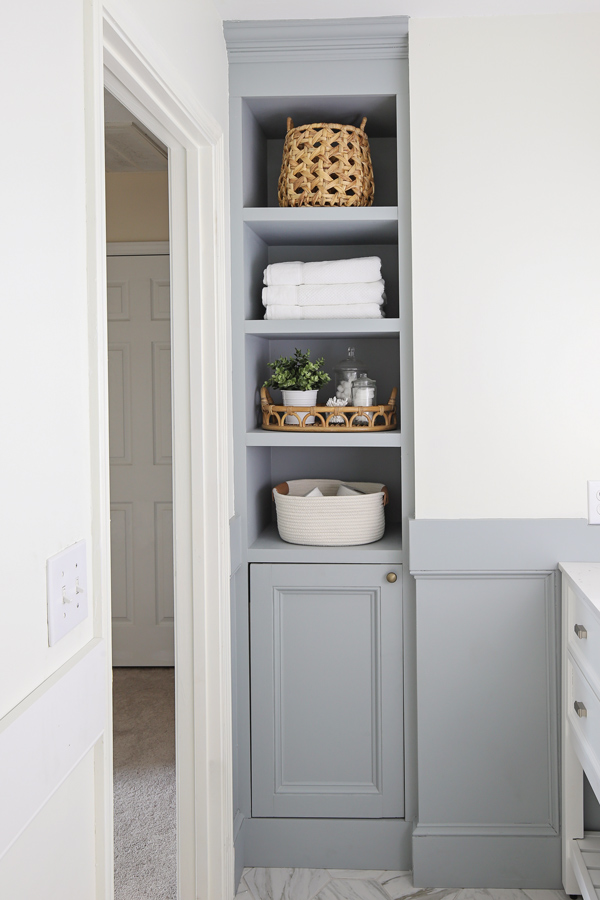
Mark the spots for handles or knobs on doors and drawers. Use a ruler for precise placement. Drill holes carefully to avoid splitting the wood. Attach handles with screws from inside the cabinet. Tighten screws firmly but avoid over-tightening. Test all hardware to confirm secure fit and ease of use.
Credit: angelamariemade.com
Finishing Touches
Finishing touches make your vanity base cabinet look great and last longer. These steps prepare your cabinet for everyday use. Smooth surfaces, a nice color, and strong protection matter. Follow these simple steps to complete your project.
Sanding And Smoothing Surfaces
Start by sanding all surfaces with fine-grit sandpaper. This removes rough spots and old paint drips. Sand evenly to create a smooth finish. Wipe off dust with a clean cloth. Smooth surfaces help paint or stain stick better. Take your time here for the best result.
Applying Paint Or Stain
Choose paint or stain based on your style. Use a brush or roller for even coverage. Apply thin coats and let each dry fully. Two or three coats give better color and protection. Paint hides wood grain; stain shows it. Match the color to your bathroom decor for a fresh look.
Sealing For Durability
Seal your cabinet to protect against water and wear. Use a clear polyurethane or varnish. Apply it with a clean brush in thin layers. Let each coat dry before adding the next. Sealing keeps the finish strong and easy to clean. It extends your cabinet’s life in a damp bathroom.
Tips For Maintenance And Longevity
Keeping your vanity base cabinet in good shape is important. It helps the cabinet last longer and look better. Simple care steps make a big difference. Follow these tips to maintain your cabinet well.
Regular Cleaning Practices
Clean the cabinet often with a soft cloth. Use mild soap and warm water to wipe surfaces. Avoid harsh chemicals that can damage the finish. Dry the cabinet after cleaning to stop water damage. Dust the cabinet weekly to keep it neat.
Repairing Minor Damages
Fix small scratches or dents quickly. Use wood filler or touch-up markers that match the cabinet color. Tighten loose screws and hinges to keep doors working well. Check for signs of water damage and treat them early. Small repairs stop bigger problems later.
Upgrading Features Over Time
Add new handles or knobs to refresh the cabinet look. Replace old hinges with soft-close ones for smooth use. Install organizers inside drawers to improve storage. Upgrade lighting around the vanity for better use. These changes keep your cabinet useful and stylish.

Credit: www.youtube.com
Frequently Asked Questions
What Materials Are Needed To Build A Vanity Base Cabinet?
You need plywood or MDF for the frame, screws, wood glue, a saw, drill, and sandpaper. Optional items include paint or stain for finishing and cabinet hardware like handles or knobs.
How Do I Measure Space For A Vanity Base Cabinet?
Measure the width, depth, and height of the available bathroom space. Account for plumbing clearance and ensure the cabinet fits comfortably without blocking doors or fixtures.
What Tools Are Essential For Building A Vanity Base Cabinet?
Essential tools include a circular saw, drill, screwdriver, measuring tape, level, clamps, and sander. These tools help you cut, assemble, and finish the cabinet accurately.
How Do I Ensure The Cabinet Is Level And Stable?
Use a level during assembly and installation. Adjust with shims if the floor is uneven. Secure the cabinet firmly to the wall studs for stability.
Conclusion
Building a vanity base cabinet is easier than it seems. Follow each step carefully and take your time. Use the right tools and measure twice before cutting. Your new cabinet will add style and storage to your space. Enjoy the satisfaction of creating something useful and beautiful.
Keep practicing to improve your skills for future projects. Simple projects like this make home improvement rewarding and fun.


