Are you ready to take apart your bunk bed but don’t know where to start? Dismantling a bunk bed might seem tricky, but with the right steps, you can do it quickly and safely.
Whether you’re moving, rearranging your room, or just need some extra space, this guide will make the process simple. Keep reading, and you’ll discover easy tips that save you time, avoid damage, and make reassembly a breeze later on. Let’s get your bunk bed down without the hassle!
Prepare The Workspace
Preparing the workspace is a key step before dismantling a bunk bed. A good setup helps avoid damage and keeps the process smooth. Clear space and the right tools make the job easier and safer.
Clear Surrounding Area
Remove all items near the bunk bed. Move toys, furniture, and rugs away. This gives enough room to work freely. It also prevents accidents and broken things. A clear area lets you place parts safely as you take them down.
Gather Necessary Tools
Collect all tools needed to take apart the bed. Common tools include screwdrivers, wrenches, and Allen keys. Check the bed’s manual for specific tools. Having everything ready saves time and stops frustration. Keep tools within reach to work without interruption.
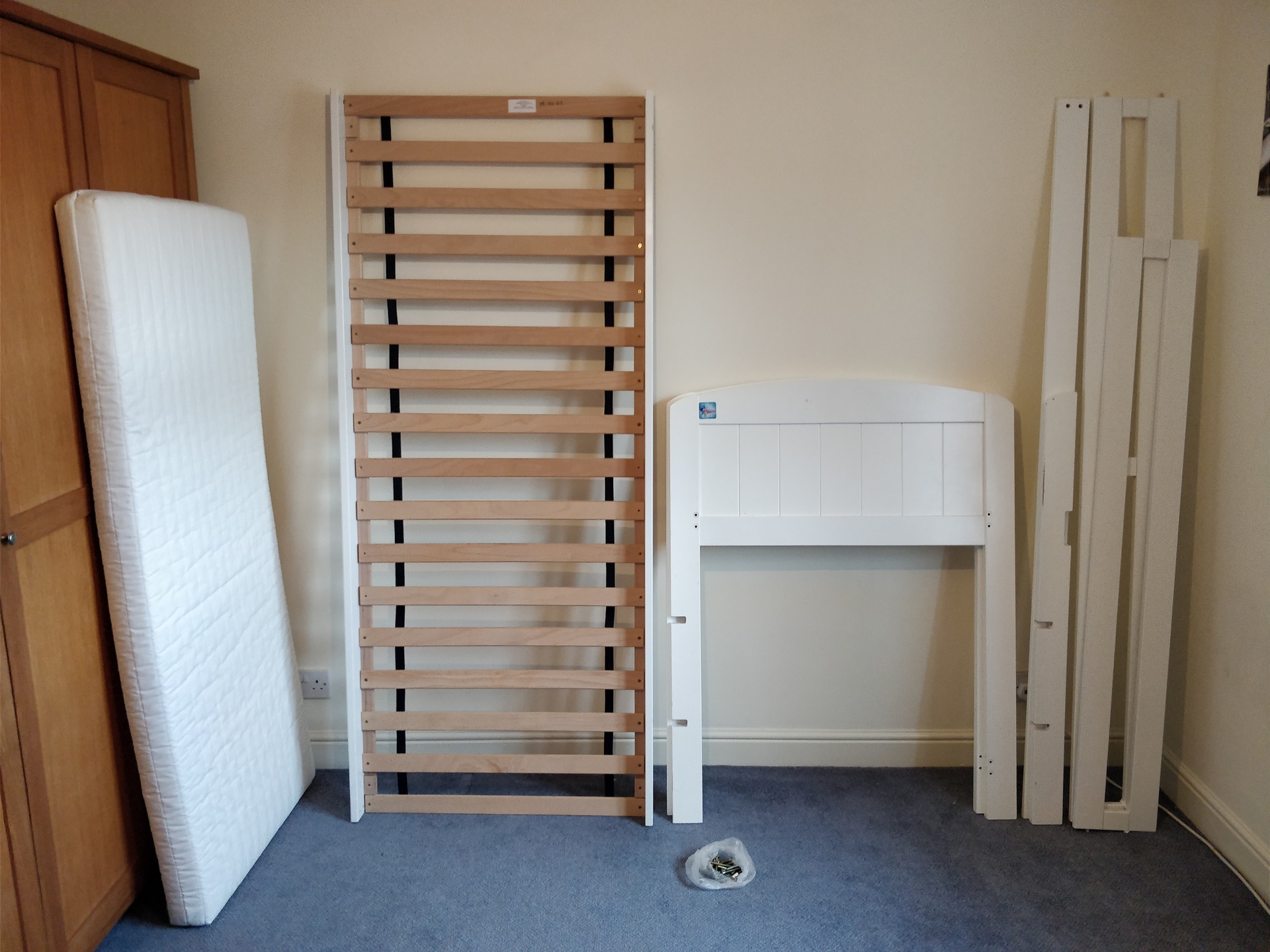
Credit: removalsandstoragex.com
Remove Bedding And Accessories
Removing bedding and accessories is the first step in dismantling a bunk bed. It makes the bed lighter and easier to handle. Clear the top and bottom bunks carefully. Organize the items for later use or cleaning. This step helps prevent damage to the bed and bedding.
Take Off Mattresses
Lift the mattresses off the bunk bed frame. Place them flat on the floor or a clean surface. Avoid folding or bending the mattresses to keep their shape. Set the mattresses aside safely to avoid dirt or damage.
Remove Pillows And Linens
Gather all pillows, blankets, and sheets from both bunks. Fold the linens neatly and put them in a laundry basket or bag. Keep pillows in a clean spot to prevent dust. Removing these items clears the bed for easy dismantling.
Detach Safety Rails And Accessories
Locate the safety rails attached to the top bunk. Use tools if needed to unscrew or unclip the rails carefully. Remove any ladders, hooks, or shelves connected to the bed frame. Keep small parts in a container to avoid losing them.
Disassemble Upper Bunk
Taking apart the upper bunk requires care and order. Start by removing smaller parts. This makes the bigger pieces easier to handle. Work patiently and keep track of screws and bolts. Organize parts to avoid confusion later.
Detach Ladder
Begin with the ladder. It usually attaches to the side of the bunk. Find the screws or bolts holding it in place. Use the right screwdriver or wrench to loosen them. Keep the hardware safe for reassembly. Gently pull the ladder away from the frame.
Unscrew Guardrails
Next, focus on the guardrails. These rails keep sleepers safe. Look for screws on the inner side of the rails. Unscrew each one carefully. Hold the rail firmly to avoid dropping it. Set the guardrails aside with their screws.
Remove Upper Frame
The upper frame is the largest part. Locate all screws or bolts connecting it to the lower bunk. Use tools to unscrew them systematically. Lift the frame off slowly, with help if needed. Place it down gently to avoid damage.
Take Apart Lower Bunk
Taking apart the lower bunk is the first step in dismantling a bunk bed. This part is usually heavier and needs careful handling. Start by clearing the mattress and any bedding. This gives you space to work safely.
Follow each step in order. This helps keep the pieces organized and avoids damage. Use proper tools like a screwdriver or an Allen wrench for the job.
Unscrew Side Panels
Locate all screws holding the side panels in place. Use the screwdriver to remove them slowly. Keep the screws in a small container for later use. Remove the panels gently to avoid scratches or dents.
Remove Support Slats
Support slats hold the mattress and frame together. Lift each slat carefully and pull it out from the frame. Some slats might be screwed in, so check before pulling. Store slats flat to prevent warping or damage.
Disassemble Bed Frame
After removing slats, focus on the main frame. Unscrew the bolts connecting the frame pieces. Take apart the frame slowly to keep the parts intact. Label the pieces if needed for easier reassembly or storage.
Handle Hardware And Small Parts
Handling hardware and small parts is a key step in dismantling a bunk bed. These tiny pieces hold the bed together. Losing them can make reassembly hard or impossible. Careful management keeps everything safe and easy to find.
Sorting and labeling parts saves time later. It also prevents frustration. Treat screws, bolts, and nuts with care. Keep them organized and grouped by size and type. This helps when putting the bed back together.
Organize Screws And Bolts
Use small containers or bags to separate screws and bolts. Group similar sizes and types together. This method stops pieces from mixing up. Keep containers labeled for quick access. Count the pieces to ensure none are lost. Store them in a safe place until needed.
Label Components For Reassembly
Mark each part of the bunk bed clearly. Use tags, stickers, or tape to label items. Write simple notes like “left side” or “ladder.” Labeling parts helps remember where each piece fits. It makes rebuilding the bed faster and easier. Keep labels visible and attached until reassembly.
Store And Transport Parts Safely
Storing and transporting bunk bed parts safely is important. It prevents damage and keeps everything organized. Careful packing protects the pieces from scratches and breaks. It also makes reassembly easier and faster. Taking time to secure parts saves effort later.
Wrap Fragile Pieces
Wrap delicate parts like wooden slats and panels with bubble wrap. Use soft cloth or old towels for extra padding. Cover corners and edges carefully to avoid dents. Tape the wrapping securely but avoid sticky tape directly on wood. This protects surfaces during moving and storage.
Use Containers For Small Hardware
Place screws, bolts, and nuts in small containers or bags. Label each container with part names to find them quickly. Use clear plastic boxes or zip-lock bags to keep hardware visible. Group similar items together to prevent loss. This helps keep all small parts safe and easy to access.
Safety Tips During Disassembly
Disassembling a bunk bed requires care and attention to safety. Following simple safety tips helps prevent injuries and damage. Taking precautions ensures a smooth and secure process. Keep these key safety points in mind before and during the disassembly.
Work With A Partner
Having someone to help makes the task easier and safer. A partner can hold parts steady while you unscrew or lift. Heavy pieces need two people to avoid dropping or straining muscles. Teamwork reduces mistakes and speeds up the work.
Avoid Overexertion
Do not try to lift or move heavy parts alone. Take breaks if you feel tired or strained. Use tools properly to loosen screws without forcing them. Pushing too hard can cause slips or broken parts. Listen to your body and work at a safe pace.
Keep Children And Pets Away
Disassembly can create sharp edges and falling objects. Keep children and pets in a different room during the process. This prevents accidents and distractions. A clear workspace helps you focus on the task safely.

Credit: www.reddit.com
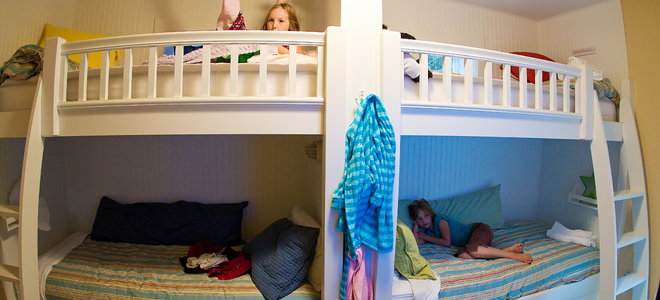
Credit: www.doityourself.com
Frequently Asked Questions
How Do I Safely Dismantle A Bunk Bed?
Start by removing mattresses and bedding. Unscrew guardrails and ladders carefully. Use proper tools and keep all screws organized to avoid loss.
What Tools Are Needed To Dismantle A Bunk Bed?
Common tools include a screwdriver, Allen wrench, and a hammer. Check the bed’s assembly instructions for specific tool requirements.
How Long Does It Take To Dismantle A Bunk Bed?
Typically, it takes 30 to 60 minutes depending on bed complexity. Having an extra person can speed up the process.
Can I Dismantle A Bunk Bed Alone?
Yes, but it’s safer and easier with two people. Extra help stabilizes parts and prevents damage during dismantling.
Conclusion
Dismantling a bunk bed is easier than it seems. Take your time and follow each step carefully. Keep all screws and parts together for reassembly. Use basic tools like a screwdriver or wrench. Ask for help if the bed is heavy or tricky.
Safety matters—work slowly to avoid damage or injury. With patience, you can take apart the bed smoothly. Now, you’re ready to move or store it as needed. Simple steps lead to great results.