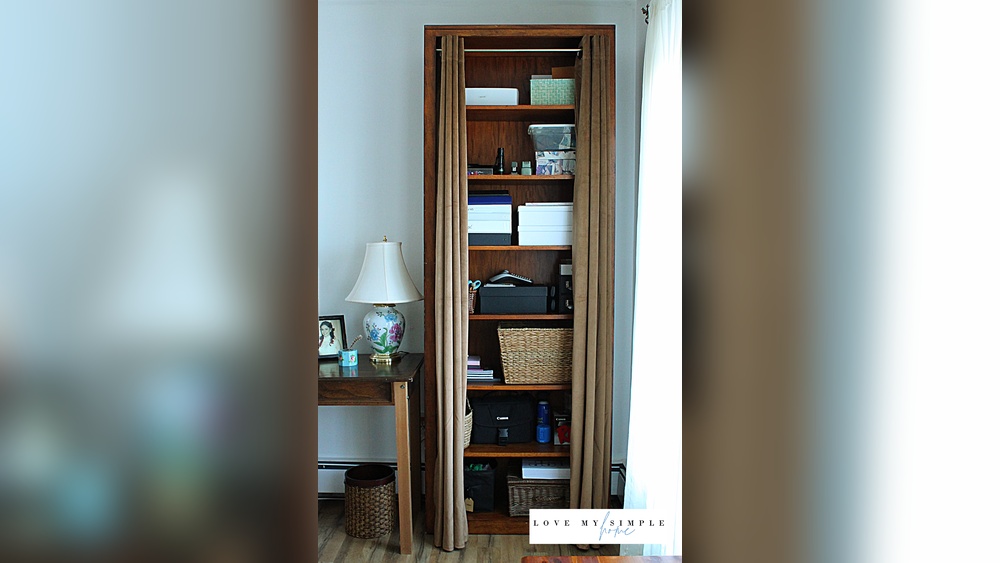
Have you ever measured your space, only to find your perfect bookshelf just won’t fit? It’s frustrating when your favorite piece of furniture feels too big for the room you love.
But don’t worry—this problem has simple, creative solutions that can transform your space without giving up your bookshelf. Keep reading to discover easy ways to make your large bookshelf work beautifully in your home, no matter the size of your space.
Your dream setup is closer than you think.
Assessing Your Bookshelf Size
Assessing your bookshelf size is the first step when it seems too big for your space. Understanding the exact measurements helps avoid mistakes and saves time. It also guides you in choosing the right spot for your bookshelf or deciding if a smaller one is necessary.
Knowing how to measure and compare the dimensions with your room layout ensures a better fit. This process helps keep your room organized and visually pleasing.
Measuring Your Space Accurately
Start by measuring the height, width, and depth of the area where you want to place the bookshelf. Use a tape measure and write down the numbers. Check for any obstacles like power outlets or vents that might affect placement. Measure twice to avoid errors. This simple step prevents frustration later.
Comparing Shelf Dimensions To Room Layout
Next, compare the bookshelf’s size with your room measurements. Visualize how much floor space the shelf will take. Think about walking space and other furniture nearby. If the shelf is too wide or tall, it can make the room look crowded. Use graph paper or an app to sketch the layout. This helps see if the bookshelf fits well or blocks pathways.
Rearranging Furniture Strategically
Rearranging furniture strategically can solve space problems with large bookshelves. Moving pieces thoughtfully changes the room’s flow and opens space. This approach helps fit your bookshelf without crowding the room.
Small changes make a big difference. Focus on placement, balance, and function. Each item should have a purpose and place. Smart arrangement creates a comfortable, organized space.
Creating Room For Larger Pieces
Start by clearing space near walls. Push smaller furniture closer together. Remove items that block natural walking paths. This frees up room for the bookshelf.
Consider swapping bulky pieces for slim, tall furniture. This saves floor space and adds storage. Use furniture with legs to create an airy feel. These tricks help fit bigger shelves easily.
Using Corners And Unused Spaces
Corners often remain empty and overlooked. Place your bookshelf in a corner to maximize space. It fits snugly and keeps the center open.
Look for unused nooks, behind doors, or under windows. These spots can hold slim or short shelves. Filling these spaces keeps the room tidy and cozy.
Modifying The Bookshelf
Bookshelves can sometimes be too large for the space you have. Modifying the bookshelf helps it fit better without losing its function. Small changes can make a big difference in how the shelf fits and looks.
Adjustments can keep your bookshelf useful and stylish. You can trim parts or add features to match your space perfectly. These modifications save money and keep your favorite shelf in use.
Trimming And Customizing Shelves
Trimming the bookshelf means cutting down its size. You can shorten the height, width, or depth to fit your space. Use a saw carefully and measure twice before cutting.
Customizing shelves means changing their shape or number. Add or remove shelves to suit your book collection. Paint or stain the bookshelf to match your room’s color.
Adding Adjustable Components
Adjustable shelves help fit different book sizes. Use brackets or pegs to move shelves up or down. This makes your bookshelf flexible and practical.
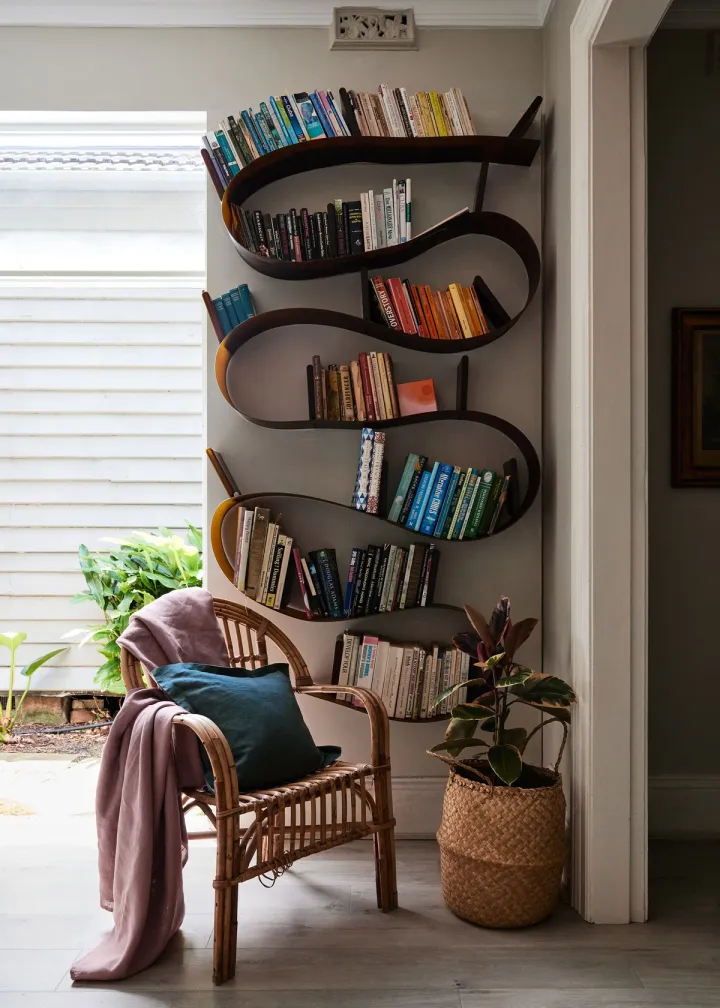
Adding wheels or casters makes the shelf easy to move. This helps if you want to change room layout often. Adjustable parts make the bookshelf more useful and space-friendly.
Credit: bedthreads.com
Alternative Storage Solutions
Bookshelves that are too big can crowd your space. Finding different ways to store your books helps save room and keeps your area tidy. Alternative storage solutions make the best use of your walls and corners. These options add style and function without taking much floor space.
Wall-mounted Shelves
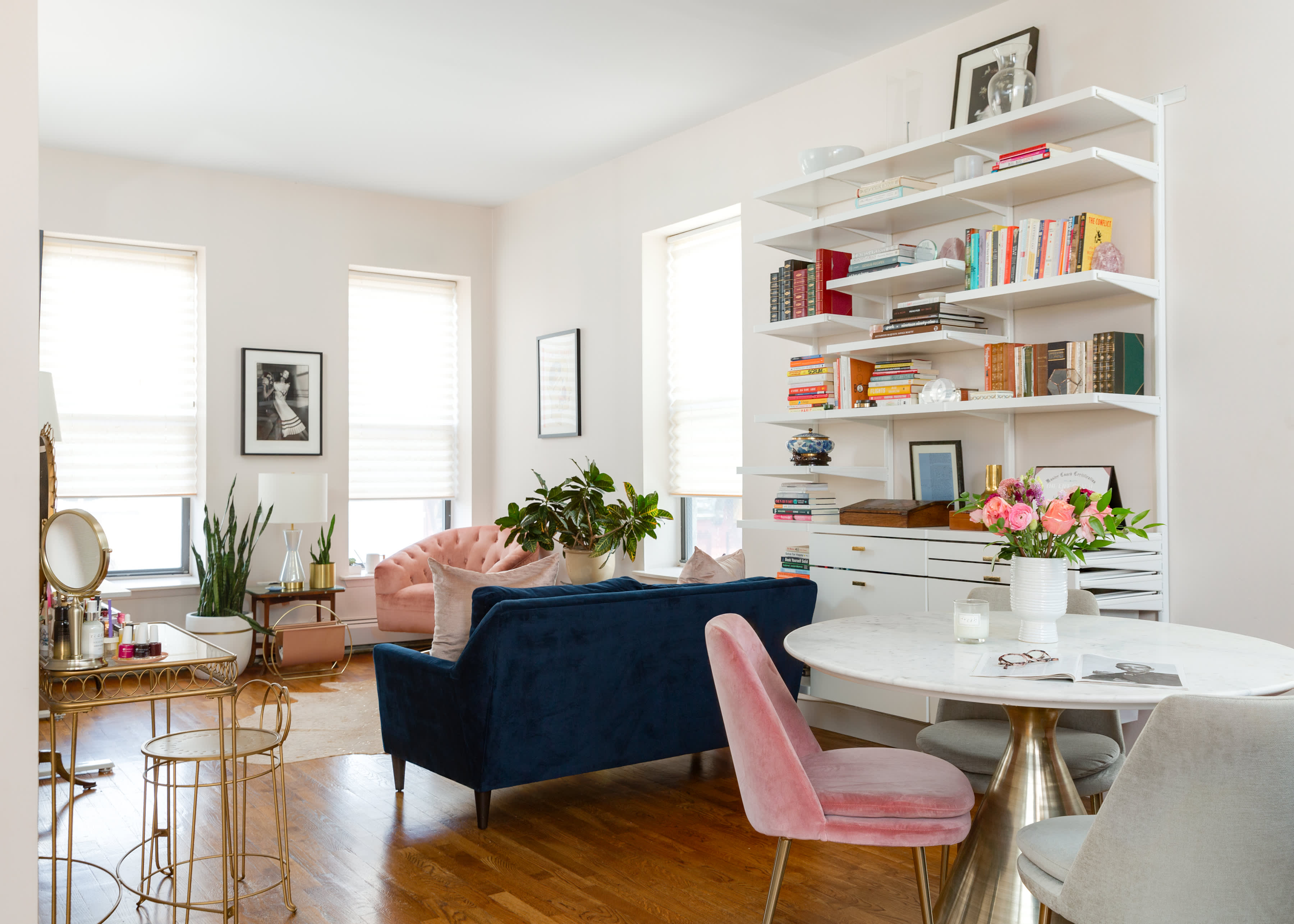
Wall-mounted shelves hold books off the floor and free up space. They come in many sizes and styles to fit your room. You can place them high or low, depending on your needs. These shelves make books easy to reach and display. Installation is simple, and they keep your floor clear.
Floating And Modular Units
Floating shelves appear to hover on the wall, adding a modern touch. Modular units let you build storage that fits your space exactly. You can stack or arrange pieces as you like. These units adapt to different room shapes and sizes. They combine function with a clean, neat look.
Multi-functional Furniture Ideas
Multi-functional furniture offers smart solutions for large bookshelves in small spaces. It saves room and adds extra uses beyond just holding books. These pieces blend style with practicality, helping you keep your area tidy.
Choosing furniture that serves more than one purpose makes your space feel bigger. It helps organize items without clutter. This approach suits small rooms, apartments, or any area with limited space.
Bookshelves With Hidden Storage
Bookshelves with hidden storage combine storage and secrecy. Drawers or cabinets built into shelves hide items from view. This keeps your space neat and organized.
Use these shelves to store extra books, papers, or small objects. They protect your items while saving floor space. Hidden compartments add a clean, minimal look to your room.
Combining Seating With Shelving
Seating with built-in shelves offers comfort and storage in one piece. Benches with shelves underneath hold books or baskets. This design maximizes space and adds a cozy spot to sit.
Such furniture fits well in living rooms, bedrooms, or entryways. It creates a relaxing corner while keeping your books close. Seating with shelves keeps your space functional and welcoming.
Creative Vertical Storage
Creative vertical storage saves space and keeps your books organized. It uses height instead of width to fit large bookshelves in small rooms. Vertical options make rooms look taller and more open.
Vertical storage ideas help you use empty wall space smartly. You can add style and function without crowding your area. This approach works well for homes with limited floor space.
Stacking Bookshelves Safely
Stacking bookshelves is a smart way to add height. Choose shelves with flat tops and sturdy build for balance. Use wall anchors or brackets to secure stacked units. This prevents tipping and keeps books safe. Keep heavier books on lower shelves for stability.
Using Tall, Slim Units
Tall, slim bookshelves fit narrow spaces well. They offer many shelves but take less floor space. Look for units with closed backs to protect books from dust. Place them in corners or beside doors. This setup uses vertical space without blocking pathways.
Decluttering And Organizing Books
Bookshelves can overflow with books fast. A large collection looks great but may not fit in your space. Decluttering and organizing help you manage this problem. It makes your room neat and your books easy to find.
Start by sorting your books carefully. Decide which ones you want close and which you can store away. This step saves space and keeps your favorites at hand.
Sorting By Priority And Frequency
Group books by how often you read them. Place daily reads within easy reach. Books you read less often can go on higher or lower shelves. Keep important books separate from those you rarely use. This way, your shelf stays tidy and useful.
Donating Or Selling Excess Books
Books you no longer need can find new homes. Donate them to libraries, schools, or friends. Selling books online or locally is another option. This clears space and lets others enjoy your books. It also helps keep your collection manageable.
Credit: www.apartmenttherapy.com
Utilizing Digital Alternatives
Bookshelves can quickly overflow, leaving little room in your space. Digital options offer a simple way to save room. They let you keep your favorite books without clutter. You can enjoy reading and listening without physical books taking space.
E-books And Audiobooks
E-books store thousands of titles on one device. A tablet or e-reader fits easily on a desk or in a bag. Audiobooks let you enjoy stories while doing other tasks. Listening can happen during walks or chores. Both options free up shelves and reduce physical book needs.
Reducing Physical Book Volume
Choose to keep only your most-loved physical books. Donate or sell others to clear shelf space. Use digital copies for less-used titles. This balance keeps your collection manageable. It also keeps your space neat and open.
Credit: www.livingetc.com
Frequently Asked Questions
How Can I Fit A Large Bookshelf In A Small Space?
Measure your space carefully and consider custom shelving. Use vertical wall space to maximize storage. Removing some shelves or adjusting their height can help the bookshelf fit better.
What Are Alternatives If My Bookshelf Is Too Big?
Consider smaller modular shelves or floating wall shelves. You can also split the bookshelf into sections or use under-utilized spaces like corners. These options save space and keep your books organized.
Can I Modify My Bookshelf To Fit Tight Spaces?
Yes, trimming or removing parts of the bookshelf is possible. Consult a professional for safe modifications. Painting or refinishing after changes helps maintain a cohesive look.
What Design Tips Help With Oversized Bookshelves?
Use light colors to reduce visual bulk. Incorporate open shelving to avoid a heavy look. Combine books with decorative items to create balance and interest.
Conclusion
A large bookshelf can feel overwhelming in a small space. Try breaking it into smaller sections to fit better. Use vertical space by adding shelves higher on the wall. Moving some books to other rooms also helps reduce clutter. Think about open shelves or bookcases with wheels for flexibility.
Remember, your space should feel comfortable and organized. Small changes can make a big difference. Keep experimenting until you find the best fit for your books and room.