Choosing the right wood for your bookshelf can make all the difference between a sturdy, beautiful piece and one that falls apart or looks cheap. You want your bookshelf to last, hold your favorite books safely, and match your style perfectly.
But with so many types of wood available, how do you pick the best one for your project? You’ll discover the key qualities to look for and the top wood options that suit different needs and budgets. By the end, you’ll feel confident about selecting the perfect wood to build a bookshelf that’s both strong and stunning.
Keep reading to find out which wood fits your vision best!
Choosing Wood For Bookshelves
Choosing the right wood for your bookshelf affects its strength and look. Wood types differ in durability, texture, and price. Picking the right one ensures your bookshelf lasts and fits your style. Here is a guide to help you decide.
Hardwood Vs Softwood
Hardwood comes from trees like oak, maple, and cherry. It is strong and lasts a long time. Hardwood shows beautiful grain patterns that add character.
Softwood comes from trees like pine and cedar. It is lighter and easier to cut. Softwood is less expensive but can dent or scratch easily.
Hardwood suits heavy books and a classic look. Softwood works well for light use and a casual style.
Solid Wood Vs Engineered Wood
Solid wood is cut directly from trees. It is strong and can be sanded or stained many times. Solid wood may expand or shrink with humidity changes.
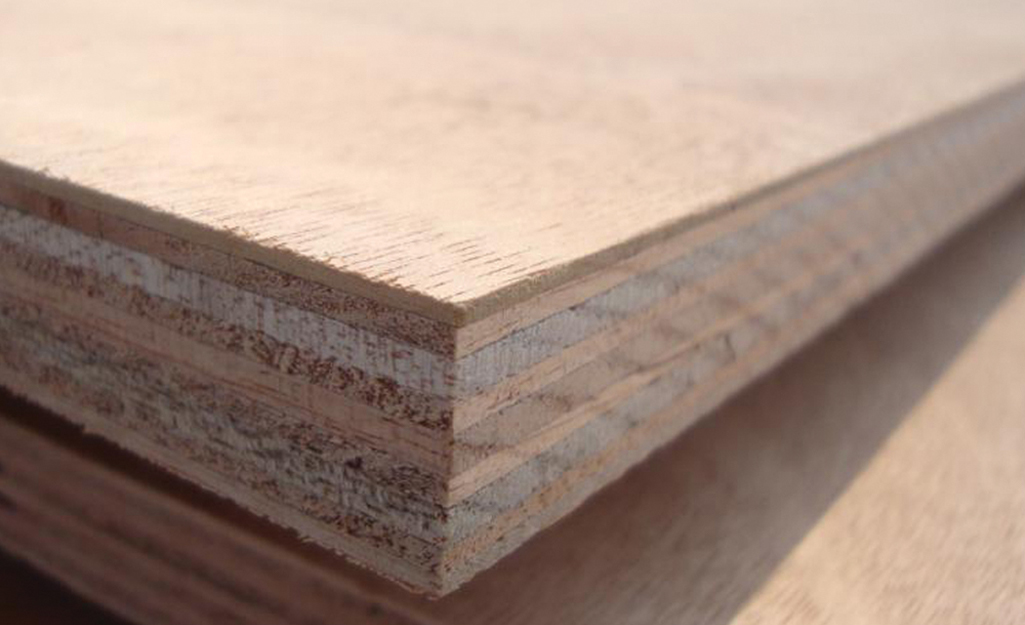
Engineered wood is made by gluing wood layers or particles together. It is stable and resists warping. Engineered wood is cheaper and can mimic solid wood’s appearance.
Choose solid wood for durability and natural beauty. Use engineered wood for budget-friendly and stable shelves.

Credit: www.thisoldhouse.com
Popular Wood Types
Choosing the right wood is key to building a strong and beautiful bookshelf. Popular wood types offer different looks, strengths, and prices. Each type has unique features that suit various styles and budgets.
Here are some popular wood choices that many woodworkers and DIYers prefer for bookshelves. Each wood type brings its own charm and durability.
Oak
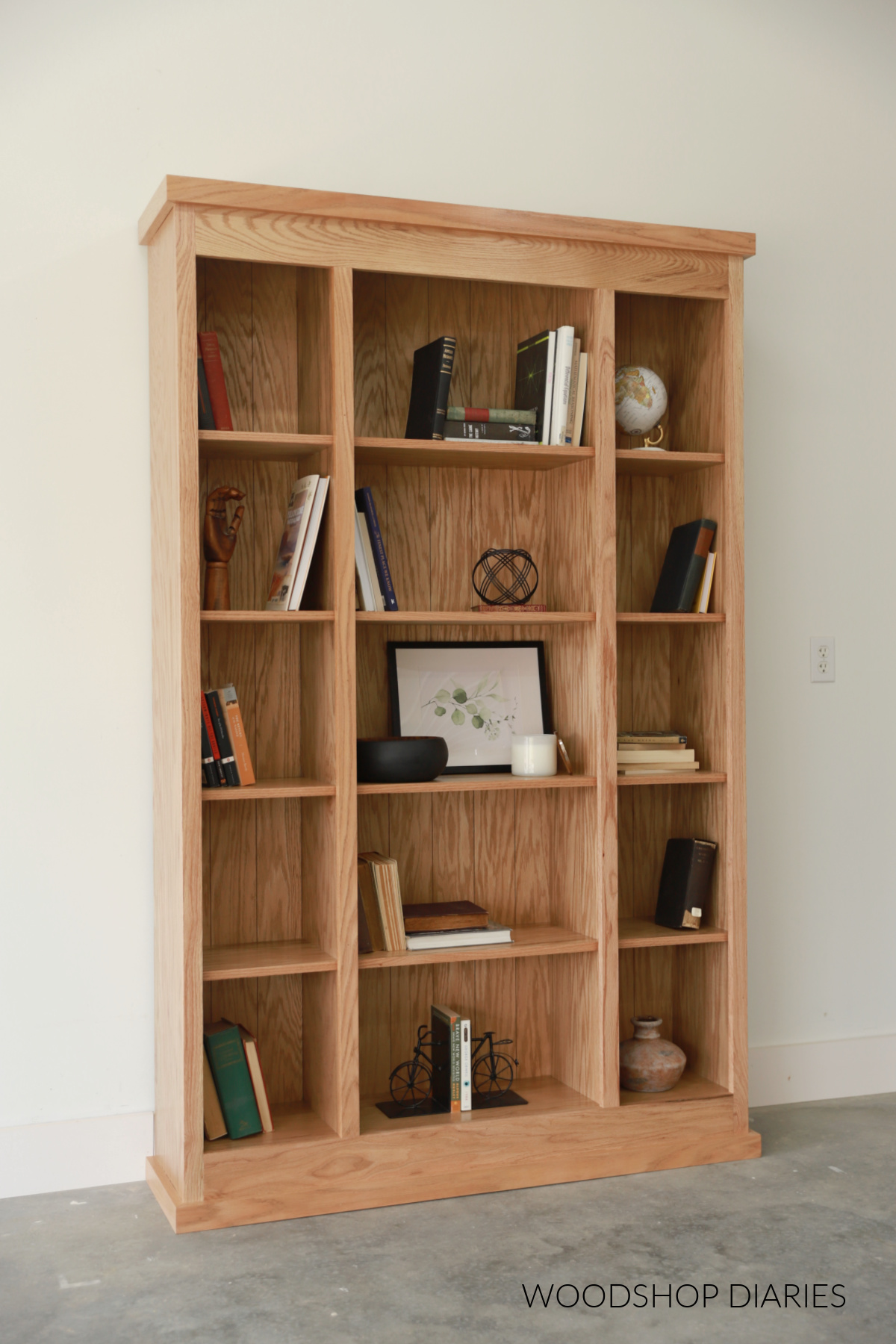
Oak is a very strong and durable hardwood. It has a coarse grain and a classic look. Oak works well for heavy bookshelves that last long. It resists dents and scratches. Oak can be stained or left natural.
Pine
Pine is a softwood that is easy to work with. It is lighter and less expensive than hardwoods. Pine has a pale color and a smooth texture. It is perfect for painted or rustic-style shelves. Pine may dent more easily.
Maple
Maple is a tough hardwood with a fine, even grain. It has a light cream color that brightens any room. Maple is good for modern and clean designs. It holds up well to wear and tear. Finishing maple makes it look smooth and shiny.
Cherry
Cherry wood has a warm reddish tone. It darkens beautifully as it ages. Cherry is strong but easy to shape. It adds a rich, elegant look to bookshelves. Cherry is ideal for traditional or classic furniture styles.
Walnut
Walnut is a dark, dense hardwood with a fine grain. It looks rich and luxurious. Walnut is very strong and durable. It is often chosen for high-end, stylish bookshelves. Walnut ages well and develops a deep color over time.
Wood Characteristics
Choosing the right wood for your bookshelf starts with understanding wood characteristics. These features affect the shelf’s strength, look, and how long it lasts. Knowing about durability, grain, texture, color, and finish helps pick the best wood for your project.
Durability
Durability means how well wood holds up over time. Hardwoods like oak and maple resist dents and scratches. Softwoods like pine are easier to work with but can dent more easily. For a sturdy bookshelf, choose wood that will not wear out quickly.
Grain And Texture
Grain shows the pattern on the wood surface. It adds beauty and character to your shelf. Some woods have straight grain for a clean look. Others have wavy or curly grain for more style. Texture affects how smooth or rough the wood feels. Fine texture woods polish well and look sleek.
Color And Finish
Wood color varies from light to dark shades. Some woods have warm tones like cherry or walnut. Others are pale, like birch or pine. The finish protects wood and enhances its color. You can use stains, varnishes, or oils. The right finish makes your bookshelf look great and last longer.
Cost Considerations
Choosing the right wood for your bookshelf depends a lot on cost. Wood prices vary widely based on type, quality, and availability. Understanding the cost helps you pick a wood that fits your budget and project needs.
Budget-friendly Options
Pine is a common choice for low-cost bookshelves. It is softwood, easy to work with, and widely available. Pine’s light color makes it easy to paint or stain. Another affordable option is plywood. Plywood is made from thin wood layers glued together. It is stable and strong for shelving. Both pine and plywood offer good value without high costs.
Premium Choices
Hardwoods like oak, cherry, and maple cost more but look elegant. These woods are dense and durable. They resist dents and scratches better than softwoods. Premium woods bring rich colors and natural grain patterns. They need less finishing and maintain beauty over time. Investing in hardwood means a bookshelf that lasts and looks great.
Wood Treatment And Maintenance
Wood treatment and maintenance keep your bookshelf strong and beautiful. Wood faces many risks like moisture, sunlight, and dirt. Treating wood protects it from damage and makes it last longer. Maintenance keeps the wood looking fresh and new. Learn simple ways to care for your bookshelf wood.
Sealing And Staining
Sealing wood stops water and dirt from entering. It creates a barrier that protects the wood surface. Staining adds color and highlights the wood grain. It also helps protect from sunlight damage. Use a sealant or stain made for indoor wood. Apply it evenly with a brush and let it dry well. This keeps your bookshelf safe and attractive.
Preventing Warping And Cracking
Wood can warp or crack due to changes in moisture and temperature. Keep your bookshelf away from direct sunlight and heaters. Use a humidifier in dry rooms to keep air moisture stable. Avoid placing heavy items unevenly on shelves. Regularly check for small cracks and fix them with wood filler. These steps keep your bookshelf sturdy and smooth.
Credit: www.homedepot.com
Tools And Techniques For Working With Wood
Working with wood requires the right tools and techniques. These help shape and join wood pieces accurately. Using proper methods makes building a bookshelf easier and the result stronger. Safety also improves with correct tools and skills.
Cutting And Shaping
Use a saw to cut wood to the needed size. Hand saws or power saws work well for straight cuts. For curves or detailed shapes, a jigsaw is ideal. Sandpaper smooths rough edges and surfaces. A plane can also flatten or thin wood pieces. Always measure twice before cutting to avoid mistakes.
Joining Methods
Wood pieces connect in many ways. Nails and screws hold parts tightly. Wood glue adds extra strength to joints. For a cleaner look, use dowels or biscuits. These fit into holes and keep boards aligned. Clamps hold pieces while glue dries. Choose the joining method based on your tools and skill level.
Sustainability And Sourcing
Choosing wood for a bookshelf means thinking about more than looks and strength. Sustainability and sourcing are important. Using wood that is eco-friendly helps protect forests and wildlife. It also supports better practices in the wood industry. This way, your bookshelf can be beautiful and kind to the planet.
Eco-friendly Woods
Some woods are better for the environment. Bamboo grows fast and can be used as a strong wood. It is a good choice for shelves. Reclaimed wood comes from old buildings or furniture. Using it saves trees and reduces waste. Cedar and pine are softwoods that grow quickly. They need less time to replace after cutting. These woods help keep forests healthy.
Certifications To Look For
Certifications show if wood is responsibly sourced. The Forest Stewardship Council (FSC) label means wood comes from well-managed forests. It ensures the forest stays healthy and workers are treated fairly. Another label is PEFC, which also promotes good forest care. Look for these marks on wood products. They help you choose wood that supports nature and local communities.
Credit: www.woodshopdiaries.com
Frequently Asked Questions
What Wood Is Best For Building Sturdy Bookshelves?
Hardwoods like oak, maple, and cherry are best for sturdy bookshelves. They offer great strength and durability. These woods resist warping and hold heavy books well. Their attractive grains also enhance the shelf’s appearance.
Can Softwood Be Used For Bookshelf Construction?
Yes, softwoods like pine and cedar can be used. They are lightweight and easier to work with. However, they are less durable and may dent or scratch easily. Softwoods are ideal for lighter shelves or decorative purposes.
How Does Plywood Compare For Bookshelf Building?
Plywood is a strong, affordable option for bookshelves. It resists warping and can support heavy loads if thick enough. Plywood also offers a smooth surface for painting or veneering. It’s ideal for budget-friendly, durable shelving projects.
Which Wood Finish Works Best For Bookshelves?
Oil-based or polyurethane finishes protect wood and enhance its look. They provide a durable, scratch-resistant surface. Finishing also prevents moisture damage. Choose a finish that complements your wood type and desired shelf style.
Conclusion
Choosing the right wood shapes your bookshelf’s strength and look. Hardwoods like oak and maple offer durability for heavy books. Pine and cedar suit lighter shelves with a warm touch. Remember, wood quality affects how long your shelf lasts. Think about style, budget, and wood type before building.
Good wood makes your bookshelf sturdy and attractive. Your choice creates a space that holds memories and stories. Wood matters. Choose wisely.