Are you thinking about adding a top bunk bed to your room but wonder how much weight it can safely hold? Knowing the weight limit is important for your safety and comfort.
Whether it’s for your kids, guests, or even yourself, understanding the strength of a top bunk bed helps you make the right choice. You’ll discover exactly how much weight a top bunk bed can support and what factors affect its durability.
Keep reading to make sure your bunk bed is both fun and safe!
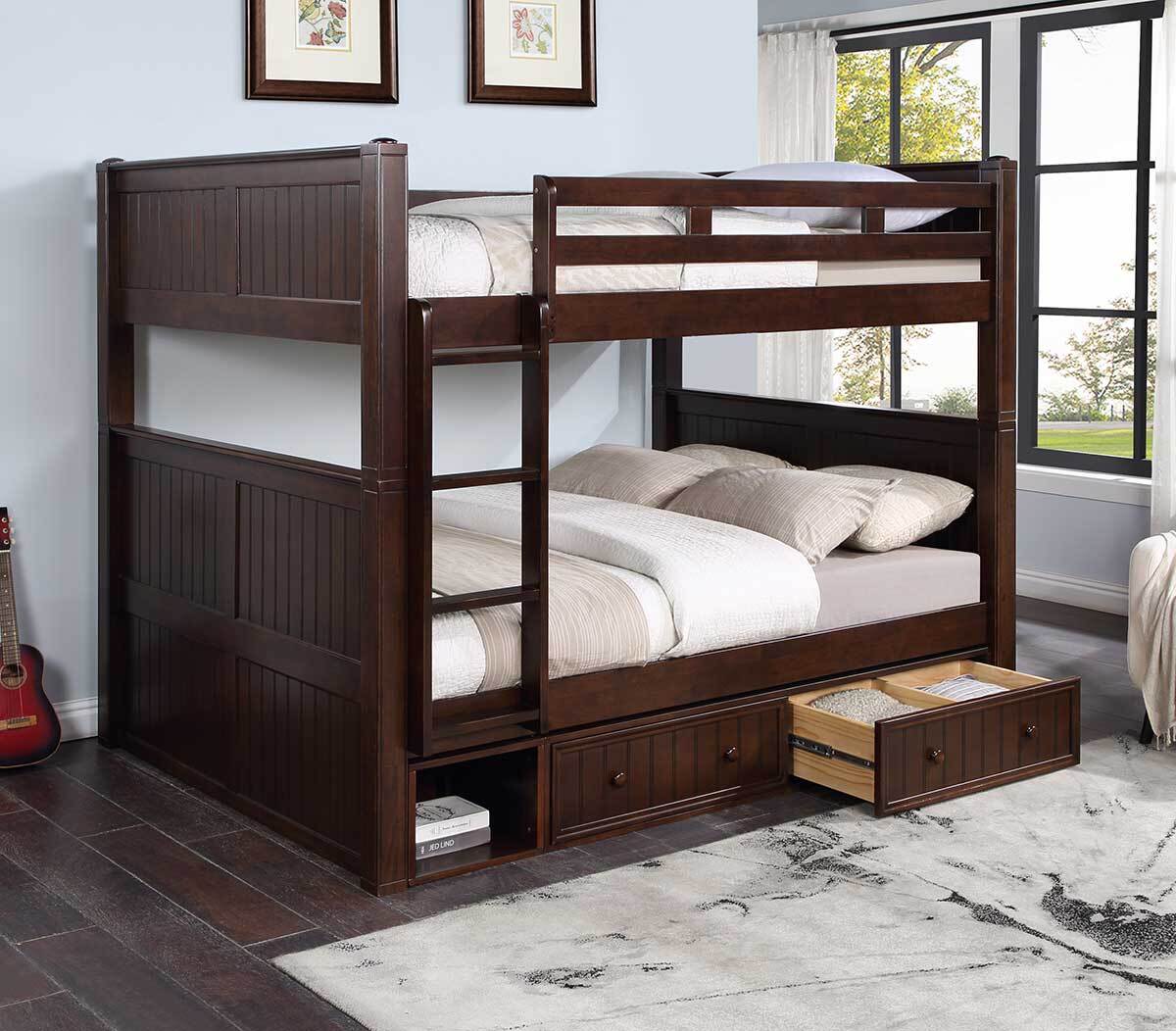
Credit: www.justbunkbeds.com
Weight Limits Of Top Bunk Beds
Top bunk beds have specific weight limits to keep users safe. Knowing these limits helps prevent accidents and damage. Weight limits depend on several factors like materials and design. Understanding these factors makes choosing the right bunk bed easier.
Standard Weight Capacities
Most top bunk beds hold between 150 and 200 pounds. This range suits children and light adults. Some beds support up to 250 pounds. Manufacturers list weight limits clearly for safe use. Sticking to these limits ensures the bed stays strong.
Variations By Material
Wooden bunk beds usually hold more weight than metal ones. Solid wood frames can support 200 pounds or more. Metal frames vary but often hold less weight than wood. Plywood or particleboard beds tend to have lower limits. Material strength directly affects the top bunk’s weight capacity.
Impact Of Bed Design
Design affects how weight spreads across the bed. Beds with extra support beams hold more weight. Simple designs without reinforcements have lower limits. The slat system also matters; closely spaced slats increase strength. Good design improves safety and weight handling.

Credit: maxandlily.com
Factors Affecting Weight Capacity
The weight capacity of a top bunk bed depends on several key factors. These factors ensure the bed is safe and sturdy for use. Understanding them helps you choose the right bunk bed for your needs.
Frame Construction
The frame’s material and design impact how much weight the bed can hold. Metal frames often offer stronger support than wood. Thick, well-joined frames increase stability. Look for beds with reinforced joints and crossbars. These features help prevent wobbling and breakage.
Type Of Mattress
The mattress type affects the overall weight on the top bunk. Heavier mattresses put more strain on the frame. Foam mattresses are usually lighter than spring mattresses. Choose a mattress that fits the bed frame size. Proper mattress support maintains the bed’s strength and safety.
Age And Wear
Older bunk beds may lose strength over time. Wood can weaken and metal can rust. Regular use causes joints to loosen. Inspect the bed for cracks or damage before use. Proper maintenance and timely repairs keep the bed secure.
Top Bunk Bed Materials Compared
Top bunk beds come in different materials. Each type affects how much weight the top bunk can hold. Choosing the right material is important for safety and durability. Below, we compare the most common materials used in top bunk beds.
Metal Frames
Metal frames are strong and long-lasting. They often hold more weight than wood frames. Steel is the most common metal used. Metal frames resist bending and breaking. They are usually lighter but very sturdy. Metal beds may have a modern look. Screws and bolts keep the frame tight and secure. These frames need less maintenance over time.
Wood Frames
Wood frames look warm and classic. They come in many types like pine, oak, and maple. Solid wood is strong but can be heavier than metal. The quality of wood affects how much weight it can hold. Wooden frames can be carved or painted. These beds may need more care to avoid cracks or warping. Wood gives a cozy feel to any room.
Hybrid Designs
Hybrid bunk beds use both wood and metal. They combine the strength of metal with the style of wood. The frame might be metal with wooden panels or slats. This mix can support good weight while looking attractive. Hybrid beds offer balance between durability and design. They fit well in many room styles. These beds often provide extra stability and safety.
Safety Tips For Top Bunk Usage
Using a top bunk bed can be fun and space-saving. Safety is the key to enjoy it without worry. Following simple safety tips helps prevent accidents and keeps the bed strong.
Proper Assembly
Always follow the instructions carefully when building the top bunk. Use all screws and parts provided. Tighten bolts firmly but do not force them. Check that guardrails and ladders are secure. A well-assembled bed stays stable and safe.
Regular Maintenance
Check the bed often for loose parts or cracks. Tighten screws if they become loose. Look for signs of wear on the ladder and guardrails. Fix problems quickly to avoid accidents. Regular upkeep extends the bed’s life and safety.
Weight Distribution
Place weight evenly on the top bunk mattress. Avoid sitting on the edges or leaning too far over. Do not allow more than one person on top unless the bed supports it. Even weight helps keep the bed steady and strong.
Choosing The Right Bunk Bed For Weight Needs
Choosing a bunk bed that fits weight needs is very important for safety and comfort. Each bunk bed has a different weight limit for the top bunk. Knowing these limits helps avoid accidents or damage. This section explains how to pick the right bunk bed based on weight.
Assessing User Weight
Start by checking the weight of the person who will use the top bunk. Include any extra items like blankets or pillows. The bed should hold more than this total weight. This ensures the bed stays strong and safe.
Considering Future Use
Think about who might use the bed later. Kids grow fast and may get heavier. A bed that fits only current weight might not work in the future. Choose a bed with a higher weight limit for long-term use.
Manufacturer Guidelines
Always read the manufacturer’s weight limits and instructions. These rules are made for safety. Do not exceed the recommended weight. Follow assembly steps carefully to keep the bed sturdy.
Common Myths About Bunk Bed Weight Limits
Bunk beds are popular for saving space and adding fun to a room. Many people wonder how much weight the top bunk can hold. There are several myths about bunk bed weight limits. These myths can cause safety risks and confusion. Knowing the truth helps keep everyone safe and comfortable.
Overestimating Capacity
One common myth is that the top bunk can hold more weight than stated. People often think bunk beds are stronger than they really are. This leads to placing heavy adults or multiple kids on the top bunk. Overloading can cause the bed to break or collapse. Always trust the bed’s weight limit to avoid accidents.
Ignoring Manufacturer Specs
Some ignore the weight limits set by manufacturers. They believe bunk beds are all the same and use general estimates. Each bunk bed has specific weight limits based on design and materials. Ignoring these specs can cause damage and void warranties. Reading and following the manufacturer’s instructions is essential for safety.
Upgrading And Reinforcing Top Bunks
Upgrading and reinforcing the top bunk can increase its strength and safety. Many bunk beds hold a limited weight on the top. Adding extra support helps the bed hold more weight without damage.
These upgrades also make the bed last longer and feel more stable. Small changes can make a big difference in how much the top bunk can hold.
Adding Support Beams
Support beams add extra strength under the mattress. They spread the weight evenly across the frame. Wood or metal beams work well for this. Place them from side to side under the slats. This stops the mattress from sagging or breaking.
Using Stronger Hardware
Stronger bolts and screws keep the frame tight and secure. Replace thin or rusty hardware with heavy-duty metal ones. Tighten all screws regularly to avoid wobbling. This helps the top bunk stay firm and safe.
Custom Modifications
Custom changes fit the bed to your needs. You can add extra legs or braces at weak points. Welding metal frames or adding plywood sheets also helps. These upgrades make the bed hold more weight safely.
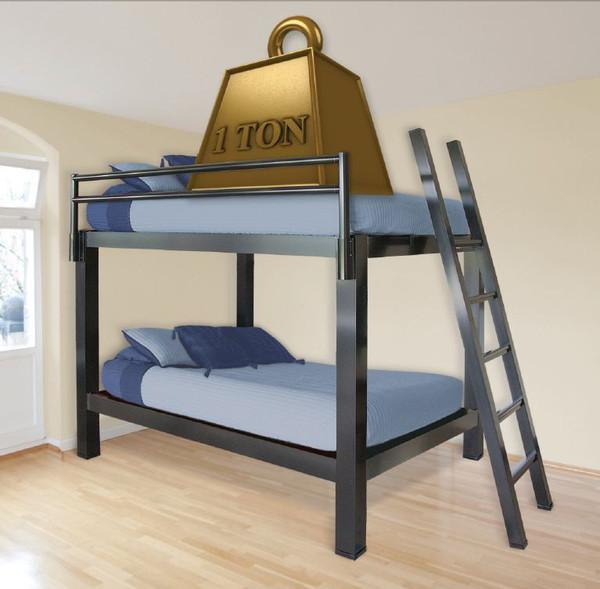
Credit: www.arroceriadagusto.es
Frequently Asked Questions
How Much Weight Can A Top Bunk Bed Support?
Most top bunk beds support between 150 to 200 pounds. Always check the manufacturer’s specifications. Weight limits vary by materials and design.
Does Mattress Weight Affect A Top Bunk Bed’s Capacity?
Yes, mattress weight contributes to the total load. Choose lightweight mattresses to stay within the bunk bed’s weight limit. Heavier mattresses reduce the usable weight capacity.
Are Metal Bunk Beds Stronger Than Wooden Ones?
Metal bunk beds often support more weight than wooden ones. However, quality and construction matter more than material type. Always verify the weight limit before purchase.
Can Adults Safely Use Top Bunk Beds?
Some top bunk beds are designed for adults and support up to 250 pounds. Confirm the product’s weight capacity and stability before use. Safety is crucial.
Conclusion
Top bunk beds usually hold between 150 to 200 pounds safely. Always check the manufacturer’s weight limit before use. Choose sturdy materials like solid wood or metal frames. Avoid jumping or putting too much weight on the top bunk. Proper safety measures keep sleepers secure and comfortable.
Knowing the weight limit helps prevent accidents and damage. A well-maintained bunk bed lasts longer and stays strong. Safety and care make the top bunk a great space saver.