Are you looking to add a stylish bookshelf to your space without spending a fortune? You’re in the right place.
Building your own inexpensive bookshelf is easier than you think. Imagine having a unique piece that fits perfectly in your room and holds all your favorite books. Plus, you’ll get the satisfaction of creating something with your own hands. Keep reading, and you’ll discover simple steps, smart tips, and budget-friendly ideas to make your dream bookshelf a reality—no expert skills needed.
Ready to get started? Let’s dive in!
Credit: ecofriendlymama.com
Choosing The Right Materials
Choosing the right materials is key to building a strong, low-cost bookshelf. The materials affect the look, durability, and price. Picking affordable and easy-to-use supplies helps keep the project simple and budget-friendly.
Focus on wood types that are cheap but sturdy. Also, gather the right tools and extra supplies before starting. This makes the building process smooth and enjoyable.
Affordable Wood Options
Pine wood is cheap and easy to find. It is soft but holds nails well. Pine boards are light and easy to cut.
Plywood is another good choice. It costs less than solid wood and is strong. Choose plywood with smooth surfaces for a neat look.
MDF (medium-density fiberboard) is very affordable. It is smooth and perfect for painting. Avoid MDF if the shelf will hold very heavy items.
Essential Tools Needed
A saw is necessary to cut wood to size. A hand saw works well for small projects.
A drill helps make holes and fasten screws. It speeds up assembly and makes the shelf sturdy.
A measuring tape and pencil are useful for marking cuts. Accuracy saves time and wood.
Additional Supplies
Screws or nails hold the shelf together. Choose screws for stronger joints.
Wood glue adds extra strength. Apply it at joints before screwing or nailing.
Sandpaper smooths rough edges. It prepares the surface for painting or staining.

Credit: southernyankeediy.com
Designing Your Bookshelf
Designing your bookshelf is the first step to a successful build. A good design keeps the project simple and affordable. It helps you use materials wisely and fit the shelf in your space. Planning well saves time and avoids mistakes.
Simple And Functional Layouts
Choose a layout that is easy to build and suits your needs. Straight shelves with equal spaces work well for most rooms. Avoid complex shapes or curves. Keep shelves deep enough for your books but not too wide.
Think about how many shelves you want. More shelves mean more storage but also more work. A few wide shelves can hold large books or boxes. Balance function with simplicity.
Measuring And Planning Dimensions
Measure the space where the bookshelf will go. Note height, width, and depth. Keep a few inches of extra space for easy fitting. Double-check your measurements before cutting any wood.
Plan shelf height based on the size of your books. Taller books need taller shelves. Use a tape measure and a pencil to mark your plans on paper. Clear measurements help avoid waste.
Creating A Cutting List
Make a list of all wood pieces you need. Include the size and number of each piece. This list guides your cutting and keeps you organized.
Write down lengths for shelves, sides, top, and bottom panels. Check that each piece fits your design and space. A good cutting list saves wood and money.
Cutting And Preparing Wood
Cutting and preparing wood is the first big step in building an inexpensive bookshelf. This stage sets the foundation for a strong and neat project. Careful cutting ensures pieces fit well together. Proper preparation makes the wood safe and pleasant to work with. Let’s explore simple ways to cut and prepare your wood.
Safe Cutting Techniques
Always wear safety goggles and gloves before cutting wood. Use a stable surface to place your wood. Mark your cutting lines clearly with a pencil. Cut slowly and steadily to avoid mistakes. Keep your fingers away from the blade at all times. Use clamps to hold the wood in place. Double-check measurements before making any cuts.
Sanding And Smoothing Edges
Sand all cut edges to remove roughness and splinters. Start with coarse sandpaper to smooth sharp corners. Then use fine sandpaper for a soft finish. Sand along the grain of the wood for best results. Wipe off dust with a clean cloth after sanding. Smooth edges prevent injuries and help paint or stain stick better.
Assembling The Bookshelf
Assembling the bookshelf is the key step to bring your project to life. It involves joining all parts carefully to create a sturdy and functional piece. Follow simple methods and use basic tools to make the process easy and effective.
Basic Joinery Methods
Start by understanding simple ways to connect wood pieces. Butt joints are the easiest, where edges meet at right angles. Use wood glue to hold these joints firmly. For stronger bonds, try dowel joints. These use small wooden pins to align and strengthen connections. Pocket hole joinery is another option, using angled screws for tight holds.
Using Nails And Screws
Nails are quick and simple for light parts. Use a hammer to drive them straight. Screws offer more strength, especially for shelves holding books. Pre-drill holes to avoid wood splitting. Use a screwdriver or drill to fasten screws tightly. Choose screws that are long enough to hold two pieces together securely.
Ensuring Stability
Check the shelf frame for wobbling during assembly. Add corner braces or metal brackets for extra support. Make sure all joints are tight and flush. Place the bookshelf on a flat surface to test balance. Tighten loose screws or nails to improve firmness. Stability keeps your bookshelf safe and durable for daily use.
Finishing Touches
Finishing touches bring your bookshelf to life. They protect the wood and make it look great. Small details can change the whole look. Choose the right finish to match your style and use.
Painting And Staining Options
Painting adds color and hides wood flaws. Use a brush or spray for smooth coats. Light sanding before painting helps the paint stick better. Staining shows the wood’s natural grain. Choose from light to dark stains. Apply stain with a cloth for even coverage. Let it dry completely before the next step.
Adding Protective Coatings
Protective coatings keep your bookshelf safe from scratches and spills. Polyurethane is strong and clear. It works well for shelves holding heavy books. Wax gives a soft shine and feels smooth. It needs reapplying over time. Use a clear varnish to keep colors bright. Always apply thin, even layers and let each dry fully.
Decorative Enhancements
Add simple decorations to make your bookshelf unique. Use stencils to paint patterns or shapes. Attach small wooden trims for a classic look. Stick on decorative knobs or handles for style and function. Try washi tape for a quick, colorful touch. These little details give your shelf personality without extra cost.
Tips To Save Money
Building a bookshelf does not have to be costly. Simple tips can help save money while making a sturdy, attractive shelf. Smart choices reduce expenses without losing quality. Here are some easy ways to keep costs low.
Reusing And Recycling Materials
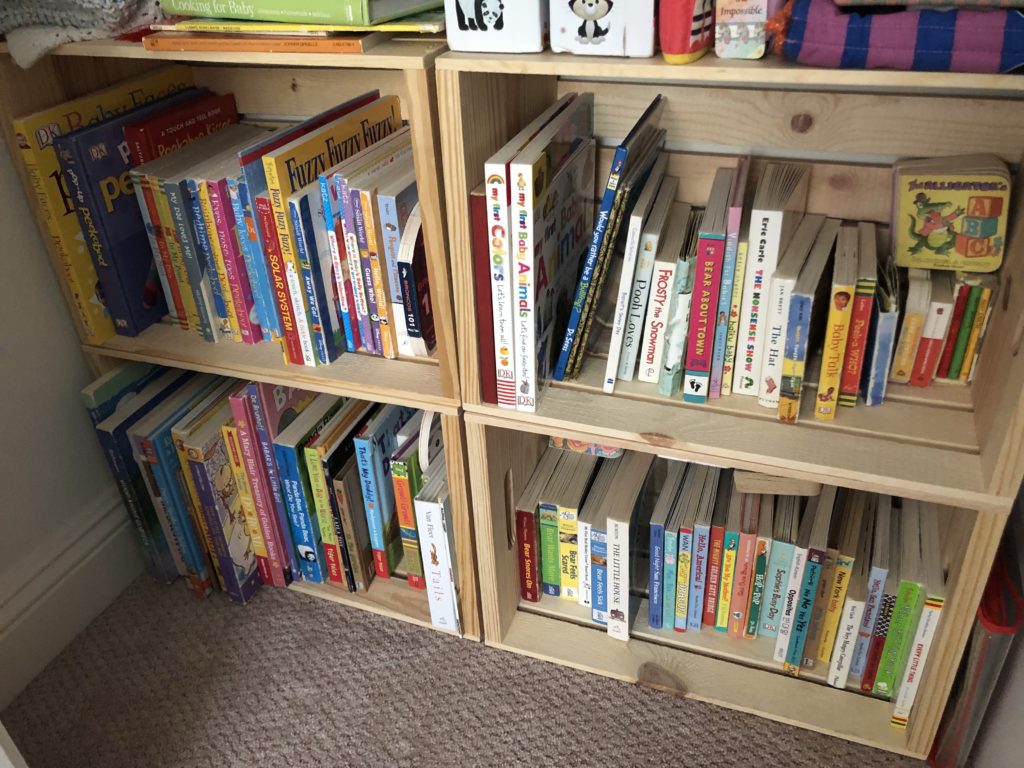
Old wood can be a great resource. Look for leftover wood from other projects. Pallets, crates, and discarded furniture often have usable pieces. Sand and clean the wood to make it safe and smooth.
Reusing materials cuts costs and reduces waste. Paint or stain old wood to give it a fresh look. Nails and screws can also be reused if they are in good shape.
Buying Supplies On A Budget
Shop at discount stores or local hardware sales. Bulk buying often lowers the price per item. Compare prices online before buying. Use coupons or wait for seasonal sales.
Choose affordable wood types like pine or plywood. These are strong and cheap. Avoid expensive finishes or decorations that add little value.
Avoiding Common Mistakes
Plan your bookshelf design carefully. Measure twice before cutting wood. Mistakes can waste material and money.
Use the right tools to work efficiently. Poor tools cause damage and increase costs. Follow instructions closely to avoid errors. Taking time to do it right saves money in the end.
Maintaining Your Bookshelf
Maintaining your bookshelf keeps it sturdy and looking good for years. Simple care routines help prevent damage and wear. Small repairs save money and extend the life of your bookshelf.
Cleaning And Care
Dust your bookshelf regularly with a soft cloth. Use a damp cloth for sticky spots, but avoid soaking the wood. Keep the shelf away from direct sunlight to prevent fading. Avoid placing heavy objects on one side to keep shelves balanced. Use coasters or pads under plants or liquids to stop water damage.
Repairing Minor Damages
Fix small scratches with wood filler or a matching crayon. Tighten loose screws or nails to keep shelves firm. Replace damaged brackets if shelves start to sag. For dents, gently press with a damp cloth and an iron on low heat. These small fixes keep your bookshelf strong and looking neat.

Credit: www.youtube.com
Frequently Asked Questions
What Materials Are Best For An Inexpensive Bookshelf?
Plywood and MDF are budget-friendly and durable options. They are easy to cut and assemble. Avoid expensive hardwoods to keep costs low. Use screws and wood glue for sturdy construction.
How Much Does It Cost To Build A Bookshelf?
Building a basic bookshelf can cost between $30 and $70. Costs vary depending on material quality and shelf size. Using reclaimed wood or discount materials lowers expenses further.
How Do I Ensure My Bookshelf Is Sturdy?
Use quality screws and brackets for support. Secure shelves firmly to the frame. Add a back panel to prevent wobbling. Even weight distribution enhances stability.
Can I Customize The Bookshelf Design Easily?
Yes, simple designs allow easy customization. Adjust shelf height and width to fit your space. Paint or stain the wood for a personalized look. Modular designs offer flexibility for future changes.
Conclusion
Building an inexpensive bookshelf is easier than you think. Use simple materials and clear steps to save money. You can create a sturdy, useful shelf with basic tools. This project adds style and storage to any room. Enjoy the satisfaction of making something with your own hands.
Start small, plan well, and take your time. Your space will look neat and organized soon. Try this project and see how rewarding it feels.