Are you tired of messy stacks of books cluttering your space? Imagine having a sleek, vertical bookshelf that not only organizes your collection but also adds style to your room.
Building your own vertical bookshelf is easier than you think, and it gives you full control over its size and design. In this guide, you’ll discover simple steps to create a sturdy, eye-catching bookshelf that fits perfectly in your home.
Ready to transform your space and showcase your books like never before? Let’s get started!
Choosing The Right Materials
Choosing the right materials is key to building a strong vertical bookshelf. The materials affect how long your bookshelf will last and how it looks. Using good wood and proper finishes will make your shelf safe and stylish. Here are some tips on picking the best materials for your project.
Wood Types For Durability
Choose wood that is strong and lasts long. Pine is cheap and easy to find but not very hard. Oak and maple are tough and hold weight well. Plywood is good for shelves because it does not bend easily. Avoid soft woods that can break or warp quickly.
Tools You’ll Need
Prepare basic tools before starting your build. A saw helps cut wood to the right size. A drill makes holes for screws and fixes parts together. Sandpaper smooths rough edges for a clean finish. Measuring tape keeps your cuts exact. A level ensures shelves stay straight and balanced.
Finishes And Paint Options
Finishes protect the wood and improve its look. Clear varnish shows natural wood grain and adds shine. Paint adds color and can match your room’s style. Use water-based paint for easy cleanup and low smell. Make sure to apply at least two coats for best results.

Credit: www.reddit.com
Planning Your Bookshelf Design
Planning your bookshelf design is the first step to creating a vertical bookshelf that fits perfectly. Good planning saves time and materials. It helps you avoid mistakes and ensures the shelf looks great in your space.
Think about where you want to place the bookshelf. Measure carefully and think about how many books or items you want to store. A clear plan makes building easier and the final product stronger.
Measuring Your Space
Start by measuring the wall or corner where the bookshelf will go. Use a tape measure for accuracy. Write down the height, width, and depth of the available space. Check for any obstacles like power outlets or switches. These details will affect your bookshelf design.
Deciding On Shelf Dimensions
Choose shelf height based on the size of your books. Standard books need about 10 to 12 inches of height. For taller books, add more space between shelves. Shelf depth depends on the size of your books or decor. Usually, 8 to 12 inches works well. Keep the shelf width balanced to avoid sagging.
Sketching A Simple Blueprint
Draw a basic sketch of your bookshelf. Include all measurements you took earlier. Mark shelf positions and heights clearly. Use a pencil and ruler for neat lines. This blueprint helps guide your cuts and assembly. A simple plan keeps the building process smooth and organized.
Preparing The Wood
Preparing the wood is a key step in building a vertical bookshelf. It shapes the wood for a neat and sturdy final product. Careful preparation helps avoid problems during assembly and improves the shelf’s look. Follow these steps to get your wood ready.
Cutting Boards To Size
Measure each board carefully to match your bookshelf design. Use a saw to cut the wood to the right length and width. Straight cuts ensure the shelf fits well and stays stable. Double-check measurements before cutting to avoid mistakes.
Sanding For Smooth Edges
Sand all cut edges to remove splinters and rough spots. Use medium-grit sandpaper first, then fine-grit for a smooth finish. Smooth edges make the shelf safer and more pleasant to touch. Take time sanding to get an even surface.
Drilling Pilot Holes
Drill pilot holes in the wood before assembling the shelf. These small holes guide screws and prevent the wood from splitting. Match the drill bit size to your screws for a tight fit. Pilot holes make assembly easier and stronger.
Assembling The Bookshelf
Assembling the bookshelf is the most exciting part of the project. This step brings all your pieces together. Follow clear steps for a strong and neat bookshelf. Take your time and check each part carefully.
Attaching The Side Panels
Start by placing the side panels upright on a flat surface. Align the holes or marks for screws. Use a screwdriver or drill to attach the panels to the base. Tighten the screws just enough to hold the panels firmly. Avoid over-tightening to prevent damage.
Fixing The Shelves In Place
Next, position each shelf between the side panels. Match the shelf edges to the holes or grooves. Use screws or shelf pins to secure each shelf. Make sure shelves are level before fully tightening. This keeps your books from sliding or tipping.
Securing The Structure
Finally, check all screws and joints for tightness. Add corner brackets or braces if extra support is needed. This step prevents wobbling and strengthens the shelf. Place the bookshelf against a wall for better stability. Secure with wall anchors if possible for safety.
Finishing Touches
Finishing touches give your vertical bookshelf a polished, complete look. They protect the wood and make the shelf safe and attractive. This step lets you personalize your project to match your room’s style.
Applying Paint Or Stain
Choose paint or stain that suits your room’s decor. Paint offers bold colors and covers imperfections well. Stain shows the wood’s natural grain and adds warmth.
Apply thin, even coats with a brush or cloth. Let each coat dry fully before adding another. This prevents drips and uneven color. Sand lightly between coats for a smooth finish.
Adding Wall Mounts For Stability
Wall mounts keep your bookshelf steady and prevent tipping. Use brackets or straps designed for furniture safety. Attach them securely to wall studs for strong support.
Check the shelf’s balance before securing mounts. This step is important for homes with children or pets. Safety first.
Decorating Your Bookshelf
Arrange books by size or color for a neat look. Add small plants or art pieces to bring life. Use baskets or boxes to hide clutter.
Keep decorations simple to avoid overcrowding. Let your bookshelf be both useful and beautiful.
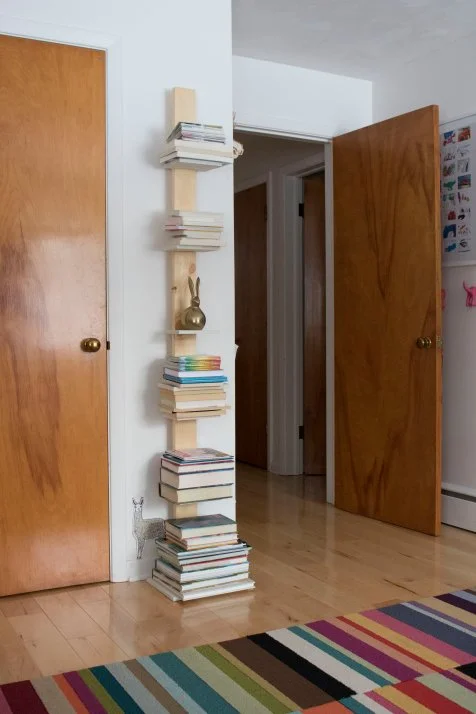
Credit: www.hgtv.com
Maintaining Your Bookshelf
Maintaining your vertical bookshelf keeps it safe and looking good. Regular care helps it last longer. Small checks can stop big problems. A well-kept shelf holds your books neatly and adds charm to your room.
Cleaning Tips
Dust your bookshelf often with a soft cloth. Use a dry cloth or one slightly damp. Avoid harsh chemicals that can damage wood or paint. Clean corners and edges carefully to remove hidden dust. A clean shelf shows off your books better.
Checking For Wear And Tear
Look for loose screws or nails regularly. Tighten them to keep the shelf steady. Check for cracks or splits in the wood. Early fixes prevent bigger damage later. Test the shelf’s stability by pressing gently on shelves.
Updating The Style
Change the look by painting or staining the wood. Use colors that match your room’s style. Add new handles or decorative elements for a fresh feel. Rearrange books and items for a new display. Small updates keep your shelf interesting and fresh.
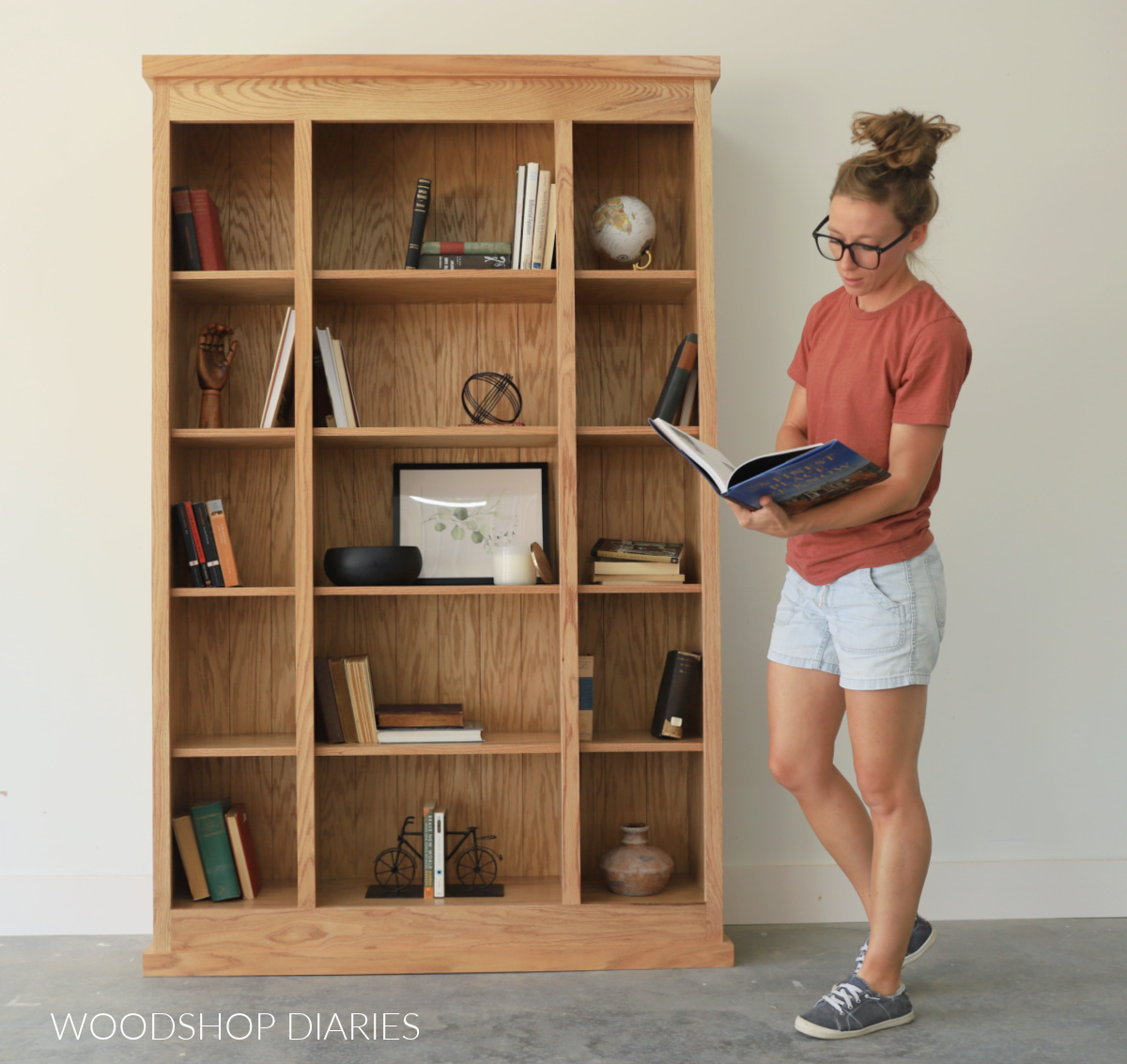
Credit: www.woodshopdiaries.com
Frequently Asked Questions
What Materials Do I Need To Build A Vertical Bookshelf?
You need wood planks, screws, brackets, sandpaper, wood glue, and paint or stain. Choose durable wood like pine or oak for strength and appearance.
How Long Does It Take To Build A Vertical Bookshelf?
Building a vertical bookshelf typically takes 3 to 5 hours. Time depends on your experience and complexity of design.
Can I Customize The Size Of My Vertical Bookshelf?
Yes, you can customize the height, width, and number of shelves. Measure your space first for a perfect fit.
How Do I Ensure My Bookshelf Is Sturdy And Safe?
Use strong wood, secure shelves with brackets, and anchor the bookshelf to the wall. This prevents tipping and enhances stability.
Conclusion
Building a vertical bookshelf is a simple and useful project. It saves space and keeps books organized. You only need basic tools and materials. Follow the steps carefully for best results. Enjoy your new bookshelf and the neat look it brings.
Try customizing it to fit your style. A handmade shelf adds charm to any room. Keep practicing to improve your skills. Start your project today and see the difference!
