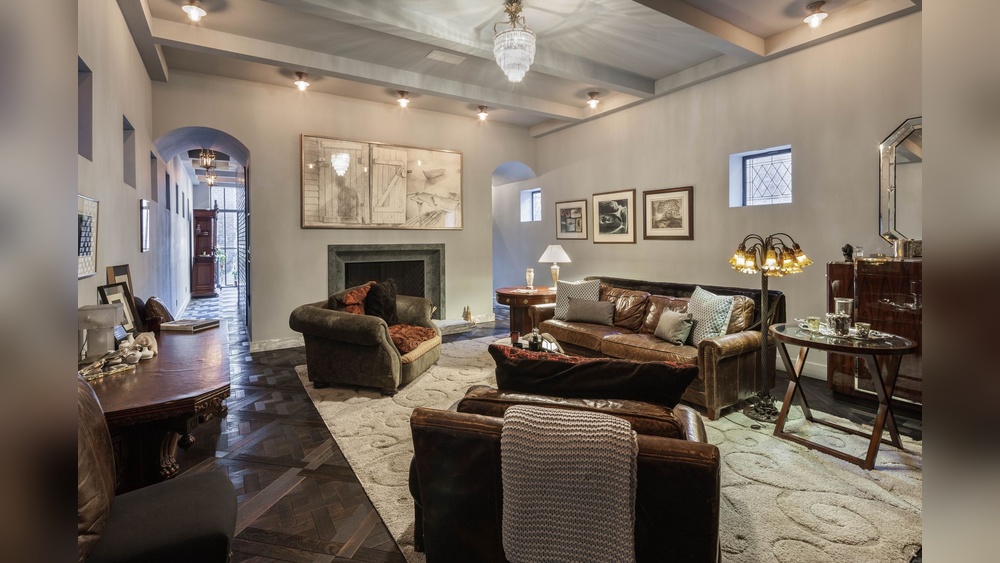
Looking for a way to add style and function to your entryway? Building your own entryway bench is easier than you might think—and it gives you a unique piece that fits your space perfectly.
Imagine having a spot to sit while putting on shoes or a handy place to drop your keys and bags the moment you walk in. In this guide, you’ll discover simple steps to create a bench that’s both beautiful and practical.
Ready to transform your entryway and impress everyone who visits? Let’s get started!
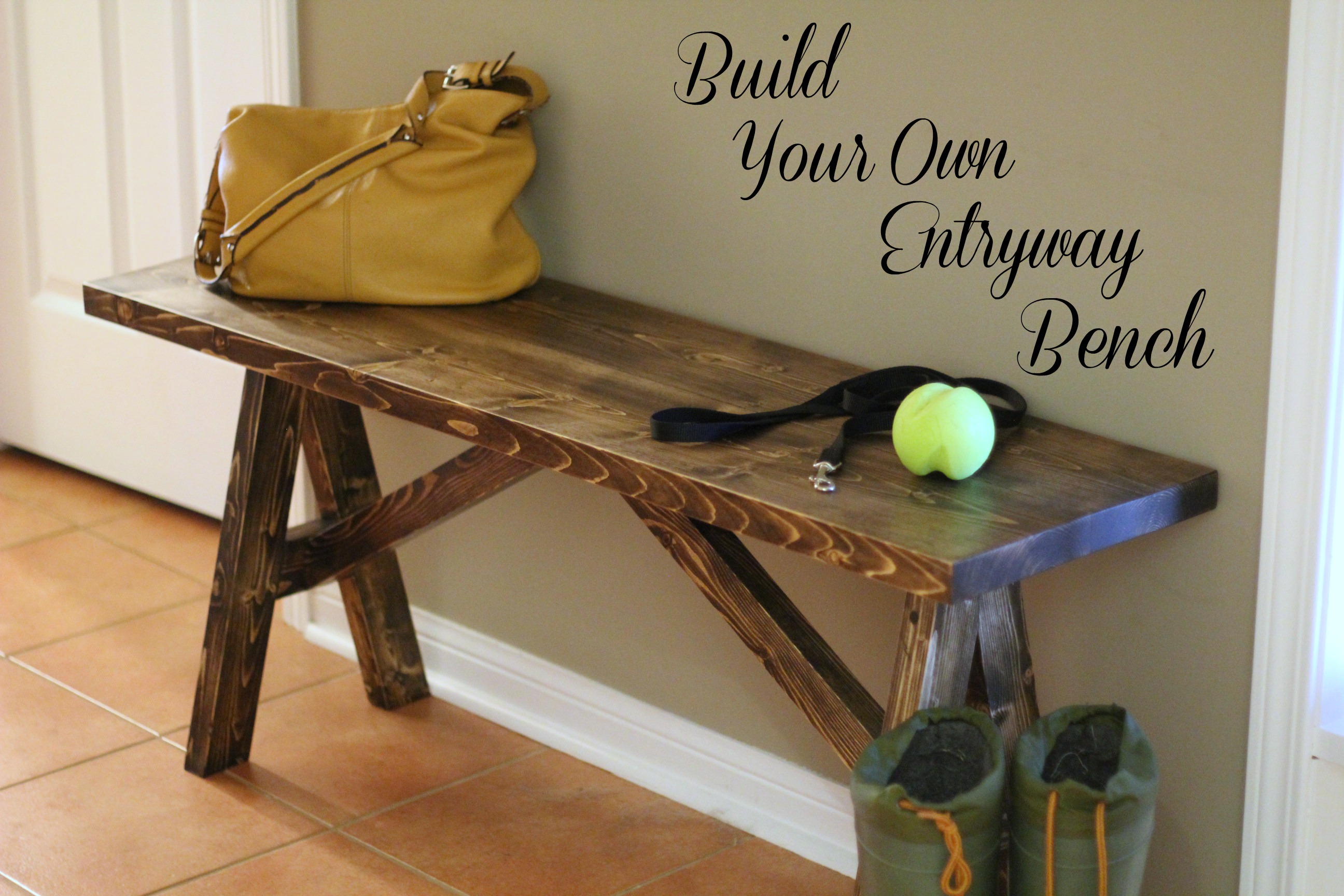
Credit: turtlesandtails.blogspot.com
Choosing The Right Materials
Choosing the right materials is key to building a strong entryway bench. The right wood and hardware make your bench last longer. Good tools help you work faster and safer. This section helps you pick the best materials for your project.
Selecting Wood Types
Choose wood that fits your style and budget. Pine is cheap and easy to work with. Oak is strong and has a nice grain. Maple is hard and smooth, but costs more. Cedar resists moisture and insects, good for humid areas. Avoid soft woods that dent easily. Pick wood with few knots and cracks.
Picking The Hardware
Hardware holds your bench together. Use screws instead of nails for a firm hold. Pick screws that match your wood type. Choose metal brackets for extra support. Sanding and painting hardware can stop rust. Buy hinges if your bench has a storage lid. Make sure all hardware fits well and is strong.
Gathering Tools
Prepare tools before you start building. A saw cuts wood to size. A drill makes holes for screws. Sandpaper smooths rough edges. A screwdriver drives screws into wood. Use a tape measure for exact cuts. Safety glasses protect your eyes. Gloves keep your hands safe. Having all tools ready saves time and stress.
Designing Your Bench
Designing your entryway bench is the first step in creating a useful and attractive piece. This phase sets the foundation for the entire project. Think about how the bench will fit in your space and match your home’s style.
Deciding On Size And Style
Measure the area where the bench will go. Make sure there is enough room for people to sit comfortably. Consider the height, width, and depth that will work best. Choose a style that matches your home decor. A modern bench might have clean lines, while a rustic one could use rough wood. Keep in mind the bench should look good and be practical.
Sketching Your Plan
Draw your bench design on paper. Start with a simple outline showing the shape and size. Add details like legs, storage, or cushions. This helps you see how the bench will look. It also guides you during building. Make notes about materials and colors. A clear sketch reduces mistakes and saves time.
Preparing The Wood
Preparing the wood is the first step to building a strong entryway bench. It helps make sure all parts fit well together. Good preparation also makes the bench look smooth and nice. Take your time and work carefully. This will save effort later and give better results.
Measuring And Cutting
Start by measuring the wood pieces carefully. Use a tape measure and mark the cuts clearly. Double-check your measurements before cutting. Cut the wood with a saw along the marked lines. Keep your cuts straight for a clean fit. Take safety steps, like wearing goggles and gloves.
Sanding The Surfaces
After cutting, sand each wood piece well. Use medium-grit sandpaper first to smooth rough edges. Then use fine-grit sandpaper for a soft finish. Sand in the direction of the wood grain. This prevents scratches and makes the wood look better. Wipe off dust with a dry cloth before assembly.

Credit: www.youtube.com
Assembling The Frame
Building the entryway bench frame is a key step. This part gives the bench its shape and strength. Careful assembly makes sure the bench will last long. Take your time to join the pieces correctly. Use the right tools and follow the steps closely.
Joining The Pieces
Start by arranging all wooden parts on a flat surface. Match the legs, sides, and top frame pieces together. Check that edges line up neatly and corners meet at right angles. Use clamps to hold parts steady. Dry fit the pieces before fixing them. This helps avoid mistakes and makes assembly easier.
Securing With Screws And Glue
Apply wood glue to the edges that will join. Spread it evenly for a strong bond. Press the pieces together firmly. Use screws to lock the parts in place. Drill pilot holes first to prevent splitting the wood. Drive screws in slowly and straight. Wipe off excess glue with a damp cloth. Let the glue dry fully before moving to the next step.
Adding Storage Features
Adding storage to your entryway bench makes it more useful. It helps keep your space tidy. You can store shoes, bags, and other items neatly. This section shows easy ways to add storage features to your bench.
Building Shelves Or Cubes
Shelves or cubes fit well under the bench seat. They offer open storage for shoes or baskets. You can build simple wooden boxes to fit the space. Make sure the shelves are strong enough for heavy items. Paint or stain them to match your bench. This adds a neat, organized look to your entryway.
Installing Drawers Or Baskets
Drawers slide out for hidden storage. They keep items out of sight but easy to reach. Choose shallow drawers for shoes or gloves. Baskets slide in like drawers but are lighter. They add a rustic or casual feel. Both options help keep small items from cluttering the bench top.
Finishing Touches
Finishing touches transform your entryway bench from simple to stunning. These details protect the wood and add comfort. They also highlight your personal style. Focus on two key steps: applying paint or stain, and adding cushions or upholstery. Both make your bench inviting and durable.
Applying Paint Or Stain
Choose paint or stain based on your bench’s wood type. Paint covers the surface with color and protects against moisture. Stain soaks into the wood, showing its natural grain. Use a brush or cloth for even application. Let each coat dry fully before adding another. Sand lightly between coats for a smooth finish. This step makes your bench last longer and look great.
Adding Cushions Or Upholstery
Cushions add comfort and style to your bench. Pick foam or fiberfill for soft seating. Cover cushions with fabric that matches your decor. Use durable, easy-to-clean materials for long use. Attach cushions with ties or velcro for easy removal. Upholstery can also include a padded seat or backrest. This step makes your bench cozy and welcoming.
Maintaining Your Bench
Maintaining your entryway bench keeps it looking fresh and sturdy for years. Regular care protects the wood and finish. It also helps avoid costly repairs later. Simple habits and quick fixes save time and effort. A clean, well-kept bench adds charm to your home.
Cleaning Tips
Dust your bench weekly with a soft cloth. Use a damp cloth for sticky spots. Avoid harsh chemicals that can damage the finish. Mild soap and water work best. Dry the bench fully after cleaning. Keep liquids away from wooden surfaces to prevent warping. Clean spills immediately to avoid stains.
Repair And Upkeep
Check the bench for loose screws or nails often. Tighten any that feel weak. Sand rough edges gently with fine-grit sandpaper. Apply wood polish or oil to keep the surface smooth. Replace broken parts quickly to maintain stability. Use wood filler for small cracks or holes. Regular upkeep keeps your bench safe and beautiful.
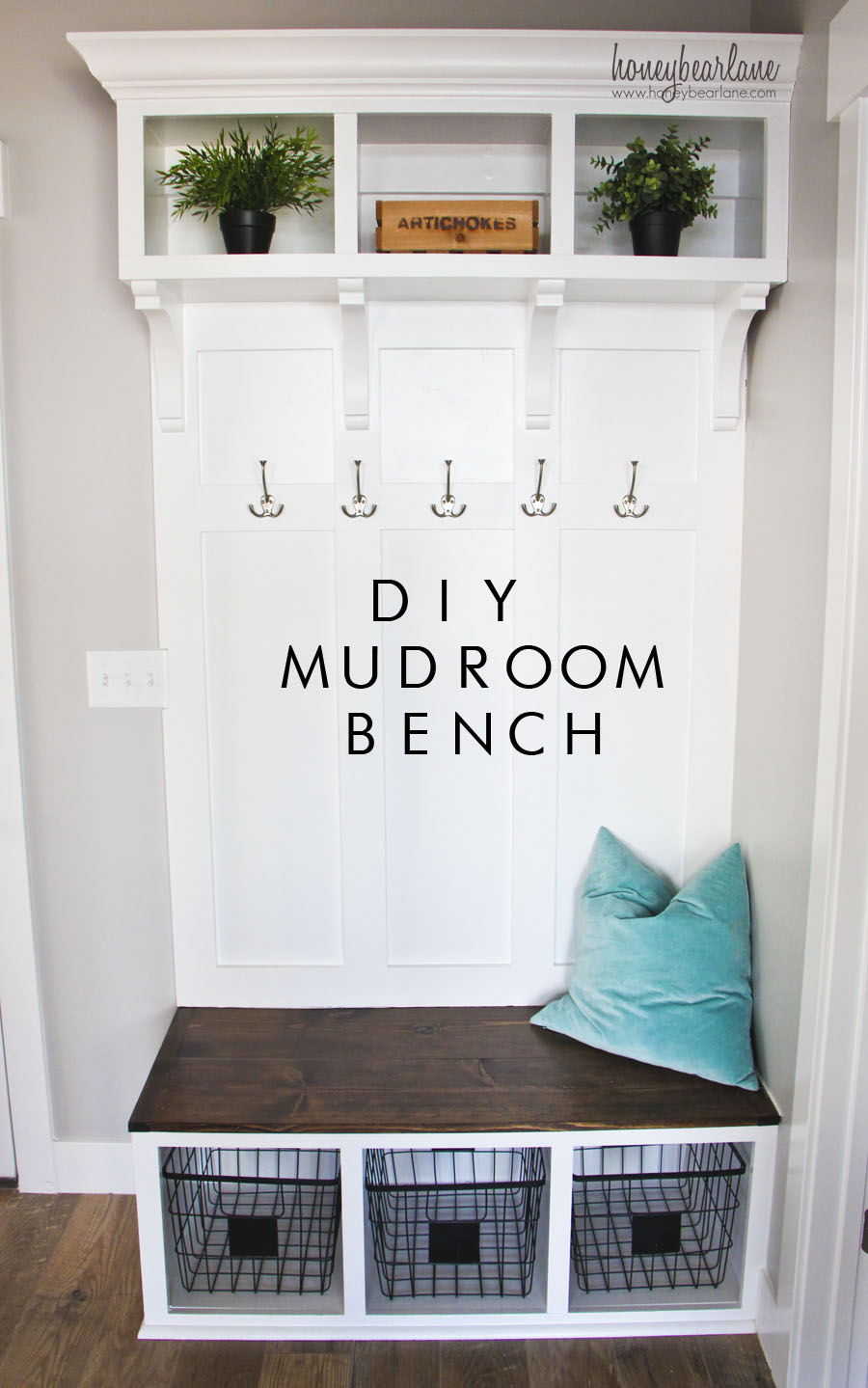
Credit: www.honeybearlane.com
Frequently Asked Questions
What Materials Do I Need To Build An Entryway Bench?
You need wood planks, screws, wood glue, sandpaper, paint or stain, and cushions. Select durable wood like pine or oak for strength and style.
How Long Does It Take To Build An Entryway Bench?
Building typically takes 3 to 5 hours, including cutting, assembling, sanding, and finishing. Time varies with skill level and design complexity.
Can I Customize The Size Of My Entryway Bench?
Yes, customize dimensions to fit your space. Measure your entryway carefully before cutting materials to ensure a perfect fit.
What Tools Are Essential For Bench Construction?
Essential tools include a saw, drill, screwdriver, measuring tape, and sander. These tools help ensure accurate cuts and secure assembly.
Conclusion
Building your own entryway bench adds charm and function to your home. The project is simple and rewarding. You can customize it to fit your space perfectly. It offers a cozy spot to sit or store shoes. With basic tools and materials, anyone can create one.
Start small and enjoy the process step by step. Your entryway will feel more welcoming and organized. Give it a try and see the difference it makes. A handmade bench brings warmth and style to any home.