Are you ready to give your bunk bed a fresh new look while saving space? Changing a bunk bed into a loft bed is easier than you might think, and it can transform your room instantly.
Whether you want more floor space for playing, studying, or adding extra furniture, this simple change can make a big difference. In this guide, you’ll discover step-by-step how to make the switch safely and quickly. Keep reading to unlock the secrets to creating a stylish and functional loft bed that fits your needs perfectly.
Tools And Materials Needed
Changing a bunk bed into a loft bed needs the right tools and materials. Having these items ready saves time and avoids frustration. Each tool plays a key role in making the process smooth and safe.
This section lists what you need before starting. It helps you stay organized and work efficiently. Safety gear is also important to protect yourself during the project.
Basic Tools Required
- Power drill with drill bits
- Screwdriver set (Phillips and flathead)
- Measuring tape
- Carpenter’s square
- Level
- Rubber mallet
- Adjustable wrench
- Clamps (optional but helpful)
Materials Checklist
- Wood screws and bolts
- Wood glue
- Replacement wood panels or slats
- Sandpaper or sanding block
- Paint or wood finish (optional)
- Metal brackets for extra support
- Ladder or steps (if not reusing)
Safety Gear
- Safety goggles to protect eyes
- Work gloves for hand safety
- Dust mask to avoid breathing sawdust
- Ear protection if using loud tools
- Sturdy shoes to protect feet
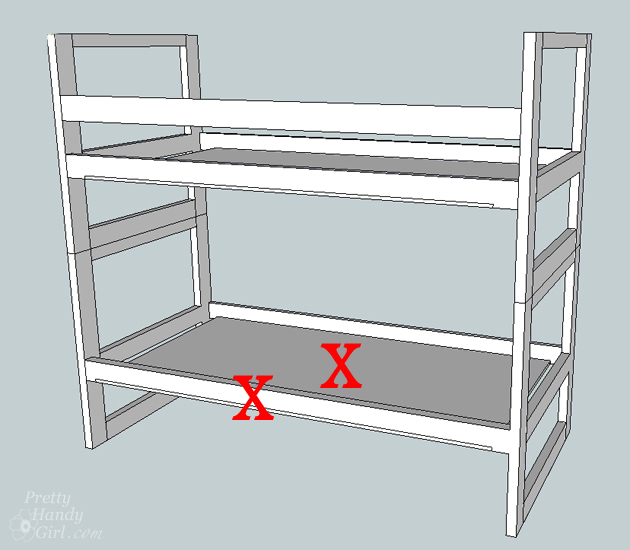
Credit: prettyhandygirl.com
Preparing The Bunk Bed
Preparing the bunk bed is the first step to change it into a loft bed. This process helps make the bed safe and sturdy. It also gives the bed a fresh look. Take your time and follow each step carefully. Good preparation makes the whole project easier and better.
Removing The Bottom Bunk
Start by taking off the bottom bunk. Remove the mattress and bedding first. Use a screwdriver to take out the screws that hold the bottom frame. Keep the screws safe for later use. Gently lift and remove the bottom bunk parts. Set them aside in case you want to use them later.
Inspecting The Frame
Check the remaining frame for any damage. Look for cracks, loose joints, or bent parts. Test the frame by shaking it lightly. Make sure it feels strong and steady. Fix any loose screws or broken parts before moving on. A solid frame is very important for safety.
Cleaning And Sanding
Clean the frame to remove dust and dirt. Use a damp cloth or mild cleaner. Let the wood dry completely. Sand the surface to smooth rough spots and old paint. Use medium-grit sandpaper for best results. Wipe off the dust after sanding. This step helps the paint or finish stick better.
Adjusting The Frame For Loft Setup
Adjusting the frame is the first step to convert a bunk bed into a loft bed. This process lifts the sleeping area higher and creates space underneath. Careful adjustments ensure the bed stays stable and safe. Follow these steps for a strong loft bed frame.
Raising The Bed Frame
Start by removing the mattress and bedding. Loosen all bolts and screws that hold the bed frame. Lift the top bunk section higher, usually to the height of the original top bunk’s guardrails. Use a helper to hold the frame steady. Align the frame holes for the new height before tightening bolts.
Securing The Legs
After raising the frame, check the legs carefully. Extend or replace legs to match the new height. Tighten all screws and bolts to prevent wobbling. Use metal brackets for extra strength on each leg joint. Make sure the legs stand firm on the floor without rocking.
Adding Support Beams
Support beams keep the loft bed sturdy and safe. Measure the space between the legs and add horizontal beams. Attach beams with strong screws or bolts. Use wooden or metal beams depending on the bed material. Double-check all connections before placing the mattress back.

Credit: ikeahackers.net
Installing Safety Features
Installing safety features is a key step when changing a bunk bed into a loft bed. Safety makes the bed secure and comfortable. Every part should protect the user from falls and injuries.
Focus on adding guardrails, securing the ladder, and ensuring stability. Each element helps keep the bed safe and strong. These features give peace of mind for both kids and parents.
Adding Guardrails
Guardrails stop the sleeper from falling out of bed. Install guardrails on all open sides of the loft bed. Use strong wood or metal rails that fit tightly to the frame.
Make sure the rails are high enough to cover the mattress. Leave small gaps to avoid trapping fingers or limbs. Double-check that the guardrails are firmly attached and do not move.
Securing The Ladder
The ladder must be stable and fixed in place. Attach it securely to the loft bed frame using screws or brackets. Avoid ladders that wobble or shift when climbing.
Choose a ladder with wide steps for easier climbing. Check that the angle of the ladder is safe and not too steep. Test the ladder by applying pressure before regular use.
Ensuring Stability
Stability is crucial for a loft bed’s safety. Tighten all bolts and screws on the bed frame. Use corner brackets or braces for extra support if needed.
Place the bed on a flat, even floor to prevent rocking. Avoid placing the loft bed near windows or heavy furniture. Regularly check the bed’s stability and fix any loose parts quickly.
Finishing Touches
Finishing touches make your loft bed look great and feel cozy. These small details change a simple frame into a special space. Focus on painting, decorations, and mattress placement for comfort and style.
Painting Or Staining
Choose paint or stain to match your room’s style. Light colors make the space feel bigger and brighter. Dark colors add warmth and a classic look. Use non-toxic paint for safety. Apply two coats for a smooth finish. Let it dry completely before use.
Decorative Elements
Add pillows and blankets to make the bed inviting. Use fun stickers or decals on the bed frame. Hang fairy lights or small lamps for soft lighting. Attach shelves or hooks for books and toys. Keep decorations simple to avoid clutter.
Mattress Placement Tips
Choose a mattress that fits the loft bed frame well. Avoid mattresses that are too thick for safety. Place the mattress snugly to prevent slipping. Use a guardrail to keep the mattress secure. Check the mattress height for easy access and comfort.

Credit: cratedesignsfurniture.com
Common Mistakes To Avoid
Changing a bunk bed into a loft bed can save space and add style. Many try this project but make mistakes that cause problems. Avoid these common errors to ensure a safe and strong loft bed.
Overlooking Weight Limits
Every bed has a weight limit. Exceeding it can cause the bed to break. Check the manufacturer’s guide for weight capacity. Consider the mattress and the person’s weight. Use strong materials for support. Safety depends on respecting these limits.
Ignoring Safety Guidelines
Safety rules protect from falls and injuries. Install guardrails on all sides of the loft bed. Make sure the ladder is secure and easy to climb. Avoid gaps where children can get stuck. Follow safety standards to keep everyone safe.
Skipping Proper Measurements
Measure the room and bed parts carefully. Wrong measurements cause poor fitting and instability. Check ceiling height for enough space above the bed. Measure mattress size to fit the frame. Accurate measurements make the project smoother and safer.
Maintenance And Upkeep
Maintaining your loft bed is key to keeping it safe and sturdy. Regular care helps avoid accidents and extends the bed’s life. Simple upkeep tasks protect your investment and keep the bed looking good.
Regular Inspections
Check the bed frame often for cracks or damage. Look for signs of wear on the wood or metal parts. Inspect the guardrails and ladder to ensure they are stable. Catching issues early prevents bigger problems later.
Tightening Loose Screws
Loose screws make the bed wobbly and unsafe. Use a screwdriver to tighten all screws and bolts every few months. Pay attention to joints where the frame pieces connect. Tight screws keep the bed solid and reliable.
Cleaning Tips
Dust and dirt can build up on your loft bed. Wipe surfaces with a soft cloth regularly to keep it clean. Use mild soap and water for sticky spots, then dry well. Avoid harsh chemicals that can damage the finish.
Frequently Asked Questions
How Do I Convert A Bunk Bed Into A Loft Bed?
To convert a bunk bed into a loft bed, remove the bottom bunk and its supports. Secure the top bunk frame firmly. Add safety rails and access ladders as needed. This creates more floor space and makes the bed safer and more functional.
What Tools Are Needed For Bunk To Loft Bed Conversion?
You typically need a screwdriver, wrench, drill, measuring tape, and level. Some beds may require Allen keys or specific hardware. Having these tools ready ensures a smooth and safe conversion process without damaging the bed frame.
Is It Safe To Remove The Bottom Bunk?
Yes, if you secure the top bunk properly and add safety rails. Ensure the loft bed is stable and can support weight alone. Follow manufacturer guidelines to avoid accidents and maintain bed integrity during the conversion.
Can Any Bunk Bed Be Turned Into A Loft Bed?
Not all bunk beds can be converted safely. Check the frame’s design and strength. Beds with detachable bottoms and sturdy top frames are best suited for conversion. Always prioritize safety and stability when deciding.
Conclusion
Changing a bunk bed into a loft bed saves space and adds style. It gives your room a fresh, new look. You only need a few tools and some care. Follow the steps carefully to keep it safe and strong.
A loft bed opens up space underneath for play or storage. Try this simple project to make your room more fun and useful. It’s a smart way to use your furniture better. Your child will love the new setup. Easy, quick, and practical!