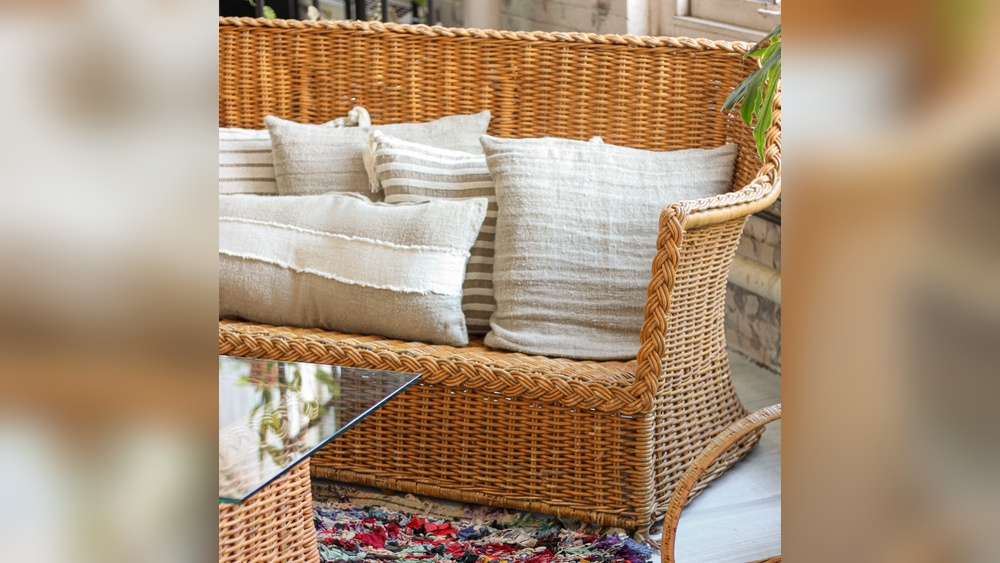
Your outdoor furniture is meant to be a place of comfort and relaxation. But when mildew starts to show up, it can quickly turn your favorite spot into an eyesore—and even cause damage if left untreated.
You don’t have to live with those stubborn stains or worry about ruining your furniture. In this guide, you’ll discover simple, effective steps to clean mildew off your outdoor furniture and restore its fresh, inviting look. Keep reading, and you’ll learn how to protect your investment while making your outdoor space shine again.

Credit: www.blesserhouse.com
Identify Mildew On Furniture
Knowing how to identify mildew on outdoor furniture is key to keeping it clean and safe. Mildew is a type of fungus that grows in damp areas. It can damage the furniture and cause health issues. Early detection helps stop mildew from spreading and ruining your outdoor space.
Look closely at your furniture often. Check for unusual spots or smells. This way, you can catch mildew early and act fast.
Common Signs Of Mildew
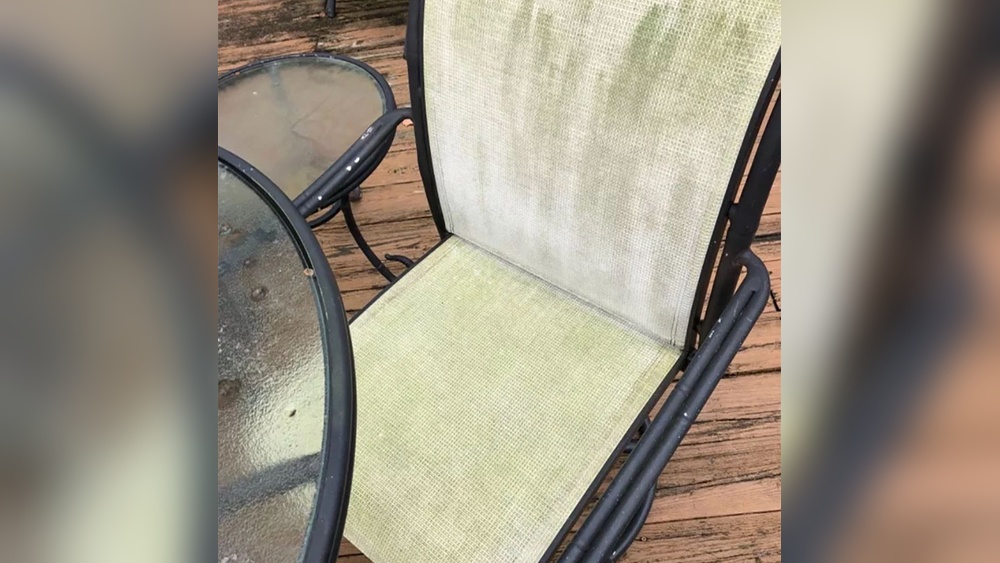
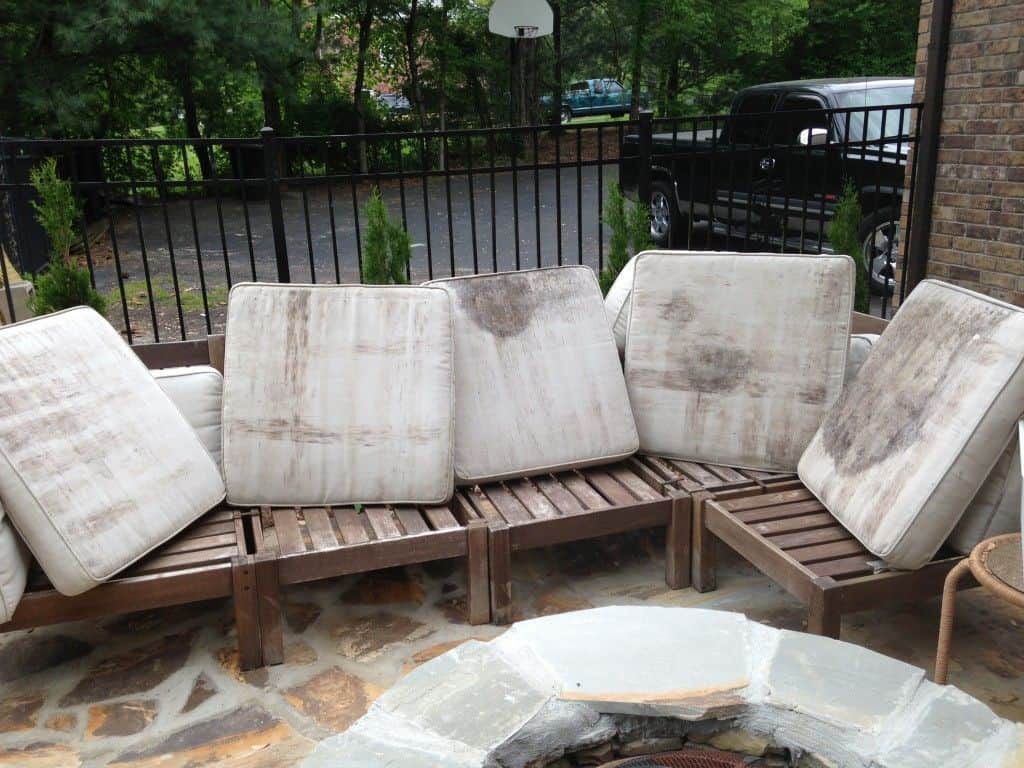
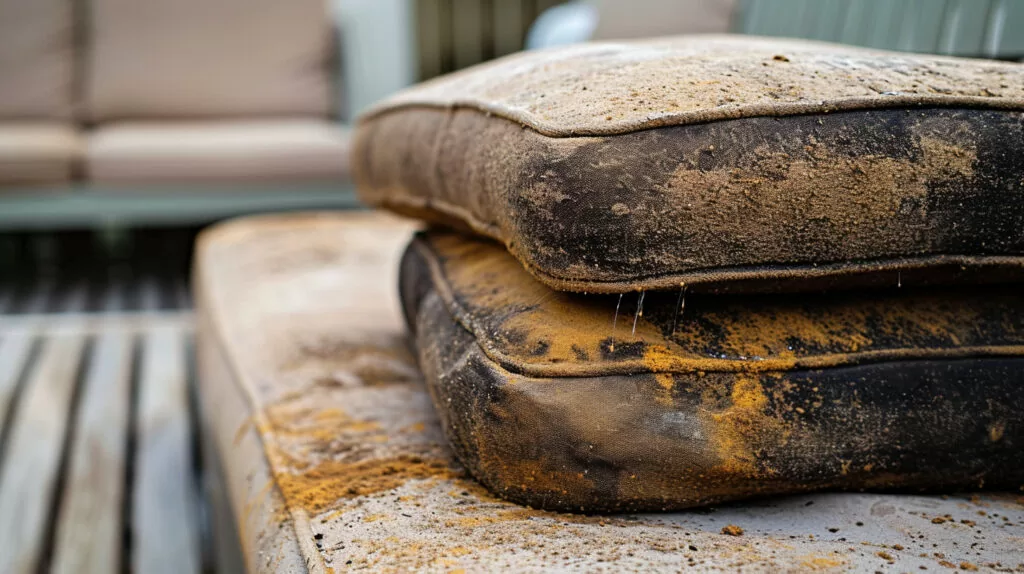
Mildew usually appears as small, patchy spots. These spots are often white, gray, or light green. They may look powdery or fuzzy. Mildew can also cause a musty smell around the furniture. Sometimes, the spots grow bigger and darker over time. You might notice the surface feels slimy or rough.
Types Of Outdoor Furniture Affected
Many kinds of outdoor furniture can get mildew. Wooden furniture is very prone to mildew, especially if not sealed properly. Fabric cushions and umbrellas can also develop mildew when left wet. Plastic and metal furniture can show mildew spots too. Any furniture left in shady, damp places is at higher risk.
Gather Cleaning Supplies
Gathering the right cleaning supplies is the first step to remove mildew from outdoor furniture. Having everything ready makes the process smooth and fast. It helps avoid interruptions during cleaning. Focus on tools and solutions that work well on mildew but are gentle on your furniture.
Essential Cleaning Tools
Start with a soft-bristle brush. It scrubs away mildew without scratching surfaces. A spray bottle helps apply cleaning solutions evenly. Use a bucket to mix water with cleaning agents. Wear gloves to protect your skin. Have old towels or rags ready for wiping and drying. A garden hose or a large container of water will help rinse furniture clean.
Recommended Cleaning Solutions
Mix white vinegar and water for a natural mildew cleaner. It kills mold and is safe on most materials. A mild dish soap also works well. Combine it with warm water to lift dirt and mildew. For tough stains, use a baking soda paste. Avoid harsh chemicals that can damage furniture or the environment. Always test cleaning solutions on a small area first.
Prepare Furniture For Cleaning
Preparing your outdoor furniture before cleaning mildew is key. It makes the process safer and more effective. Proper preparation helps protect your furniture and ensures thorough mildew removal.
Start by clearing the area around your furniture. This gives you space to work and prevents dirt or debris from spreading. Next, remove any cushions or fabrics to avoid damage during cleaning.
Move Furniture To A Suitable Area
Choose a shaded spot to move your furniture. Sunlight can dry cleaning solutions too fast, reducing their effect. A flat, open area is best for working comfortably. Avoid places near plants or grass to stop mildew spores from spreading.
Remove Cushions And Fabrics
Take off all cushions and fabric covers from your furniture. These items need separate cleaning to avoid damage. Check for care labels and follow washing instructions. Set cushions aside in a dry, ventilated space while you clean the furniture frame.
Cleaning Techniques For Different Materials
Different outdoor furniture materials need different cleaning methods. Using the right technique protects your furniture and removes mildew safely. This guide covers simple ways to clean wood, metal, plastic, resin, fabric, and cushions.
Cleaning Wood Furniture
Start by brushing off loose dirt and mildew with a soft brush. Mix warm water and mild soap. Use a sponge to scrub the wood gently. Avoid soaking the wood. Rinse with clean water and dry with a cloth. For tough mildew, use a mixture of vinegar and water. Test in a small area first. Apply the solution with a cloth, then rinse and dry.
Cleaning Metal Furniture
Remove loose dirt using a dry brush or cloth. Mix warm water and mild dish soap. Use a soft cloth or sponge to clean the metal surface. Avoid harsh scrubbing to prevent scratches. For rust spots, use a paste of baking soda and water. Rub gently with a cloth. Rinse the furniture thoroughly and dry it to stop rust from returning.
Cleaning Plastic And Resin Furniture
Plastic and resin furniture cleans easily with soap and water. Use a soft brush or sponge to scrub the surface. For mildew, mix one cup of bleach with one gallon of water. Apply carefully and scrub with a brush. Rinse well with water to remove all bleach. Let the furniture dry in the sun to prevent mildew from coming back.
Cleaning Fabric And Cushions
First, brush off dirt and mildew gently. Check the care label for cleaning instructions. For removable covers, wash in the machine with mild detergent. For non-removable cushions, use a mixture of water and mild soap. Apply the solution with a sponge and blot the area. Rinse with clean water and air dry fully before use to stop mildew growth.
Natural Remedies For Mildew Removal
Natural remedies offer safe ways to clean mildew from outdoor furniture. These solutions use common household ingredients. They are gentle on surfaces and the environment. They work well to remove mildew stains and odors.
Using natural products reduces the need for harsh chemicals. It also helps keep your outdoor space fresh and healthy. Let’s explore two effective natural remedies you can try today.
Using Vinegar And Baking Soda
White vinegar is a powerful mildew killer. It kills spores and stops growth. Mix one part vinegar with one part water in a spray bottle. Spray the solution on the mildew spots. Let it sit for 10 minutes.
Next, sprinkle baking soda on the sprayed areas. Use a soft brush to scrub gently. Baking soda helps lift mildew and cleans the surface. Rinse the furniture with water and dry it well. Repeat if needed for stubborn stains.
Lemon Juice And Salt Mixture
Lemon juice has natural acids that fight mildew. Salt acts as a mild abrasive to scrub off mildew. Mix equal parts lemon juice and salt to form a paste. Apply the paste to the affected areas.
Let the mixture sit for 15 minutes. Then, scrub with a brush or cloth. Rinse thoroughly with water and dry completely. This method also leaves a fresh, clean scent on furniture.
Prevent Mildew Growth
Preventing mildew on outdoor furniture is easier than cleaning it later. Mildew grows in damp and dark places. Keeping your furniture dry and clean stops mildew from starting. Follow these simple steps to protect your furniture all year.
Proper Storage Tips
Store your outdoor furniture in a dry place. Avoid leaving it outside during rain or snow. Use a shed or garage if possible. If not, move furniture to a covered area. Elevate furniture off the ground to avoid moisture. Proper storage limits dampness and stops mildew growth.
Regular Maintenance Routine
Clean your furniture every few weeks. Use a soft brush and mild soap to remove dirt. Rinse with water and dry fully before use. Check for spots of mildew and wipe them away quickly. A regular cleaning routine keeps mildew from settling in.
Using Protective Covers
Use breathable covers to protect your furniture. Covers block rain and dew but allow air flow. This prevents moisture buildup under the cover. Remove covers on dry days to let furniture air out. Protective covers lower the chance of mildew forming.
When To Call A Professional
Cleaning mildew from outdoor furniture can be simple. Some cases need more help. Knowing when to call a professional can save time and effort. Professionals have tools and skills to handle tough mildew safely. They protect your furniture and health.
Signs Mildew Is Extensive
Mildew covers large areas of your furniture. It looks black, green, or white. The smell is strong and musty. Mildew grows inside cracks and hard-to-reach spots. Cleaning feels hard or does not remove stains. Furniture feels weak or damaged. These signs show mildew is deep and widespread.
Professional Cleaning Services
Experts use special cleaners and equipment. They remove mildew without harming furniture. Professionals dry furniture to stop mildew return. They can fix damage caused by mildew. Services save your time and reduce health risks. Hiring experts ensures a thorough and safe clean.
Credit: www.simplyspotless.com.au
Credit: www.patioproductions.com
Frequently Asked Questions
How Do I Remove Mildew From Outdoor Furniture?
Use a mixture of water and mild detergent or vinegar. Scrub the furniture gently with a soft brush. Rinse thoroughly and let it dry in the sun to prevent mildew from returning.
What Household Items Clean Mildew Effectively?
White vinegar, baking soda, and mild dish soap are effective. Vinegar kills mildew spores, while baking soda removes stains. Always rinse well after cleaning to avoid residue.
Can I Use Bleach To Clean Mildew On Furniture?
Yes, but use diluted bleach with caution. Mix one part bleach to four parts water. Test on a small area first to avoid damage. Rinse well and dry furniture completely.
How Often Should I Clean Mildew From Outdoor Furniture?
Clean outdoor furniture at least twice a year. Regular cleaning prevents mildew buildup and extends furniture life. After rainy seasons, inspect and clean more frequently.
Conclusion
Cleaning mildew off outdoor furniture keeps it fresh and safe. Use gentle cleaners and soft brushes to avoid damage. Regular cleaning stops mildew from coming back. Dry furniture well after washing to prevent mold growth. Taking care of your furniture this way saves money and effort later.
Enjoy your clean outdoor space without worry. Simple steps bring big results. Keep your furniture looking its best all year.