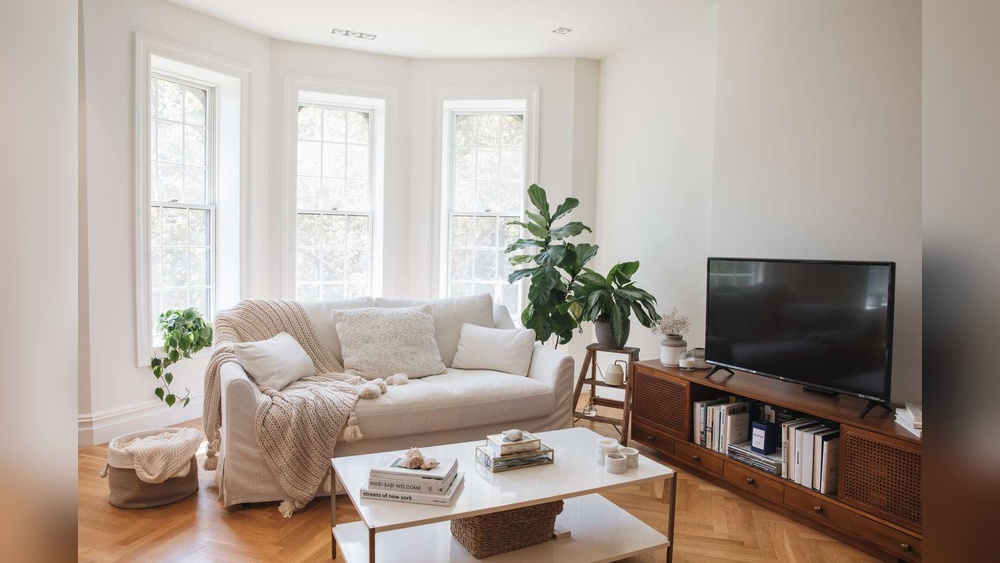
Are you struggling to arrange your living room furniture in a way that feels both comfortable and stylish? The way you configure your space can change everything—from how you relax after a long day to how you entertain guests.
Imagine walking into your living room and instantly feeling calm, cozy, and perfectly balanced. This article will guide you step-by-step on how to set up your furniture so your room looks inviting and works for your daily life. Keep reading, and you’ll discover simple tips that make a big difference in creating a space you love.

Credit: stylebyemilyhenderson.com
Assessing Your Living Room Space
Assessing your living room space is the first step in arranging furniture effectively. Knowing the size and shape of the room helps you choose the right pieces. It also makes sure the space feels open and comfortable.
Careful assessment avoids overcrowding and creates a pleasant flow. Focus on key details before moving furniture around. This will save time and effort.
Measuring Dimensions Accurately
Start by measuring the length and width of your living room. Use a tape measure for accuracy. Write down the numbers clearly. Measure doorways, windows, and any built-in features too.
Note ceiling height as well. This helps in selecting tall furniture or lighting. Sketch a simple floor plan with measurements. It gives a visual guide for planning.
Identifying Focal Points
Find the natural focus of the room. It could be a fireplace, TV, or large window. Arrange furniture to highlight this area. This creates a cozy and inviting atmosphere.
Make sure the focal point is easy to see from different seats. Avoid blocking it with bulky furniture. Use rugs or artwork to draw attention.
Considering Traffic Flow
Plan clear paths for easy movement. Leave space between furniture pieces. Avoid narrow walkways that feel cramped. Aim for at least two feet of walking space.
Think about how people enter and exit the room. Keep these areas free of obstacles. Smooth traffic flow improves comfort and safety.
Choosing The Right Furniture
Choosing the right furniture is key to a comfortable and stylish living room. Furniture sets the tone and affects how you use the space. It must fit well and meet daily needs.
Think about your room size and how people move around. Pick pieces that feel balanced and add to your style. Multi-functional furniture can save space and add value.
Selecting Pieces By Size And Scale
Start with measuring your living room. Choose furniture that fits without crowding. Large sofas suit big rooms but overwhelm small spaces.
Keep pathways clear for easy movement. Match furniture height with room size. Low-profile pieces work well in small rooms.
Balancing Style And Function
Style should match your taste and home design. Function means comfort and usability. A chair may look good but must be comfy too.
Pick colors and materials that blend with your decor. Avoid pieces that look nice but lack comfort or durability.
Incorporating Multi-functional Items
Choose furniture that serves more than one purpose. A sofa bed can host guests and provide seating. Ottomans with storage hide clutter.
Multi-use furniture saves space and adds convenience. It is perfect for small living rooms or busy households.
Arranging Furniture For Comfort
Arranging furniture in the living room is key to making it comfortable. The right setup helps people relax and enjoy the space. It also makes the room feel welcoming and easy to use.
Comfort comes from thoughtful placement of sofas, chairs, and tables. Each piece should have a purpose and fit well with others. This section covers simple ways to arrange furniture for comfort and style.
Creating Conversation Areas
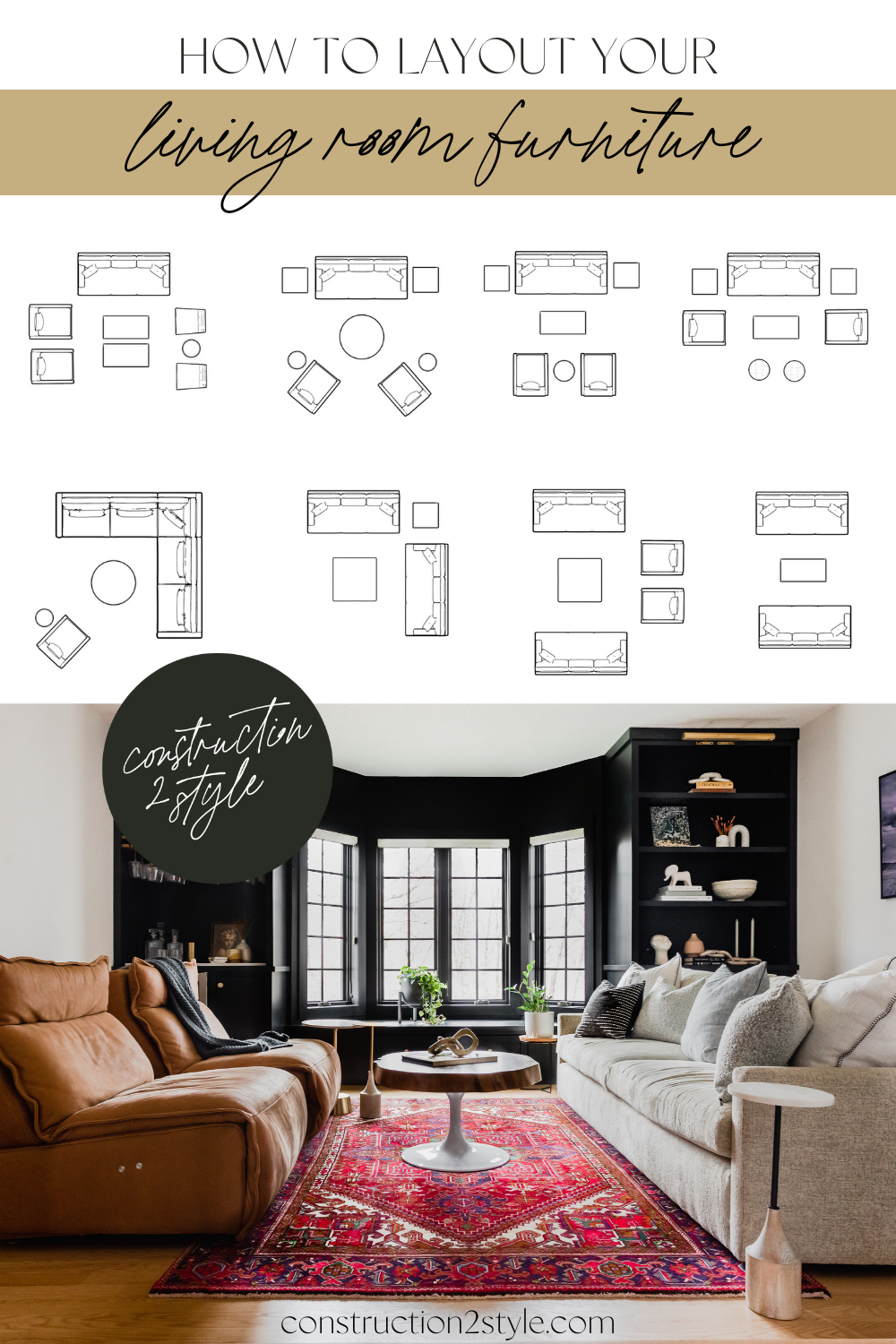
Group seating to encourage talking and sharing. Place sofas and chairs close enough for easy chatting. Avoid pushing all furniture against walls. Use a rug or coffee table to anchor the space. This creates a cozy spot for family and friends.
Positioning For Natural Light
Use windows as a guide for placing furniture. Arrange seats near natural light to brighten the room. Avoid blocking sunlight with large furniture pieces. Light makes the room feel open and warm. It also helps with reading and relaxing.
Optimizing Seating Placement
Place chairs and sofas so everyone has a good view. Keep enough space to walk between furniture. Balance the room by spreading out seats evenly. Angle chairs slightly for comfort and eye contact. Proper seating helps everyone enjoy the space easily.
Credit: construction2style.com
Maximizing Space With Layouts
Maximizing space in your living room starts with smart furniture layouts. Efficient arrangements make the room feel larger and more inviting. They help create clear paths and cozy spots without clutter. Choose layouts that fit your room size and lifestyle. Small changes can open up the space and improve flow.
Open Concept Arrangements
Open concept layouts remove barriers between living areas. This design blends the living room with dining or kitchen spaces. Use lightweight furniture and low-profile pieces to keep the space airy. Position sofas and chairs to face each other and encourage conversation. Open layouts make small rooms appear bigger and brighter.
Using Rugs To Define Zones
Rugs create visual zones within a living room. Place a rug under the seating area to anchor the space. Rugs add texture and color, making each zone distinct. Use rugs to separate play areas, reading nooks, or workspaces. This method organizes the room without adding walls or dividers.
Floating Vs. Wall-aligned Furniture
Floating furniture means placing pieces away from walls. This setup improves traffic flow and adds depth. Floating sofas and chairs create intimate conversation areas. Wall-aligned furniture saves space and opens the center of the room. Choose based on your room size and how you use the space.
Enhancing Aesthetics And Flow
Enhancing aesthetics and flow in your living room creates a space that feels inviting and balanced. Thoughtful furniture arrangement supports easy movement and a pleasing look. This balance helps the room feel comfortable and stylish at the same time.
Focus on how colors, textures, and accessories work together. Each element should add to the room’s mood without making it crowded or chaotic. The right setup invites relaxation and conversation.
Balancing Colors And Textures
Choose a color scheme that matches your style and room size. Soft colors open up small rooms. Bold colors add energy to large spaces. Mix textures like smooth leather, soft fabric, and rough wood. This mix adds depth and interest without cluttering the room.
Incorporating Accessories Strategically
Use accessories to highlight key areas. Place a vase or lamp on side tables to draw attention. Keep accessories in groups to avoid a scattered look. Select items that match your color palette for unity.
Maintaining Visual Harmony
Arrange furniture in a way that supports easy movement. Leave enough space between pieces. Use rugs and lighting to create zones. Repeat colors and shapes to tie the room together. Visual harmony makes the living room feel calm and welcoming.
Adapting Layouts For Different Needs
Adapting your living room layout helps meet different daily needs. Changing furniture positions creates a space that feels just right. You can make your living room cozy for family time, open for guests, or calm for work or reading. Small shifts in arrangement can improve comfort and function.
Family-friendly Arrangements
Place sofas and chairs close to each other. This setup invites conversation and shared moments. Keep pathways wide for kids to move safely. Use soft rugs and rounded furniture edges. Add storage solutions nearby for toys and books. The goal is a space that supports play and relaxation together.
Entertaining Guests
Arrange seating in a circle or semi-circle. This encourages easy talking and eye contact. Use flexible pieces like ottomans or stools for extra seats. Leave space for drinks and snacks. Create clear walkways to avoid crowding. Lighting should be warm but bright enough for mingling.
Working Or Reading Corners
Choose a quiet spot away from main activities. Position a comfortable chair with good back support. Add a small table or desk for books and devices. Use task lighting to reduce eye strain. Keep this area neat and clutter-free. It should feel calm and inviting for focus or rest.
:strip_icc()/living-room-large-area-rug-bcf9729c-14f549116b444f129b52258baf998392.jpg)
Credit: www.bhg.com
Frequently Asked Questions
How Do I Arrange Living Room Furniture For Space?
Start by measuring the room and furniture. Place larger pieces against walls. Keep pathways clear to avoid clutter. Use area rugs to define spaces. Ensure seating faces focal points like a TV or fireplace.
What Is The Best Furniture Layout For Small Living Rooms?
Use multi-functional furniture like storage ottomans. Opt for lighter, smaller pieces to save space. Arrange seating around a central point. Avoid overcrowding by leaving open walking paths. Mirrors can create an illusion of space.
How To Choose A Focal Point In Living Room?
Identify natural features like a fireplace or large window. Arrange furniture to face this focal point. Use artwork or lighting to enhance it. This draws attention and creates a cozy atmosphere. Keep decor balanced around the focal area.
How To Balance Comfort And Style In Furniture?
Select comfortable seating with stylish fabrics. Mix textures and colors for visual interest. Add cozy elements like cushions and throws. Choose furniture that fits the room’s scale. Prioritize both function and aesthetics for a harmonious space.
Conclusion
Arranging living room furniture is about comfort and style. Choose pieces that fit your space well. Keep pathways clear for easy movement. Mix sizes and shapes for a balanced look. Don’t crowd the room; leave some open space. Use lighting to highlight cozy corners.
Your living room should feel inviting and functional. Try different layouts until it feels right. Enjoy your new space with friends and family. Small changes can make a big difference. Make your living room a place you love.