Are you tired of hearing that annoying squeak every time someone moves on your bunk bed? A creaky bunk bed can disrupt sleep, cause frustration, and even make your room feel less cozy.
But what if you could design a bunk bed that stays silent, sturdy, and safe? You’ll discover simple, practical tips to build or choose a bunk bed that won’t squeak. Keep reading, and say goodbye to those irritating noises for good.
Choosing The Right Materials
Choosing the right materials is key to designing a bunk bed that does not squeak. The materials affect the bed’s strength and noise level. Strong, sturdy parts reduce movement and creaks. Poor materials cause loose joints and annoying sounds. Focus on quality wood, metal, and hardware. This choice helps build a quiet, safe bunk bed.
Wood Types For Stability
Solid hardwood is the best wood choice for bunk beds. Oak, maple, and birch offer great strength and durability. These woods resist bending and cracking under weight. Avoid softwoods like pine, which wear out faster and may squeak. Hardwood joins tightly, reducing movement and noise. Smooth, well-finished wood also prevents friction sounds.
Metal Options And Benefits
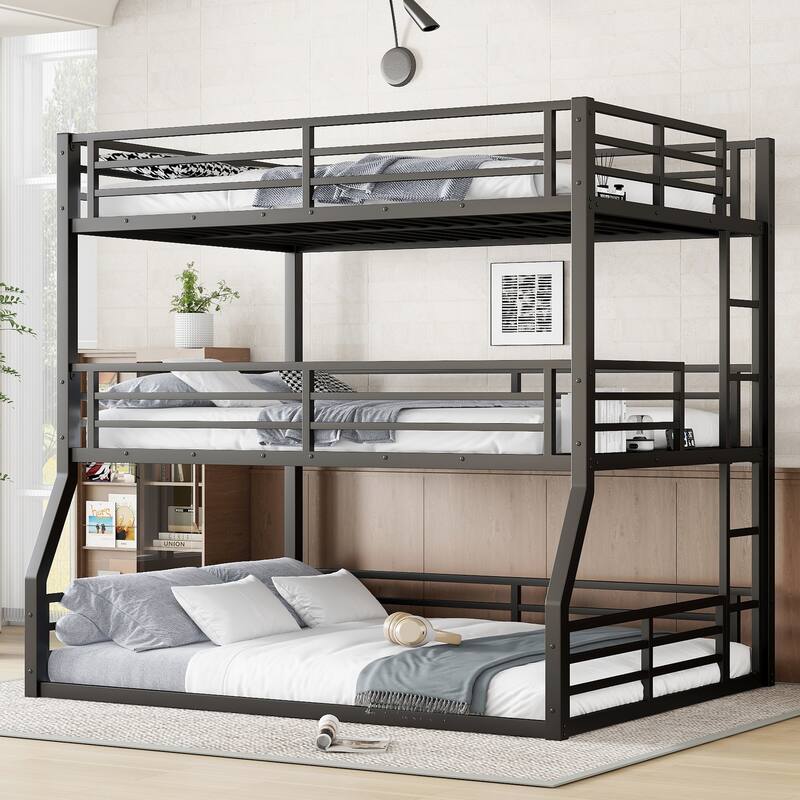
Metal bunk beds are strong and long-lasting. Steel frames provide excellent support and resist bending. Powder-coated metal reduces rust and squeaks. Metal joints fit tightly, limiting movement. Look for thick metal tubing for extra strength. Metal beds are easier to maintain and clean. Choose metal if you want a quiet, modern bunk bed.
Avoiding Cheap Components
Cheap screws and bolts cause loose connections and noise. Use high-quality fasteners that fit perfectly. Tight hardware keeps the bed stable and silent. Avoid plastic parts, which break or wear out quickly. Metal brackets and solid fasteners hold joints firmly. Investing in good components ensures a squeak-free bunk bed for years.
Designing For Strength
Designing for strength is key to building a bunk bed that does not squeak. A strong bed frame holds firm under pressure. It prevents movement that causes noise. Careful design choices make the bed sturdy and quiet. Focus on solid structure, secure joints, and even weight spread.
Optimal Frame Structure
Choose thick, durable wood or metal for the frame. Use a rectangular or square base for stability. Cross beams add extra support and stop wobbling. Keep the frame low to the ground for less sway. Strong frames reduce shaking and noise over time.
Reinforcing Joints And Connections
Use screws instead of nails to join pieces. Screws hold parts tightly and resist loosening. Add metal brackets or corner braces at joints. Glue wood joints before screwing for extra strength. Check all connections regularly to keep the bed solid.
Weight Distribution Tips
Place the mattress evenly on slats or a solid base. Use multiple slats to spread weight across the frame. Avoid gaps that let the mattress sag or shift. Balance weight between both bunks to prevent stress. Even weight means less strain and less squeak.
Preventing Squeaks In Joints
Squeaks in bunk beds often start at the joints. These are the points where different parts meet and move slightly. Preventing squeaks means focusing on these connections. Strong, tight joints reduce noise. Careful design and assembly keep the bed quiet and safe.
Using Quality Fasteners
Choose screws and bolts made from strong materials like steel. Cheap fasteners can bend or loosen quickly. Use fasteners with a proper fit for the wood or metal. Avoid nails as they loosen easily over time. Good fasteners hold parts tightly together.
Applying Lubricants Correctly
Lubricants reduce friction between moving parts. Use a small amount on screws and bolts. Avoid excess oil, which can attract dust and dirt. Graphite powder or silicone spray works well without mess. Proper lubrication helps joints move smoothly and quietly.
Tightening Techniques
Tighten fasteners evenly and firmly. Use the right tools to avoid stripping screws. Check all joints twice during assembly. Re-tighten screws after the bed has been used for a few days. Proper tightening prevents gaps and stops creaking noises.

Credit: www.overstock.com
Assembly Best Practices
Building a bunk bed that does not squeak starts with careful assembly. Proper assembly reduces movement and noise. Follow clear steps and check parts often. This section covers the best ways to assemble your bunk bed. These tips help keep the bed strong and quiet over time.
Step-by-step Assembly Tips
Read the instructions fully before starting. Lay out all parts and tools. Tighten all screws and bolts by hand first. Use a screwdriver or wrench to secure them firmly. Avoid over-tightening, which can damage wood or metal. Work on a flat surface to keep parts stable. Assemble the frame in the order given in the instructions. Double-check each connection before moving on.
Ensuring Proper Alignment
Check that all parts fit well together. Align the bed’s frame and slats carefully. Misaligned parts cause wobbling and squeaks. Use a level to confirm straight edges. Adjust parts before tightening bolts completely. Ensure the mattress sits evenly. Proper alignment keeps the bed solid and quiet.
Regular Maintenance Checks
Inspect the bunk bed regularly for loose screws. Tighten any that have loosened over time. Look for cracks or worn parts. Replace damaged pieces promptly. Clean joints to remove dust or dirt. Lubricate metal parts lightly if needed. Regular checks prevent noises and keep the bed safe.
Additional Noise Reduction Ideas
Reducing bunk bed noise goes beyond tight screws and solid frames. Small fixes can cut down on creaks and squeaks. These tips focus on softening the contact points and stopping friction. Use these easy ideas to make your bunk bed quieter and more comfortable.
Adding Padding Or Rubber Washers
Place rubber washers between bolts and wood parts. They act like cushions to stop metal rubbing on wood. Soft padding at joints lowers noise from movement. Felt pads or foam strips work well under slats and rails. These simple layers absorb sound and reduce friction.
Using Anti-squeak Sprays
Anti-squeak sprays lubricate joints and metal parts. Spray on bolts, hinges, and moving areas. The lubricant fills gaps and stops rubbing sounds. Use sprays safe for wood and metal surfaces. Repeat application keeps noise low over time.
Covering Contact Points
Wrap key contact points with cloth or tape. Cloth strips soften hard surfaces that touch each other. Electrical or fabric tape can create a quiet barrier. Cover edges of slats, beams, and support brackets. This stops parts from grinding and reduces sound.
Credit: www.overstock.com

Credit: www.amazon.com
Frequently Asked Questions
How Can I Prevent Bunk Bed Squeaking?
Use high-quality materials and tight screws. Apply lubricant to joints. Regularly check and tighten bolts to keep the bed stable and silent.
What Materials Reduce Bunk Bed Noise Effectively?
Solid wood and metal frames reduce noise. Choose hardwoods like oak or maple. Metal with smooth welds also minimizes squeaks.
How Often Should I Maintain A Bunk Bed?
Inspect and tighten bolts monthly. Lubricate joints every few months. Regular upkeep prevents loose parts and reduces squeaking over time.
Does Mattress Type Affect Bunk Bed Noise?
Yes, firm mattresses reduce movement and noise. Avoid overly soft or sagging mattresses as they increase bed movement and squeaks.
Conclusion
Designing a bunk bed that does not squeak takes care and the right steps. Tighten all screws and bolts regularly. Use wood glue on joints for extra strength. Add felt pads between wood parts to stop friction. Choose quality materials that fit well together.
Test the bed before use to find noise spots. Quiet bunk beds make sleep better and safer. Follow these tips to build a sturdy, silent bunk bed. Enjoy peaceful nights without annoying creaks or noises. Simple actions lead to a comfortable and lasting bed.