Are you ready to create a cozy, safe space for your little one to sleep? Building a toddler bed from wood is easier than you might think—and it gives you the chance to customize every detail just the way you want.
Imagine the pride you’ll feel when your child climbs into a bed you made with your own hands. In this guide, you’ll find simple steps, clear instructions, and helpful tips that make the whole process smooth and fun. Keep reading, and soon you’ll have a beautiful, sturdy bed your toddler will love.
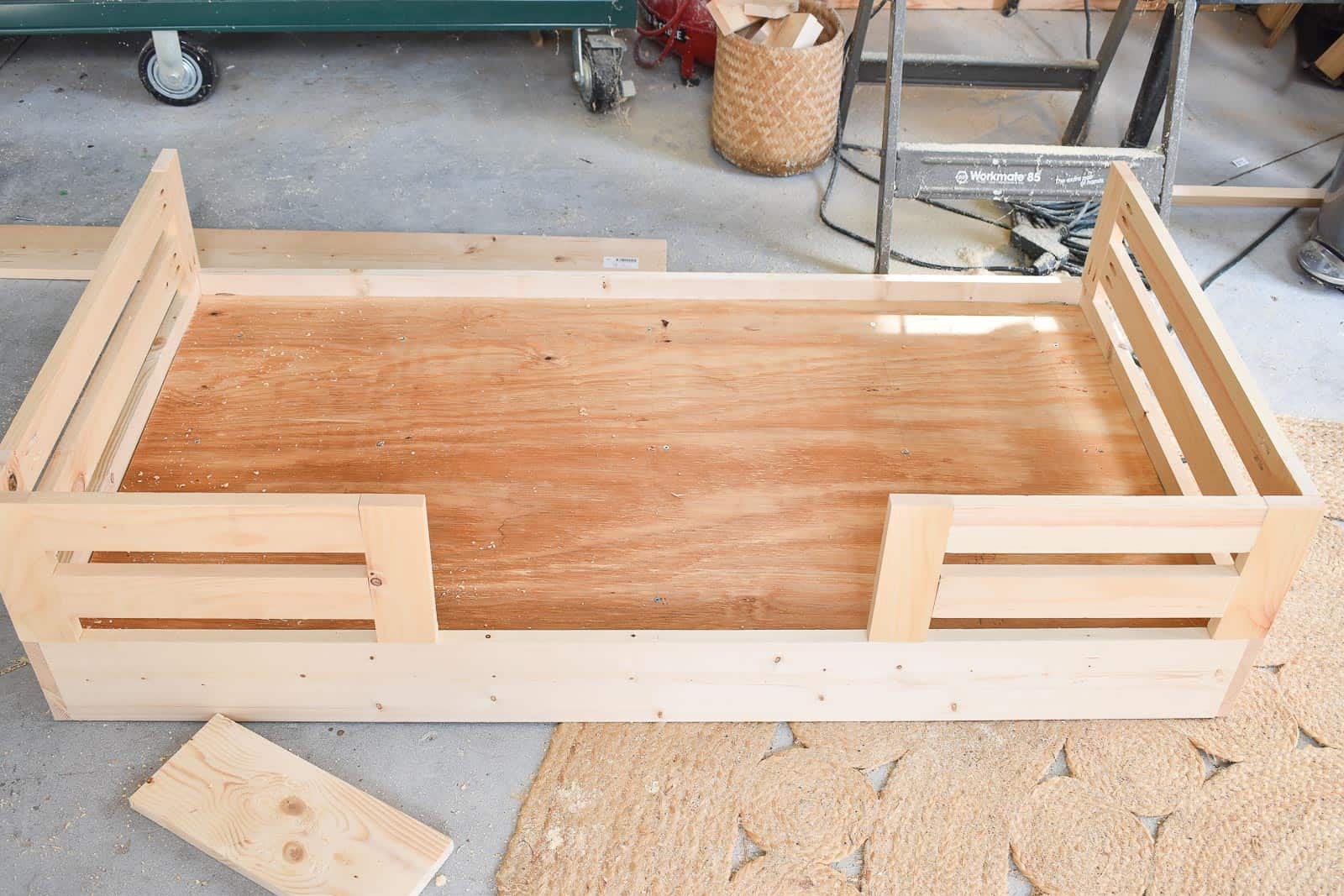
Credit: atcharlotteshouse.com
Materials And Tools Needed
Building a toddler bed from wood requires the right materials and tools. Choosing quality supplies ensures the bed is safe and sturdy. This section lists everything needed to complete the project smoothly.
Gathering all materials and tools before starting saves time and frustration. It also helps create a clear plan for the work ahead.
Wood Materials
Use strong, smooth wood for the bed frame. Pine, oak, or maple work well. Buy planks that are free from cracks or knots. Sand the wood to avoid rough edges that can hurt your child.
Fasteners And Hardware
Get wood screws, nails, and brackets for firm joints. Choose screws that are rust-resistant and the right size. Wood glue adds extra strength to connections. Consider safety bed rails and corner brackets for added support.
Tools Required
Essential tools include a saw, drill, and screwdriver. Use a measuring tape for accurate cuts. Sandpaper or a power sander smooths the surfaces. A clamp helps hold pieces together while gluing or screwing.
Finishing Supplies
Pick child-safe paint or wood finish. Non-toxic, water-based options protect the wood and keep it safe. Brushes or rollers help apply the finish evenly. Allow enough drying time before use.
Choosing The Right Wood
Choosing the right wood is very important when building a toddler bed. The wood must be strong and safe for young children. It should also look nice and last a long time. Picking the right type of wood makes the bed sturdy and comfortable for your toddler.
Some woods are easier to work with, while others are harder but more durable. The wood’s finish matters too. It should be smooth and free of splinters to protect your child’s skin. The right wood helps create a safe and cozy sleeping space.
Hardwood Vs. Softwood
Hardwood is strong and lasts a long time. Examples include oak, maple, and cherry. These woods resist dents and scratches well. Softwood, like pine or cedar, is lighter and easier to cut. It is less expensive but may dent easier. Choose hardwood for durability. Pick softwood for easier handling and lower cost.
Non-toxic And Safe Wood
Safety is key for toddler furniture. Select wood that is free from harmful chemicals. Avoid treated or painted wood with toxic finishes. Natural wood like untreated pine or maple is safer. Seal the wood with child-safe finishes to protect it. This keeps the bed healthy and safe for toddlers.
Wood Grain And Appearance
Wood grain affects the bed’s look. Smooth, fine grain wood feels nice to touch. It also looks neat and clean. Some grains show knots or patterns that add character. Choose wood with a grain you like. This makes the bed both attractive and unique.
Wood Availability And Cost
Consider wood that is easy to find locally. This lowers cost and delivery time. Some woods are expensive and hard to get. Others are common and budget-friendly. Balance cost with quality for the best result. Choose wood that fits your budget and project needs.
Designing The Toddler Bed
Designing a toddler bed is the first step in building a safe, comfortable sleeping space. A well-thought design fits the mattress perfectly and keeps your child secure. It also helps you plan the materials and tools needed for the build.
Focus on simple, clear measurements and a sturdy frame. Safety must be a priority to prevent accidents and injuries. Let’s explore the key parts of designing your toddler bed.
Measuring Mattress Size
Start by measuring the mattress size accurately. Most toddler mattresses are 28 by 52 inches. Use a tape measure to check width, length, and thickness. Write down these numbers. The bed frame must match these dimensions. Leave a little space for bedding but not too much. This ensures the mattress fits snugly without gaps.
Sketching The Frame
Draw a simple sketch of the bed frame on paper. Include the headboard, footboard, and side rails. Mark where the mattress will sit. Use straight lines and clear labels. Keep the design low to the ground for easy access. Plan for slats or a solid base to support the mattress. This helps you visualize the final product and guides your cutting and assembly.
Safety Considerations
Safety is the most important part of design. Avoid sharp edges and splinters. Sand all wood surfaces smooth. Make guardrails high enough to stop falls but low enough for easy climbing. Use non-toxic paint or finish. Check for small parts that could be choking hazards. Strong joints and sturdy construction keep the bed safe and durable. Always follow safety standards for toddler furniture.

Credit: www.reddit.com
Cutting The Wood Pieces
Cutting the wood pieces is an important step in building a toddler bed. Accurate cuts ensure the bed fits together well and stays safe. Careful measurement and clean cuts make the assembly easier and the final bed stronger. Take time to prepare the wood and use tools carefully. This will help you create a sturdy and smooth toddler bed that your child can enjoy.
Preparing The Wood
Start by selecting wood that is smooth and free of cracks. Use a pencil and ruler to mark the exact measurements for each piece. Double-check all measurements before cutting. Mark straight lines clearly for clean cuts. Arrange the wood pieces in order to avoid confusion. Sand rough edges lightly before cutting. This helps prevent splinters and uneven cuts.
Using Power Tools Safely
Wear safety goggles and gloves before using any power tools. Keep your fingers away from the blade at all times. Use clamps to hold the wood steady while cutting. Turn on the saw before touching the wood, and push slowly through the marked lines. Work in a clean, well-lit space to see clearly. Unplug tools when not in use to avoid accidents. Follow the tool instructions carefully to protect yourself and your work.
Assembling The Bed Frame
Assembling the bed frame is the next step after preparing your wood pieces. This process creates a strong base for the mattress and ensures safety. Focus on making tight, secure joints. Take your time to align all parts carefully. A well-built frame lasts longer and feels stable.
Joining Side Rails
Start by attaching the side rails to the headboard and footboard. Use wood screws or bolts for a firm hold. Pre-drill holes to avoid wood splitting. Check that rails are level before tightening screws. The side rails support the mattress and keep it in place.
Attaching Slats
Lay the slats evenly across the side rails. Space them about two to three inches apart for good mattress support. Secure each slat with screws or nails. Double-check for any loose slats to prevent movement. Proper slat placement increases bed strength and comfort.
Securing Headboard And Footboard
Ensure the headboard and footboard are tightly fixed to the side rails. Use brackets or corner braces for extra stability. Tighten all screws firmly but avoid overtightening. This step keeps the frame from wobbling or coming apart. A secure frame is safer for toddlers.
Sanding And Finishing
Sanding and finishing are key steps in building a toddler bed from wood. They make the bed safe and beautiful for your child. Sanding smooths rough edges and prepares the wood for paint or varnish. Finishing protects the wood and adds color or shine. Both steps help the bed last longer and look great.
Smoothing Edges
Start sanding with coarse sandpaper to remove splinters and rough spots. Use gentle pressure to avoid damaging the wood. Move to finer sandpaper for a smooth finish. Check all edges and corners carefully. Smooth edges prevent injuries and make the bed comfortable to touch. Take your time and be thorough.
Applying Paint Or Varnish
Choose non-toxic paint or varnish safe for children. Apply thin, even coats with a brush or roller. Let each coat dry completely before adding the next. Paint adds color and personality to the bed. Varnish keeps the wood natural but shiny and protected. Both options create a durable surface that resists stains and scratches.
Adding Safety Features
Safety is the top priority when building a toddler bed. Young children need extra protection while they sleep. Adding safety features helps prevent falls and injuries. It also gives parents peace of mind. Focus on simple but effective safety steps.
Installing Guardrails
Guardrails stop toddlers from rolling off the bed. Use sturdy wood pieces on each side of the mattress. Make sure the rails are tall enough to keep your child inside. Attach the rails firmly with screws and brackets. Check that there are no gaps where a child could get stuck.
Checking For Sharp Edges
Sharp edges can hurt little hands and feet. Sand all corners and edges until smooth. Use a fine-grit sandpaper for a soft finish. Round off any corners that stick out. Inspect the bed carefully for nails or screws that might stick out. Cover or remove any hazards found.
Final Inspection And Setup
After finishing the toddler bed, the last step is the final inspection and setup. This step ensures the bed is safe and ready for use. It helps catch any small problems before the child starts using it.
Take your time to check every part of the bed. Make sure all screws and joints are tight. Look for any sharp edges or splinters that might hurt the child. This careful review keeps the bed strong and safe.
Testing Bed Stability
Push and shake the bed gently to test its stability. It should not wobble or move easily. Sit on the edge and press down to see if it holds firm. Tighten any loose screws or bolts found during this test. A stable bed prevents accidents and gives peace of mind.
Positioning In The Room
Choose a safe spot for the bed in the child’s room. Avoid placing it near windows or heaters. Keep it away from cords or other hazards. Make sure there is enough space around the bed for easy access. Proper positioning helps create a safe and comfortable sleep area for your toddler.

Credit: www.youtube.com
Frequently Asked Questions
What Materials Are Needed To Build A Toddler Bed?
You need quality wood, screws, a saw, sandpaper, wood glue, and a drill. Choose safe, non-toxic finishes to protect your child.
How Long Does It Take To Build A Toddler Bed?
Building a toddler bed typically takes 4 to 6 hours. Time varies based on your skill level and tool availability.
What Safety Features Should A Wooden Toddler Bed Have?
Ensure smooth edges, no sharp corners, sturdy guardrails, and a low height to prevent falls. Use non-toxic paint or finish.
Can Beginners Build A Toddler Bed From Wood?
Yes, beginners can build a toddler bed by following clear plans and instructions. Basic woodworking skills and patience are essential.
Conclusion
Building a toddler bed from wood takes time and care. You can create a safe and comfy space for your child. Follow the steps carefully and use the right tools. Always check the bed for stability before use. This project brings pride and saves money too.
Enjoy the process and the final result. Your little one will love their new bed. Simple projects like this make great family memories. Try it, and see how rewarding it feels.