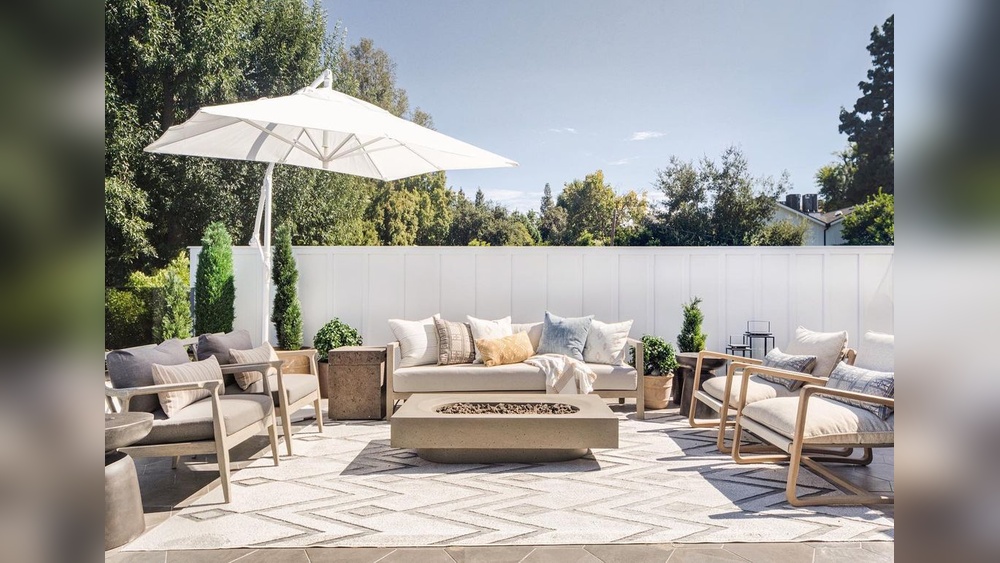
Imagine stepping outside to a space that feels like your personal oasis—comfortable, stylish, and perfectly designed just for you. Creating an outdoor furniture area that looks beautiful and invites relaxation doesn’t have to be complicated or expensive.
Whether you have a small balcony or a large backyard, you can transform your outdoor space into a stunning retreat that reflects your taste and lifestyle. Ready to discover simple yet powerful ways to design your outdoor furniture space beautifully?
Keep reading, because your dream outdoor haven is closer than you think.
Choosing The Right Location
Choosing the right location is key to designing a beautiful outdoor furniture space. It sets the mood and comfort for your outdoor area. The perfect spot balances sunlight, shade, privacy, and views. It also uses space smartly. These factors help create a cozy and functional setting for relaxing or entertaining.
Assessing Sunlight And Shade
Check how much sunlight the area gets during the day. Some spots get full sun, others stay mostly shaded. Choose a place that suits your needs. For example, a sunny spot is great for morning coffee or sunbathing. A shaded area works well for hot afternoons or when you want to avoid glare.
Consider adding umbrellas or pergolas to control shade. This helps keep the space comfortable and protects your furniture from sun damage.
Considering Privacy And Views
Privacy makes your outdoor space feel like a retreat. Look for locations away from neighbors’ windows or busy streets. Use plants, screens, or fences to create privacy. This also blocks unwanted noise.
Think about the views around your space. Facing a garden, water, or trees adds beauty and calmness. Avoid spots with messy or noisy views to keep the area pleasant.
Maximizing Space Efficiency
Measure the area carefully before placing furniture. Choose pieces that fit well without crowding. Leave enough room for easy walking and movement.
Use multifunctional furniture like benches with storage or foldable tables. This saves space and keeps the area tidy. Plan the layout to make the most of corners and walls.
Credit: blog.ashleyfurniture.com
Selecting Furniture Styles
Selecting the right furniture style shapes your outdoor space’s look and feel. It sets the mood and defines comfort. Choosing styles that blend well with your environment makes the area inviting. Each style offers unique features and benefits. Pick one that matches your taste and outdoor setting.
Modern Minimalist Designs
Modern minimalist furniture uses clean lines and simple shapes. It focuses on function without extra decoration. Neutral colors like white, black, and gray dominate this style. Materials such as metal, glass, and smooth wood suit the look. This style fits small or open spaces well. It creates a calm and neat outdoor area.
Rustic And Natural Looks
Rustic furniture uses natural materials like wood and stone. It feels warm and cozy. The pieces often have rough textures and earthy colors. This style blends easily with gardens or woodlands. It brings nature close and feels inviting. Rustic designs suit casual, relaxed outdoor spaces.
Classic And Timeless Pieces
Classic furniture never goes out of style. It features elegant details and sturdy builds. Colors often include soft pastels or deep wood tones. Materials like wrought iron and polished wood are common. This style adds charm and sophistication. It works well in traditional or formal outdoor areas.
Material Choices For Durability
Choosing the right material is key to making your outdoor furniture last. Durable materials stand up to sun, rain, and wind. They keep your space looking great for years. This section covers strong materials for outdoor furniture. Each option offers different benefits for durability and style.
Weather-resistant Woods
Teak, cedar, and redwood resist moisture well. These woods do not rot easily and handle sun exposure. Their natural oils protect against insects and decay. Over time, they develop a nice silver-gray patina. Weather-resistant woods give a warm, natural look. They need occasional sealing to stay strong.
Metal And Aluminum Options
Metal furniture offers great strength and longevity. Aluminum is light and resists rust. Steel is heavier but very sturdy with a protective coating. Metals can be shaped into sleek, modern designs. They require little maintenance but may get hot in direct sun. Powder coating improves metal’s weather resistance.
Synthetic And Woven Materials
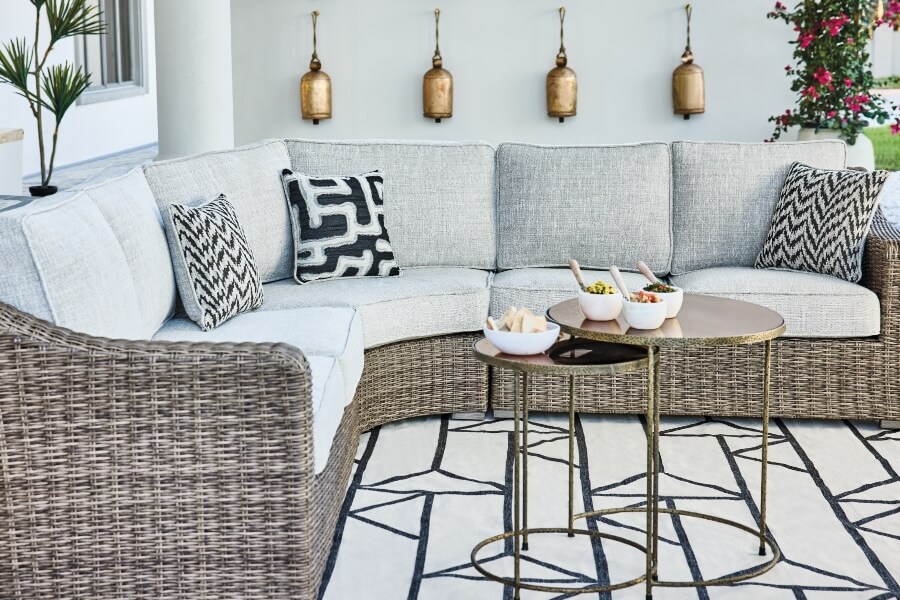
Resin wicker and synthetic fibers handle outdoor use well. These materials repel water and resist fading. They look like natural wicker but last longer. Easy to clean and lightweight, they suit many styles. Synthetic options stay flexible and do not crack in cold weather. Perfect for casual and comfortable outdoor spaces.
Color Schemes And Textures
Choosing the right color schemes and textures is key to creating a beautiful outdoor furniture space. Colors set the mood, while textures add interest and comfort. Together, they shape the overall look and feel of your outdoor area.
Think about the atmosphere you want. Calm and peaceful? Bright and lively? Or a mix of both? Your choices will guide your design and make your space inviting.
Neutral Tones For Calm Spaces
Neutral colors like beige, gray, and white create a calm, relaxing vibe. They blend well with natural surroundings such as plants and wood. These tones make the space feel open and airy. You can add soft cushions in light shades for extra comfort. Neutral colors suit minimalist and modern styles perfectly.
Bold Colors For Vibrancy
Bright colors like red, blue, or yellow bring energy to your outdoor space. Use bold hues on pillows, rugs, or chairs to create focal points. These colors make your area lively and fun. Bold colors work well in casual or eclectic settings. Balance them with neutral backgrounds to avoid overwhelming the eye.
Mixing Textures For Depth
Combining different textures adds depth and interest. Think of smooth metal, rough wood, soft fabrics, and woven materials. Textures create a tactile experience and enhance comfort. Mix natural textures with synthetic ones for durability and style. A layered look feels rich and inviting in any outdoor setting.
Comfort And Functionality
Comfort and functionality are key to designing beautiful outdoor furniture spaces. A space that feels cozy invites people to relax and enjoy. Functionality ensures the space works well for different activities. Combining both creates an outdoor area that looks good and feels great.
Cushions And Upholstery Tips
Choose cushions with weather-resistant fabric. They stay dry and clean longer. Pick cushions thick enough to provide soft support. Use colors and patterns that match your style. Removable covers make cleaning simple. Add throw pillows for extra comfort and style.
Multi-purpose Furniture Ideas
Select furniture that serves more than one use. Storage benches hold cushions and outdoor items. Folding tables and chairs save space when not needed. Ottomans can act as seats or footrests. Choose pieces that fit your space and needs well.
Ergonomic Considerations
Pick chairs with good back support to avoid discomfort. Seat height should allow feet to rest flat on the ground. Armrests add comfort for longer sitting times. Tables should be at a comfortable height for eating or working. Test furniture before buying for best fit.

Credit: www.home-designing.com
Incorporating Greenery And Decor
Adding greenery and decor transforms any outdoor furniture space. It creates a fresh, inviting atmosphere. Plants bring life and color. Decor adds personality and style. Together, they make the space feel cozy and beautiful.
Planters And Vertical Gardens
Planters are great for small or large spaces. Use colorful pots to brighten corners. Choose plants that suit your climate. Vertical gardens save space and add texture. They turn blank walls into green art. Herbs, flowers, and succulents work well.
Outdoor Rugs And Lighting
Outdoor rugs define the seating area. They add warmth and comfort underfoot. Pick rugs with weather-resistant materials. Lighting extends use after dark. Soft string lights create a gentle glow. Solar lamps are eco-friendly and easy to place. Mix different lights for mood and function.
Decorative Accessories
Cushions and throws add color and softness. Choose patterns that complement your furniture. Use waterproof fabrics for durability. Add small statues, lanterns, or wind chimes. These items show your style and make space unique. Keep decor balanced to avoid clutter.
Creating Zones And Layouts
Designing outdoor furniture space starts with creating clear zones and layouts. This helps organize your area and makes it inviting. Different zones serve different purposes. Each zone should feel comfortable and fit its use. Proper layout improves flow and usability. It also defines the mood of your outdoor space.
Dining Areas
Dining areas are perfect for meals and gatherings. Choose a table size that fits your space well. Leave enough room for chairs to move freely. Use weather-resistant furniture for durability. Add an umbrella or shade for sun protection. Keep the dining zone close to the kitchen if possible. This makes serving food easier and faster.
Lounge Spaces
Lounge spaces invite relaxation and socializing. Use comfortable seating like sofas, chairs, or benches. Arrange furniture in a way that encourages conversation. Include side tables for drinks and snacks. Add cushions and throws for extra comfort. Place the lounge area in a quiet spot with good shade. This creates a peaceful retreat for your outdoor space.
Fire Pit And Entertainment Zones
Fire pit zones bring warmth and a cozy feel. Choose a safe spot away from flammable plants or structures. Surround the fire pit with seating to enjoy the fire. Use durable, heat-resistant furniture. Add soft lighting for a pleasant ambiance. Entertainment zones need space for games or speakers. Plan the layout to keep pathways clear and easy to move around.
Maintenance And Care Tips
Maintaining outdoor furniture keeps your space inviting and fresh. Proper care helps furniture last longer. It also saves money on replacements. Small daily habits protect your investment. Follow these simple tips for best results.
Cleaning And Protecting Furniture
Clean furniture regularly using mild soap and water. Use a soft cloth or brush to remove dirt. Avoid harsh chemicals that damage surfaces. Rinse thoroughly and let dry completely. Apply a protective spray or sealant for wood and metal. This shields furniture from sun and rain. Cover furniture when not in use to prevent dust build-up.
Seasonal Storage Solutions
Store furniture indoors during harsh weather seasons. Use waterproof covers if indoor storage is not possible. Disassemble large pieces to save space and prevent damage. Keep cushions dry and store separately to avoid mold. Check stored items periodically for pests or moisture. Proper storage reduces wear from extreme temperatures and moisture.
Preventing Wear And Tear
Place furniture on flat, stable ground to avoid wobbling. Use furniture pads under legs to protect flooring and legs. Rotate cushions regularly to prevent uneven fading. Avoid dragging furniture; lift it to move. Trim nearby plants to stop scratches and stains. Regular inspections help spot small issues early for quick fixes.

Credit: www.housebeautiful.com
Frequently Asked Questions
What Materials Are Best For Outdoor Furniture Design?
Durable materials like teak, aluminum, and synthetic wicker work best outdoors. They resist weather, moisture, and UV damage, ensuring longevity and easy maintenance.
How To Maximize Space In Small Outdoor Areas?
Use compact, multi-functional furniture and vertical planters. Opt for foldable or stackable pieces to create flexible, clutter-free outdoor living spaces.
What Colors Enhance Outdoor Furniture Aesthetics?
Neutral tones with pops of bright colors create a balanced look. Earthy hues blend with nature, while vibrant accents add personality and charm.
How To Protect Outdoor Furniture From Weather?
Apply weather-resistant sealants and covers. Store cushions indoors during rain and use UV-protective sprays to prevent fading and damage.
Conclusion
Creating a beautiful outdoor furniture space takes planning and care. Choose pieces that fit your style and space well. Add cozy cushions and colors to bring warmth. Use plants and lights to make the area inviting. Keep the space tidy and comfortable for relaxing.
Enjoy your outdoor area with friends and family. A nice space outdoors can make your home feel larger. Simple touches can change the whole look and feel. Start small and build your perfect outdoor spot over time.


