Are you ready to build your very own bookshelf using Khan Academy? This project is a fun way to learn coding step by step, even if you’ve never tried before.
Imagine creating something useful while discovering how programming works behind the scenes. In this guide, you’ll find simple instructions that make the process clear and exciting. Keep reading, and by the end, you’ll have a cool project to show off—and skills you can use again and again.
Let’s get started!

Credit: forum.freecodecamp.org
Getting Started With Khan Academy
Starting with Khan Academy is simple and fun. This platform offers many free learning tools. Project Bookshelf is one of them. It helps you learn by doing projects step-by-step. To begin, you need to set up your account and find the project. Follow these easy steps to get started quickly.
Creating A Khan Academy Account
First, visit the Khan Academy website. Click the “Sign Up” button at the top right corner. You can use your email or a Google account. Fill in the required details like name and password. Verify your email if asked. This process takes only a few minutes. After that, you will have your own account to save progress and access projects.
Navigating To Project Bookshelf
Log in to your Khan Academy account. Use the search bar at the top and type “Project Bookshelf.” Click on the project link from the search results. You will see the project introduction and instructions. Follow the steps in order to complete your project. You can start learning right away with clear guidance on each task.

Credit: forum.freecodecamp.org
Materials Needed
Starting the Project Bookshelf on Khan Academy requires some basic materials. Having the right tools and a good workspace helps you focus and finish the project faster. Gather everything before you begin for a smooth experience.
Required Tools And Supplies
You will need a computer or tablet with internet access. A stable internet connection ensures your work saves properly. Khan Academy works best on modern browsers like Chrome or Firefox.
Use a keyboard and mouse for easier coding. A notebook and pen help jot down ideas or notes. If you want, print the project instructions for quick reference.
Setting Up Your Workspace
Choose a quiet place with good lighting. A clean desk keeps your tools organized and within reach. Sit comfortably to avoid strain during long sessions.
Close unused tabs and apps to reduce distractions. Keep a water bottle nearby to stay hydrated. Set a timer for focused work periods and breaks.
Step 1: Planning Your Bookshelf
Step 1: Planning Your Bookshelf is the foundation of your project. This stage sets the direction and ensures success. Careful planning saves time and materials later. Start with clear ideas and a simple plan.
Choosing The Design
Pick a bookshelf style that fits your space and needs. Decide on the number of shelves and the height between them. Think about the shape: straight, corner, or ladder style. Choose a design that matches your room’s look. Simple designs are easier for beginners.
Measuring And Sketching
Measure the space where the bookshelf will go. Write down the width, height, and depth. Use these numbers to draw a rough sketch. Include shelf spacing and thickness in your drawing. This helps visualize the final product. A clear sketch guides your building steps.
Step 2: Cutting The Wood
Cutting the wood is an important step in building your bookshelf. This step shapes the pieces you will put together later. Accuracy matters here. Each piece must fit well for a strong shelf.
Take your time and measure twice before cutting. Wood that is cut wrong can waste materials and time. Follow the plan carefully to make sure every cut matches the size needed.
Safety Tips
Always wear safety glasses to protect your eyes from dust and wood chips. Gloves can protect your hands but avoid loose ones that catch on tools. Work in a clean, well-lit space. Keep your fingers away from the blade. Never rush the cutting process.
Using The Right Tools
Use a handsaw or power saw depending on what you have. A power saw cuts faster but needs more care. A handsaw is easier to control but takes longer. Use a measuring tape and a pencil to mark where to cut. Clamp the wood to keep it steady. This stops slipping and helps you cut straight lines.
Step 3: Assembling The Shelves
Step 3: Assembling the Shelves is an exciting part of the Project Bookshelf on Khan Academy. This step brings your design to life by putting all pieces together. It requires care and patience to ensure your shelves are strong and neat.
Joining Techniques
Choose the right joining method for your bookshelf. Simple screws work well for most parts. Wood glue adds extra strength. Use clamps to hold pieces tight while glue dries. For added support, try dowels or brackets. Make sure joints fit snugly without gaps. Proper joining keeps shelves sturdy and lasting.
Checking For Stability
After assembly, test your bookshelf for stability. Press gently on different parts to check movement. If it wobbles, tighten screws or add supports. Place the bookshelf on a flat surface to avoid tipping. Stability is key to safety and durability. A steady shelf holds your books securely.
Step 4: Finishing Touches
Step 4: Finishing Touches is where your project bookshelf starts to look great and feel smooth. This step makes sure your bookshelf is safe to use and looks nice in any room. Taking the time to finish it well adds strength and beauty.
Sanding And Smoothing
Sanding removes rough spots and splinters from the wood. Use fine-grit sandpaper for a smooth finish. Sand all surfaces, edges, and corners carefully. Wipe away dust with a clean cloth after sanding. Smooth wood helps paint or stain stick better.
Painting Or Staining
Choose paint or stain to protect and decorate your bookshelf. Paint covers the wood fully and adds color. Stain shows the wood grain and gives a natural look. Apply evenly with a brush or cloth. Let it dry completely before using the bookshelf.
Troubleshooting Common Issues
Troubleshooting is a key part of building your Project Bookshelf on Khan Academy. Small problems can slow you down or cause frustration. Knowing how to fix common issues helps you keep going. This section covers two frequent problems and ways to solve them quickly.
Fixing Wobbly Shelves
Wobbly shelves often mean the structure is not stable. Check if all screws or nails are tight. Tighten any loose fasteners with a screwdriver or hammer. Use wood glue on joints for extra strength. Adding small brackets in corners can stop movement. Make sure the shelf sits on a flat surface to avoid wobbling.
Dealing With Uneven Cuts
Uneven cuts can make shelves not fit properly. Sand rough edges smooth using sandpaper. Mark the correct size clearly before cutting again. Use a straightedge guide to keep cuts straight. If a piece is too short, try adjusting other parts. Practice careful measuring to avoid uneven cuts in the future.
Tips For Maintaining Your Bookshelf
Keeping your bookshelf in good shape helps your project stay neat and useful. Simple care steps make a big difference. Follow these tips to keep your virtual bookshelf tidy and safe.
Regular Cleaning
Dust and dirt can build up on your bookshelf. Clean it often to avoid clutter. Use a soft cloth or brush to remove dust. Check all sections and corners. Regular cleaning keeps your books easy to find and your shelf looking fresh.
Preventing Damage
Handle your bookshelf with care to avoid breaks or scratches. Avoid overloading shelves with too many books. Keep liquids and food away to stop stains or spills. Protect your shelf by storing it in a dry, cool place. These steps help your project last longer and stay in good condition.
Exploring More Projects On Khan Academy
Exploring more projects on Khan Academy helps you learn new skills step-by-step. You can find many interesting projects like the bookshelf one. These projects teach you how to work with wood and tools safely. They also help you build confidence in your abilities.
Trying different projects keeps your learning fresh and fun. Each project has clear instructions and videos. You can practice at your own pace. This way, you improve your skills easily and enjoy the process.
Related Woodworking Projects
Khan Academy offers many woodworking projects similar to the bookshelf. You can try making small tables, birdhouses, or picture frames. These projects use basic tools and simple materials. They help you practice cutting, measuring, and assembling wood parts. Each project adds a new skill to your toolbox.
Working on these projects builds your knowledge bit by bit. You learn to follow plans and handle tools carefully. These skills prepare you for bigger projects in the future.
Expanding Your Skills
Once you complete a few projects, try to expand your skills. Experiment with different types of wood and finishes. Learn about sanding, staining, and painting wood surfaces. These details make your projects look better and last longer.
Keep practicing regularly to improve your precision and speed. Join online forums or groups to share your work and get advice. This helps you stay motivated and learn new tips from others.
Credit: www.youtube.com
Frequently Asked Questions
What Is Project Bookshelf On Khan Academy?
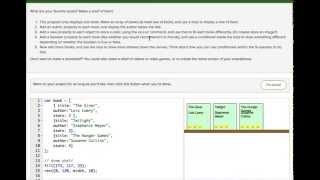
Project Bookshelf is a coding challenge on Khan Academy. It teaches programming by building a virtual bookshelf. Users practice JavaScript and HTML skills while completing the project. It’s ideal for beginners learning web development basics.
How To Start Project Bookshelf On Khan Academy?
Log in to your Khan Academy account first. Search for “Project Bookshelf” in the search bar. Click on the project link to open the tutorial. Follow the step-by-step instructions to begin coding.
What Coding Languages Are Used In Project Bookshelf?
Project Bookshelf primarily uses JavaScript and HTML. JavaScript handles the interactive parts of the bookshelf. HTML structures the webpage layout. These languages help users learn essential web development skills.
Can Beginners Complete Project Bookshelf Easily?
Yes, beginners can complete it with ease. The project offers guided instructions and examples. It builds skills progressively, making learning smooth. No prior coding experience is necessary to start.
Conclusion
Project Bookshelf on Khan Academy is fun and educational. It helps you learn coding step by step. You can build your own bookshelf with simple commands. Practice often to improve your skills and confidence. Try different designs to make it your own.
Keep exploring Khan Academy for more projects like this. Enjoy the process and keep learning every day. Your coding journey starts here and grows with each project.