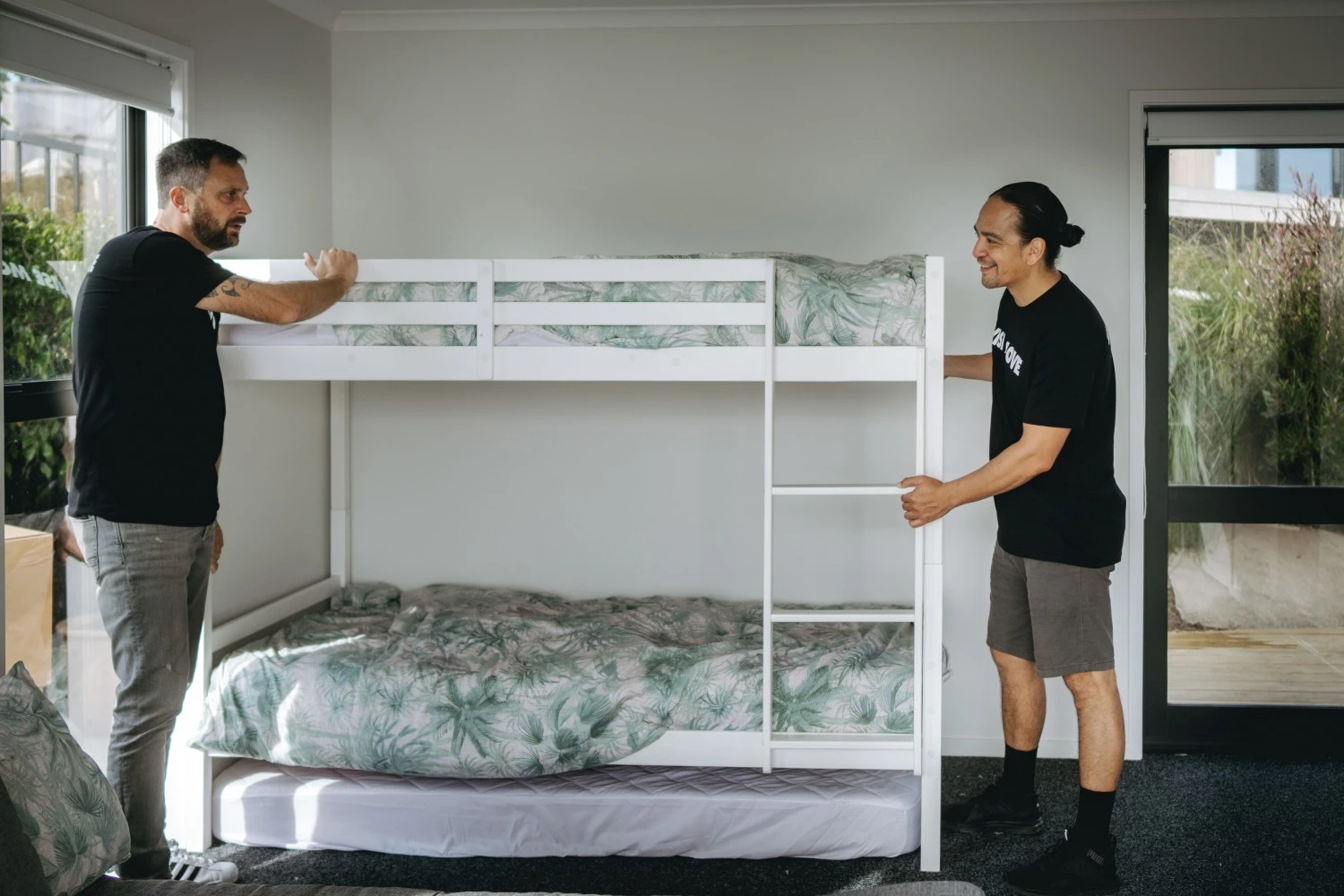
Moving a bunk bed can feel like a big challenge, especially if you’re not sure where to start. But what if you could make the process simple and stress-free?
Imagine saving time, avoiding heavy lifting mistakes, and protecting your walls and floors from damage. In this guide, you’ll discover easy steps and smart tips to move your bunk bed quickly and safely. Whether you’re rearranging a room or moving to a new home, you’ll find everything you need to get the job done right.
Keep reading, and you’ll see just how easy moving your bunk bed can be!
Credit: www.wisemove.co.nz
Prepare The Bunk Bed
Preparing the bunk bed is the first step before moving it. This step makes the process safer and easier. Removing loose parts protects them from damage. It also helps you carry the pieces without trouble. Take time to prepare the bed carefully.
Clear Bedding And Accessories
Start by removing all bedding from the bunk bed. Take off pillows, blankets, and sheets. Also, clear any toys or decorations on the bed. This prevents items from falling or getting lost during the move. A clear bed makes the next steps simpler.
Remove Mattresses And Slats
Lift the mattresses off the bunk bed frame. Place them in a safe spot away from the moving path. Next, remove the wooden or metal slats that hold the mattress. This makes the bed lighter and easier to carry. Keep the slats together so they don’t get lost.
Take Apart Guardrails And Ladders
Guardrails and ladders often attach to the bed frame with screws. Use a screwdriver to carefully remove these parts. This prevents damage to the guardrails and ladder. It also makes the bed frame smaller and easier to handle. Store all screws and small parts in a labeled bag for later.

Credit: www.amazon.com
Gather Necessary Tools
Gathering the right tools makes moving a bunk bed easier and safer. Having everything ready saves time and avoids frustration. It helps keep all parts organized and prevents damage. Prepare a workspace where you can place tools and parts during disassembly.
Essential Tools For Disassembly
Start with basic hand tools. A screwdriver set with both flathead and Phillips heads works well. An Allen wrench or hex key set is often needed for bunk bed bolts. A wrench or socket set helps loosen nuts and bolts securely. Keep a hammer nearby for gentle tapping if parts stick. Gloves protect your hands from splinters and sharp edges. A flashlight helps see screws in dark corners. Collect these tools before starting to avoid interruptions.
Packing Materials To Protect Parts
Use bubble wrap or soft cloths to cover wood and metal parts. This prevents scratches and dents during transport. Small plastic bags hold screws, bolts, and other hardware together. Label each bag to know which part it belongs to. A sturdy box or container keeps these bags safe and prevents loss. Moving blankets or old sheets protect larger pieces from damage. Tape or rubber bands help keep packing materials in place. Organize packing materials near your workspace for easy access.
Disassemble The Bunk Bed
Disassembling a bunk bed makes moving it much easier and safer. It reduces the bulk and weight. This way, you can carry parts through narrow hallways and doorways. Careful disassembly also protects the bed from damage. Take your time and follow clear steps.
Step-by-step Breakdown
Start by removing all bedding and mattresses. Keep them aside to avoid damage. Next, unscrew the guardrails from the top bunk. Then, detach the ladder carefully. Use a screwdriver or drill for screws. Remove the slats that hold the mattress. Finally, take apart the main frame piece by piece. Keep all screws and bolts in a safe place.
Labeling And Organizing Pieces
Label each part with masking tape and a marker. Write simple names like “top rail” or “ladder.” This helps with reassembly later. Store screws and bolts in small bags. Attach the bags to the matching parts. Organize all pieces in one box or container. This method prevents loss and confusion during moving.
Credit: maxandlily.com
Pack And Protect Components
Transporting a bunk bed can seem hard, but it is simple with the right steps. Careful planning makes the move smooth and safe. Breaking the bed into parts helps it fit in smaller spaces. Protecting the wood and metal keeps the bunk bed in good shape during transit.
Loading Tips For Moving Vehicles
Start by placing heavy parts first in the vehicle. This balances the load and stops shifting. Use blankets or pads between parts to avoid scratches. Secure the bed parts with ropes or straps. Check that nothing moves before driving. Keep the mattress separate or rolled if possible. This saves space and keeps it clean.
Ensuring Safety During Transit
Double-check all straps are tight and secure. Avoid stacking heavy items on the bed parts. Drive carefully on bumps and sharp turns. Stop often to inspect the load. Fix any loose parts immediately. Use caution when unloading to prevent damage or injury. Safety helps protect your bunk bed and everyone involved.
Transporting The Bunk Bed
Reassembling the bunk bed is a key step after moving it. This process ensures the bed is safe and sturdy. Careful reassembly helps avoid accidents and damage. Taking time to follow each step makes the job easier and more efficient.
Rebuilding Steps
Start by laying out all parts clearly. Check the screws, bolts, and slats. Follow the original assembly instructions if available. Attach the bed frame pieces one at a time. Use a screwdriver or wrench to tighten screws firmly. Avoid overtightening to prevent damage. Attach the guardrails and ladder securely last.
Double-checking Stability
After assembly, test the bed’s stability. Gently shake the frame to check for wobbling. Tighten any loose screws found during the test. Ensure the ladder is firmly attached. Check the guardrails to keep sleepers safe. A stable bunk bed means a safer sleep area for kids.
Reassembling The Bunk Bed
Moving a bunk bed can bring up some common problems. These issues often slow down the process and cause frustration. Understanding how to fix these problems helps make moving easier. Let’s look at two common problems: loose joints and missing hardware.
Fixing Loose Joints
Loose joints make the bunk bed unstable. Check each joint carefully before moving. Tighten screws and bolts with the right tools. Use a screwdriver or wrench that fits well. If joints still wobble, add wood glue for extra hold. Let glue dry fully before moving the bed. This keeps the bed safe and strong.
Replacing Missing Hardware
Missing screws or bolts can stop the bed from coming apart. Find all hardware pieces before starting. If some are missing, buy replacements at a hardware store. Take old pieces with you to match sizes and types. Use the new hardware to secure the bed tightly. This prevents damage and keeps the bed steady during the move.
Frequently Asked Questions
How Do I Disassemble A Bunk Bed Safely?
Start by removing mattresses and bedding. Use the right tools to unscrew bolts carefully. Keep all parts organized to avoid loss. Follow the manufacturer’s instructions for disassembly to prevent damage or injury.
What Tools Are Needed To Move A Bunk Bed?
You typically need a screwdriver, wrench, and possibly an Allen key. A dolly or furniture sliders can help move heavy parts easily. Having these tools ready makes the moving process smoother and safer.
Can One Person Move A Bunk Bed Alone?
It is possible but not recommended due to size and weight. Having at least one helper reduces injury risk and makes moving faster. Disassemble the bed first to manage parts individually.
How Do I Protect Walls And Floors When Moving A Bunk Bed?
Use furniture pads or blankets around the bed frame. Place sliders under bed legs to prevent floor scratches. Move slowly and avoid sudden impacts to protect walls during the move.
Conclusion
Moving a bunk bed does not have to be hard. Plan the steps before you start. Take apart the bed carefully and keep all pieces together. Use help to lift heavy parts safely. Protect walls and floors during the move.
Follow these tips to make moving smoother and faster. Soon, your bunk bed will be set up in its new place without stress. Simple preparation makes a big difference. You can do this with ease and confidence.