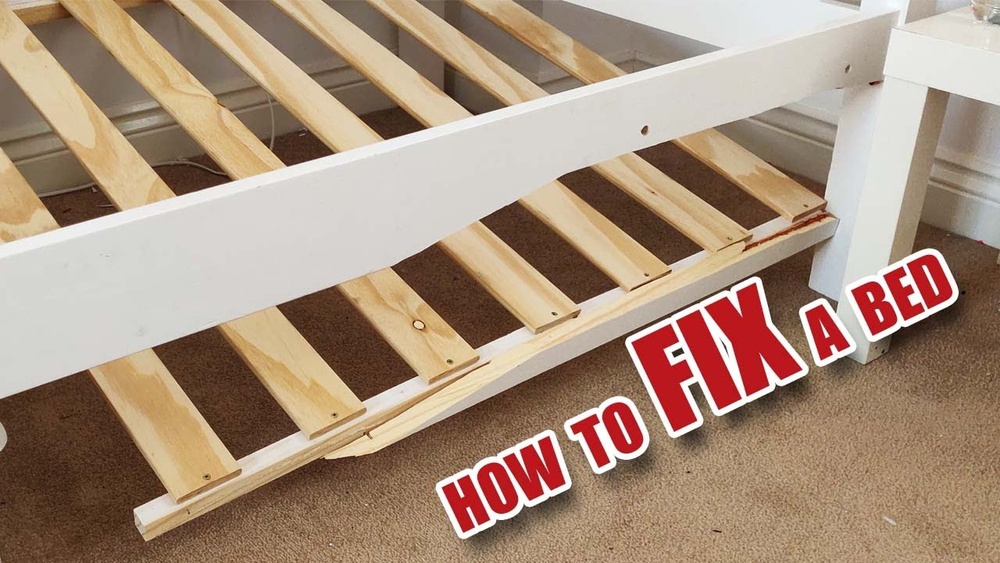
Is your bunk bed broken and causing you stress? You don’t have to live with a wobbly or unsafe bed any longer.
Fixing it yourself can save you time, money, and frustration. In this guide, you’ll discover simple steps to repair your bunk bed quickly and safely. Whether it’s loose screws, cracked wood, or a creaky frame, you’ll learn exactly what to do to bring your bunk bed back to life.
Keep reading, and you’ll soon enjoy a sturdy, secure bed that feels as good as new.

Credit: www.reddit.com
Identify Common Bunk Bed Issues
Identifying common bunk bed issues is the first step to fixing a broken bed. Knowing what problems to look for saves time and effort. It also helps you make the right repairs. Here are the most frequent problems you might find.
Loose Joints And Screws
Loose joints and screws cause wobbling and noise. Over time, screws can loosen from constant use. Check every joint and screw for tightness. Tighten any loose parts with a screwdriver or wrench. This simple fix often restores bed stability.
Cracked Or Broken Slats
Slats support the mattress and keep it in place. Cracks or breaks reduce support and can cause accidents. Look under the mattress to find damaged slats. Replace any broken slats with new ones of the same size and material. This keeps the bed safe and strong.
Damaged Ladder And Guardrails
The ladder and guardrails protect users from falls. Check for cracks, loose screws, or missing parts. Repair or replace damaged sections quickly. Secure guardrails firmly to avoid accidents. A sturdy ladder and guardrails ensure safe climbing and sleeping.
Gather Essential Repair Tools
Fixing a broken bunk bed starts with gathering the right tools. Without proper tools, the repair can take longer or may not be done correctly. Having everything ready makes the process smoother and safer. Prepare your workspace and check all tools before you begin.
Basic Hand Tools
Start with simple hand tools like a screwdriver and a hammer. A wrench or an adjustable spanner helps with bolts and nuts. A tape measure is useful for checking parts and alignment. Keep a level nearby to ensure the bed stays even. These tools are enough for most bunk bed repairs.
Replacement Parts
Check the bed for broken or missing parts. You may need screws, bolts, or wooden slats. Order parts that match the bed’s size and material. Using the right parts keeps the bed strong and safe. Keep all old parts until the repair is complete.
Safety Gear
Protect yourself during the repair. Wear gloves to avoid splinters and cuts. Use safety glasses to guard your eyes from dust and debris. Work in a well-lit area to see clearly. Safety gear helps prevent accidents and injuries.
Fix Loose Joints And Screws
Loose joints and screws cause bunk beds to wobble and feel unsafe. Fixing these issues helps make the bed stable and secure. Start by checking every joint and screw carefully. Tighten or replace any parts that are loose or damaged. Using wood glue can add extra strength to the joints. A strong bed keeps children safe and lasts longer.
Tighten Existing Screws
Use a screwdriver to tighten screws in all joints. Turn screws clockwise until they feel firm. Avoid overtightening, which can strip the screw holes. Check each screw on the ladder, guardrails, and frame. Tight screws reduce wobbling and noise.
Replace Stripped Screws
Stripped screws cannot hold properly. Remove old screws with a screwdriver or drill. Buy new screws of the same size and type. Insert new screws into the holes carefully. Tighten them until secure. This ensures joints stay strong and connected.
Use Wood Glue For Added Strength
Apply wood glue to loose joints before tightening screws. Use glue designed for wood to bond parts well. Clamp or hold joints together until glue dries. This extra step helps prevent future looseness. Wood glue adds lasting support to the bed frame.
Repair Or Replace Broken Slats
Broken slats can weaken a bunk bed and make it unsafe. Repairing or replacing these slats is key to restoring strength and stability. This process keeps the bed secure and comfortable for use.
Assess Slat Damage
Check each slat carefully for cracks or breaks. Look for warping or splinters that could cause problems. Identify which slats need repair or full replacement. Use a flashlight to see hidden damage under the mattress.
Cut And Install New Slats
Measure the length and width of the old slats before cutting new ones. Use strong wood like pine or oak for better support. Sand edges to avoid splinters. Fit new slats into place, ensuring they sit firmly on the bed frame. Screw or nail slats securely to prevent movement.
Reinforce Slats For Durability
Add extra support with metal brackets or wooden cleats under the slats. This prevents sagging and spreads weight evenly. Tighten all screws and nails to keep slats steady. Check regularly for loose parts to maintain safety.
Secure Ladder And Guardrails
Securing the ladder and guardrails is essential for a safe bunk bed. These parts keep the bed stable and protect children from falls. Loose ladders or guardrails can cause accidents. Fixing them ensures safety and peace of mind.
Inspect Attachment Points
Check where the ladder and guardrails connect to the bed. Look for loose screws or broken brackets. Make sure all parts fit tightly without wobbling. Pay attention to wood cracks or rust on metal parts.
Reattach Loose Components
Use a screwdriver or wrench to tighten all screws and bolts. Replace missing or damaged fasteners with new ones. Secure the ladder firmly to the frame. Attach guardrails so they do not move at all.
Add Extra Support If Needed
Install metal brackets or angle braces for extra strength. Use wood glue on joints for added hold. Add extra screws where parts feel weak or loose. Reinforce the ladder and guardrails to prevent future problems.

Credit: www.youtube.com
Prevent Future Damage
Preventing future damage to your bunk bed is key to keeping it safe and sturdy. Regular care helps avoid costly repairs and keeps the bed in good shape. Small actions make a big difference over time.
Regular Maintenance Tips
Check the bunk bed often for loose screws and bolts. Tighten them as needed to keep the bed stable. Look for cracks or splinters in the wood. Sand rough spots and fix cracks quickly. Clean the bed with a soft cloth to remove dust and dirt. Avoid using harsh chemicals that can damage the finish.
Weight Limits And Usage Advice
Follow the weight limits set by the manufacturer. Do not allow more weight than recommended. Teach kids to use the bed gently. No jumping or rough play on the bed. Use ladders and guardrails properly to avoid accidents. Clear the area around the bed to prevent bumps and falls.
Protective Finishes And Treatments
Apply a protective finish to wooden bunk beds. Use varnish or sealant to protect the wood from moisture and wear. Reapply finishes every year or as needed. For metal bunk beds, check for rust. Use rust-resistant paint or treatments to prevent corrosion. Keeping the finish in good condition extends the bed’s life.

Credit: diy.stackexchange.com
Frequently Asked Questions
How Do I Identify A Broken Bunk Bed Part?
Check for loose screws, cracked wood, or bent metal. Inspect joints, bed slats, and ladder for damage. These signs indicate the broken part needs repair or replacement to ensure safety and stability.
What Tools Are Needed To Fix A Bunk Bed?
Common tools include a screwdriver, hammer, wood glue, wrench, and replacement screws. Having these tools ready helps you tighten, fix, or replace broken parts efficiently and safely.
Can I Repair A Bunk Bed Frame Myself?
Yes, simple repairs like tightening screws or gluing cracks are DIY-friendly. For major damage, consult a professional to ensure the bed is safe and stable after repair.
How To Prevent Future Bunk Bed Breakage?
Regularly inspect and tighten screws, avoid overloading weight limits, and use protective pads. Proper maintenance extends the bed’s life and prevents unexpected damage or accidents.
Conclusion
Fixing a broken bunk bed is easier than it seems. Start by checking all screws and bolts. Tighten or replace any loose parts. Use wood glue for small cracks or splits. Make sure the bed feels stable before use. Regular checks keep the bed safe and strong.
A little care goes a long way in preventing accidents. Now, your bunk bed is ready for fun and rest again. Simple steps, good results—everyone sleeps better.
