Are you worried about bed bugs invading your bunk beds? These tiny pests can quickly turn a cozy sleeping space into a nightmare.
If you’ve noticed itchy bites or spotted signs of bed bugs, it’s important to act fast. You’ll discover simple and effective ways to get rid of bed bugs on your bunk beds. Keep reading to protect your home and sleep peacefully again.
Credit: mattressstoreslosangeles.com
Identify Bed Bug Infestation
Identifying a bed bug infestation on bunk beds is the first step to stopping these pests. Early detection helps prevent the spread to other rooms. Bed bugs are tiny and hide well. Knowing what to look for makes a big difference.
Signs Of Bed Bugs On Bunk Beds
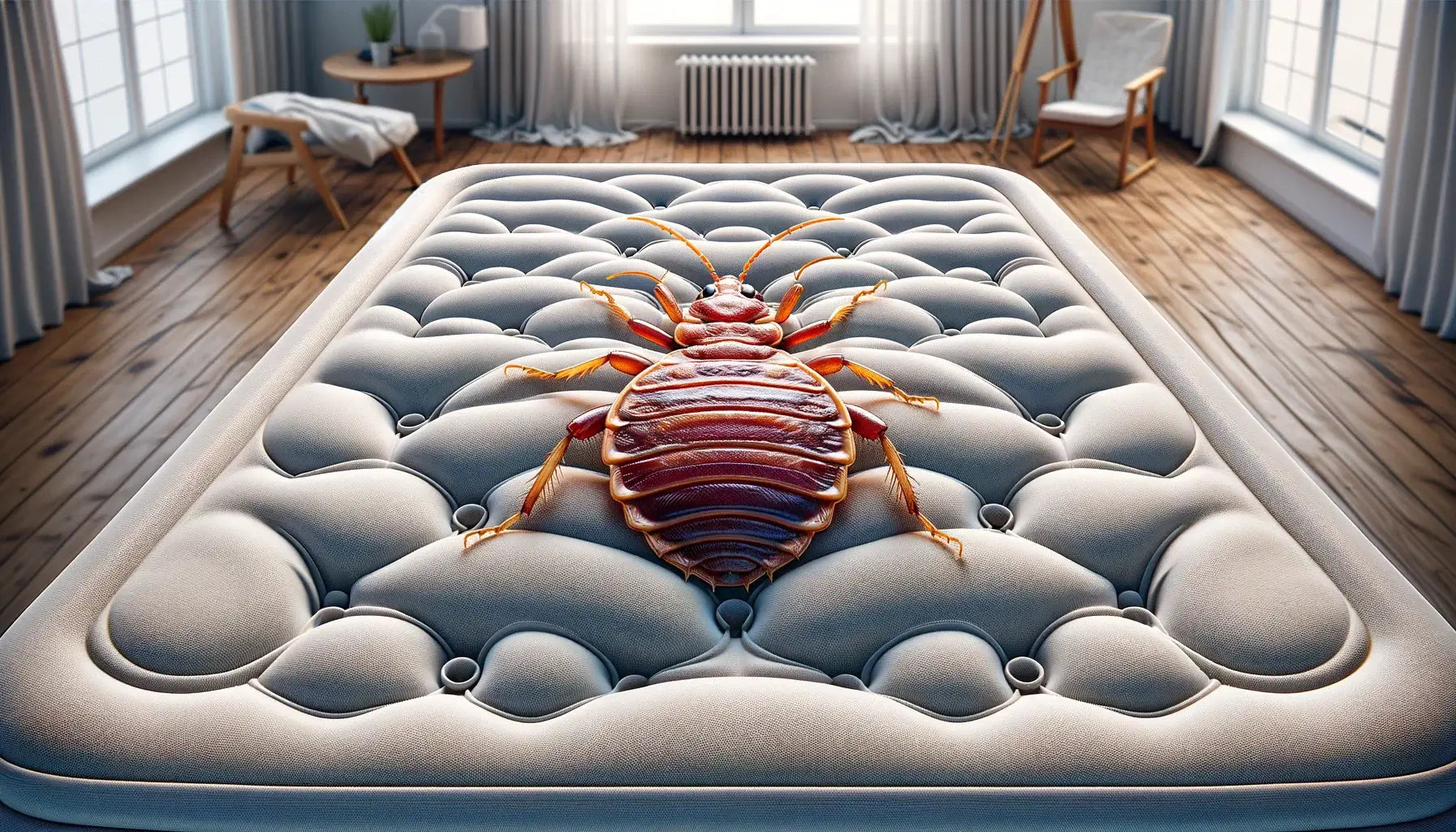
Look for small, rust-colored stains on sheets and mattresses. These stains come from crushed bugs or their droppings. Tiny white eggs or shed skins may appear near mattress seams. Bites often appear in a line or cluster on the skin. A musty, sweet smell can fill the room if bugs are present in large numbers.
Common Hiding Spots
Bed bugs hide in cracks and crevices of bunk bed frames. Check joints where wood or metal parts meet. Look under mattresses and inside seams or tags. Bed bugs also hide behind headboards and beneath bed slats. Don’t forget to inspect nearby furniture and walls close to the bed.
Prepare The Bunk Bed Area
Preparing the bunk bed area is the first step to remove bed bugs effectively. This process helps make the treatment easier and more thorough. It also reduces the chance of bed bugs spreading to other parts of the room.
Start by removing all items from the bunk bed and the space around it. This clears the area for cleaning and inspection. Be careful to handle bedding and clothing in a way that avoids spreading bugs.
Clear Bedding And Clothing
Take off all sheets, blankets, pillows, and mattress covers. Place them in sealed plastic bags to keep bed bugs inside. Wash these items in hot water and dry them on high heat. Heat kills bed bugs and their eggs quickly.
Remove any clothes near the bunk bed. Check pockets and folds for bugs before bagging them. Wash and dry clothes using the same heat method. This step stops bugs from hiding in fabric.
Vacuum And Clean Surroundings
Use a vacuum cleaner with a hose attachment to clean the bunk bed frame. Focus on corners, joints, and crevices where bugs hide. Vacuum the floor and walls around the bed too.
Empty the vacuum bag or canister into a sealed bag. Throw it away outside the home to prevent bugs from escaping. Wipe down the bed frame with a damp cloth to remove any leftover eggs or bugs.
Use Heat Treatments
Heat treatments are a powerful way to kill bed bugs on bunk beds. Bed bugs cannot survive high temperatures. Using heat can stop an infestation quickly and safely.
This method targets bed bugs in all life stages, including eggs. Heat reaches places where sprays may not work well. It is a natural and chemical-free option.
Washing And Drying Bedding
Remove all bedding from the bunk bed. Wash sheets, pillowcases, and blankets in hot water. Set the washing machine to the highest temperature safe for the fabric.
Dry the bedding in a dryer on high heat for at least 30 minutes. Heat kills bed bugs hiding in the fabric. This step stops bugs from spreading to other rooms.
Applying Steam To Bed Frames
Use a steam cleaner on the bunk bed frame. Focus on cracks, joints, and crevices where bed bugs hide. Move the steam slowly to let the heat penetrate deeply.
Steam kills bed bugs and their eggs on contact. It works well on wood, metal, and other surfaces. Avoid soaking the wood to prevent damage.
Apply Chemical Treatments Safely
Applying chemical treatments is a key step in removing bed bugs from bunk beds. Chemicals kill bed bugs and stop them from spreading. Safety matters most during this process. Using the right products and applying them correctly protects your family and pets. Follow clear steps for safe and effective treatment.
Choosing The Right Insecticides
Select insecticides made for bed bugs. Look for products labeled for indoor use and safe on furniture. Avoid sprays with strong smells or harsh chemicals. Pyrethroids are common and effective against many bed bugs. Some insecticides include diatomaceous earth, which is a natural powder. Always read labels carefully. Choose products approved by health authorities for home use. This ensures safety and effectiveness.
Proper Application Techniques
Apply chemicals only to areas where bed bugs hide. Focus on mattress seams, bed frames, and joints of bunk beds. Do not spray directly on bedding or pillows. Use a spray bottle for even coverage. Avoid over-saturating to prevent damage and chemical buildup. Wear gloves and a mask during application. Keep children and pets away until treated areas dry. Follow product instructions for drying time and reapplication needs.
Natural Remedies And Alternatives
Natural remedies offer safe options to tackle bed bugs on bunk beds. These methods avoid harsh chemicals and reduce risks to children and pets. Using natural ingredients can help control bed bugs effectively when applied correctly.
Diatomaceous Earth Usage
Diatomaceous earth is a fine powder made from fossilized algae. It works by drying out bed bugs and causing them to die. Sprinkle a thin layer of food-grade diatomaceous earth around the bunk bed frame, mattress seams, and crevices.
Leave it for several days to allow contact with the bugs. Vacuum the area thoroughly after a week to remove the powder and dead bugs. Repeat the process if you still see bed bugs.
Essential Oils And Sprays
Essential oils like tea tree, lavender, and eucalyptus repel bed bugs naturally. Mix 10 to 15 drops of essential oil with water in a spray bottle. Spray the solution lightly on the bunk bed frame, mattress edges, and nearby cracks.
Do not soak the mattress to avoid damage. Reapply the spray every few days to keep bed bugs away. These oils also leave a fresh scent that can help mask bed bug odors.
Credit: heavydutybunkbeds.com
Prevent Future Infestations
Preventing bed bugs from coming back is key to keeping bunk beds safe and clean. Taking simple steps can stop these pests before they spread. Consistent care and protection help maintain a bed bug-free space.
Regular Inspection Routines
Check bunk beds often for signs of bed bugs. Look under mattresses, around seams, and in cracks. Early detection stops an infestation from growing. Use a flashlight and magnifying glass for a better view. Make inspections a weekly habit to catch bugs quickly.
Protective Mattress Covers
Use mattress covers designed to block bed bugs. These covers trap bugs inside and stop new ones from entering. Choose covers that zip fully and fit tightly. Wash covers regularly in hot water. Protective covers reduce hiding spots and make cleaning easier.
When To Call Professionals
Dealing with bed bugs on bunk beds can be tough. Small bites and bugs may seem manageable at first. But sometimes, the problem grows beyond control. Knowing when to call professionals is key. Experts have the right tools and knowledge. They can stop the infestation fast and safely.
Signs Of Severe Infestation
Look for many bed bugs on mattresses and frames. Dark spots of bug waste on sheets also show trouble. Bites spread widely and cause strong itching. Bugs hiding in cracks or behind walls means deep infestation. Bed bugs that appear during the day mean serious trouble. If you see eggs or shed skins, the bugs multiply fast. These signs mean the problem is too big for DIY.
What To Expect From Exterminators
Exterminators inspect every corner of your bunk bed area. They use special sprays and heat treatments to kill bugs. Experts also treat nearby furniture to stop spreading. They explain how to prepare your room before treatment. Usually, multiple visits are needed for full control. Professionals give advice to avoid future infestations. Their work is safe and follows health rules.

Credit: medmattress.com
Frequently Asked Questions
How Can I Identify Bed Bugs On Bunk Beds?
Look for small, reddish-brown bugs or tiny black spots on mattresses. Check seams, corners, and crevices of bunk beds carefully. Bed bugs often leave shed skins and blood stains on sheets.
What Is The Best Way To Kill Bed Bugs On Bunk Beds?
Use heat treatment or insecticides labeled for bed bugs. Wash bedding in hot water and vacuum bunk bed frames thoroughly. Repeat treatments to ensure all bugs and eggs are eliminated.
Can Diy Methods Effectively Remove Bed Bugs From Bunk Beds?
DIY methods like vacuuming and steam cleaning help but may not fully eliminate bed bugs. Combining DIY with professional pest control ensures better success in removing infestations.
How Do I Prevent Bed Bugs From Returning To Bunk Beds?
Encase mattresses and pillows in bed bug-proof covers. Regularly inspect and clean bunk beds. Avoid bringing used furniture or luggage near sleeping areas to reduce risk.
Conclusion
Getting rid of bed bugs on bunk beds takes patience and care. Clean the beds well and check every corner. Use safe treatments and follow instructions closely. Keep the room tidy to stop bugs from coming back. Regular checks help catch bugs early.
Acting fast saves you time and stress. Stay calm and keep your space clean. You can protect your home and sleep well again.