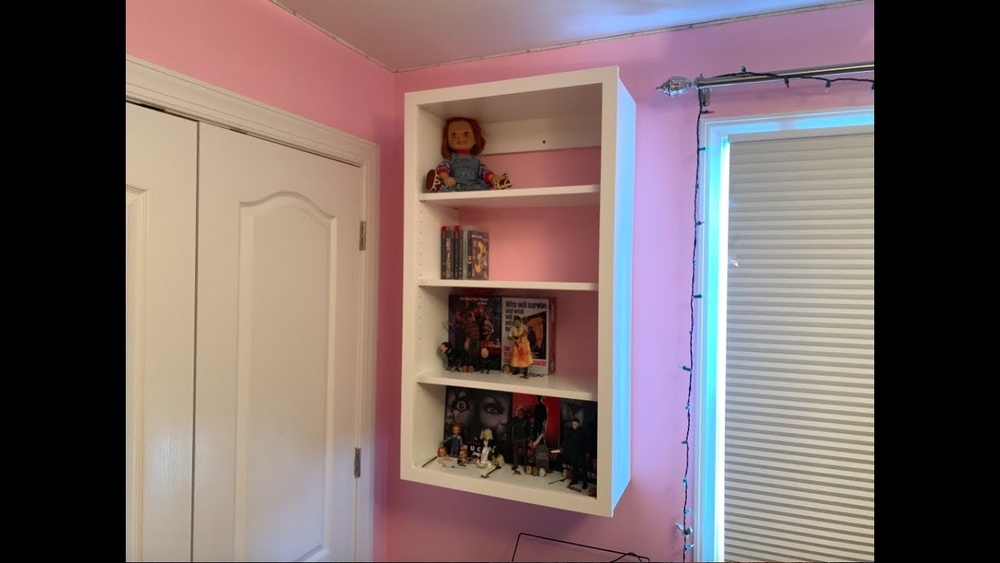
Hanging a heavy bookshelf on your wall might seem tricky, but you can do it right with the right steps. If you want your shelf to hold all your favorite books safely and look great, you need to know exactly how to secure it.
Imagine avoiding the stress of a falling shelf or damaged walls. In this guide, you’ll discover simple tips and tricks that make the job easier and safer. Keep reading, and you’ll soon have a sturdy bookshelf that stays put and shows off your collection perfectly.

Credit: www.amazon.com
Choose The Right Bookshelf
Choosing the right bookshelf is key for safely hanging a heavy shelf on your wall. The bookshelf must hold the weight without bending or falling. Careful selection helps protect your books and your wall.
Consider the materials and size before buying. These factors affect strength and stability. A good choice makes installation easier and safer.
Materials That Support Weight
Solid wood is strong and holds heavy loads well. It lasts long and looks classic. Avoid particle board or thin plywood for heavy shelves. Metal shelves offer great support and modern style. Steel brackets or frames add extra strength. Choose materials tested for weight capacity.
Size And Weight Considerations
Pick a shelf size that fits your wall and room. A larger shelf needs stronger support. Measure the wall space and shelf depth carefully. Know the total weight the shelf will carry. Include books, decorations, and other items. Buy a shelf rated for more weight than you expect. This adds safety and prevents damage.

Credit: www.youtube.com
Select The Best Wall Location
Choosing the right wall spot is key to hanging a heavy bookshelf safely. The wall must hold the weight well. Picking the best place also keeps your home safe and your shelf steady. Take time to find the strongest and safest spot before drilling holes.
Find Studs For Secure Mounting
Studs are wooden beams inside the wall. They give strong support for heavy shelves. Use a stud finder tool to locate them. Mark the spots lightly with a pencil. Mounting the shelf on studs prevents it from falling. Avoid drywall alone; it cannot hold heavy weight.
Avoiding Electrical And Plumbing Hazards
Electric wires and pipes run inside walls. Drilling into them can cause danger and damage. Use a wire detector or stud finder with a wire-scan feature. Check the wall layout before drilling. Stay clear of areas with outlets or switches. Mark safe zones to avoid accidents. Safety first keeps your project smooth and safe.
Gather Necessary Tools And Materials
Before hanging a heavy bookshelf, gather all necessary tools and materials. Proper preparation makes the job safer and easier. Having the right items ready helps prevent mistakes and damage to walls. This step saves time and ensures a strong hold.
Essential Tools For Installation
Start with a stud finder to locate wall studs. These provide strong support for heavy shelves. Use a drill with various drill bits to make holes. A level is important to keep the shelf straight. Screwdrivers help secure screws firmly. Measuring tape ensures accurate placement on the wall. A pencil marks spots for drilling. Safety goggles protect your eyes during drilling. A hammer may be needed for anchors or nails.
Recommended Hardware For Heavy Shelves
Use heavy-duty wall anchors for extra support. Toggle bolts work well for drywall without studs. Lag screws provide strong grip into wooden studs. Metal brackets help hold the shelf securely. Choose screws that match the bracket size. Shelf brackets with wide arms spread weight evenly. Avoid plastic anchors for heavy loads. Pick hardware rated for the shelf’s weight and contents.
Mark And Prepare The Wall
Marking and preparing the wall is the first step to hanging a heavy bookshelf safely. This step ensures the shelf will be level and secure. Proper preparation helps avoid damage to the wall and keeps the shelf stable.
Careful measuring and marking give clear spots to drill. These marks guide you to place the shelf brackets correctly. Taking time here makes the rest of the work easier and safer.
Measuring And Leveling The Placement
Start by deciding the shelf height on the wall. Use a tape measure to find the exact spot. Mark the top edge lightly with a pencil.
Next, use a level to draw a straight, horizontal line. This line shows where the shelf will sit. Check the line from both ends to keep it even.
Measure the distance between the shelf brackets. Mark these points on the level line. These marks tell where to place the screws or anchors.
Drilling Pilot Holes
Use a drill with a small bit to make pilot holes. These holes guide the screws and prevent wall damage. Drill at the marked points on the line carefully.
Keep the drill straight to avoid angled holes. The pilot holes must match the size of your screws or anchors. Clean any dust from the holes before the next step.
Pilot holes make it easier to insert screws. They help keep the shelf strong and stable on the wall.
Install Wall Anchors And Brackets
Installing wall anchors and brackets is key to hanging a heavy bookshelf safely. These components support the weight and keep the shelf stable. Using the right anchors and fixing brackets firmly ensures the shelf stays put for years.
Choosing The Right Anchors
Select anchors based on your wall type and shelf weight. Drywall needs stronger anchors than wooden walls. Use toggle bolts or molly bolts for heavy loads. Plastic anchors work well for light shelves but avoid them for heavy ones. Always check the weight limit on the anchor packaging. Pick anchors that fit the size of your drill bit and screws. Proper anchors prevent damage and provide strong support.
Securing Brackets Firmly
Mark bracket positions carefully on the wall. Use a level to keep brackets straight. Drill holes that match your anchor size. Insert anchors fully and tap gently if needed. Attach brackets tightly using screws that fit anchors. Double-check the firmness by wiggling the bracket slightly. Loose brackets can cause the shelf to fall. Tight brackets hold weight evenly and keep shelves secure.
Mount The Bookshelf
Mounting a heavy bookshelf securely is key for safety and durability. Proper mounting keeps the shelf stable and prevents accidents. Follow clear steps to position and attach the shelf correctly.
Lifting And Aligning The Shelf
Lift the bookshelf carefully with a helper. Heavy shelves need two people to avoid damage or injury. Hold the shelf close to the wall. Align it with the brackets or mounting points. Check the level with a spirit level. Adjust until the shelf is straight and balanced. Keep steady before moving to the next step.
Attaching Shelf To Brackets
Secure the shelf to the wall brackets using screws. Use a drill or screwdriver for firm attachment. Tighten screws evenly on both sides. Check the shelf for any wobble or tilt. Add extra screws if needed for strength. Make sure the shelf feels solid and safe before placing items on it.
Check Stability And Safety
After hanging a heavy bookshelf, check its stability and safety. This step ensures the shelf holds weight without risk. A secure shelf prevents accidents and protects your wall and items.
Testing Weight Support
Start by placing light items on the shelf. Gradually add heavier objects to test the strength. Watch for any movement or wobbling. Press gently on different areas to feel firmness. If the shelf shifts or creaks, stop and reinforce it.
Making Final Adjustments
Use a level to check the shelf’s alignment. Tighten screws or brackets if the shelf tilts. Add extra anchors for better support if needed. Ensure all mounting points are secure and flush with the wall. Small fixes now prevent big problems later.

Credit: nathanjames.com
Maintenance Tips For Longevity
Maintaining a heavy bookshelf on the wall is key to keeping it strong and safe. Regular care helps avoid damage and accidents. Simple steps can extend the life of your bookshelf. Below are important maintenance tips to follow.
Regular Inspections
Check your bookshelf often for any signs of wear or damage. Look closely at the brackets and screws. Make sure they are tight and not rusted. Inspect the wall around the shelf for cracks or holes. Early spotting of problems can prevent big repairs later.
Test the shelf by gently pressing on it. If it feels loose or wobbly, fix it immediately. Replace any parts that look weak or broken. Keep your bookshelf stable and secure with regular checks.
Handling Weight Limits
Always respect the weight limit of your bookshelf. Overloading can cause it to fall or damage the wall. Check the manufacturer’s guide or use a scale to weigh your items. Distribute weight evenly across the shelf to avoid pressure points.
Place heavier items near the brackets for better support. Avoid stacking too many heavy books in one area. Lighten the load if you notice any bending or sagging. Following weight limits keeps your bookshelf safe and lasting longer.
Frequently Asked Questions
What Tools Do I Need To Hang A Heavy Bookshelf?
You need a stud finder, drill, level, screws, anchors, and a screwdriver. These tools ensure secure mounting and safety.
How Do I Find Studs For Heavy Bookshelf Installation?
Use a stud finder to locate wall studs. Mark stud centers with a pencil for accurate screw placement.
What Type Of Anchors Support Heavy Bookshelves Best?
Use heavy-duty wall anchors like toggle bolts or molly bolts. They provide strong support on drywall.
Can I Hang A Heavy Bookshelf On Drywall Alone?
No, drywall alone can’t support heavy weight. Always anchor into studs or use strong wall anchors.
Conclusion
Hanging a heavy bookshelf takes care and the right tools. Always find the wall studs first for strong support. Use proper anchors and screws to hold the weight safely. Take your time measuring and drilling carefully. A well-hung shelf keeps your books safe and your room tidy.
Follow these steps, and you’ll have a sturdy bookshelf in no time. Enjoy your organized space with confidence and ease.

