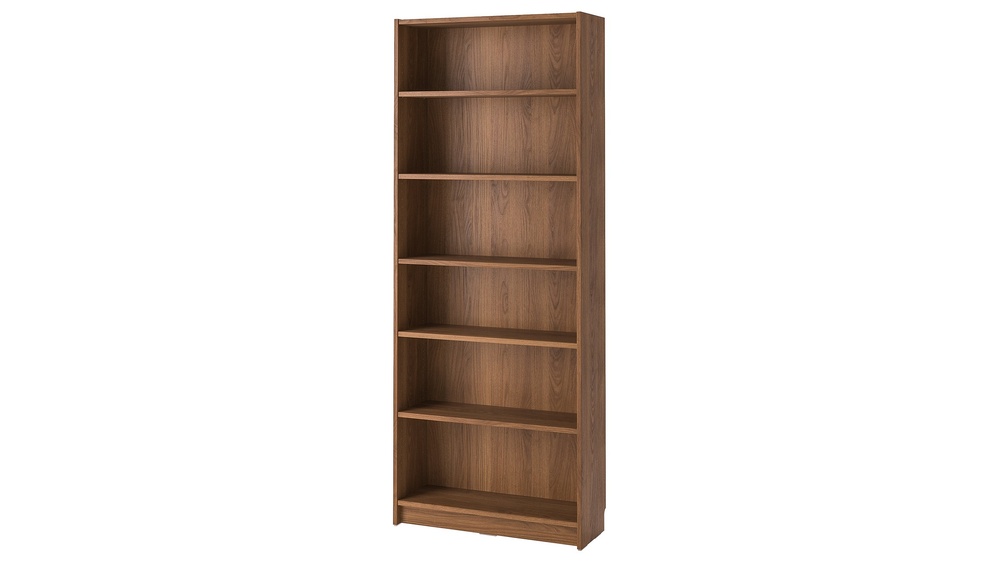
Are you ready to add a stylish bookshelf to your space but unsure how to hang it up safely and securely? Hanging a bookshelf might seem tricky, but with the right steps, you can do it yourself without stress.
Imagine having your favorite books and decor perfectly displayed, transforming your room instantly. In this guide, you’ll learn simple, clear instructions to hang your bookshelf like a pro. Keep reading to discover the secrets that make this task easy and rewarding for you.

Credit: www.homedepot.com
Choosing The Right Bookshelf
Choosing the right bookshelf is the first step to a perfect wall display. It affects how your books and items look and stay safe. The right choice depends on space, style, and what you want to store.
Think about the room and how much weight the shelf needs to hold. The right bookshelf fits your needs and looks good in your space.
Types Of Bookshelves
Bookshelves come in many shapes and sizes. Some stand on the floor, while others hang on walls. Floating shelves save space and give a modern look. Ladder shelves lean against walls and add style. Built-in shelves fit perfectly into a room’s design. Choose a type that matches your room and use.
Material And Weight Considerations
Bookshelves can be made of wood, metal, or plastic. Wood looks warm and holds heavy books well. Metal shelves are strong and often thin. Plastic shelves are light and easy to move but hold less weight. Think about what you will put on the shelf. Heavier items need stronger materials and good wall support.
Size And Style Selection
Measure your wall space before buying a shelf. Make sure the shelf fits without crowding the room. Small shelves work in tight spaces. Large shelves hold more books and decorations. Match the shelf style to your room’s look. Simple styles fit most rooms. Fancy shelves add character but may stand out.
Credit: www.youtube.com
Selecting The Perfect Location
Selecting the perfect location for your bookshelf is key to both function and style. The right spot helps the shelf hold weight safely and looks good in the room. Consider the wall type, lighting, and how easy it is to reach your books. Avoid common mistakes to keep your shelf secure and practical.
Wall Type And Structure
Check what kind of wall you have. Drywall alone may not hold heavy shelves. Look for studs or solid walls like brick or concrete. Use a stud finder to find strong points. Attach the shelf to these points to prevent falling. Understanding your wall structure ensures safety and durability.
Lighting And Accessibility
Place the shelf where there is good light. Natural light helps you see book titles easily. Avoid dark corners where it is hard to read. Also, make sure the shelf is easy to reach. Don’t block doors or walkways. Good lighting and access make your shelf useful and inviting.
Avoiding Common Placement Mistakes
Do not place the shelf too high or low. It should be at a comfortable height for daily use. Avoid hanging near heat sources like radiators. Heat can damage books and shelf materials. Keep away from damp areas to prevent mold. Plan your shelf spot carefully to protect your books and wall.
Gathering Essential Tools
Before hanging a bookshelf, gather all essential tools. Having the right tools makes the job easier and safer. Prepare everything in one place to avoid interruptions. This saves time and helps you work more smoothly. Below are key tools and equipment needed for this task.
Basic Tools Needed
Start with a drill to make holes in the wall. Use a screwdriver to fix screws tightly. A level helps keep the shelf straight and balanced. A tape measure is important to mark exact spots. Pencil marks guide where to drill or place anchors. Anchors and screws must match your wall type and shelf weight.
Safety Equipment
Protect your eyes with safety goggles. Gloves keep your hands safe from sharp edges. Wear a dust mask if drilling creates dust. Good lighting helps you see clearly. Avoid loose clothing that may get caught in tools. Safety matters for a smooth, accident-free project.
Optional Helpful Gadgets
A stud finder locates strong wall studs for secure mounting. A laser level shows a perfect horizontal line. A power screwdriver speeds up the screwing process. Small clamps hold shelf parts steady while you work. These gadgets are not required but can make work faster and easier.
Preparing The Wall
Preparing the wall is the first step to hang a bookshelf safely and securely. A well-prepared wall ensures the shelf holds weight without damage. It also keeps your home safe by avoiding hidden wires or pipes.
Take time to prepare the wall carefully. This preparation prevents problems later and makes the job easier.
Locating Studs
Studs are wooden beams inside the wall. They hold the most weight. Use a stud finder tool to find them. Move the tool slowly across the wall. Mark each stud’s edge with a pencil. Double-check the marks for accuracy. Hanging the shelf on studs keeps it strong and safe.
Marking Drill Points
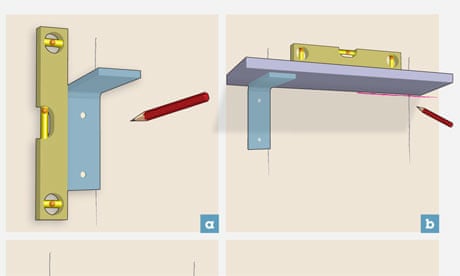
After locating studs, mark where to drill holes. Measure the shelf brackets and transfer these points onto the wall. Use a level to keep marks straight and even. Mark the exact drill points lightly with a pencil. Correct marks make drilling easier and precise.
Checking For Electrical Wires And Pipes
Walls often hide wires and pipes. Drilling into them can cause serious damage. Use a wire detector to scan the marked areas. Avoid drilling if you find wires or pipes nearby. Move your drill points slightly if needed. Safety is the top priority when preparing the wall.
Mounting The Bookshelf
Mounting the bookshelf is the most important part of this project. It needs to be strong and steady. Poor mounting can cause the shelf to fall and damage your books or walls. Follow each step carefully to secure the shelf safely.
Drilling Holes And Installing Anchors
Mark the spots on the wall for the holes. Use a level to keep the marks straight. Choose the right drill bit size for your wall anchors. Drill the holes slowly and steadily. Push the anchors into the holes until they sit flush with the wall. Anchors hold the screws firmly in place.
Securing Brackets
Place the brackets over the anchors. Insert screws through the bracket holes into the anchors. Tighten screws with a screwdriver but do not overtighten. Brackets must be firmly fixed to support the shelf weight. Check that brackets are level and even.
Attaching The Bookshelf
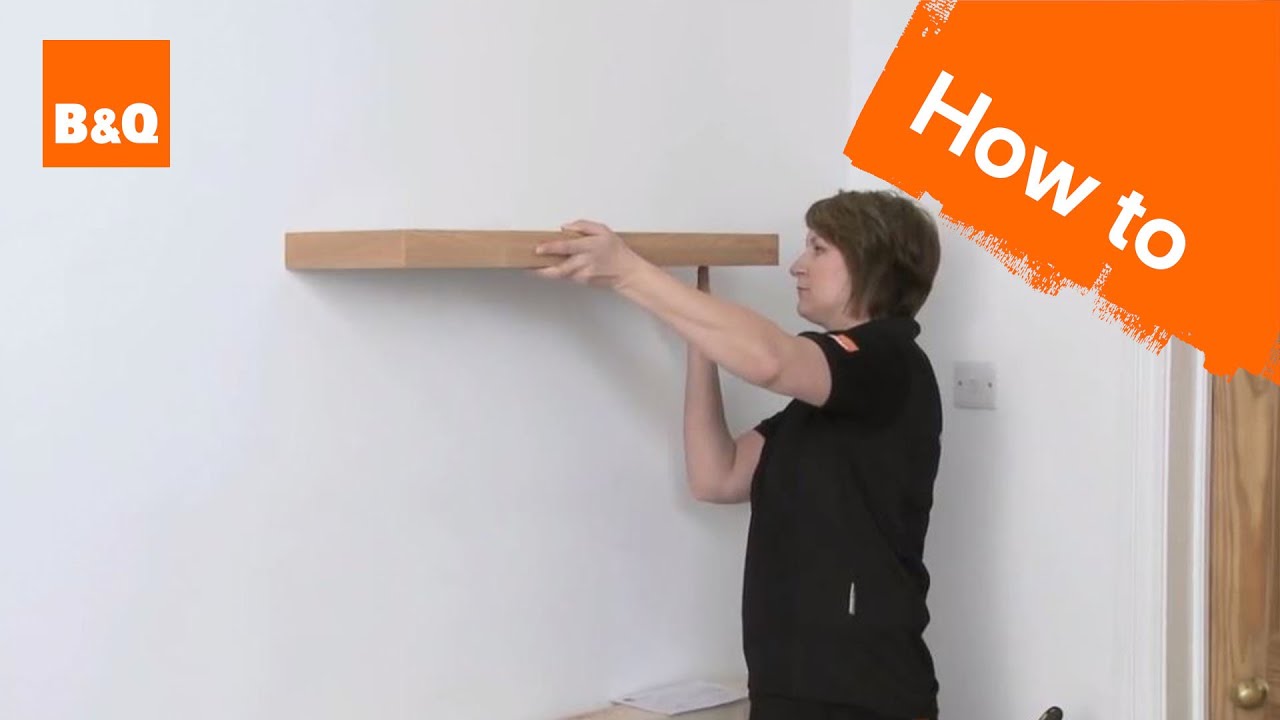
Lift the bookshelf onto the secured brackets. Align the shelf edges with the brackets. Use screws or brackets’ locking mechanisms to fasten the shelf. Double-check the shelf is stable and does not wobble. Now your bookshelf is ready for use.
Final Adjustments And Tips
After hanging your bookshelf, some final touches help it look perfect and last long. These small steps make sure the shelf stays strong and safe. Take time to check each detail carefully. This helps prevent problems later and keeps your books secure.
Leveling The Shelf
Use a level tool to check if the shelf is straight. Adjust the brackets or screws until the shelf is perfectly horizontal. A tilted shelf can cause books to slide or fall. Double-check both ends to ensure balance. Small shifts make a big difference in appearance and function.
Weight Distribution
Place heavier items near the wall or brackets. This spreads the weight evenly and reduces pressure on one point. Avoid clustering all heavy books in one spot. Mix light and heavy objects for better support. Proper weight distribution extends the shelf’s life and safety.
Maintaining Stability
Check that all screws and anchors are tight. Loose parts can cause wobbling or collapse. Test the shelf by gently pressing down in different areas. Add extra support brackets if the shelf feels weak. Stability keeps your shelf steady and reliable for years.
Credit: www.theguardian.com
Frequently Asked Questions
How Do I Find Studs To Hang A Bookshelf?
Use a stud finder to locate wall studs behind drywall. Mark the stud locations with a pencil. This ensures strong support and prevents shelves from falling.
What Tools Are Needed To Hang A Bookshelf?
You need a drill, level, stud finder, screws, anchors, and a screwdriver. These tools help securely mount the bookshelf on the wall.
Can I Hang A Bookshelf On Drywall Without Studs?
Yes, use heavy-duty wall anchors rated for your shelf’s weight. Anchors distribute weight evenly and prevent damage to drywall.
What Height Is Best To Hang A Bookshelf?
Hang the bookshelf at eye level or slightly higher for easy access. This height looks balanced and fits most room layouts.
Conclusion
Hanging a bookshelf is easier than it seems. With the right tools and steps, anyone can do it. Take your time to measure and mark carefully. Secure the brackets firmly to support the weight. Double-check everything before placing your books.
This simple task can improve your space and keep things organized. Enjoy your new bookshelf and the neat look it brings.