Want to add style and storage to your room without taking up floor space? Hanging a bookshelf on your wall is a smart way to do it.
But if you’re unsure where to start or worried about making mistakes, you’re not alone. This guide will walk you through simple steps to hang your bookshelf safely and securely. By the end, you’ll know exactly how to turn your empty walls into a beautiful, functional space you’ll love.
Keep reading—you’re about to make your walls work for you!
Choosing The Right Bookshelf
Choosing the right bookshelf for your wall is an important step. The perfect shelf fits your space and holds your books safely. It also matches your style and room design. Consider the type, material, size, and weight capacity before buying. This helps avoid problems later. Let’s explore these factors to find the best wall-mounted bookshelf for you.
Types Of Wall-mounted Bookshelves
Wall-mounted bookshelves come in many styles. Floating shelves are popular and look simple. They have no visible brackets and seem to “float” on the wall. Corner shelves fit into room corners. They save space and add interest to small rooms. Ladder shelves lean against the wall and offer multiple levels. Choose a type that fits your room’s shape and style.
Material Considerations
Bookshelves are made from wood, metal, or plastic. Wood looks warm and classic. It supports heavy books well. Metal is strong and modern. It resists damage from moisture. Plastic shelves are light and affordable. They work well for small books. Pick a material that suits your room and the weight of your books.
Size And Weight Capacity
Measure your wall space before buying a shelf. The shelf must fit without crowding. Check the weight limit too. Some shelves hold only light items. Others support heavy books and decor. Overloading a shelf can cause it to fall. Choose a size and strength that keep your books safe and your room neat.
Tools And Materials Needed
Hanging a bookshelf on your wall needs the right tools and materials. Using proper equipment makes the task safe and easy. Prepare before you start. This saves time and avoids mistakes.
Essential Tools
Start with a drill to make holes in the wall. A screwdriver helps to fix screws tightly. Use a tape measure to check distances and height. A level ensures the shelf stays straight. A pencil marks where to drill. A stud finder locates wall studs for strong support.
Mounting Hardware Options
Choose screws that fit your wall type. Drywall anchors hold shelves on drywall securely. Toggle bolts offer extra strength for heavy shelves. Brackets support the shelf and keep it steady. Use wall plugs to protect weak walls from damage.
Safety Equipment
Wear safety glasses to protect your eyes from dust. Use gloves to avoid splinters and sharp edges. Ear protection helps if the drill is loud. Keep a first aid kit nearby for small cuts. Clear the area to avoid tripping over tools.
Preparing The Wall
Preparing the wall is the first step to hang a bookshelf safely and securely. It ensures the shelf stays in place and can hold weight without falling. Proper preparation saves time and prevents damage to the wall and shelf. Follow these simple steps to get ready.
Finding Studs And Anchors
Studs are wooden beams behind the wall. They provide strong support for heavy items. Use a stud finder to locate them. Move the finder slowly across the wall. Mark the spots where it shows a stud. If no stud is available, use wall anchors. Anchors help hold screws in drywall. Choose anchors based on the shelf’s weight.
Marking Placement
Decide where the bookshelf will go on the wall. Measure the height and width carefully. Use a pencil to mark spots for screws. Check the marks twice to avoid mistakes. Make sure the shelf will be level. Use a spirit level to draw a straight line. This helps keep the shelf straight.
Checking Wall Condition
Look at the wall surface before drilling. Check for cracks, holes, or loose paint. These can affect shelf stability. Fix small holes with spackle and let it dry. Avoid hanging shelves on damaged or soft spots. Strong walls hold shelves and books safely. Clean the wall to remove dust and dirt.

Credit: www.youtube.com
Mounting The Bookshelf
Mounting the bookshelf on the wall is an important step. It keeps your books safe and your space neat. Doing it right ensures the shelf holds weight without falling. Follow clear steps for a strong and steady bookshelf.
Drilling Pilot Holes
Start by marking where the shelf will go. Use a pencil to mark the drill spots. Drill small pilot holes first. These holes guide screws and prevent wood from splitting. Use a drill bit slightly smaller than the screw size.
Installing Anchors Or Screws
Choose anchors for drywall or plaster walls. Anchors hold screws tightly where studs are absent. Insert anchors into the pilot holes gently. Tap them lightly with a hammer if needed. For stud walls, screw directly into the studs for better strength.
Securing The Shelf Brackets
Place the shelf brackets on the wall. Align them with the installed anchors or screws. Use a screwdriver to tighten the screws firmly. Make sure brackets do not wobble. Check if they are level before hanging the shelf.
Leveling And Adjustments
Leveling and adjusting your bookshelf after mounting is crucial. A crooked shelf looks messy and risks items falling. Taking time to make sure it is straight helps keep your space neat and safe.
This part of the process ensures the shelf sits perfectly on your wall. Small tweaks can make a big difference in appearance and function.
Using A Level
Place a bubble level on top of the shelf. Check if the bubble is centered between the lines. If not, adjust the shelf until it is perfectly horizontal. This simple tool helps you avoid uneven placement.
Fine-tuning Placement
After the level shows balance, step back and observe. Look for any slight tilt or unevenness. Move the shelf slightly left or right for the best fit. Small shifts make the shelf look better aligned with your room.
Ensuring Stability
Press gently on different parts of the shelf. Ensure it feels firm and does not wobble. Tighten screws or anchors if needed. A stable shelf holds your books safely and lasts longer.
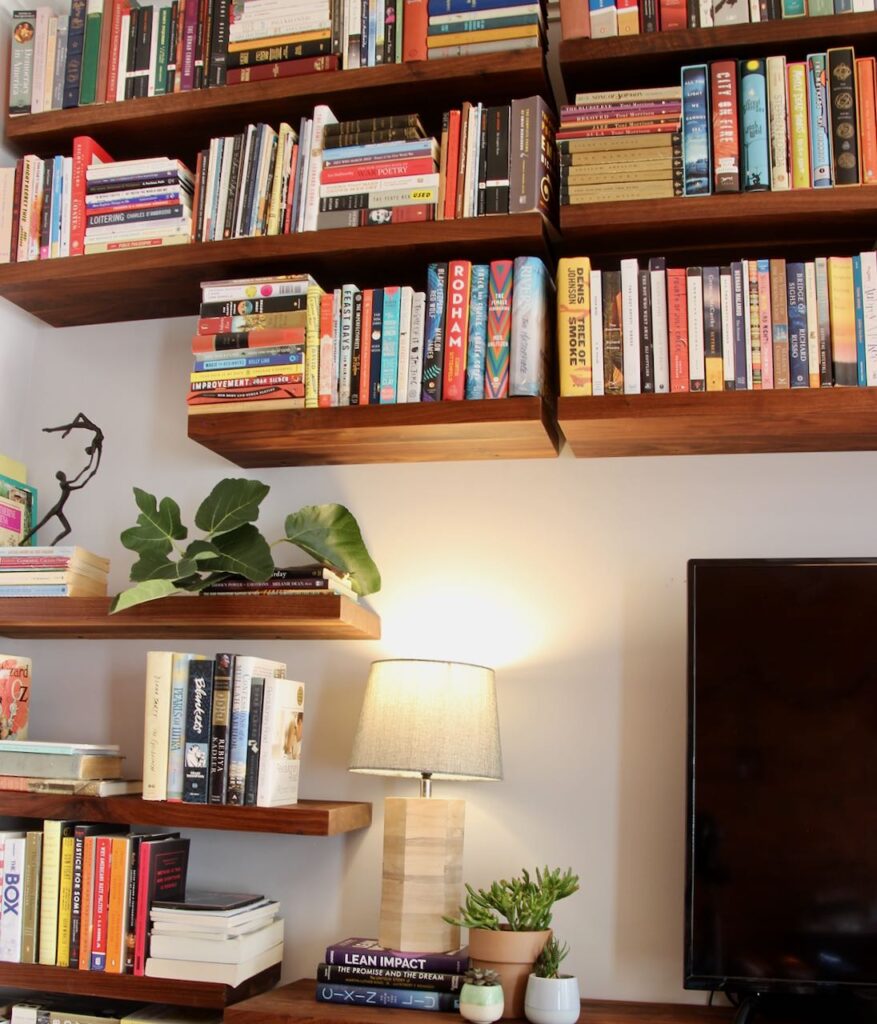
Credit: southhousedesigns.com
Safety Tips And Maintenance
Hanging a bookshelf on the wall is practical and stylish. Safety and maintenance keep your shelf strong and your books safe. Follow simple rules to avoid accidents and damage. Check the shelf often to catch any problems early.
Weight Limits
Know the weight your shelf can hold. Each bracket and wall type has limits. Avoid placing too many books or heavy items. Overloading can cause the shelf to fall. Use anchors or screws that fit your wall type.
Regular Checks
Look at your shelf every few months. Check for loose screws or cracks in the wall. Tighten brackets if they feel wobbly. Fix small problems before they grow. This keeps your shelf steady and safe.
Avoiding Common Mistakes
Do not ignore the wall type. Drywall needs special anchors, not just screws. Measure twice before drilling. Use a level to keep the shelf straight. Avoid heavy items on weak shelves. These tips prevent damage and accidents.
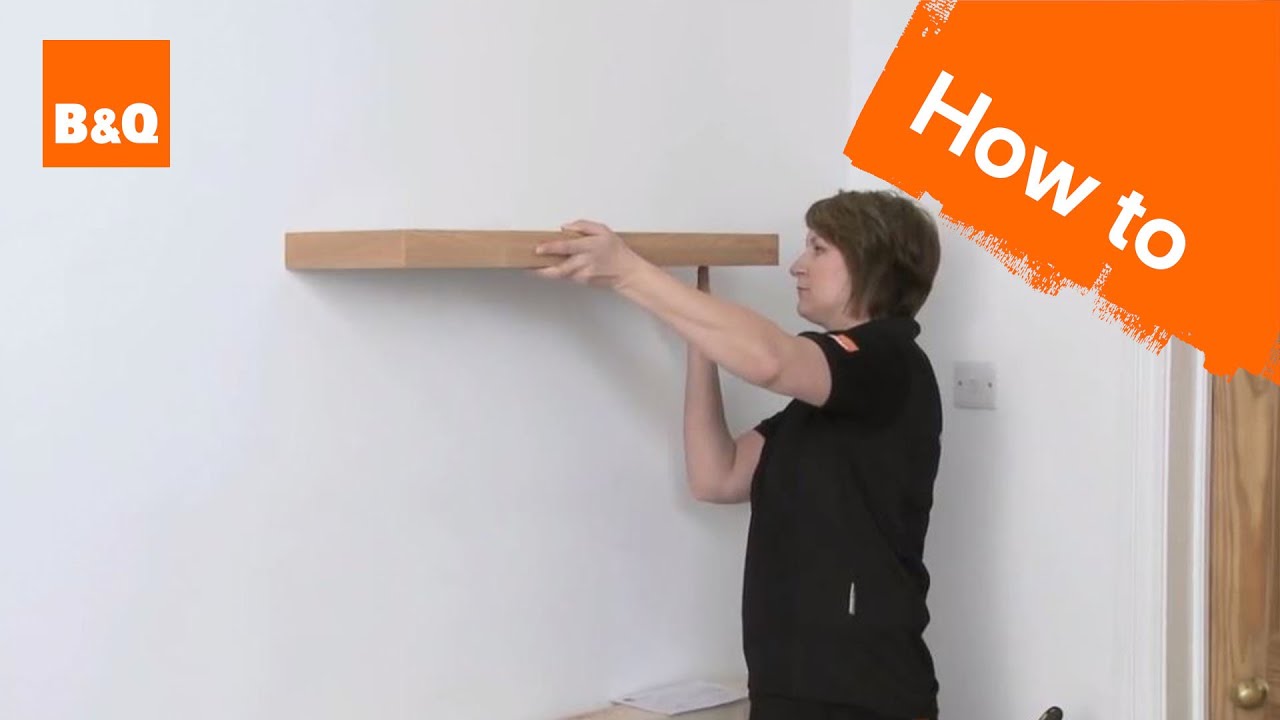
Credit: www.youtube.com
Frequently Asked Questions
How Do I Choose The Right Wall For My Bookshelf?
Select a sturdy wall, preferably with studs, to support your bookshelf’s weight. Avoid drywall alone. Use a stud finder to locate studs for secure mounting. Solid walls ensure stability and safety.
What Tools Are Needed To Hang A Bookshelf On Walls?
You need a drill, stud finder, level, measuring tape, screws, and wall anchors. These tools help ensure proper alignment and secure fixing. Having the right tools simplifies the installation process and guarantees safety.
How High Should I Hang A Bookshelf On The Wall?
Position the bookshelf at eye level or slightly above. This height allows easy access to books and adds aesthetic appeal. Adjust height based on room layout and furniture placement for the best visual balance.
Can I Hang A Bookshelf On Drywall Without Studs?
Yes, but use heavy-duty wall anchors designed for drywall. These anchors distribute weight evenly and prevent damage. Avoid hanging very heavy shelves without studs to ensure safety and prevent accidents.
Conclusion
Hanging a bookshelf on your wall can change your room’s look. Choose the right tools and find the best spot. Measure twice to avoid mistakes and keep the shelf steady. Secure it well to hold your favorite books safely. With careful steps, you can add style and space easily.
Enjoy your new bookshelf and the order it brings. Simple actions make a big difference in your home. Try it today and see how neat your space becomes.