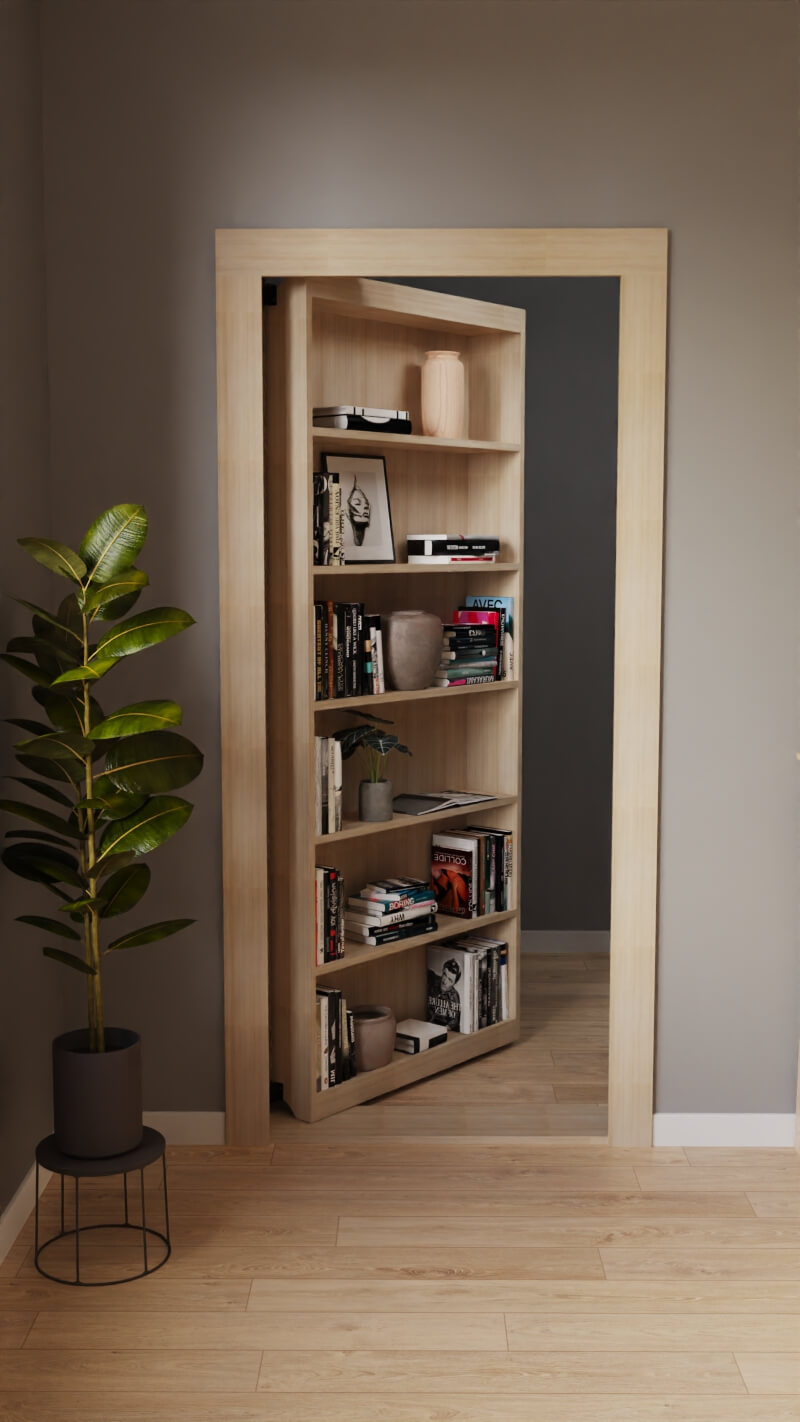
Have you ever wished your bookshelf could hide more than just books? Adding a door to your bookshelf can transform it from ordinary to extraordinary, giving you a secret space or a stylish way to keep things tidy.
You might think installing a door is complicated, but it’s easier than you expect. In this guide, you’ll discover simple steps to give your bookshelf a whole new look and function. Ready to make your bookshelf work harder and look better?
Let’s get started!
Choosing The Right Door
Choosing the right door for your bookshelf is an important step. The door changes the look and function of the shelf. It can protect books from dust and keep the shelf tidy. Picking the correct door ensures it fits well and matches your room style. Consider the materials, size, and hardware for the best result.
Materials And Styles
Doors come in many materials like wood, glass, or metal. Wood offers a classic and warm feel. Glass lets you see the books while keeping dust out. Metal doors are strong and modern. Styles range from simple flat panels to decorative designs. Match the door style with your room and shelf design.
Measuring Your Bookshelf
Accurate measurements are key for a proper fit. Measure the height and width of the shelf opening. Note the depth to ensure the door will not block shelves. Check if you want the door to cover the entire front or just part of it. Write down all measurements before buying or cutting the door.
Selecting Hinges And Hardware
Hinges hold the door and allow it to open smoothly. Choose hinges that fit your door material and weight. Concealed hinges give a clean look while visible ones add style. Pick handles or knobs that are easy to grip and match the door style. Make sure hardware is strong and durable for daily use.
Gathering Tools And Supplies
Before installing a door on a bookshelf, gather all necessary tools and supplies. This step ensures a smooth and efficient process. Having everything ready saves time and prevents interruptions. It also helps maintain safety throughout the project.
Essential Tools List
Start with basic hand tools. A tape measure helps with accurate door sizing. A pencil is useful for marking measurements. A screwdriver or drill is needed for screws. Hinges connect the door to the bookshelf. Select screws that fit both hinges and wood.
A level is important to keep the door straight. Sandpaper smooths rough edges on the door or shelf. Wood glue may be useful for extra strength. A saw might be necessary if you need to trim the door. Check all tools are in good condition before starting.
Safety Equipment
Protect yourself during the project. Wear safety glasses to shield your eyes from dust and splinters. Use gloves to protect your hands from sharp edges and tools. Hearing protection is important when using power tools. A dust mask helps prevent inhaling wood dust.
Clear your work area to avoid trips and falls. Keep a first aid kit nearby for minor cuts or scrapes. Staying safe ensures the project finishes without injury.
Preparing The Bookshelf
Preparing the bookshelf is the first key step before installing a door. It helps ensure a smooth and precise fit for the door. Taking time at this stage saves effort later and improves the final look.
Clearing And Cleaning
Remove all books and items from the bookshelf. This clears space and prevents damage to your belongings. Next, clean the surface inside and outside the shelves. Use a soft cloth and mild cleaner to remove dust and dirt. A clean surface helps the door attach properly and look neat.
Marking Door Placement
Decide where the door will go on the bookshelf. Measure the height and width carefully. Mark the edges with a pencil. Make sure the marks are straight and even. These marks guide you during the door installation. Accurate placement ensures the door fits and works well.
Cutting And Fitting The Door
Cutting and fitting the door is a key step in installing a door on a bookshelf. It shapes the door to fit perfectly and work smoothly. Taking time here ensures the door looks good and opens without trouble. Accuracy matters to avoid gaps or tight spots.
Measuring For Accuracy
Start by measuring the opening carefully. Measure height and width at several points. Use a tape measure and write down the numbers. Check if the shelf edges are straight and even. Mark the door piece based on your measurements. Double-check before cutting to avoid mistakes.
Cutting Techniques
Use a saw suitable for wood, like a circular saw or handsaw. Cut slowly along the marked lines. Keep the saw steady to get a straight edge. Support the door piece on a flat surface during cutting. Avoid rushing; smooth cuts make fitting easier. Use clamps to hold the wood if needed.
Sanding Edges
After cutting, sand the edges to smooth rough spots. Use medium-grit sandpaper first, then fine-grit for a smooth finish. Sand in one direction to avoid scratches. Check the edges against the bookshelf opening. Sand more if the door fits too tight. Clean dust off before fitting the door.
Attaching Hinges
Attaching hinges is an important step to add doors to your bookshelf. It allows the door to open and close smoothly. You need to place the hinges carefully for good alignment. This process takes some precision but is easy with the right tools.
Marking Hinge Positions
Start by deciding where the hinges will go on the door. Usually, place one hinge near the top and one near the bottom. Use a pencil to mark the exact spots on the door edge. Then, align the door with the bookshelf and mark hinge spots on the frame. Check that both marks match perfectly.
Pre-drilling Holes
Pre-drilling holes helps prevent the wood from splitting. Choose a drill bit slightly smaller than the screws. Drill holes on the marks you made for the hinge screws. Drill straight and not too deep. This makes it easier to screw in the hinges later.
Securing Hinges
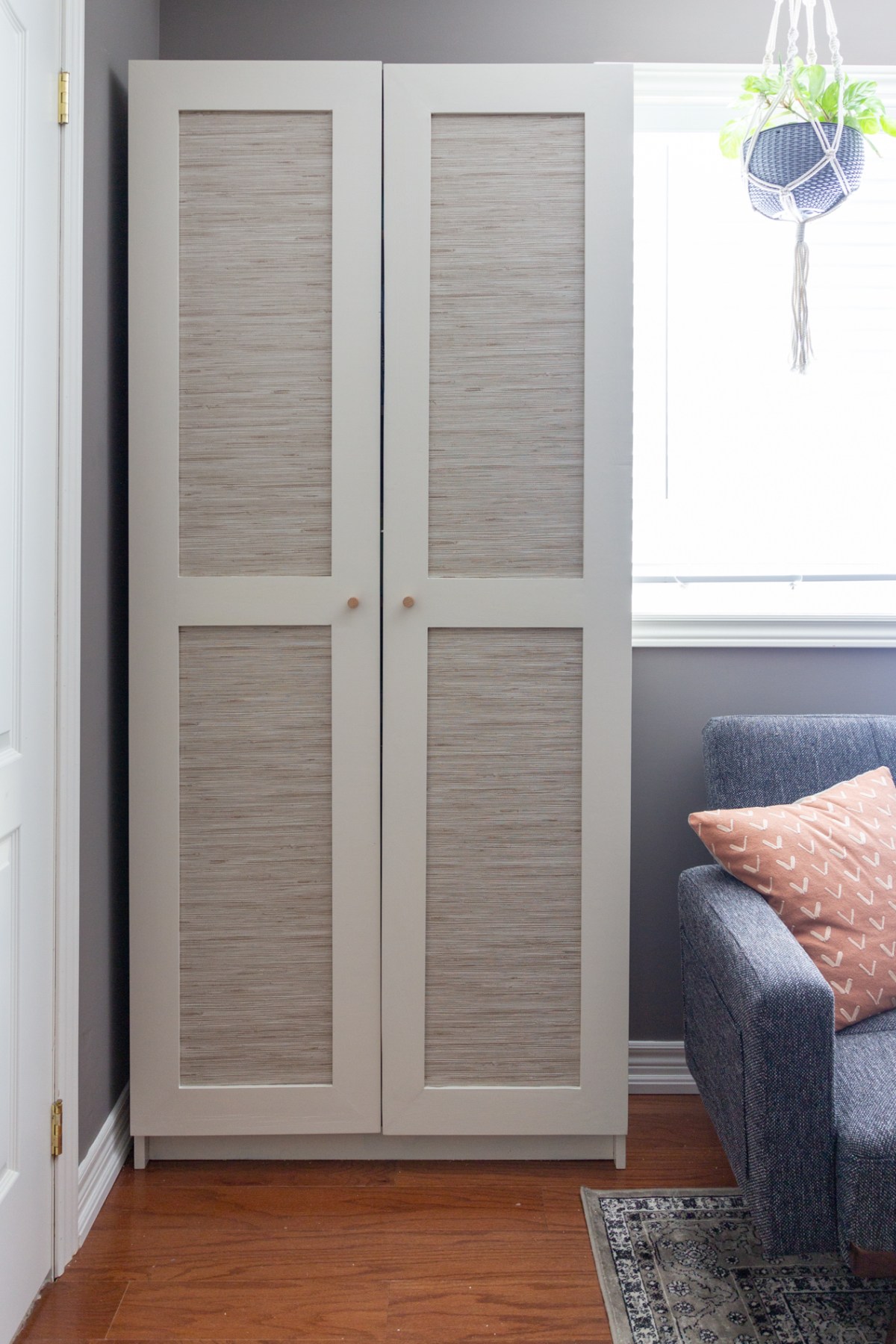
Place the hinges on the pre-drilled holes on the door. Use screws to fix the hinges firmly. Tighten the screws but avoid overtightening. Attach the other side of the hinges to the bookshelf frame. Check the door swings open and closes without resistance.
Credit: www.housebythebaydesign.com
Mounting The Door
Mounting the door on a bookshelf is a key step. It turns an open shelf into a neat cabinet. This section explains how to attach the door properly. Follow clear steps for a smooth fit and strong hold.
Aligning The Door
Start by holding the door next to the bookshelf. Check that the edges line up evenly with the sides. Use a level to keep the door straight. Mark the spots for the hinges on the bookshelf and door. Accurate marks help the door open and close easily.
Screwing Door To Bookshelf
Attach the hinges to the door first. Use screws that fit the hinge holes well. Then, hold the door in place and screw the hinges to the bookshelf. Tighten screws carefully. Avoid over-tightening to prevent damage to the wood.
Adjusting For Fit
Open and close the door to check the fit. Look for gaps or spots where it sticks. Adjust the hinges slightly by loosening screws and moving the door. Tighten screws again once the door fits smoothly. This step ensures the door works well every day.
Installing Handles And Locks
Installing handles and locks on your bookshelf door adds both style and function. Handles let you open and close doors easily. Locks keep your items safe. This step is important for a polished look and secure use.
Choosing Handle Styles
Pick handles that match your bookshelf design. Simple knobs fit modern styles well. Long pulls suit traditional or rustic looks. Choose a finish that complements the door’s color. Consider comfort and grip for daily use.
Marking Handle Placement
Measure carefully to place handles evenly. Mark spots with a pencil on the door. Use a ruler or tape measure for accuracy. Place handles at a height that feels natural to reach. Double-check before drilling holes.
Attaching Handles And Locks
Drill holes where you marked the handle spots. Align handles with the holes. Use screws to fix handles securely in place. For locks, follow the lock’s instructions. Test the lock to ensure it works smoothly.
Finishing Touches
Adding doors to a bookshelf changes its look and function. The finishing touches make the installation neat and lasting. These small steps improve the door’s appearance and protect it from damage. Follow these tips to complete your project with care and style.
Painting Or Staining
Choose paint or stain that matches your room’s style. Paint gives a smooth, solid color. Stain shows the wood grain and adds warmth. Apply thin, even coats for the best finish. Let each coat dry fully before adding another.
Sealing And Protecting
Seal the door to protect it from moisture and wear. Use a clear varnish or polyurethane for good protection. Apply two or three coats for a strong shield. This step helps the door last longer and stay beautiful.
Final Adjustments
Check the door’s fit and movement carefully. Tighten any loose hinges or screws. Make sure the door opens and closes smoothly. Adjust the latch or handle for easy use. These small fixes ensure your door works perfectly every day.
Troubleshooting Common Issues
Installing a door on a bookshelf can be tricky. Small problems can stop the door from working well. Fixing these common issues helps the door open and close smoothly. This section covers easy ways to solve typical problems you might meet.
Door Misalignment
Misaligned doors do not close properly. Check if the door is straight on the frame. Use a level to see if the door tilts. Adjust the hinges by loosening screws slightly. Move the door until it fits right. Tighten the screws again to hold the position. This helps the door sit flush and work smoothly.
Loose Hinges
Loose hinges make the door wobble or sag. Tighten all hinge screws with a screwdriver. If screws don’t hold, replace them with longer ones. Add wood filler in old holes for a tight fit. Let the filler dry before putting screws back. Loose hinges fixed make the door strong and steady.
Handle Problems
Handles may feel loose or hard to turn. Tighten the handle screws first. Check if the handle parts line up well. Clean any dirt or dust inside the handle. Use lubricant if the handle is stiff. Replace broken parts if needed. A smooth handle makes opening easy and safe.

Credit: www.youtube.com
Credit: hiddendoorstore.com
Frequently Asked Questions
What Tools Are Needed To Install A Door On A Bookshelf?
You need a drill, screwdriver, measuring tape, hinges, screws, and a door. These tools ensure precise installation and secure attachment.
How Do I Measure For A Bookshelf Door?
Measure the bookshelf opening’s height and width accurately. Subtract a small margin for easy door movement and fitting.
Can I Install A Door On An Existing Bookshelf?
Yes, you can retrofit a door on existing bookshelves. Ensure proper measurements and use suitable hinges for stability.
What Type Of Hinges Work Best For Bookshelf Doors?
Concealed or European hinges work best. They provide a clean look and allow smooth door operation and adjustment.
Conclusion
Adding a door to your bookshelf can change its look and function. Take your time with each step for the best results. Use the right tools and measure carefully before cutting or drilling. Doors keep your books safe from dust and add a neat finish.
You can choose different styles to fit your room’s style. This small project brings a fresh feel to your space. Enjoy your new bookshelf door and the extra charm it adds.
