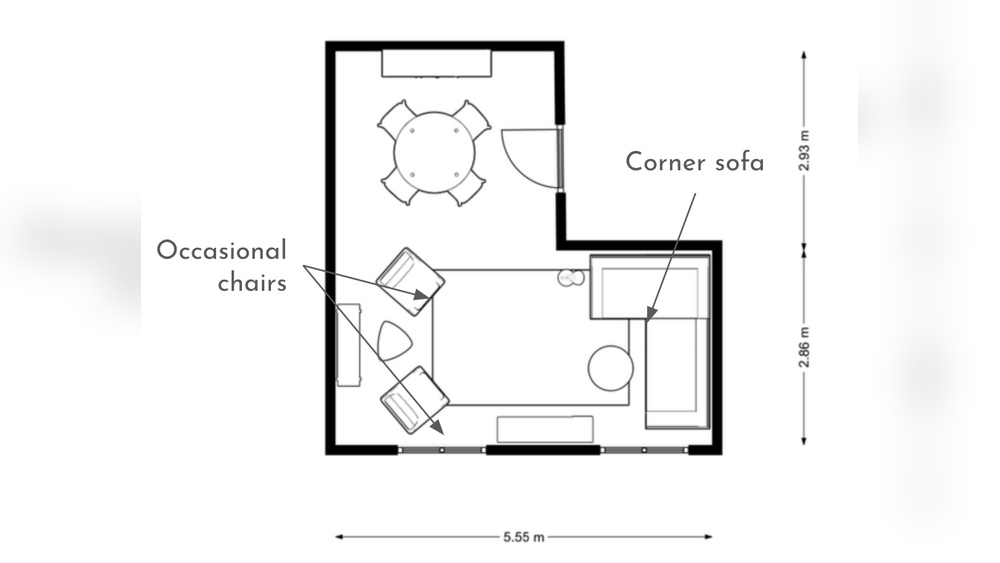
Are you struggling to arrange furniture in your L-shaped living room? You’re not alone.
This unique space can feel tricky to work with, but with the right approach, you can create a cozy, functional area that looks amazing. Imagine walking into your living room and instantly feeling relaxed, with everything perfectly placed for comfort and style.
In this guide, you’ll discover simple, practical tips to transform your L-shaped living room into a space that truly works for you. Keep reading, and you’ll learn how to make the most of every corner, no matter the size of your room.

Credit: www.ojcommerce.com
Benefits Of L-shaped Living Rooms
L-shaped living rooms offer a unique and practical space layout. They create two distinct areas without needing walls. This design helps separate activities like relaxing and dining. It makes the room feel larger and more open. Furniture placement feels natural and balanced.
The shape also encourages a cozy atmosphere. It allows more seating options for family and guests. This layout fits well in both small and large homes. It supports flexible furniture arrangements. You can easily change the look and function of the space.
Improved Space Utilization
L-shaped rooms use corners efficiently. The design maximizes floor space that might go unused. It allows for creative furniture placement. This helps avoid clutter and keeps the room open. You can fit more furniture without crowding the space.
Clear Zones For Different Activities
The shape naturally divides the room. One section can be for watching TV or relaxing. The other can serve as a dining area or workspace. This separation keeps the room organized. It also helps family members focus on their tasks.
Enhanced Traffic Flow
L-shaped layouts create smooth movement paths. People can walk through without obstacles. This reduces accidents and makes the room safer. Clear walkways also improve the overall comfort of the space.
More Natural Light
The shape allows windows on two walls. This brings in more sunlight. Natural light brightens the room and makes it feel fresh. It also reduces the need for artificial lighting during the day.
Versatile Design Options
The layout suits many decorating styles. You can add rugs, shelves, or plants easily. Different furniture pieces fit well in each section. This flexibility helps match your personal taste and needs.
Measure And Map Your Space
Measuring and mapping your space is the first step in arranging furniture in an L-shaped living room. Knowing the exact size of your room helps create a layout that fits well. It avoids overcrowding and leaves enough space to move around comfortably.
Take time to measure every wall, corner, and doorway. Write down the length and width of each section. This detailed map acts as a guide for placing furniture correctly. It also helps you see how much space you really have to work with.
Gather Measuring Tools
Use a tape measure for accuracy. A laser measure can help with large or tricky spaces. Have a notepad and pencil ready to record numbers. A ruler or straight edge helps check angles if needed.
Create A Scaled Floor Plan
Draw your room on graph paper or use a digital app. Each square can represent a fixed number of inches or centimeters. This scaled map shows the room’s shape and size clearly. It makes visualizing furniture placement easier and more precise.
Mark Fixed Features
Note windows, doors, radiators, and vents on your plan. These features affect where furniture can go. Mark electrical outlets and light switches too. Avoid blocking these with large pieces.
Measure Furniture Dimensions
Measure sofas, chairs, tables, and storage units. Write down their height, width, and depth. Compare these sizes to your room map. This prevents buying or placing furniture that won’t fit well.
Choose The Right Furniture
Choosing the right furniture is key for an L-shaped living room. It helps create balance and flow. The furniture should fit the space without crowding it. Comfort and style must work together. Think about the room’s shape and how people move through it.
Pick pieces that match the room’s size and purpose. Focus on furniture that offers both function and beauty. This makes the room inviting and practical.
Select Scaled Pieces
Choose furniture that fits the room size well. Large sofas or oversized chairs can overwhelm the space. Small pieces may look lost in a big room. Measure your room carefully before buying. Scaled furniture keeps the room balanced and open. It also helps keep walking paths clear.
Consider Multi-functional Furniture
Multi-functional furniture saves space and adds value. A sofa bed or storage ottoman works great in an L-shaped room. These pieces serve more than one purpose. They make the room flexible for different needs. Multi-functional furniture keeps the area tidy and uncluttered.
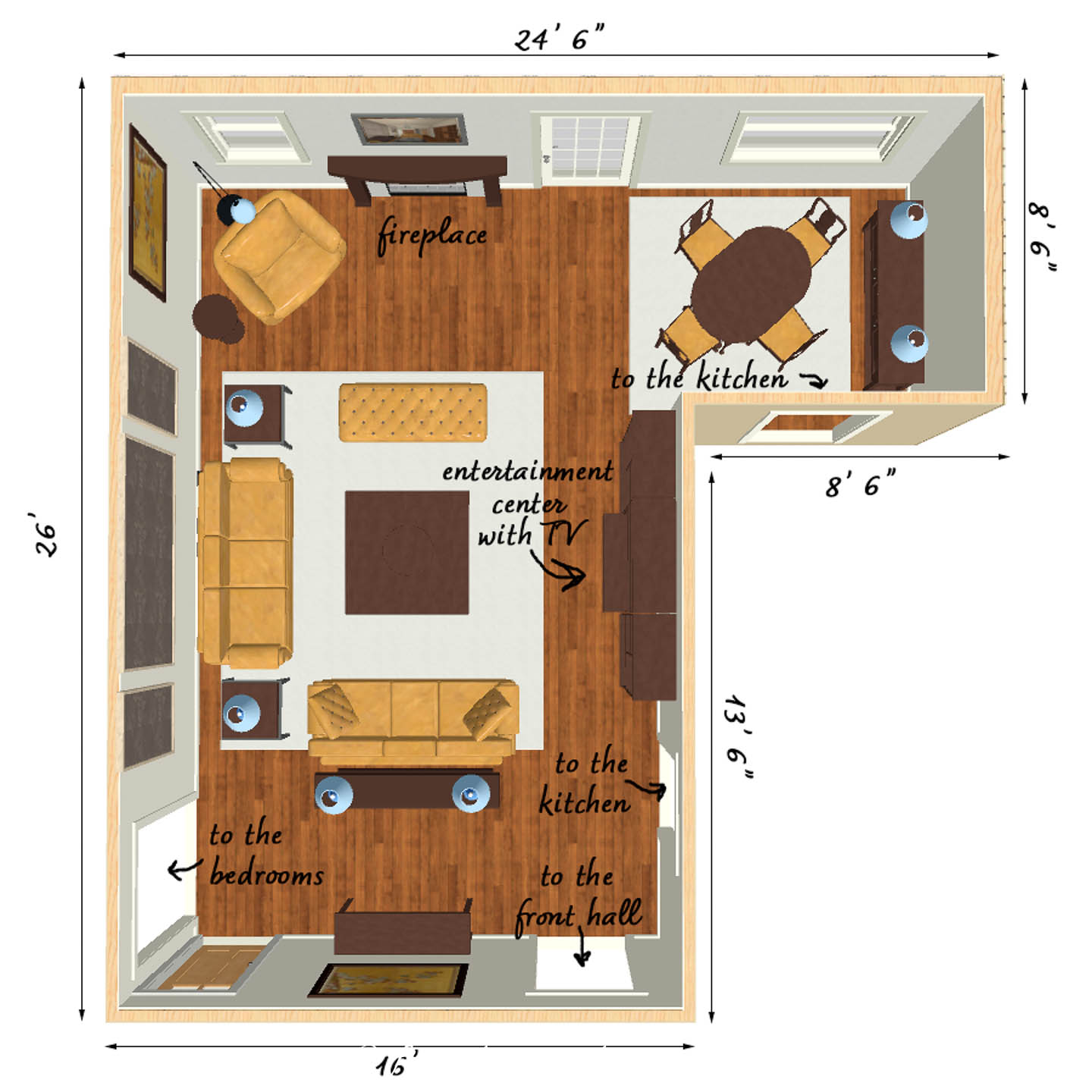
Credit: www.fromhousetohome.com
Create Zones Within The Room
Creating zones in an L-shaped living room helps organize the space. It makes the room feel bigger and more useful. Each area can serve a special purpose. This way, the room feels balanced and inviting.
Careful zoning lets you place furniture smartly. It guides movement and creates cozy spots. The key is to separate areas without walls or barriers. Use rugs, lighting, or furniture arrangement to mark each zone.
Define Seating Areas
Start by setting up clear seating areas. Place sofas and chairs to face each other or a focal point. This creates a natural space for talking or relaxing. Use rugs to anchor the seating and add warmth.
Arrange furniture to keep pathways open. Avoid blocking the flow between zones. Group smaller chairs or ottomans near the main sofa. This adds extra seats without crowding the room.
Add A Workspace Or Reading Nook
Use one corner for a small workspace or reading nook. A compact desk or comfy chair fits well in the L-shape. This spot offers a quiet place for work or rest.
Place a lamp or a small shelf nearby. Good lighting and storage improve comfort and function. Keep this zone simple to avoid clutter and distraction.
Arrange Furniture For Flow
Arranging furniture for flow in an L-shaped living room helps create a smooth, inviting space. Good flow means people can move easily without bumping into furniture. It also makes the room feel balanced and comfortable. Focus on open pathways and visual balance to achieve this.
Maximize Open Pathways
Clear paths let people walk freely through the room. Avoid blocking entrances and windows with big furniture. Leave at least 2 to 3 feet of walking space between pieces. Place sofas and chairs so they do not stop movement. Use rugs to define areas but keep paths clear. This setup keeps the room open and easy to navigate.
Balance The Visual Weight
Distribute large furniture evenly across the L-shape. Avoid clustering heavy pieces in one corner. Balance a big sofa with a pair of chairs or a console table. Use light-colored furniture on one side to offset dark pieces on the other. This balance helps the room feel stable and inviting. It also stops one side from looking too crowded.
Use Rugs And Lighting To Anchor Spaces
Using rugs and lighting helps define different areas in an L-shaped living room. Rugs add warmth and separate zones visually. Lighting sets the mood and highlights furniture groups. Together, they create balance and guide the eye through the space.
Choose Rugs That Match Each Area
Select rugs that fit the size of each furniture group. A larger rug works well under a sofa and coffee table. Smaller rugs suit reading nooks or side chairs. Pick colors and patterns that blend with your room’s style.
Use Lighting To Create Focus Points
Place floor lamps or table lamps near seating areas. Overhead lighting can brighten the whole room. Use dimmers to adjust light levels for different needs. Task lighting helps with reading or hobbies.
Combine Rugs And Lighting For Cohesion
Match the rug shape with the lighting design. Round rugs pair well with circular pendant lights. Rectangular rugs suit linear fixtures. This harmony makes each space feel intentional and cozy.
Incorporate Storage Solutions
In an L-shaped living room, storage solutions help keep the space tidy and functional. These rooms often have corners and nooks that can be tricky to use. Smart storage ideas make good use of every inch. They also add style and comfort to your room.
Choosing the right storage pieces can make your living area feel bigger and less cluttered. Look for furniture that holds items without taking up too much space. This way, you keep things organized and easy to find. Storage solutions blend well with your furniture layout.
Use Corner Shelves To Maximize Space
Corner shelves fit perfectly in L-shaped rooms. They fill empty corners without crowding the room. Use them to display books, plants, or small decor. These shelves keep items off the floor and add height to the room.
Choose Multi-functional Furniture
Furniture with built-in storage saves space. Ottomans with storage inside hold blankets or magazines. Coffee tables with drawers keep remotes and coasters hidden. These pieces reduce clutter and provide extra seating or surface space.
Install Floating Cabinets Along The Walls
Floating cabinets offer storage without taking floor space. Mount them on walls near the seating area. Store DVDs, games, or electronics inside. They keep the floor open and make cleaning easier.
Use Storage Benches For Seating And Organization
Storage benches serve two purposes. They provide extra seating and hold items inside. Place them near windows or walls to fill awkward spaces. These benches keep toys, shoes, or pillows out of sight.
Add Personal Touches
Personal items like photos or favorite books make the space feel warm and inviting. Small decorations reflect your style and brighten the room. These touches create a cozy atmosphere in an L-shaped living room.
Add Colorful Accessories
Bright cushions and throws bring life to an L-shaped living room. Choose colors that match your style. These small touches make the space feel warm and inviting. Use rugs or curtains to add more color and texture. They help separate areas and create a cozy vibe.
Showcase Personal Items
Display books, photos, or souvenirs on shelves or side tables. These items tell your story and make the room unique. Personal collections add character and spark conversations. Use frames or decorative boxes to keep things neat and stylish.
Use Plants And Greenery
Plants bring freshness and calm to any space. Place potted plants in corners or on tables. They soften hard edges and improve air quality. Choose easy-care plants if you prefer low maintenance. Greenery connects your living room with nature gently.
Credit: www.thelivinghouse.co.uk
Frequently Asked Questions
How Do I Arrange Furniture In An L-shaped Living Room?
Start by dividing the space into zones for different activities. Place larger pieces along the longer wall and use smaller items to fill the shorter side. Ensure clear pathways for easy movement and balance the layout visually.
What Furniture Suits An L-shaped Living Room Best?
Choose sectional sofas or modular seating to fit the corner layout. Use versatile pieces like ottomans or small tables. Select furniture that complements the room’s size and allows flexible arrangement options.
How Can I Maximize Space In An L-shaped Living Room?
Use multi-functional furniture like storage ottomans. Keep furniture close to walls to open central areas. Opt for light colors and mirrors to enhance the feeling of space.
Where Should I Place The Tv In An L-shaped Living Room?
Position the TV on the longer wall or inside the corner. Ensure it is visible from main seating areas without obstructing walkways.
Conclusion
Arranging furniture in an L-shaped living room can feel tricky. Keep the space open and comfortable. Use corners wisely to create cozy seating areas. Balance the room by placing larger pieces first. Leave clear walkways for easy movement. Add rugs or lighting to define zones.
Small touches make the room inviting and functional. With simple planning, your living room will feel just right. Enjoy the space you create every day.

