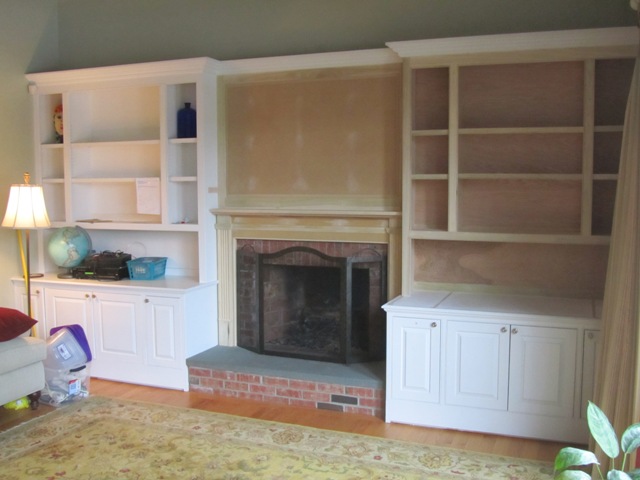
Are you looking to add a stylish and practical touch to your living room? Building a bookshelf beside your mantle is a great way to create extra storage and display space without taking up too much room.
Imagine having your favorite books, photos, and décor right next to your fireplace, making your space cozy and organized. In this guide, you’ll discover simple steps to make a beautiful bookshelf that fits perfectly beside your mantle. Whether you’re a beginner or just want a fresh idea, this article will help you transform your room quickly and easily.
Ready to get started? Let’s dive in!
Credit: www.highlandsdesigns.com
Choosing The Right Bookshelf Design
Choosing the right bookshelf design is key to a successful project beside a mantle. The design must fit the room well and look good with the mantle. Thoughtful choices help create a balanced and attractive space. This section guides you through important steps in picking the best design.
Assessing Space And Dimensions
Measure the area beside your mantle carefully. Note the height, width, and depth available. Consider how much space you want the bookshelf to take. Leave room for walking and other furniture. Proper measurements prevent crowded or awkward setups.
Selecting Materials And Style
Choose materials that match your room’s feel. Wood offers warmth and durability. Metal can add a modern touch. Think about the style you want—classic, rustic, or sleek. Pick finishes that fit your taste and budget.
Matching With Mantle Aesthetics
Look closely at your mantle’s color and design. Select a bookshelf that complements these features. Matching wood tones or paint colors helps create unity. Use similar shapes or details for harmony. This approach ties the two elements together nicely.

Credit: thesweetestdigs.com
Gathering Tools And Supplies
Before building a bookshelf beside your mantle, gather all necessary tools and supplies. This step saves time and helps avoid interruptions during the project. Having the right equipment makes the work easier and safer. Prepare everything in advance for a smooth building process.
Essential Tools List
Start with basic tools like a measuring tape and pencil for accurate cuts. A saw is needed to cut wood pieces to size. Use a drill to make holes and drive screws securely. A level ensures shelves stay straight and balanced. Sandpaper smooths rough edges. A screwdriver is helpful for tightening screws by hand.
Recommended Materials
Choose sturdy wood like pine or oak for durability. Buy wood boards that fit your shelf size. Pick screws that hold the wood firmly. Wood glue adds extra strength to joints. Select paint or stain to match your room decor. Use wood filler to cover any holes or imperfections.
Safety Gear
Protect your eyes with safety goggles. Wear gloves to avoid splinters and cuts. Use a dust mask when sanding or cutting wood. Ear protection reduces noise from power tools. Dress in long sleeves and pants to protect your skin. Keep a first aid kit nearby for emergencies.
Preparing The Area
Preparing the area is the first step to building a bookshelf beside a mantle. It helps create a safe and organized workspace. Taking time to prepare can make the project easier and faster. It also protects your home from damage. Follow these simple steps to get ready before you start building.
Clearing The Space
Remove all furniture and objects near the mantle. Clear the floor to have enough room to work. This prevents accidents and makes moving materials easy. Keep pets and children away from the workspace. A clear area helps you focus on building the bookshelf.
Protecting Floors And Walls
Use drop cloths or old sheets to cover floors. This stops scratches and stains from tools or wood. Tape the cloth edges to keep them from moving. Cover nearby walls with painter’s tape or cardboard. Protecting surfaces keeps your home clean and damage-free.
Marking Placement
Measure the space beside the mantle carefully. Use a pencil to mark where the bookshelf will go. Mark the height, width, and depth on the wall and floor. Check the marks twice to avoid mistakes. Clear markings guide you during the building process.
Building The Bookshelf Frame
Building the bookshelf frame is the first step to create a sturdy and attractive unit beside your mantle. This frame will hold the shelves and support the weight of your books. Careful planning and precise work make the project easier and the results better. Follow these steps to build a strong frame that fits perfectly in your space.
Measuring And Cutting Wood
Start by measuring the space next to your mantle. Measure height, width, and depth carefully. Use these numbers to mark your wood pieces. Cut the wood using a saw. Cut the sides, top, bottom, and shelves to the right size. Double-check each piece to avoid mistakes. Accurate cuts help the frame fit well and look neat.
Assembling The Frame
Lay out all wood pieces on a flat surface. Join the sides to the top and bottom pieces using wood glue and screws. Use clamps to hold the frame together while the glue dries. Attach shelves inside the frame at equal distances. Keep shelves level using a small level tool. Take your time to make the frame square and tight.
Ensuring Stability
Check the frame for any wobble by gently shaking it. Add corner braces inside the frame if needed for extra strength. Use longer screws to secure the frame to the wall beside the mantle. This prevents tipping and keeps your books safe. Sand all edges smooth to avoid splinters. A stable frame lasts longer and holds your books firmly.
Adding Shelves And Supports
Adding shelves and supports to your bookshelf beside the mantle is key to its strength and appearance. Proper placement and secure fixing ensure the shelves hold your books safely. This part of the project needs careful planning and steady work.
Spacing Shelves Evenly
Measure the height of your bookshelf space carefully. Divide this height by the number of shelves you want. Leave extra space for taller books on some shelves. Use a pencil to mark shelf positions on the side panels. Check each mark with a level to keep shelves straight. Even spacing makes your bookshelf look neat and balanced.
Securing Shelf Brackets
Choose strong brackets that fit your shelf size. Attach brackets to the side panels using screws and a drill. Make sure brackets are level before tightening screws fully. Place screws into wall studs for better support. Use wall anchors if studs are not available. Secure brackets firmly to avoid shelf wobbling.
Adjustable Vs Fixed Shelves
Fixed shelves are glued or screwed in one place. They add strength and are good for heavy books. Adjustable shelves use metal pins or clips in holes. They let you change shelf height anytime. Adjustable shelves offer flexibility for different items. Choose fixed shelves for sturdiness or adjustable for convenience.
Finishing Touches
Finishing touches make your bookshelf look complete and neat. These steps protect your work and improve its style. Taking time here gives your project a polished, lasting feel.
Sanding And Smoothing
Start by sanding all surfaces. Use fine-grit sandpaper to remove rough spots. Sand edges and corners gently for safety. Wipe off dust with a clean cloth before the next step. Smooth wood helps paint or stain stick better.
Painting Or Staining
Choose paint or stain to match your room’s style. Apply thin, even coats for a smooth finish. Let each coat dry completely before adding another. Staining shows wood grain, while paint covers it fully. Use a brush or cloth depending on the product.
Sealing For Durability
Seal the bookshelf to protect against scratches and moisture. Polyurethane or clear varnish works well for sealing. Apply in thin layers and allow drying time. This step keeps your shelf strong and easy to clean. A sealed surface lasts longer and looks fresh.
Installing The Bookshelf Beside The Mantle
Installing the bookshelf beside the mantle is a key step. It creates a seamless look and adds extra storage. This part needs careful attention to ensure safety and style. Follow these steps to place your bookshelf correctly and securely.
Positioning And Leveling
Start by placing the bookshelf next to the mantle. Use a level tool to check it stands straight. Adjust the base until it is perfectly horizontal. This prevents books from sliding and keeps the shelf stable.
Securing To Wall And Mantle
Find the wall studs behind the bookshelf. Use a stud finder for accuracy. Screw the bookshelf frame into the studs for strong support. Attach brackets to the mantle and bookshelf to link them firmly. This stops any movement or tipping over.
Final Inspection
Check all screws and brackets for tightness. Make sure the bookshelf is flush with the mantle. Test stability by gently pushing the shelf. Ensure it does not wobble or shift. Now your bookshelf is safe and ready for use.
Styling And Organizing
Styling and organizing a bookshelf beside a mantle adds charm and function to your living space. It creates a cozy, inviting spot that highlights your personality. Proper arrangement of books and decor improves the room’s flow and appeal. Good lighting enhances visibility and atmosphere. Regular maintenance keeps the shelf looking fresh and neat.
Arranging Books And Decor
Place books both vertically and horizontally for visual interest. Group books by color or size to create order. Mix in decorative items like small plants, candles, or photo frames. Use bookends to keep books upright and add style. Leave some empty space to avoid a cluttered look.
Lighting Options
Install LED strip lights under each shelf for soft illumination. Use small clip-on lamps for focused reading light. Choose warm white bulbs to create a cozy mood. Battery-operated lights work well without extra wires. Adjust lighting to highlight special decor pieces.
Maintenance Tips
Dust shelves and items regularly to keep them clean. Use a soft cloth to avoid scratches on wood. Check for loose screws or nails and tighten them. Rotate books and decor to refresh the look often. Avoid placing the shelf in direct sunlight to prevent fading.
Credit: www.highlandsdesigns.com
Frequently Asked Questions
How Do I Measure Space For A Bookshelf Beside A Mantle?
Measure the width and height of the wall space beside your mantle. Ensure enough room for shelves and easy access. Account for mantle depth and any nearby obstructions.
What Materials Are Best For Building A Mantle Bookshelf?
Use durable materials like solid wood or plywood for strength. Choose finishes that match or complement your mantle for a cohesive look. Consider moisture-resistant options if near a fireplace.
How Can I Securely Attach The Bookshelf To The Wall?
Use wall studs for secure anchoring. Install heavy-duty brackets or screws rated for the bookshelf’s weight. This prevents tipping and ensures long-term stability beside the mantle.
What Design Styles Suit A Bookshelf Beside A Mantle?
Choose styles that complement your room’s decor, like traditional, modern, or rustic. Built-in or floating shelves blend well. Match colors and materials with your mantle for harmony.
Conclusion
Building a bookshelf beside a mantle adds charm and function. It creates extra space for books and decor. The process is simple and can fit any room style. Taking time to measure and plan makes a big difference. Use quality materials to ensure durability and safety.
Enjoy the satisfaction of crafting something useful and beautiful. This project suits beginners and experienced DIYers alike. Try it yourself to enhance your living space today.