Are you looking to add extra storage or a stylish touch to your space? Making a bookshelf out of melamine is easier than you might think, and it’s a perfect way to create something sturdy and attractive without spending a lot.
Whether you want a simple shelf for your favorite books or a custom piece that fits your room perfectly, this guide will walk you through every step. By the end, you’ll have the confidence and know-how to build a bookshelf that looks great and lasts for years.
Ready to get started? Let’s dive in!
Credit: jennakateathome.com
Choosing The Right Melamine
Choosing the right melamine is key to building a strong and attractive bookshelf. Melamine boards come in many types, sizes, and colors. Picking the right one makes your project easier and results better. This section helps you decide what fits your needs best.
Types Of Melamine Boards
Melamine boards have a smooth, hard surface. They are made by pressing paper soaked in resin onto wood particles. Common types include particleboard, MDF, and plywood base. Particleboard is affordable and light but less strong. MDF is denser and holds screws better. Plywood is strong and resists warping but costs more. Choose a type based on your budget and strength needs.
Size And Thickness Selection
Select board size that fits your shelf dimensions. Common thicknesses are 15mm and 18mm. Thicker boards hold more weight and last longer. Thin boards may sag under heavy books. Measure your space carefully and buy a bit larger to allow cuts. Thickness affects the look too. Thicker edges look sturdy and neat.
Color And Finish Options
Melamine boards come in many colors and finishes. White and wood grain are popular choices. Wood grain finishes give a natural look without real wood cost. Glossy finishes reflect light and brighten rooms. Matte finishes hide scratches better. Pick a color and finish that match your room style. Consider easy cleaning and maintenance as well.

Credit: www.youtube.com
Tools And Materials Needed
Building a bookshelf from melamine requires the right tools and materials. These help you work safely and get a good result. Prepare everything before starting. It saves time and avoids mistakes.
Essential Tools
You will need a circular saw or a table saw to cut melamine sheets. A drill helps make holes for screws. Use a screwdriver or a power driver to fasten parts together. A tape measure ensures accurate measurements. A pencil marks cut lines. Sandpaper smooths rough edges.
Hardware And Accessories
Choose wood screws designed for melamine. Use plastic or metal edge banding to cover cut edges. Shelf pins hold shelves firmly. Wood glue adds strength to joints. Corner brackets increase stability. Get small clamps to hold parts during assembly.
Safety Equipment
Wear safety glasses to protect your eyes from dust and chips. Use ear protection to reduce noise from power tools. A dust mask stops you from breathing sawdust. Gloves protect your hands from cuts. Work in a well-ventilated area to avoid dust buildup.
Planning Your Bookshelf
Planning your bookshelf is the first step to a successful project. Good planning saves time and materials. It helps you build a sturdy and beautiful shelf. Think about the space and what you want to store. A clear plan guides every step of the process.
Measuring Space And Dimensions
Start by measuring the wall or space for your bookshelf. Use a tape measure and write down the height, width, and depth. Check for any obstacles like power outlets or vents. These can affect the size and shape of your shelf. Measure twice to avoid mistakes. Accurate dimensions ensure your shelf fits perfectly.
Designing Shelves And Compartments
Decide how many shelves you need and their spacing. Consider the size of your books and items. Some shelves may need to be taller for large books. Plan compartments for decorations or storage boxes. Think about a balance between open and closed spaces. A simple design is easier to build and looks neat.
Creating A Cutting List
Write down all the pieces you need to cut from melamine boards. Include sides, shelves, back panels, and any dividers. Note the exact measurements for each piece. Organize the list from largest to smallest parts. This helps reduce waste and saves money. A clear cutting list makes the building process smoother.
Cutting Melamine Boards
Cutting melamine boards is a key step in building a sturdy bookshelf. Melamine has a smooth, shiny surface that can chip or crack if cut improperly. Preparing the right tools and techniques helps create clean, strong edges. This ensures your bookshelf looks neat and holds together well.
Careful cutting also saves time and reduces waste. Knowing how to handle melamine boards with care gives better results and a professional finish. Below are some tips on cutting techniques, tool choices, and how to avoid damage.
Cutting Techniques For Clean Edges
Score the melamine surface lightly before cutting. Use a sharp utility knife to make a shallow line. This prevents chipping along the edge. Cut slowly and steadily for a smooth finish. Support the board firmly to avoid vibrations. Clean edges make assembly easier and improve the bookshelf’s look.
Using A Circular Saw Or Table Saw
A circular saw or table saw works well on melamine. Use a blade with many fine teeth for smooth cuts. Set the blade depth just enough to cut through the board. Run the saw slowly and steadily along a guide or straight edge. This keeps cuts straight and reduces chipping. Always wear safety goggles and keep hands clear of the blade.
Handling Melamine Without Chipping
Place masking tape on the cut line to protect the surface. Cut through the tape and board in one pass. Avoid backing out the saw mid-cut, which can cause rough edges. Support the board on both sides near the cut line. Handle the boards gently to prevent cracks or breaks. Clean cuts keep your bookshelf strong and attractive.
Assembling The Bookshelf
Assembling your melamine bookshelf is a step where your project starts to take shape. This process involves joining panels, protecting edges, and making sure the structure is steady and even. Careful work here ensures a solid and attractive final product.
Joining Panels With Screws And Dowels
Start by positioning the panels correctly. Use dowels to align the pieces for a tight fit. Drill holes carefully to avoid cracking the melamine surface. Insert dowels into pre-drilled holes for strong joints.
Next, use screws to secure the panels firmly. Choose screws designed for melamine to prevent damage. Drive screws slowly and evenly to avoid splitting the material. This method gives your bookshelf strength and durability.
Applying Edge Banding
Edge banding hides raw panel edges and improves appearance. Cut the edge banding to fit each panel side. Use an iron or edge banding machine to apply heat and glue the banding securely.
After cooling, trim excess banding with a sharp blade. Sand edges lightly for a smooth finish. This step protects the melamine and gives your bookshelf a neat look.
Ensuring Stability And Alignment
Check all corners with a square tool to keep angles perfect. Tighten screws and confirm panels fit flush. Adjust if any part seems uneven or loose.
Add support brackets or corner braces for extra strength. Place the bookshelf on a flat surface to test balance. Stability is key to a safe and lasting bookshelf.
Finishing Touches
Finishing touches give your melamine bookshelf a clean, polished look. These final steps make your project strong and safe. Proper finishing also helps the shelf last longer and look better in your space.
Sanding And Smoothing Edges
Start by sanding all cut edges of the melamine board. Use fine-grit sandpaper for a smooth finish. This step removes rough spots and sharp edges. Sand lightly to avoid damaging the melamine surface. Smooth edges prevent scratches and give a neat appearance.
Adding Back Panels
Attach a back panel to strengthen the bookshelf. Use thin plywood or melamine for the back panel. Cut it to fit the bookshelf frame perfectly. Secure the panel with nails or screws along the edges. A back panel keeps the shelf square and stable.
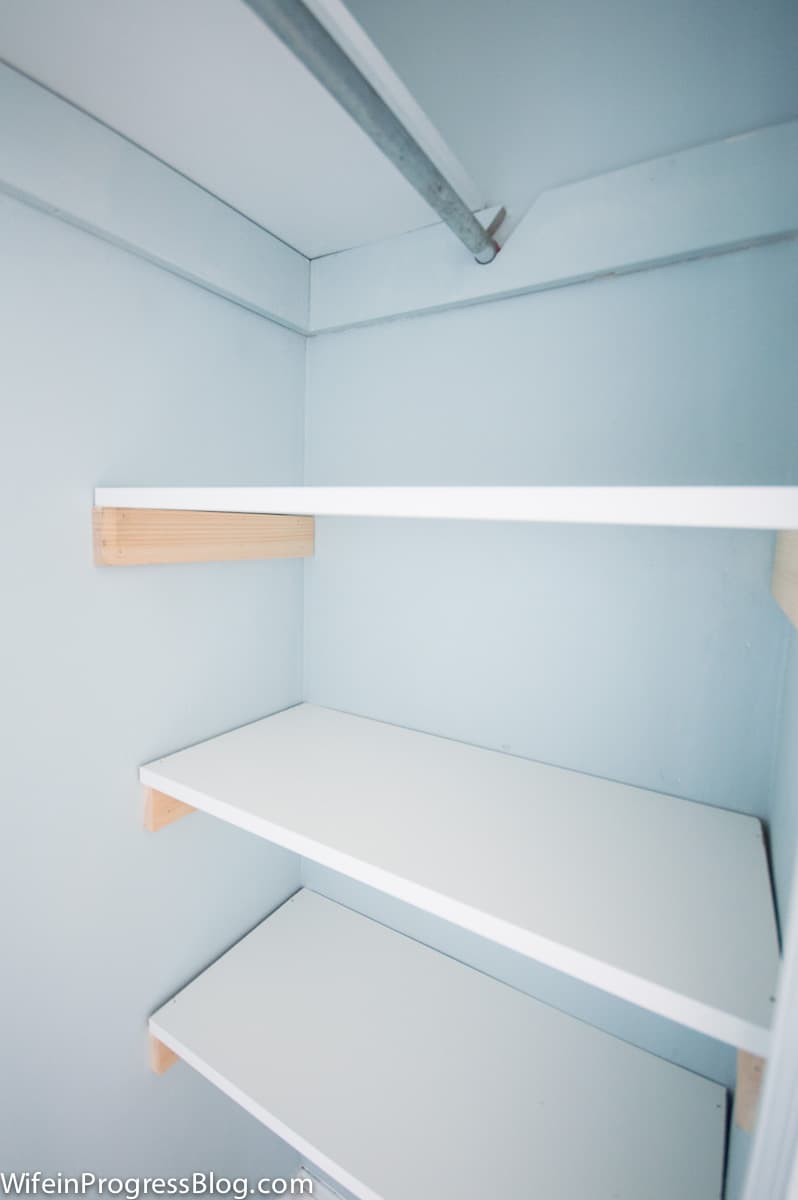
Installing Shelves And Supports
Place shelf supports at the desired heights inside the frame. Use metal pins or wooden cleats as supports. Make sure they are level to keep shelves stable. Carefully set the shelves on the supports. Check for balance and adjust if needed.
Maintaining Your Melamine Bookshelf
Maintaining your melamine bookshelf helps keep it looking good and lasting long. Simple care steps protect the surface and structure. Regular attention prevents big problems and keeps the bookshelf safe for your books.
Cleaning Tips
Use a soft cloth to clean dust and dirt. Avoid rough scrubbers that can scratch the surface. A damp cloth with mild soap works well for stains. Dry the shelf quickly to stop water damage. Do not use harsh chemicals or bleach.
Preventing Damage
Place the bookshelf away from direct sunlight to avoid fading. Keep it in a dry room to prevent swelling or warping. Avoid putting very heavy items on the shelves. Use coasters under drinks or plants to stop water rings. Handle the bookshelf gently when moving it.
Repairing Minor Issues
Small scratches can be fixed with a melamine repair marker. For chips, use a matching melamine putty or filler. Sand lightly after the filler dries for a smooth finish. Tighten loose screws or brackets to keep shelves stable. Replace damaged parts quickly to avoid bigger problems.

Credit: www.reddit.com
Frequently Asked Questions
What Tools Are Needed To Build A Melamine Bookshelf?
You need a saw, drill, screws, measuring tape, clamps, and wood glue. Safety gear like goggles is also essential. These tools help cut, assemble, and secure the melamine sheets effectively.
How Do You Cut Melamine Without Chipping?
Use a fine-toothed blade and cut slowly to reduce chipping. Applying masking tape on the cut line also helps protect the surface. Proper support under the board minimizes damage during cutting.
Can I Assemble A Melamine Bookshelf Without Professional Help?
Yes, assembling a melamine bookshelf is doable for beginners. Follow step-by-step instructions and use the right tools. Patience and careful measuring ensure a sturdy, professional-looking result.
What Finish Is Best For Melamine Bookshelves?
Melamine usually has a smooth, durable finish that doesn’t require extra coating. Clean it with a damp cloth to maintain its shine. Avoid harsh chemicals that can damage the surface.
Conclusion
Building a bookshelf from melamine is a simple and useful project. You can create a sturdy shelf with just a few tools and steps. Melamine boards are easy to clean and look neat. This project saves money and lets you customize the size and style.
Try it yourself and enjoy a new place for your books and items. A handmade bookshelf adds charm and order to any room. Give it a go and see how satisfying it feels.
