Are you looking for a unique way to organize your books and add a stylish touch to your space? Making a bookshelf out of pipes is a creative and sturdy option that you can build yourself.
Imagine having a piece that combines industrial charm with practical storage—crafted exactly to fit your room and style. In this guide, you’ll discover simple steps to turn basic pipes and wood into a standout bookshelf. Keep reading, and you’ll soon have a cool project that not only holds your favorite reads but also becomes a conversation starter in your home.
Materials Needed
Building a bookshelf from pipes is a fun and creative project. Having the right materials makes the job easier and the result strong. This section explains the main materials needed. Focus on choosing quality parts for safety and durability.
Types Of Pipes
Steel pipes work best for strong shelves. Black iron pipes offer a rustic look. Galvanized pipes resist rust and last longer. Choose pipe sizes that fit your shelf design. Usually, 1/2 inch or 3/4 inch pipes are ideal.
Tools Required
You will need a pipe wrench to tighten connections. A tape measure helps with exact cuts. A pipe cutter or hacksaw cuts pipes to size. Sandpaper smooths rough edges on cut pipes. A level ensures shelves stay straight and balanced.
Additional Supplies
Wood boards form the actual shelves. Pick sturdy wood like pine or oak. Screws hold wood to the pipe frame securely. Thread seal tape prevents leaks in pipe joints. Optional: wood stain or paint for finishing touches.

Credit: thecavenderdiary.com
Planning Your Bookshelf
Planning your bookshelf is the first step to a successful project. Careful planning saves time and materials. It helps you build a shelf that fits your space and needs perfectly. Take time to think about size, design, and measurements before buying materials or starting assembly.
Choosing The Size
Decide how big your bookshelf should be. Think about the space where it will stand. Measure the width, height, and depth of the area. Consider how many books or items you want to store. A small shelf fits tight spaces. A large one holds more books and decorations.
Design Ideas
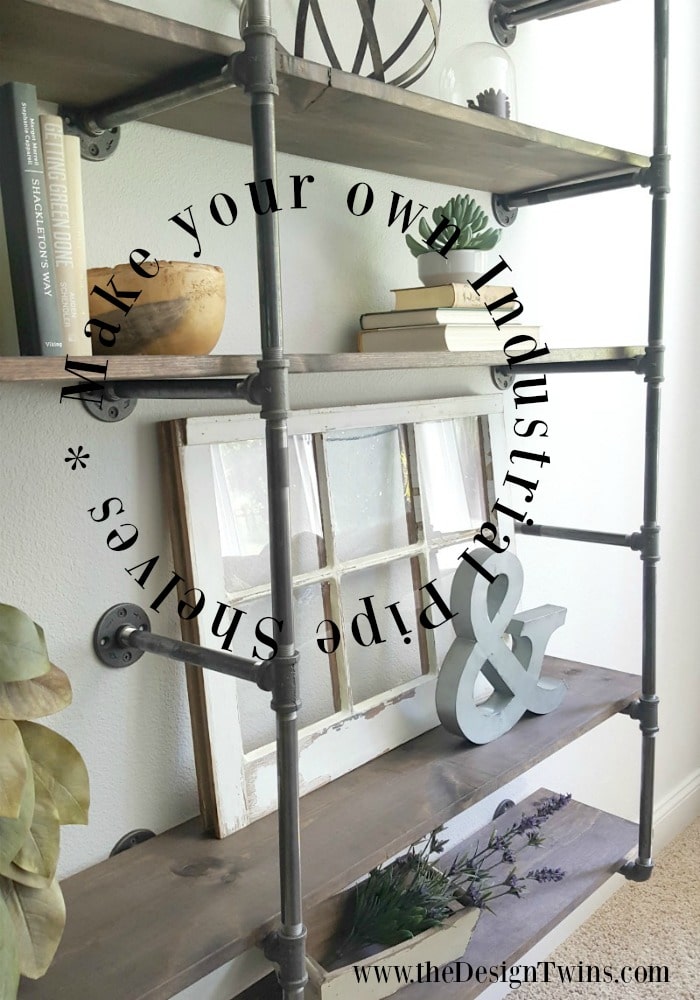
Think about the style you want for your pipe bookshelf. Simple and modern designs use straight lines and clean pipes. Industrial looks mix metal pipes with wood planks. You can add extra shelves or use unique pipe shapes. Choose a design that matches your room and taste.
Measuring And Marking
Use a tape measure to mark the pipe lengths on paper first. Double-check all measurements to avoid mistakes. Mark where pipes will connect and where shelves will sit. Clear markings make cutting and assembling easier. Accurate measurements keep the bookshelf sturdy and balanced.
Cutting And Preparing Pipes
Cutting and preparing pipes is the first step to build a sturdy bookshelf. You need to measure and cut the pipes carefully. Proper preparation makes the assembly easier and safer. Clean, smooth pipes look better and fit perfectly.
Cutting Techniques
Use a pipe cutter or a hacksaw to cut the pipes. A pipe cutter gives a clean, straight cut. A hacksaw works well but needs a steady hand. Mark the cutting points clearly before you start. Cut slowly to avoid bending or damaging the pipe.
Smoothing Edges
After cutting, pipe edges can be sharp or rough. Use sandpaper or a metal file to smooth the edges. This step prevents injuries and helps parts fit better. Take your time to make edges smooth and even.
Assembling Pipe Sections
Fit the prepared pipes with connectors or flanges. Check that all parts align well before tightening. Use a wrench to secure joints firmly but do not over-tighten. Proper assembly keeps your bookshelf stable and strong.
Building The Frame
Building the frame is the first step to creating a sturdy pipe bookshelf. This frame holds the shelves and supports the weight of your books. It needs to be strong and well-connected.
Start by planning the size and shape of your bookshelf. Decide how many shelves you want and measure the space.
Connecting Pipes
Use pipe connectors to join the pipes together. These connectors come in different shapes like elbows, tees, and crosses. Choose the right ones for your design.
Make sure each pipe fits tightly into the connector. Tight connections prevent wobbling and keep the frame solid.
Use a pipe wrench to twist the pipes securely. Avoid loose joints to keep the structure safe.
Ensuring Stability
Check the frame for balance before adding shelves. Place it on a flat surface and see if it stands straight.
Add extra pipes at the base if it feels shaky. A wider base gives better support and stops tipping.
Test the frame by gently pushing it from different sides. It should not move or shake easily.
Adding Support Brackets
Support brackets help hold the shelves firmly in place. Attach them where the shelves will rest on the frame.
Use screws to fix the brackets securely to the pipes. Make sure they are level for even shelves.
Brackets reduce stress on the pipes and keep shelves from sagging over time.
Adding Shelves
Adding shelves to your pipe bookshelf brings the project to life. It defines the storage space and enhances the design. This step needs care and accuracy to keep shelves strong and stable. The right shelf material, proper attachment, and careful leveling are key.
Selecting Shelf Material
Choose wood that matches your style and weight needs. Pine, oak, or plywood work well. Wood should be thick enough to hold books without bending. Smooth the surface by sanding to avoid splinters. A finished or sealed surface lasts longer and looks better.
Attaching Shelves To Frame
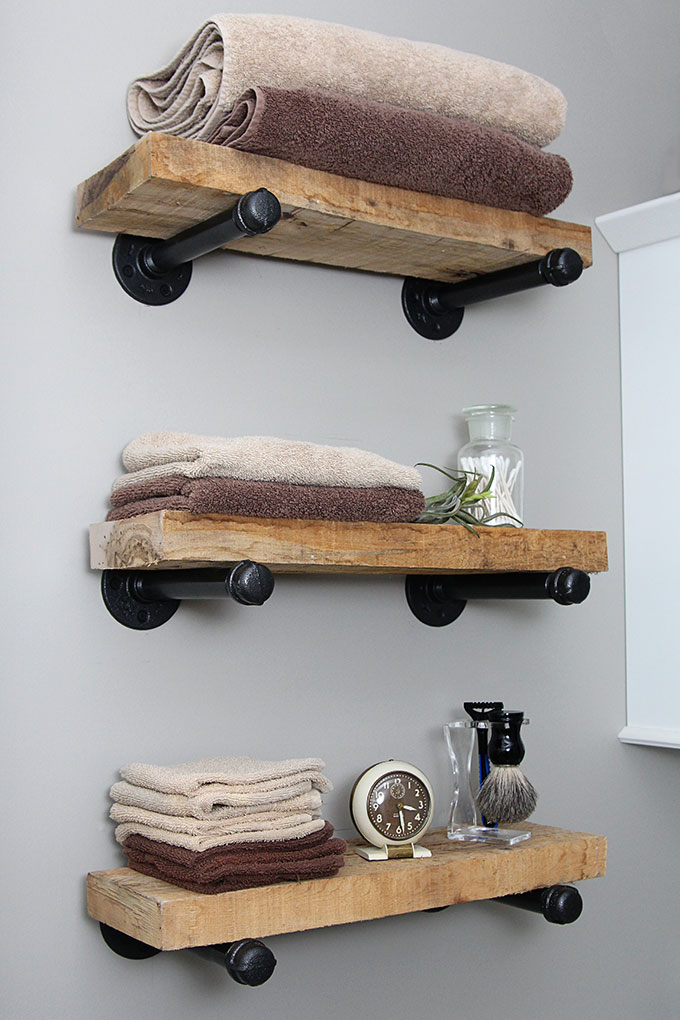
Place shelves on the pipe frame at chosen heights. Use brackets or pipe clamps to hold them firmly. Drill holes in the wood to match pipe fittings if needed. Secure with screws that fit tightly. Avoid loose fittings to prevent wobbling or slipping.
Securing And Leveling
Check each shelf with a level tool to keep them straight. Adjust pipe clamps or brackets to fix any tilt. Tighten all screws and fittings after leveling. Test shelves by placing items to ensure stability. A stable shelf keeps your books safe and organized.
Credit: www.houseofhawthornes.com
Finishing Touches
Finishing touches make your pipe bookshelf look complete and neat. These small details improve both style and durability. Spend time on these steps to get the best result.
Painting And Sealing
Choose paint that fits your room’s style and color. Spray paint works well on pipes for smooth coverage. Use a primer first to help paint stick better. After painting, apply a clear sealant to protect the surface. This stops rust and keeps the pipes looking new.
Adding Decorative Elements
Decorative elements give your bookshelf personality. Use wooden panels or boards to add warmth. Attach hooks or small baskets for extra storage. Place plants or books with colorful covers to brighten the shelf. These details make your shelf unique and inviting.
Maintenance Tips
Keep your bookshelf clean by dusting it regularly. Wipe pipes with a damp cloth to remove dirt. Check for loose screws or fittings and tighten them. Reapply sealant every year to stop rust from forming. Proper care helps your shelf last for years.
Safety Tips
Building a bookshelf out of pipes is a fun project. Safety should be your top priority. Taking some simple safety steps protects you and your work. Follow these tips to avoid accidents and make a sturdy shelf.
Handling Tools Safely
Always wear safety glasses to protect your eyes. Use gloves to keep your hands safe from cuts. Keep tools clean and in good condition. Use the right tool for each job. Never rush. Work slowly and carefully. Store tools properly after use to avoid accidents.
Working With Pipes
Wear gloves to protect your hands from sharp edges. Handle pipes gently to avoid dents or scratches. Use a pipe cutter or saw made for metal pipes. Secure pipes firmly before cutting or drilling. Check pipes for rust or damage before use. Clean pipes well to remove dust or grease.
Weight Limits And Stability
Do not overload your pipe bookshelf. Check the weight capacity of your pipes and shelves. Place heavier items on the lower shelves. Use strong brackets and secure pipes tightly. Make sure the shelf stands steady on the floor. Test the shelf stability before placing items on it.
Credit: thedesigntwins.com
Frequently Asked Questions
What Materials Do I Need To Make A Pipe Bookshelf?
You need metal pipes, pipe fittings, wooden boards, screws, and a drill. These materials create a sturdy and stylish bookshelf.
How Do I Assemble Pipes For A Bookshelf?
First, cut pipes to size. Attach fittings to connect pipes. Secure wooden boards on top for shelves. Tighten all connections.
Can I Customize The Size Of My Pipe Bookshelf?
Yes, you can customize height, width, and shelf spacing. Measure your space and cut pipes accordingly for a perfect fit.
Is Pipe Bookshelf Building Suitable For Beginners?
Yes, it is beginner-friendly with basic tools and simple assembly steps. Follow instructions carefully for a successful project.
Conclusion
Building a bookshelf from pipes is simple and fun. It adds a unique look to any room. You only need a few tools and materials. This project saves money and lets you be creative. Plus, you can make the shelf any size you want.
Try different pipe styles for a fresh design. Enjoy the process and show off your new bookshelf!
