Are you planning to move the Bookshelf at UF Library West but don’t know where to start? Moving a large bookshelf might seem tricky, but with the right steps, you can do it safely and efficiently.
This guide will walk you through everything you need to know, from preparing your space to handling the bookshelf without damage. Keep reading to discover simple tips that make your move smooth and stress-free. Your bookshelf—and your back—will thank you!
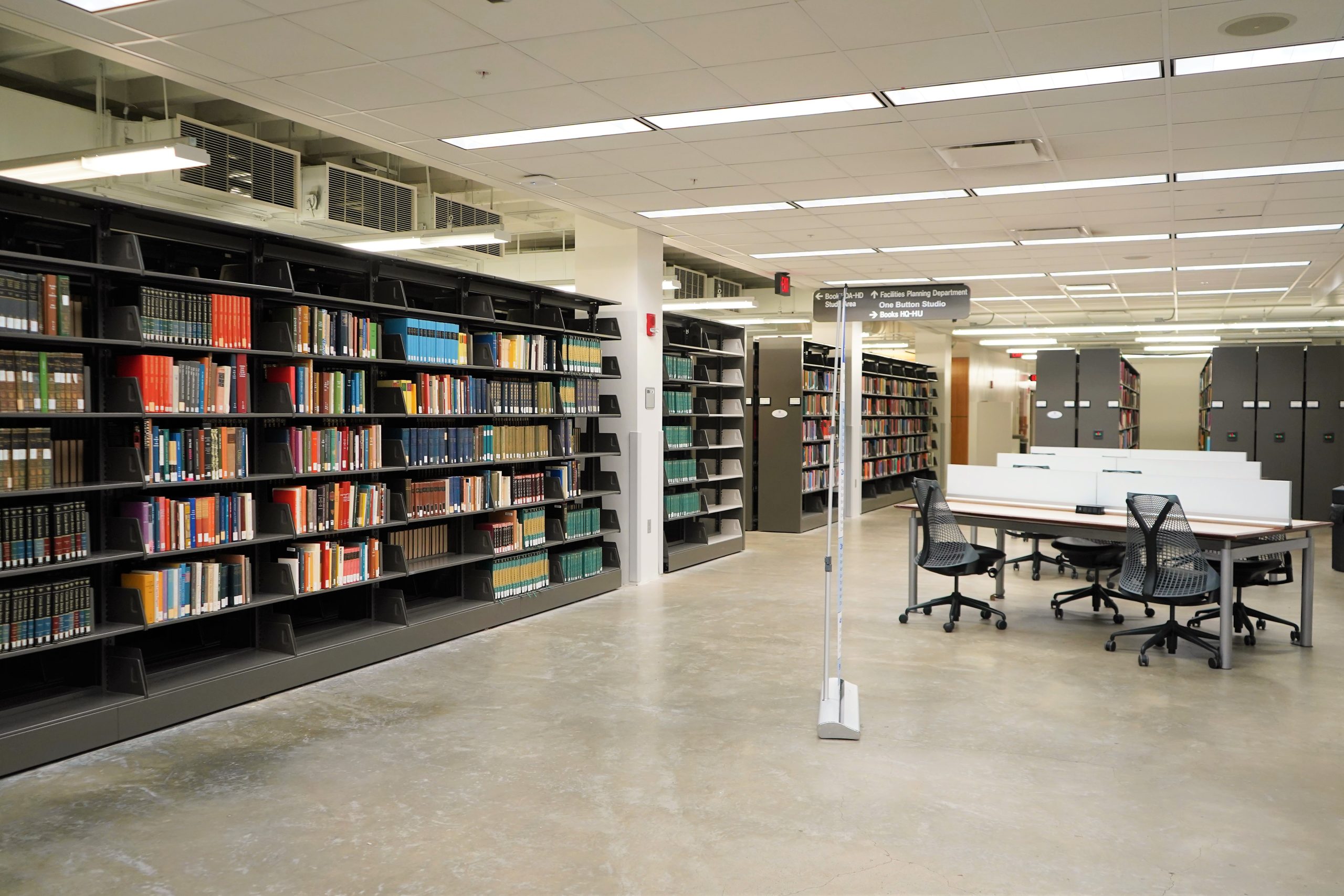
Credit: ufl.pb.unizin.org
Prepare For The Move
Preparing to move the bookshelf at UF Library West takes planning and care. A smooth move starts with good preparation. This helps protect your books and the shelf itself. It also saves time and effort during the move.
Follow these steps to get ready. Each step makes the move safer and easier.
Clear The Bookshelf
Remove all books and items from the shelf. Carry them carefully to avoid damage. Use boxes to store the books safely. This makes the shelf lighter and easier to carry. It also prevents books from falling during the move.
Measure The Space
Measure the bookshelf’s height, width, and depth. Also, measure doorways and hallways on the path. Check for tight corners or narrow spaces. This helps plan the best route. It avoids surprises that can slow the move.
Gather Moving Supplies
Collect packing tape, moving blankets, and dollies. Use blankets to protect the shelf’s surface. Tape boxes securely to keep books safe. A dolly helps move heavy shelves without strain. Having supplies ready speeds up the process.
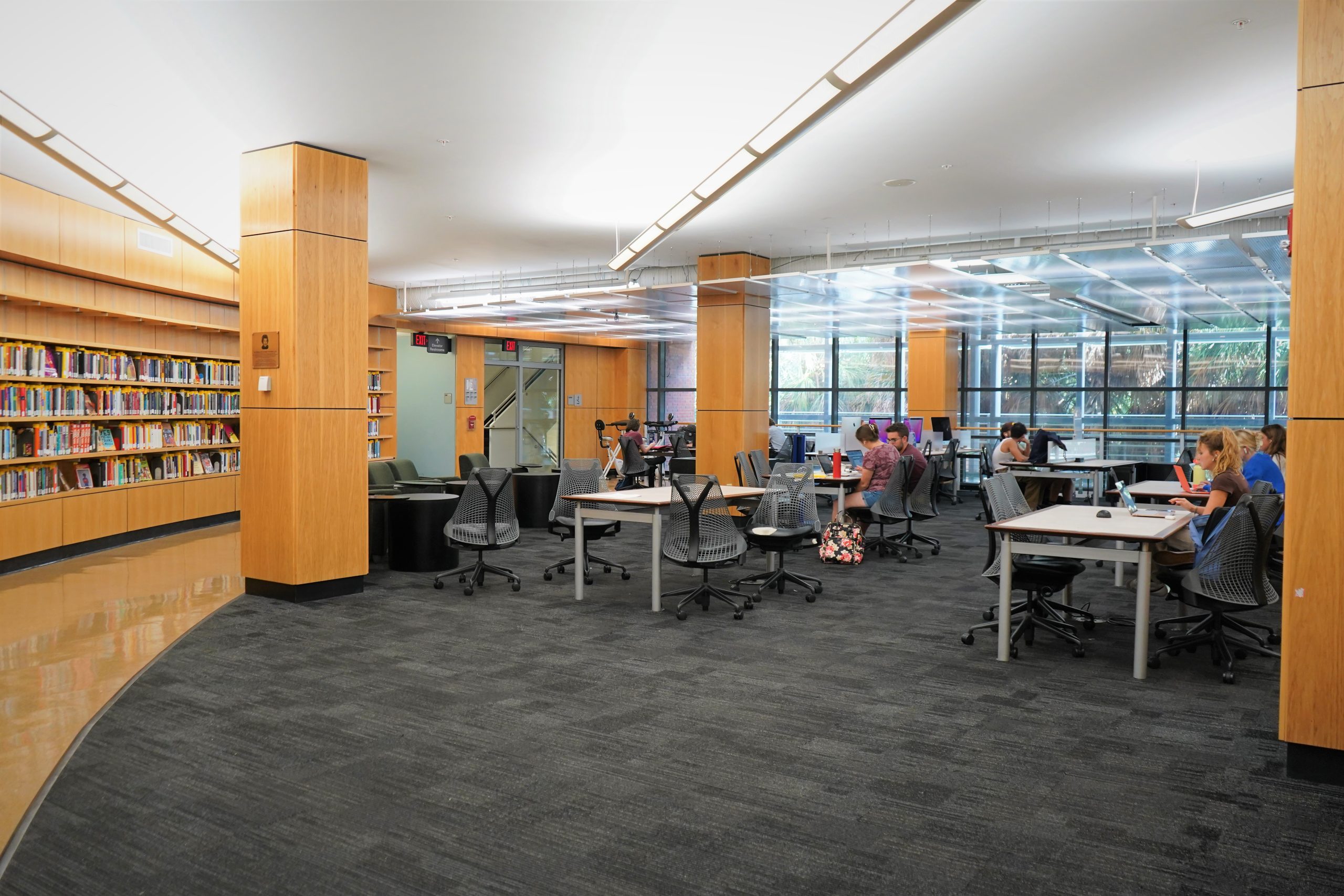
Credit: ufl.pb.unizin.org
Plan The Route
Planning the route is key to moving the bookshelf at UF Library West safely. It helps avoid damage to the bookshelf and walls. A clear plan makes the move smoother and faster.
Check Doorways And Hallways
Measure the bookshelf width and height before moving. Check doorways and hallways for enough space. Look for tight corners or low ceilings that could block the path. Make sure the bookshelf fits through all spaces without force.
Identify Obstacles
Look for rugs, cables, or furniture in the way. Remove or move anything that might trip you or block the path. Watch for light fixtures or wall decorations that the bookshelf might hit. Clear the path fully before starting the move.
Arrange Assistance
Ask friends or library staff to help carry the bookshelf. Moving heavy furniture alone is risky and hard. Two or more people can balance the weight and avoid accidents. Assign roles and communicate during the move for safety.
Disassemble If Needed
Disassembling the bookshelf can make moving it easier and safer. This step helps reduce the weight and size. It also prevents damage during transport. Follow these simple steps to take apart the bookshelf properly.
Remove Shelves
Start by taking out all the shelves. Lift each shelf gently and pull it out. Some shelves may rest on pegs or clips. Carefully unhook or lift them off. Keep the shelves flat to avoid warping.
Unscrew Panels
Next, use a screwdriver to remove screws from the side panels. Unscrew slowly to avoid stripping the screws. Take off the back panel if it can be removed. This helps make the bookshelf lighter and easier to carry.
Keep Hardware Organized
Collect all screws, pegs, and small parts in a container. Label the container so you know which parts belong to the bookshelf. This keeps everything safe and easy to find during reassembly. Avoid losing pieces by storing them securely.

Credit: www.youtube.com
Lift And Carry Safely
Moving a bookshelf at UF Library West requires care to avoid injury and damage. Lifting and carrying the shelf safely is the key step. Follow simple methods to protect your back and keep the bookshelf steady.
Use the right techniques and tools. Work with others. This makes the process easier and safer for everyone.
Use Proper Lifting Techniques
Bend your knees, not your back, before lifting. Keep your back straight and chest forward. Hold the bookshelf close to your body. Lift slowly using your legs, not your arms. Avoid twisting your body while carrying the shelf.
Coordinate With Helpers
Talk with your helpers before lifting. Decide who leads and gives commands. Lift and move at the same time. Keep clear communication during the move. Stop if anyone feels pain or discomfort.
Use Moving Straps Or Dollies
Use moving straps to balance the weight. Straps reduce strain on your arms and back. A dolly can carry heavy shelves easily. Place the bookshelf carefully on the dolly. Secure it to avoid falling during transport.
Position The Bookshelf
Positioning the bookshelf correctly is important for safety and appearance. Take time to place it where it fits best. A good spot enhances room space and makes books easy to reach.
After moving, some parts may need reassembly. This step ensures the shelf is stable and ready to hold your items securely. Proper leveling prevents wobbling and damage.
Place In New Location
Choose a flat, open area for the bookshelf. Avoid places near heaters or windows with strong sunlight. Slide the shelf gently into position. Leave space around it for easy access and cleaning.
Reassemble Parts
Check all screws and brackets after moving. Tighten loose parts with a screwdriver. Attach any shelves or panels that were removed. Ensure everything fits well and is secure.
Level And Secure
Use a level tool to check the bookshelf’s balance. Adjust legs or add shims under the base if needed. Secure the bookshelf to the wall with brackets for safety. This prevents tipping, especially in busy areas.
Organize Books And Items
Organizing books and items is a key step before moving the Bookshelf UF Library West. A well-organized shelf makes packing and unpacking easier. It helps protect your books and keeps everything neat. Sorting and cleaning also reduce clutter. You save time later by knowing exactly where each item belongs.
Sort And Categorize
Start by sorting books into groups. Use categories like fiction, non-fiction, or textbooks. Group items by size or subject if that works better. Separate fragile items to handle them with care. This step helps you pack more efficiently.
Arrange By Preference
Decide which books you use most often. Place these in easy-to-reach spots. Less-used items can go on higher or lower shelves. Arrange items by color or size for a neat look. This makes your bookshelf more functional and tidy.
Clean The Bookshelf
Wipe down all shelves before packing. Remove dust and dirt to protect your books. Check for any damage and fix small issues. Clean shelves make the moving process smoother. Your books will stay in good condition.
Frequently Asked Questions
How Do I Prepare The Bookshelf For Moving?
Start by removing all books and items from the shelf. Clean the surface and tighten any loose screws. Disassemble parts if possible to make moving easier and safer.
What Tools Are Needed To Move The Bookshelf Safely?
You’ll need a screwdriver, moving straps, furniture blankets, and a dolly. These tools help protect the shelf and make transport easier and safer.
Can I Move The Bookshelf Alone Or Need Help?
It’s best to have at least one helper. Bookshelves can be heavy and awkward. Extra hands prevent damage and injury during the move.
How To Protect The Bookshelf During Transportation?
Wrap the bookshelf in moving blankets or bubble wrap. Secure it with straps inside the vehicle. This prevents scratches and keeps it stable while moving.
Conclusion
Moving the bookshelf at UF Library West takes careful steps. Start by clearing the area and gathering helpers. Protect the shelves and books during the move. Take your time to avoid damage or injury. Plan the route before lifting anything heavy.
With teamwork and care, the task becomes easier. Now, you can enjoy a neat and organized space. Simple actions lead to great results. Keep these tips in mind for your next move.