When your toddler’s room is around 24 degrees Celsius, choosing the right bedtime clothes can feel tricky. You want your little one to stay comfortable, cozy, and safe all night long.
But what exactly should you dress your toddler in at this temperature? If you’ve ever wondered whether to use a sleep sack, pajamas, or something else, you’re not alone. You’ll discover simple, effective tips to make bedtime easier and keep your child snug without overheating.
Keep reading to find out how to create the perfect sleep outfit for your toddler when it’s 24 degrees in their room.
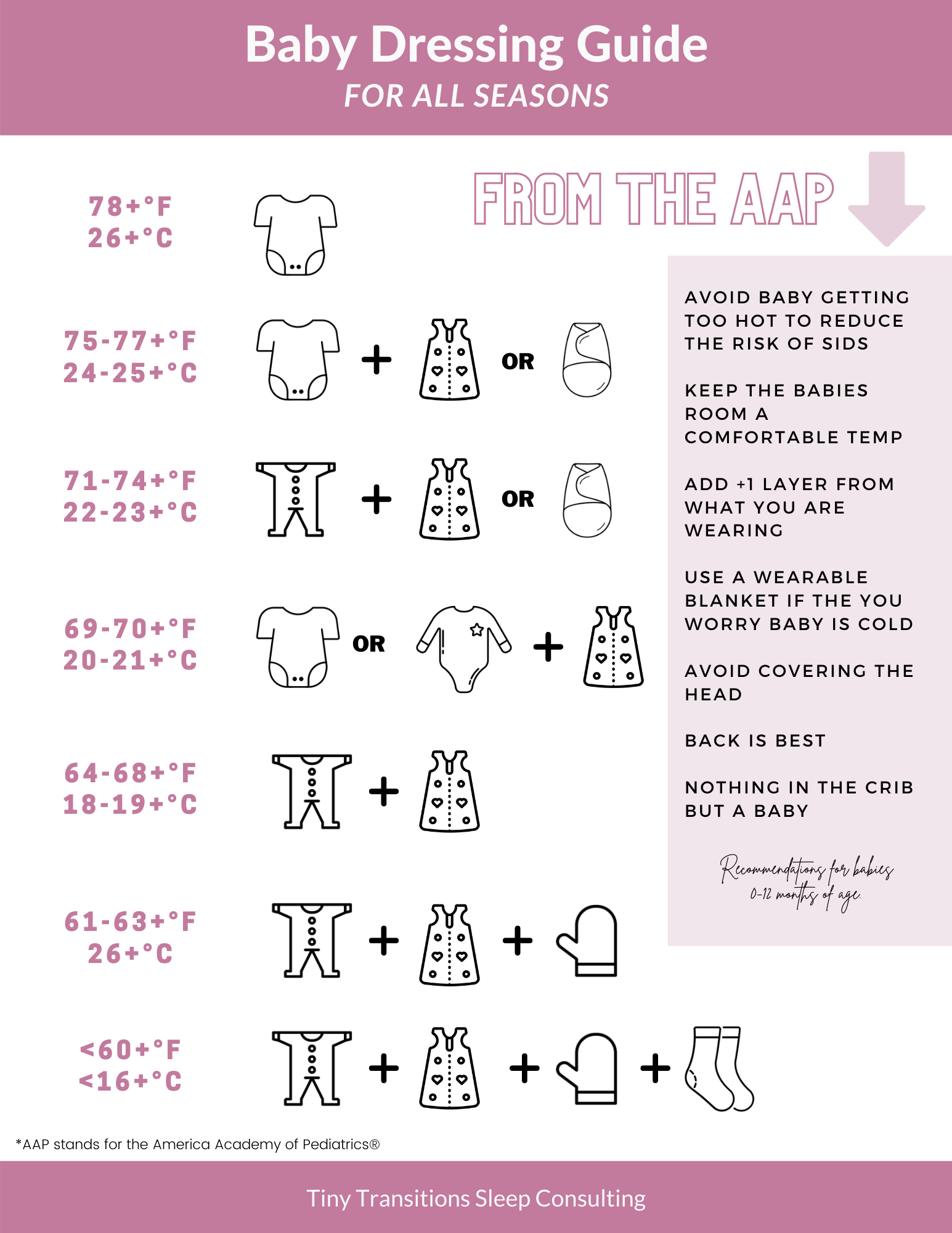
Credit: tinytransitions.com
Ideal Sleepwear Fabrics
Choosing the right fabric for toddler sleepwear matters a lot at 24 degrees Celsius. The fabric affects how comfortable your child feels during sleep. It also helps control body temperature and prevents overheating. Picking soft, breathable materials keeps toddlers cozy and safe all night.
Breathable Cotton Options
Cotton is a top choice for toddler sleepwear. It lets air flow freely, helping skin stay dry. Cotton feels soft and gentle on delicate skin. It absorbs sweat well, keeping toddlers cool. Lightweight cotton pajamas suit 24-degree rooms perfectly. Choose 100% cotton for the best comfort and breathability.
Soft Bamboo Fabrics
Bamboo fabric is gentle and smooth, ideal for toddlers. It naturally resists odors and helps keep skin fresh. Bamboo allows air circulation, reducing sweat and heat. This fabric is also eco-friendly and durable. Bamboo sleepwear feels light, making it perfect for warm nights.
Avoiding Overly Warm Materials
Stay away from heavy fabrics like fleece or thick polyester. These trap heat and cause sweating. Overheating can disturb your toddler’s sleep and cause discomfort. Avoid materials that do not breathe well. Thin, natural fabrics work best at 24 degrees Celsius. Keep sleepwear light to ensure peaceful rest.
Layering For Comfort
Layering clothes for your toddler at 24 degrees Celsius helps keep them comfortable and safe. The right layers provide warmth without overheating. It also makes it easy to adjust clothes during the night. Choose soft, breathable fabrics to keep your child cozy.
Light Pajamas With A Sleep Sack
Start with light pajamas made from cotton or bamboo. These materials allow air to flow and absorb sweat. Add a sleep sack on top for extra warmth. Sleep sacks keep your toddler covered without loose blankets. They reduce the risk of overheating and suffocation. Pick a sleep sack with the right thickness for 24 degrees. A lightweight or medium-weight option works best. This combo keeps your toddler snug all night.
Using Lightweight Blankets Safely
Lightweight blankets can add comfort but use them carefully. Choose breathable fabrics like muslin or thin cotton. Avoid heavy or thick blankets that trap heat. Keep the blanket tucked around the mattress, not loose in the crib. This prevents covering your toddler’s face. Watch for signs of overheating, such as sweating or flushed skin. Remove the blanket if your child seems too warm. Safe use of blankets supports better sleep and comfort.
Temperature And Room Setup
Creating the right room temperature helps toddlers sleep well. At 24 degrees Celsius, the room feels warm but not hot. Toddlers need a space that keeps them cool and cozy. Setting up the room carefully supports their comfort and safety. This section explains how to manage the room temperature and setup for better sleep.
Maintaining A Cool, Comfortable Room
Keep the room ventilated by opening windows early in the day. Use light curtains to block strong sunlight in the afternoon. Avoid heavy blankets or thick rugs that trap heat. Dress your toddler in light cotton pajamas that breathe well. The goal is to keep air moving and stop the room from feeling stuffy. A fan can help move air gently without blowing directly on the child.
Using Fans Or Air Conditioning
Fans provide a soft breeze that cools the room naturally. Set fans to low speed to avoid chilling your toddler. Air conditioning works best when it keeps the room steady at 24 degrees. Avoid sudden temperature drops that might cause discomfort. Position the AC or fan away from the bed. This keeps your toddler cool without causing cold drafts.
Safety Tips For Toddler Sleepwear
Choosing the right sleepwear for toddlers at 24 degrees Celsius is important for safety. Sleepwear should keep your child comfortable without risks. Knowing safety rules helps prevent accidents during sleep.
Flame-resistant Clothing Standards
Toddlers’ sleepwear must meet flame-resistant rules. These clothes slow fire spread and give time to react. Look for labels that say “flame-resistant” or meet safety standards. Cotton pajamas without these labels might catch fire quickly. Flame-resistant sleepwear helps keep your child safe at night.
Avoiding Loose Or Bulky Items
Loose or bulky sleepwear can cause problems. Extra fabric may wrap around the child’s neck or limbs. This can lead to choking or restricted movement. Choose fitted pajamas that are soft and light. Avoid items with big buttons, strings, or decorations. These may cause choking hazards or discomfort.
Signs Of Overheating Or Chilling
Knowing the signs of overheating or chilling helps keep your toddler safe and comfortable. Toddlers cannot always tell you when they feel too hot or cold. Parents must watch for physical clues that show temperature problems. Early detection stops discomfort and health risks during sleep.
Checking Skin Temperature
Touch your toddler’s neck or chest to check warmth. Skin should feel warm, not sweaty or cold. Sweaty skin shows overheating. Cool or cold skin means your toddler is too cold. Avoid using hands or feet for this check. They often feel colder than the rest of the body.
Adjusting Clothing During Night
Remove or add layers based on skin temperature. Light pajamas suit warmer skin. Add a sleep sack or blanket for cooler skin. Avoid heavy blankets that cause sweating. Use breathable fabrics to help temperature control. Adjust clothing quietly to avoid waking your toddler.

Credit: stbarthvillarental.com
Seasonal Adjustments At 24 Degrees
At 24 degrees Celsius, toddlers need careful clothing choices for bed. This temperature sits between warm and cool, requiring slight changes in sleepwear. Adjusting clothes helps toddlers stay comfortable all night long. Avoid overheating or feeling too cold. The right outfit supports good sleep and healthy rest.
Summer Sleepwear Choices
Choose light and breathable fabrics like cotton. Short-sleeve pajamas or a simple cotton onesie work well. Avoid thick or heavy materials that trap heat. Let the skin breathe and sweat evaporate. Keep the outfit loose for better air flow. A thin blanket can add warmth if needed.
Transitioning To Cooler Months
As nights get cooler, add layers slowly. Start with long-sleeve pajamas made from soft cotton. Consider lightweight fleece or a sleep sack for extra warmth. Avoid bulky clothes that restrict movement. Use breathable fabrics to prevent sweating. Check your toddler’s comfort before sleep. Adjust clothes if they seem too warm or cold.
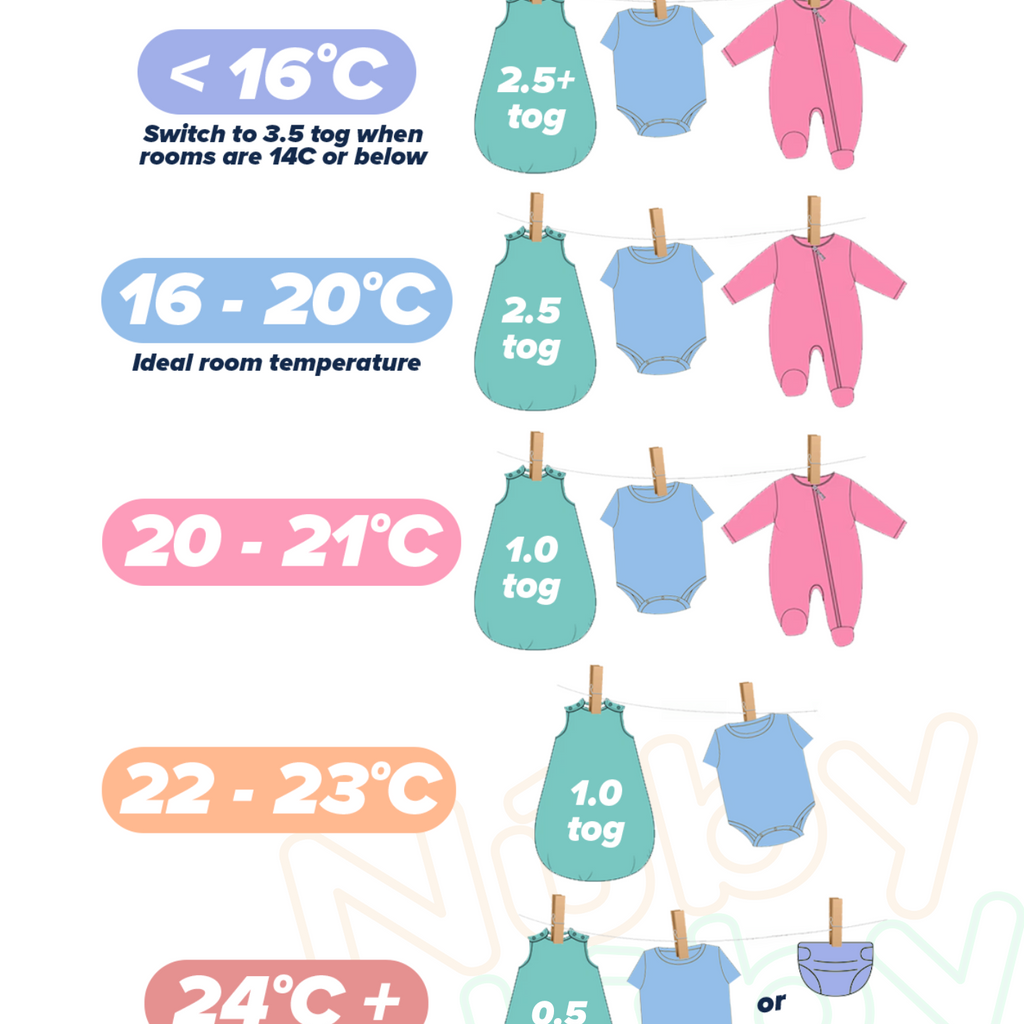
Credit: uk.nuby.com
Frequently Asked Questions
What Is The Ideal Toddler Sleepwear For 24 Degrees Celsius?
Light cotton pajamas or a short-sleeved onesie work best. These materials keep toddlers comfortable without overheating or getting too cold.
Should Toddlers Wear Socks To Bed At 24 Degrees?
Generally, socks are not necessary at 24 degrees. If your toddler’s feet feel cold, use breathable, lightweight socks for warmth.
How To Prevent Toddler Overheating At 24 Degrees Room Temperature?
Dress your toddler in lightweight, breathable fabrics. Avoid heavy blankets and ensure good room ventilation to maintain a comfortable sleep environment.
Is A Sleep Sack Recommended For Toddlers At 24 Degrees?
A lightweight sleep sack can be used for added comfort. Choose one made from breathable material to avoid overheating during sleep.
Conclusion
Dressing your toddler for 24-degree weather means choosing light, breathable clothes. A cotton onesie or pajamas work best to keep them comfortable. Avoid heavy blankets that might cause overheating. Keep the room temperature steady and check your child often. This helps your toddler sleep safely and soundly all night.
Simple steps make bedtime easier for both of you. Trust your instincts and adjust clothing as needed. Sweet dreams start with the right sleepwear.