Are you tired of your bookshelf looking crooked or uneven? A bookshelf that’s not square can wobble, look sloppy, and even cause your books to fall over.
But don’t worry—making your bookshelf perfectly square is easier than you think. In this guide, you’ll learn simple, step-by-step tips to get your shelves straight and sturdy. Whether you’re building a new shelf or fixing an old one, these tricks will save you time and frustration.
Keep reading, and you’ll soon have a bookshelf that looks great and holds your books securely.
Tools Needed
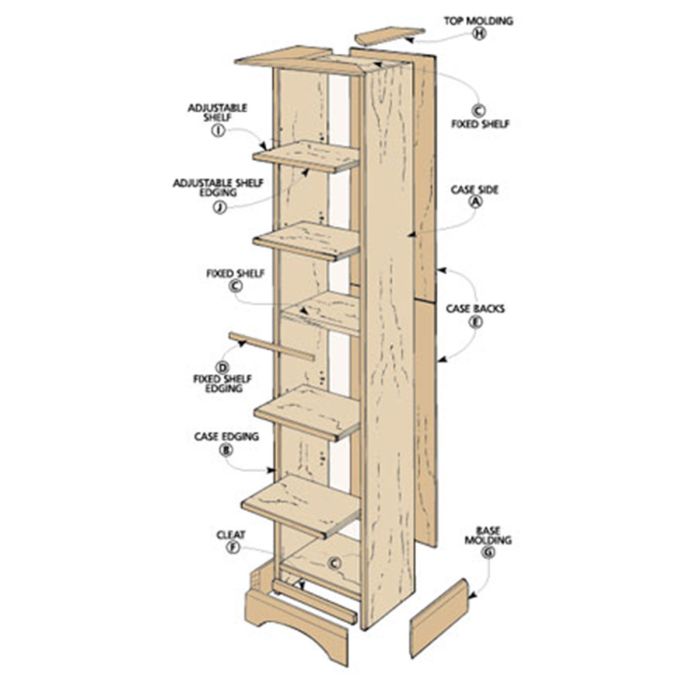
Creating a bookshelf that is perfectly square is easier with the right tools. These tools help measure, align, and hold your wood pieces. Using them ensures your bookshelf will be sturdy and look great. Below are the essential tools needed for this project.
Measuring Tape
Measuring tape is a must-have for any woodworking project. It helps you measure wood pieces accurately. Precise measurements keep your bookshelf parts the correct size. Choose a tape that locks in place for easier use.
Carpenter’s Square
A carpenter’s square helps check right angles. It ensures your bookshelf corners are exactly 90 degrees. This tool prevents crooked shelves and uneven sides. Using it before assembling saves time and mistakes.
Level
A level checks if surfaces are flat and even. It helps make sure your shelves don’t tilt. Placing a level on your boards guarantees a balanced bookshelf. This tool is simple but very effective.
Clamps
Clamps hold wood pieces together while glue dries. They keep parts from moving during assembly. Using clamps results in stronger joints and a better fit. Choose clamps that are easy to adjust and strong.
Wood Glue
Wood glue bonds pieces securely for lasting strength. It works best with clamps to hold parts tight. Using glue prevents wobbly shelves and loose joints. Pick a high-quality wood glue for durability.
Credit: www.woodpeck.com
Preparing The Workspace
Preparing the workspace is a key step before starting to make a bookshelf square. A clean and organized area helps you work faster and more safely. It also makes it easier to find tools and materials. Taking time to set up your workspace improves your focus and the quality of your work.
Clear And Clean Area
Start by choosing a flat surface with enough space to move around. Remove any clutter, dust, or dirt from this area. A clean workspace prevents mistakes and accidents. It also protects your wood from scratches and damage. Good lighting helps you see measurements clearly.
Organize Materials
Gather all tools and materials before you begin. Arrange them within easy reach on a table or bench. Group similar items like screws, nails, and brackets together. Check that your measuring tools are accurate and ready. Organized materials save time and reduce frustration during the project.
Measuring And Marking
Measuring and marking are key steps to make your bookshelf square. Accurate measurements keep the structure stable. Careful marking guides your cuts and assembly. These steps save time and prevent errors.
Check Panel Dimensions
Start by checking each panel’s size. Use a tape measure or ruler. Measure length and width twice to confirm. Note any differences or warping in the wood. Panels should match your plan exactly. Correct panel size helps the bookshelf fit perfectly.
Mark Reference Points
Mark clear reference points on each panel. Use a pencil for easy adjustments. Mark corners and center lines carefully. These points guide your cutting and joining. Double-check each mark for accuracy. Precise markings ensure the bookshelf stays square and strong.
Aligning The Panels
Aligning the panels is a key step to make a bookshelf square. If the panels are not aligned properly, the whole structure will be crooked. Proper alignment helps create strong joints and a clean look. Take time to check each corner carefully. Small mistakes can cause big problems later.
Using Carpenter’s Square
A carpenter’s square is a simple tool to check panel alignment. Place it inside the corner where two panels meet. The square should fit flush with both edges. If there is a gap, the panels are not at a right angle. Move the panels slowly until the square fits perfectly. This tool saves time and ensures accuracy.
Adjusting For Perfect Corners
Adjusting the panels may need small shifts or taps. Use a soft mallet to gently tap panels into place. Tighten clamps to hold panels steady during adjustments. Recheck the corners with the carpenter’s square after each move. Repeat the process until all corners are exactly 90 degrees. Perfect corners make a stronger and neater bookshelf.
Securing The Frame
Securing the frame is an important step to make a bookshelf square and strong. A tight frame keeps the bookshelf stable and prevents it from wobbling. Use the right tools and techniques to fasten the wood pieces firmly. This ensures the shelf holds weight well and lasts long.
Applying Wood Glue
Start by spreading wood glue on the edges of the wood pieces. Use a thin, even layer to cover the surfaces that join. The glue helps fill small gaps and adds extra strength. Press the pieces together to ensure a good bond. Wipe off any excess glue quickly with a damp cloth.
Clamping For Stability
After applying glue, use clamps to hold the frame tight. Clamps keep the wood steady while the glue dries. Tighten the clamps just enough to hold the pieces firmly. Avoid over-tightening, which can squeeze out the glue. Leave the clamps on for the time recommended on the glue package.
Pre-drilling And Screwing
Drill small pilot holes before inserting screws. Pre-drilling prevents the wood from splitting. Choose screws that fit the thickness of the wood. Drive the screws slowly and straight into the holes. This step locks the frame securely and supports the glue bond.
Credit: www.woodshopdiaries.com
Checking For Squareness
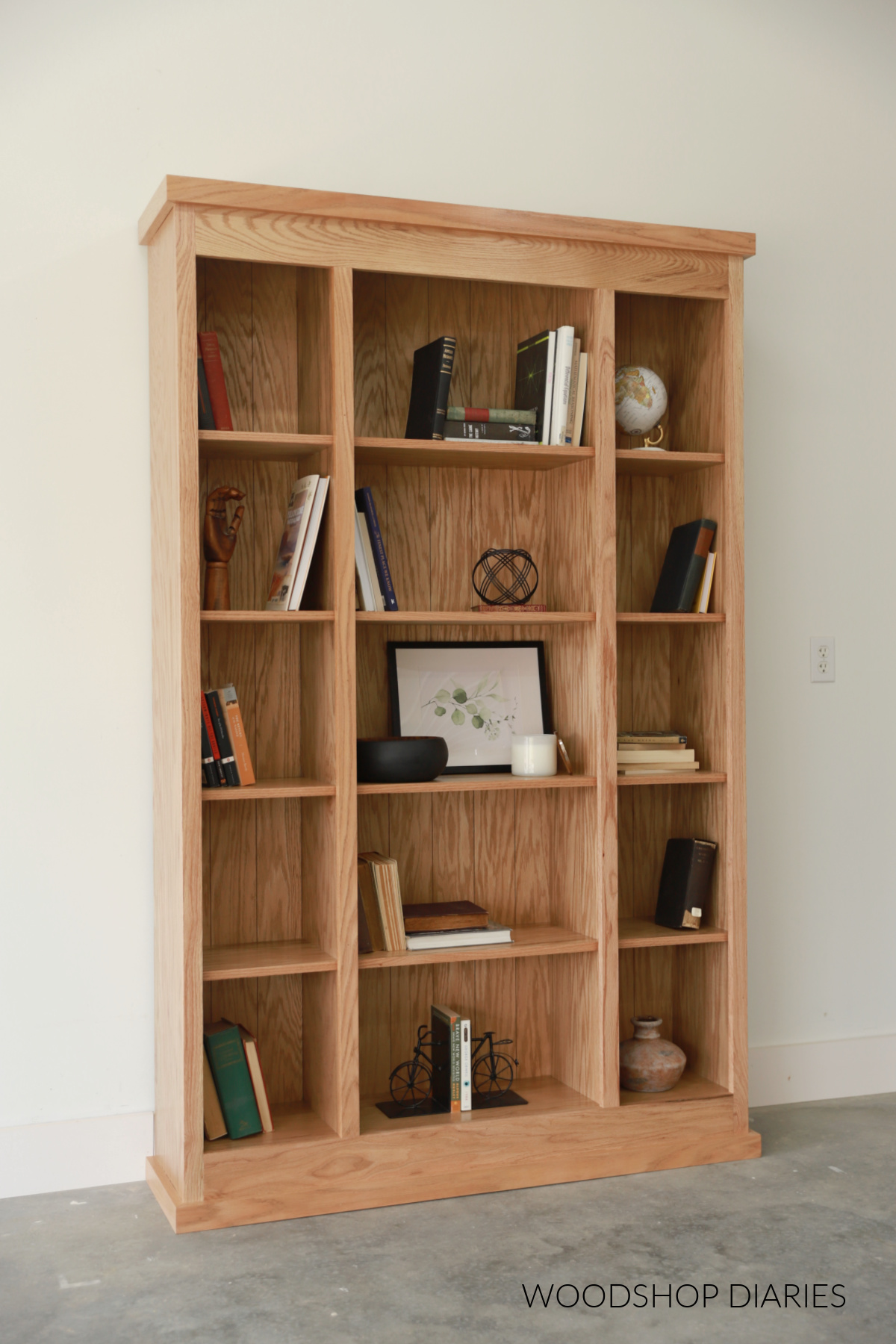
Checking for squareness is a key step in building a sturdy bookshelf. A square bookshelf fits well and holds shelves evenly. It looks neat and lasts longer. This step ensures all sides meet at right angles. It helps avoid problems during assembly and use.
There are simple ways to check if your bookshelf is square. Use basic tools and easy methods. These checks save time and effort by catching mistakes early. Two common ways are using a level and measuring diagonals. Both methods give clear results. Let’s explore how to use them.
Using A Level
A level tool helps check if edges are straight and flat. Place the level along each side of the bookshelf frame. Look at the bubble inside the level. If the bubble is centered, the side is straight and even. Check all vertical and horizontal edges.
This method confirms the frame is not leaning or twisted. Adjust the frame if the bubble is off-center. Small shifts can make big differences in squareness. Repeat until all edges show the bubble in the center.
Diagonal Measurement Method
This method compares the two diagonal lengths of the bookshelf frame. Measure from one corner to the opposite corner. Then, measure the other two corners the same way. If both diagonal measurements match, the frame is square.
If the diagonal measurements differ, the frame is out of square. Adjust the frame by gently pushing or pulling corners. Measure diagonals again after each adjustment. Keep doing this until both diagonal lengths are equal.
Final Adjustments
After assembling your bookshelf, final adjustments ensure it stands perfectly square and sturdy. These last steps improve both the look and strength of your piece. Small fixes make a big difference in your finished shelf.
Tightening Fasteners
Check all screws and bolts carefully. Loose fasteners can cause wobbling or misalignment. Use a screwdriver or wrench to tighten each one firmly. Avoid over-tightening, which can damage the wood or strip screws. Tight fasteners hold the bookshelf square and stable.
Sanding Edges
Run sandpaper along all edges and corners. Sanding removes rough spots and splinters. Use fine-grit sandpaper for a smooth finish. Smooth edges prevent injuries and give a polished look. Take your time to sand evenly for the best result.

Credit: www.papernstitchblog.com
Tips For Long-lasting Alignment
Keeping your bookshelf square over time takes effort and care. Small shifts can make it lean or unstable. Focus on steady alignment to keep it strong and neat. Follow easy tips to make your bookshelf last longer and look better.
Choosing Quality Materials
Start with good wood or strong boards. Avoid cheap materials that bend or warp. Use solid screws or nails to hold pieces tight. Quality glue adds extra strength. These materials resist changes from weight or weather. They keep shelves aligned and prevent wobbling.
Regular Maintenance
Check your bookshelf often for any signs of movement. Tighten screws and fix loose parts right away. Clean dust and dirt to avoid damage. Keep the shelf away from moisture and heat. Small fixes prevent big problems. Regular care keeps the bookshelf square and steady for years.
Frequently Asked Questions
How Do I Check If My Bookshelf Is Square?
Use a carpenter’s square or measure diagonals. Equal diagonals mean the bookshelf is square. Adjust until measurements match.
What Tools Help Make A Bookshelf Square?
Use a carpenter’s square, measuring tape, and clamps. These tools ensure right angles and stable positioning during assembly.
Why Is Squaring A Bookshelf Important?
A square bookshelf prevents wobbling and uneven shelves. It ensures structural stability and a professional, clean look.
How Can I Fix A Bookshelf That’s Not Square?
Loosen screws, adjust the frame to right angles, then retighten. Use clamps to hold it square while fixing.
Conclusion
Making a bookshelf square takes care and attention. Use a level and measure carefully. Check corners often for right angles. Small adjustments help keep the shape true. A square bookshelf looks neat and fits well. This simple step improves your project a lot.
Keep practicing, and your skills will grow. Enjoy building furniture that lasts and looks good.

