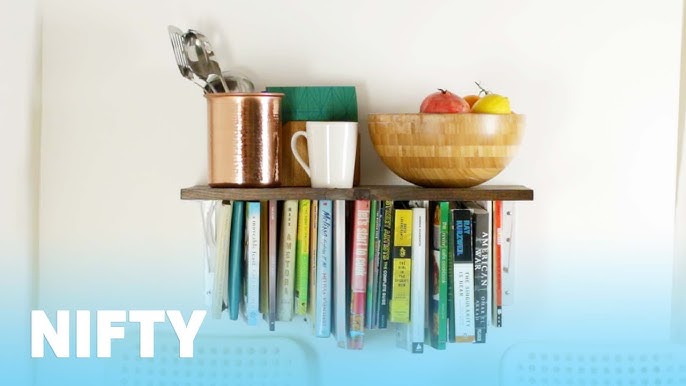
Have you ever wanted a bookshelf that’s not just practical but also a cool conversation starter? Imagine a bookshelf that looks like it’s defying gravity—upside down and unique.
Making an upside down bookshelf is easier than you think, and it can add a fresh twist to your space. In this guide, you’ll discover simple steps to build your own eye-catching bookshelf that stands out. Ready to impress your friends and organize your books in style?
Let’s dive in!
Materials Needed
Basic wood boards, nails, screws, and wood glue are needed for this project. Sandpaper and paint help finish the shelf. A hammer and drill make assembly easier.
Wood Selection
Choosing the right wood is key for an upside down bookshelf. Select sturdy wood that can hold the weight of books. Pine, oak, or plywood work well. Pine is light and easy to cut. Oak is strong but heavier. Plywood offers good strength and smooth surfaces. Pick wood that is smooth or sand it before use. Avoid wood with cracks or knots.
Tools Required
Gather tools to cut and assemble the bookshelf. A saw is necessary to cut wood pieces. Use a drill to make holes for screws. Screwdrivers help fasten the parts together. Sandpaper smooths rough edges. A measuring tape ensures accurate cuts. Clamps hold wood pieces steady while you work. A pencil helps mark measurements clearly.
Additional Supplies
Extra supplies make building easier and safer. Wood screws keep parts firmly connected. Wood glue adds extra strength to joints. Paint or wood stain can finish the shelf nicely. Brushes or rags help apply finishes evenly. Safety goggles protect your eyes during cutting and drilling. Gloves keep your hands safe and clean.
Credit: www.youtube.com
Choosing The Right Design
Choosing the right design is key for an upside down bookshelf. It affects how it looks and how well it works. Think about the space where you want to place it. Also, consider what style fits your room and how safe it will be. These points help you pick a design that suits your needs and taste.
Size And Dimensions
Measure the wall or area for the bookshelf. Check the height, width, and depth you want. The bookshelf should not block doors or windows. Also, leave space to move around easily. Choose a size that holds your books comfortably. Balance between big enough and not too large.
Style Variations
Upside down bookshelves come in many styles. Some have straight lines and simple shapes. Others have curves or unique angles. Wood types and colors also change the look. Pick a style that matches your room’s decor. Think about classic, modern, or rustic styles. Your choice makes the bookshelf a nice part of the room.
Safety Considerations
Safety is very important for this design. Make sure the bookshelf is stable and won’t tip over. Use strong materials that hold the weight of books. Fix the bookshelf to the wall if needed. Check for sharp edges or loose parts. A safe bookshelf protects your family and your books.
Preparing The Wood
Preparing the wood is the first key step to build your upside down bookshelf. This stage ensures the wood fits perfectly and looks neat. Careful preparation makes the assembly easier and the final product stronger.
Start by measuring and marking the wood pieces. Accuracy here saves time and prevents mistakes later. Then, use the right cutting methods to get clean edges. Finally, sanding smooths rough surfaces and prepares wood for finishing.
Measuring And Marking
Measure the wood pieces according to your bookshelf plan. Use a tape measure for precise lengths. Mark the cut lines clearly with a pencil. Double-check all measurements before cutting. Accurate marks guide your cuts well.
Cutting Techniques
Use a handsaw or power saw to cut along the marks. Cut slowly and steadily for straight edges. Support the wood firmly while cutting. Wear safety gear to protect your eyes and hands. Clean cuts fit better during assembly.
Sanding And Smoothing
Sand all cut edges with medium-grit sandpaper first. Remove rough spots and splinters carefully. Finish with fine-grit sandpaper for smooth surfaces. Sanding helps paint or stain stick better. Smooth wood feels better to touch.

Credit: www.amazon.com
Assembling The Bookshelf
Assembling the upside down bookshelf is a fun and rewarding step. It brings all the pieces together to create a unique and functional design. Follow each part carefully to build a sturdy shelf that looks great.
Joining The Pieces
Start by arranging all the wooden parts on a flat surface. Match the sides, top, and shelves according to your plan. Use clamps to hold pieces in place for better accuracy. Check that all edges line up perfectly before moving forward.
Securing With Screws And Glue
Apply wood glue on the edges that will join together. Glue makes the shelf stronger and lasts longer. After gluing, use screws to fasten the pieces. Drill pilot holes first to avoid splitting the wood. Tighten screws enough to hold parts firmly but not too tight to crack the wood.
Creating The Upside Down Effect
Flip the shelf frame upside down carefully. This creates the unique look of the bookshelf. Attach the back panel while the frame is flipped. Ensure the structure is stable and balanced. The upside down design gives your space an interesting twist.
Finishing Touches
Finishing touches bring your upside down bookshelf to life. They protect the wood and enhance its look. Proper finishing makes your project last longer and look better.
Painting And Staining
Choose paint or stain based on your room’s style. Paint offers bright colors and hides imperfections. Stain shows the wood’s natural grain and texture. Apply thin, even coats for a smooth finish. Let each coat dry before adding the next.
Adding Protective Coating
Protective coating guards against scratches and spills. Use clear polyurethane or varnish for strong protection. Apply with a clean brush, using long strokes. Allow the coating to dry fully before using the shelf. This step keeps your bookshelf looking new.
Decorative Elements
Decorative touches add personality to your bookshelf. Consider adding knobs, decals, or small trim pieces. Use contrasting colors for a bold look. Keep decorations simple to avoid clutter. These details make your bookshelf unique and stylish.
Mounting And Placement
Mounting and placement are key to a safe and attractive upside down bookshelf. Proper setup keeps the shelf steady and shows off your books well. This section covers ways to mount the shelf on the wall and ideas for placing it on the floor. It also explains how to keep the shelf stable.
Wall Mounting Tips
Choose a strong wall, like one made of wood or concrete. Use wall anchors for extra support. Measure the height so the shelf sits at a good eye level. Find the wall studs with a stud finder for better holding power. Use screws that fit your shelf and wall type. Check that the shelf is level before tightening the screws. Drill pilot holes to prevent wood from splitting.
Floor Placement Ideas
Place the bookshelf on a flat surface to avoid wobbling. Try corners or next to a desk for easy access. Use a non-slip mat under the shelf to keep it from moving. Combine the shelf with other furniture for a cozy reading spot. Keep the area around the shelf clear to avoid accidents. Use small furniture pads to protect the floor.
Ensuring Stability
Secure the shelf with brackets if needed. Tighten all screws and bolts regularly. Avoid overloading the shelf with heavy items. Distribute weight evenly across the shelves. Use anti-tip straps for extra safety, especially in homes with kids or pets. Check the shelf often for any signs of wear or damage. Stability keeps your books safe and your space tidy.
Maintenance Tips
Maintaining your upside down bookshelf keeps it looking fresh and sturdy. Regular care helps avoid damage and extends its life. Follow these simple tips to keep your bookshelf in great shape.
Cleaning Advice
Dust your bookshelf often with a soft cloth. Use a dry or slightly damp cloth for best results. Avoid harsh cleaners that can damage the wood or paint. Clean corners and edges carefully to remove dirt buildup.
Repairing Minor Damages
Fix small scratches with a matching wood marker or crayon. For loose screws or nails, tighten them gently. Use wood glue for small cracks or splits. Act quickly to prevent further damage or weakening.
Preserving The Finish
Apply a light coat of furniture polish or wax once every few months. This protects the wood and keeps it shiny. Keep the bookshelf away from direct sunlight and moisture. These can fade or warp the finish over time.
Creative Uses
The upside down bookshelf is more than just a clever design. It offers many creative uses for your space. This shelf can make your room look unique and organized. It gives you new ways to show your favorite things.
Displaying Books
Books look special on an upside down bookshelf. The unusual shape draws attention to the titles. You can arrange books by color or size for a neat look. This setup makes it easy to find your favorite book fast. It turns a simple book collection into a piece of art.
Showcasing Decor Items
Use the shelf to show off small decor pieces. Plants, candles, and photo frames fit perfectly. The upside down design adds charm to these items. It creates layers and depth on your wall. This type of display makes your room feel cozy and inviting.
Multi-functional Ideas
The shelf can serve many purposes beyond books and decor. Use it as a key holder near the door. Store small baskets for mail or gadgets. It works well as a mini workspace organizer too. This flexibility helps keep your space tidy and stylish.

Credit: www.youtube.com
Frequently Asked Questions
What Materials Are Needed For An Upside Down Bookshelf?
You need wood boards, screws, brackets, sandpaper, wood glue, and paint or stain. Choose sturdy wood for durability. Gather all tools before starting to ensure a smooth building process and a strong final product.
How Do You Assemble An Upside Down Bookshelf?
Start by attaching the base to the sides using wood glue and screws. Then fix the back panel for stability. Sand all surfaces and finish with paint or stain. Ensure all parts are securely fastened to hold books safely.
Can I Customize The Size Of My Upside Down Bookshelf?
Yes, you can adjust the dimensions based on your space and needs. Measure the area carefully before cutting wood. Customize shelf height to fit different book sizes. Personalizing size improves functionality and complements your room design.
Is It Safe To Hang An Upside Down Bookshelf On The Wall?
Yes, if properly mounted with strong brackets and anchors. Use a stud finder to secure screws into wall studs. Check weight capacity to avoid accidents. Proper installation ensures your bookshelf remains stable and safe for use.
Conclusion
Making an upside down bookshelf is simple and fun. It adds a unique touch to any room. You only need a few tools and some patience. The process helps you learn basic woodworking skills. This project saves money compared to buying new furniture.
Plus, you get a shelf that fits your style perfectly. Try this idea to organize books and show creativity. Enjoy the satisfaction of building something with your own hands. Give it a try and see the difference it makes.