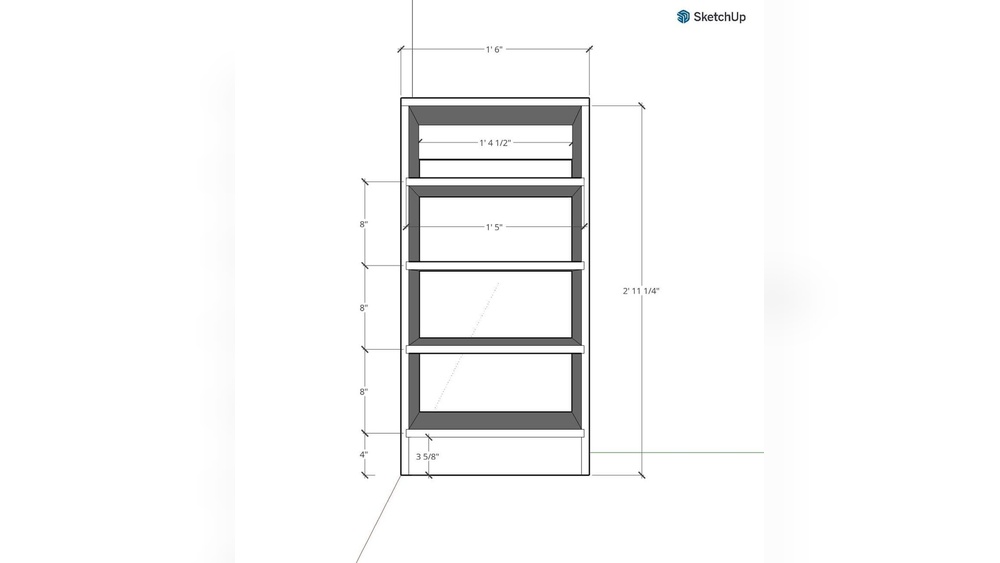
Are you looking for a smart way to divide your space without building walls? Creating a bookshelf to separate rooms is a simple and stylish solution that can transform your home.
Imagine having a piece that not only organizes your books but also adds character and privacy to your living area. In this guide, you’ll discover easy steps to build your own room divider that fits your style and needs. Ready to make your space more functional and beautiful?
Let’s get started!
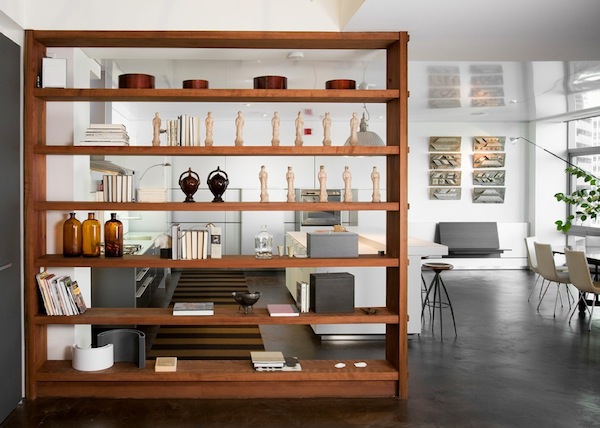
Credit: www.organizeit.blog
Choosing The Right Bookshelf Style
Choosing the right bookshelf style is key to dividing rooms effectively. It shapes the room’s look and function. The style you pick affects storage, light flow, and space feel. Focus on what fits your room size and your storage needs.
Open Shelves Vs Closed Cabinets
Open shelves show off books and decor. They make rooms feel airy and bright. You can easily reach items on open shelves. Closed cabinets hide clutter and protect items from dust. They give a neat, clean look. Choose open shelves for display. Pick closed cabinets for hidden storage.
Floating Vs Freestanding Options
Floating shelves attach to walls without legs. They save floor space and look modern. Floating shelves work well in small rooms. Freestanding bookshelves stand on the floor. They can move to different spots. Freestanding shelves offer more storage options. Choose floating for sleek style. Pick freestanding for flexibility.
Custom Vs Pre-made Designs
Custom bookshelves fit your space perfectly. You control size, color, and style. They match your room’s decor exactly. Pre-made bookshelves are ready to buy and use. They cost less and come in many designs. Custom designs suit unique needs. Pre-made is fast and simple.
Materials And Tools Needed
Building a bookshelf to separate rooms requires specific materials and tools. Choosing the right wood and finish affects the look and strength. Using proper tools ensures smooth construction. Safety equipment protects you during the project. Below are the essentials to gather before starting.
Wood Types And Finishes
Choose wood that suits your room style and budget. Pine is affordable and easy to work with. Oak and maple offer more strength and a classic look. Consider plywood for a budget-friendly option with smooth surfaces. Select a finish that matches your decor. Paint adds color, while stain shows wood grain. A clear seal protects the surface from damage.
Essential Tools For Construction
Gather tools for measuring, cutting, and assembling. A tape measure and pencil help mark wood accurately. A saw cuts wood to the right size. Power drills drive screws quickly and create holes. Sandpaper smooths rough edges. A level ensures shelves are straight. Clamps hold pieces in place while working. A screwdriver tightens screws by hand.
Safety Equipment
Protect yourself during the project with safety gear. Safety glasses shield your eyes from dust and debris. Gloves prevent splinters and provide grip. Ear protection guards against loud tool noise. A dust mask stops inhaling wood particles. Wear sturdy shoes to protect feet from falling objects. Keep your workspace clean to avoid accidents.
Planning Your Bookshelf Layout
Planning your bookshelf layout is an important step before building. It helps ensure the bookshelf fits well and serves its purpose. A good plan makes the project easier and the final result better.
Measuring The Space
Start by measuring the area where the bookshelf will stand. Measure height, width, and depth carefully. Note any obstacles like vents or outlets. Accurate measurements prevent problems during installation.
Deciding Shelf Dimensions
Choose shelf height and depth based on what you want to store. Books need different space than decorative items. Keep shelves strong enough to hold heavy books. Plan for some extra space for future needs.
Incorporating Storage And Display
Mix open shelves for display with closed storage for clutter. Use baskets or boxes for small items. Think about adding a few drawers or cabinets. This makes the bookshelf more useful and attractive.
Step-by-step Building Process
Building a bookshelf to separate rooms is a practical way to add style and function to your space. This step-by-step guide helps you create a sturdy and attractive divider. Follow each phase carefully for the best results.
Cutting And Preparing Materials
Start by measuring the space where the bookshelf will stand. Cut the wood panels to the right size. Sand all edges smooth for safety and a clean look. Gather screws, brackets, and tools before moving on.
Assembling The Frame
Lay out the cut pieces to form the frame. Join the sides and top using screws and brackets. Check for right angles with a square tool. Tighten all connections to ensure stability.
Adding Shelves And Supports
Decide how many shelves you need and where to place them. Attach shelf supports inside the frame. Secure each shelf firmly on the supports. Make sure shelves are level and evenly spaced.
Finishing Touches And Painting
Fill any holes or gaps with wood filler. Sand the surface again for a smooth finish. Choose paint or stain that matches your room décor. Apply evenly and let dry completely before use.
Creative Design Ideas
Creative design ideas can turn a simple bookshelf into a stylish room divider. This adds function and beauty to your space. You can mix different elements to make your bookshelf stand out. Think beyond just shelves and books. Use plants, lights, and moving parts to bring life and motion to the room. These ideas make your bookshelf more than a storage unit.
Incorporating Plants And Decor
Place small plants on some shelves for a natural look. Green leaves add color and freshness to any room. Use pots with different shapes and sizes for variety. Add decorative items like vases, picture frames, or sculptures. These accents create interest and personality. Mix books with decor to avoid a cluttered feel. This balance keeps the space open and inviting.
Using Lighting For Ambience
Add LED strips or small lamps inside the bookshelf. Soft lighting highlights your items and sets a warm mood. Use lights with dimmers to control brightness. Lighted shelves make your divider a cozy focal point. Choose warm white bulbs for a relaxed atmosphere. This simple addition changes how the space feels day and night.
Adding Sliding Or Rotating Features
Install sliding panels on the bookshelf for flexible use. Move them to open or close parts of the room easily. Rotating shelves add a fun and practical twist. These features let you change the space without heavy work. They also provide extra storage hidden from view. This design keeps your room neat and adaptable.
Installation And Room Separation Tips
Installing a bookshelf as a room divider can change your space without heavy construction. This method creates a cozy, functional barrier. Proper installation is key to safety and style. Follow these simple tips to secure your bookshelf and improve your room’s look.
Securing The Bookshelf Safely
Start by anchoring the bookshelf to the floor or wall. Use brackets or L-brackets for extra support. Check for studs in the wall to fix the brackets firmly. Avoid placing heavy items on the top shelves. This keeps the shelf from tipping over.
Maximizing Privacy And Light
Choose shelves with a mix of open and closed sections. Closed parts block sight and give privacy. Open shelves let light pass through and keep the room bright. Add plants or baskets to fill empty spaces. These add texture without blocking light.
Maintaining Stability On Different Floors
For hardwood or tile floors, use rubber pads under the bookshelf legs. These stop slipping and protect the floor. On carpet, check that the shelf sits flat and steady. Adjust leg levelers if the floor is uneven. Stability prevents accidents and keeps your divider firm.
Budget-friendly Alternatives
Making a bookshelf to separate rooms can be costly. Budget-friendly alternatives help you save money. You can create a stylish divider without spending much. Simple ideas and materials can make a big difference.
Repurposing Old Furniture
Look for old shelves or cabinets at thrift stores. These pieces can be cleaned and painted to fit your space. Using what you already have cuts down on cost. It also adds a unique touch to your room. Think about using old crates or drawers as shelves. They can stack up to form a custom bookshelf.
Using Affordable Materials
Choose materials like plywood or MDF for building your shelf. These are cheaper than solid wood but still strong. You can buy pre-cut panels to reduce waste and cost. Simple metal brackets and screws hold everything together well. Paint or stain the materials to match your room’s style.
Diy Hacks To Save Time And Money
Use ready-made shelf boards to skip cutting. Assemble shelves with basic tools like a drill and screwdriver. Look for free plans online to guide you step-by-step. Buy materials during sales or clearance events. Simple fixes, like using zip ties or clamps, can speed up your work.

Credit: andorwillow.com
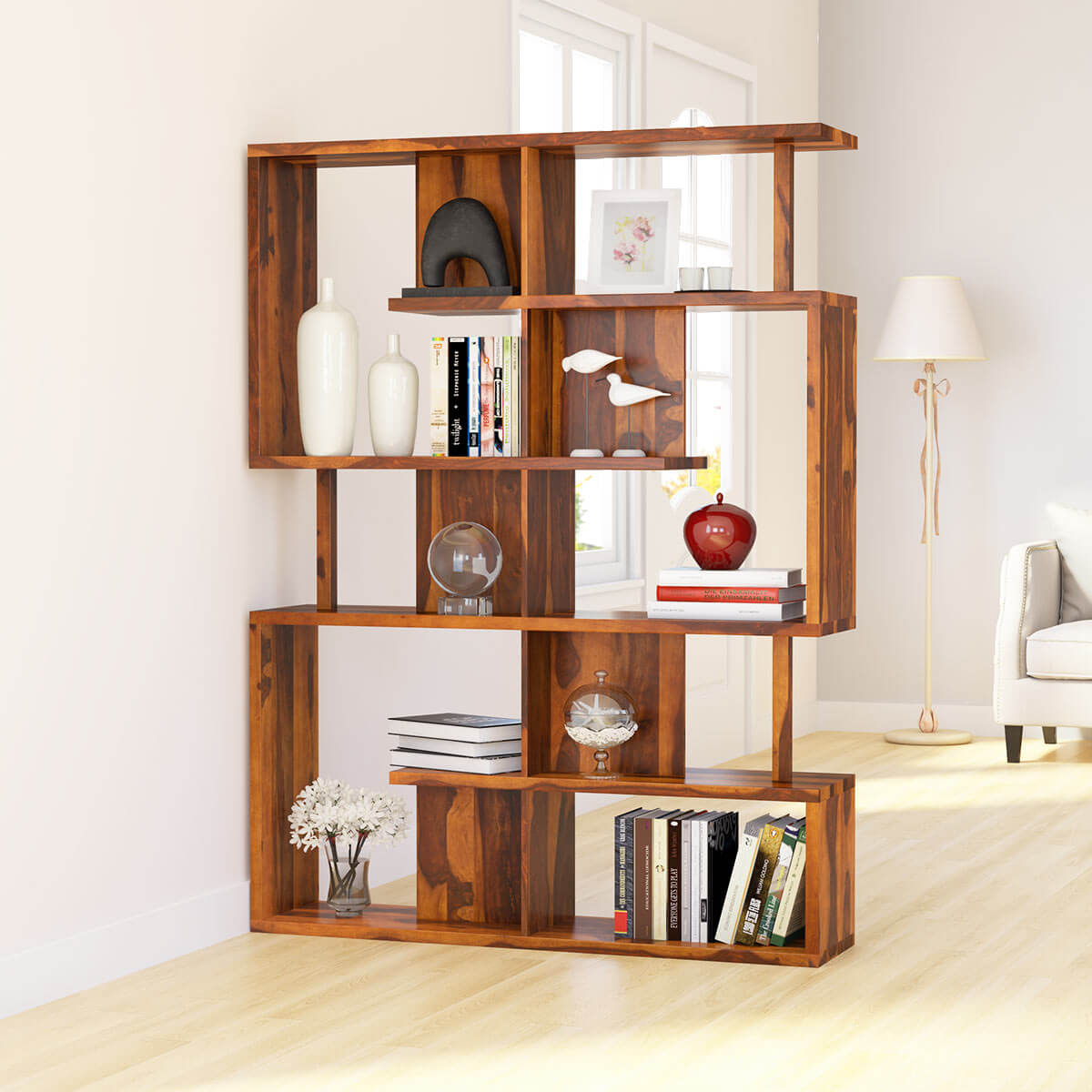
Credit: www.sierralivingconcepts.com
Frequently Asked Questions
How Do I Build A Sturdy Bookshelf Room Divider?
Start with strong materials like plywood or MDF. Use solid screws and brackets for stability. Secure the bookshelf to the floor or wall to prevent tipping. Choose a design with evenly spaced shelves for balanced weight distribution. These steps ensure a sturdy and safe room divider.
What Tools Are Needed To Make A Bookshelf Divider?
You need a saw, drill, screwdriver, measuring tape, level, and clamps. Sandpaper and wood glue also help. Safety gear like goggles and gloves is essential. Having these tools makes the building process smoother and safer.
How Can I Customize A Bookshelf To Fit My Space?
Measure your room carefully before building. Adjust shelf height and width for your needs. Paint or stain the bookshelf to match decor. Add features like doors or lighting for functionality and style. Customization makes the bookshelf both useful and attractive.
What Materials Work Best For Bookshelf Room Dividers?
Use plywood, MDF, or solid wood for durability. Metal or glass can add a modern look. Choose materials based on your budget and style preference. Proper materials ensure long-lasting and visually appealing dividers.
Conclusion
Building a bookshelf to separate rooms adds style and function. It helps create private spaces without major changes. You can choose shelves that fit your space and needs. Using simple tools and materials makes the project easy. The finished shelf holds books, decorations, or plants too.
This idea saves money and brightens your home. Try it step-by-step and enjoy your new room divider. Simple, practical, and attractive—a great way to improve your living space.