Are you looking to save space and add a fun twist to your bedroom? Turning your regular bed into a bunk bed might be easier than you think.
Imagine creating extra sleeping spots without buying a new bed or moving to a bigger room. In this guide, you’ll discover simple, step-by-step ideas to transform your bed into a stylish and practical bunk bed. Keep reading—you’re just a few easy moves away from maximizing your space and impressing everyone with your DIY skills!

Credit: kelseybang.com
Choosing The Right Bed
Choosing the right bed is the first step to making a bunk bed from an existing bed. The bed must support extra weight and hold the structure firmly. Picking a strong and stable bed frame is key to a safe and lasting bunk bed.
Assessing Bed Frame Type
Start by checking what type of bed frame you have. Metal frames are often strong and easy to work with. Wooden frames can be sturdy but vary in strength. Platform beds may not have enough clearance for a bunk bed. Make sure the frame can handle the weight of two beds stacked.
Materials Suitable For Bunk Beds
Wood and metal are the best materials for bunk beds. Solid wood is durable and can hold screws well. Metal frames offer strong support and resist bending. Avoid particleboard or weak plastics. These materials may break or wobble under pressure.
Safety Considerations
Safety is very important when building a bunk bed. Check for sharp edges or loose parts on the bed. The bed must not wobble or shift easily. Ensure the height is safe and a guardrail can be added. The top bunk needs strong support to prevent accidents.
Gathering Tools And Materials
Starting a bunk bed project needs careful planning. Gathering the right tools and materials saves time and effort. It ensures a safe, sturdy build. Knowing what you need helps prevent interruptions during work. Prepare everything before you begin. Here is a clear list to guide you.
Essential Tools List
- Power drill with drill bits
- Screwdriver set
- Measuring tape
- Level
- Hammer
- Wood saw or circular saw
- Clamps
- Sandpaper or electric sander
- Pencil for marking
Required Materials
- Wood boards or planks (choose sturdy hardwood)
- Wood screws of various sizes
- Wood glue
- Paint or wood finish
- Safety gear like gloves and goggles
- Support brackets (for extra strength)
Optional Accessories
- Guardrails for top bunk safety
- Built-in ladder pieces
- Storage drawers or shelves
- Mattress supports or slats
- Decorative knobs or handles
Preparing The Bed Frame
Preparing the bed frame is the first important step in making a bunk bed out of a bed. This step ensures the frame is safe and strong. A well-prepared frame lasts longer and supports weight better. You will work on cleaning, checking, and taking apart the bed frame carefully. This preparation creates a solid base for building your bunk bed.
Disassembling The Bed
Start by taking apart the bed frame carefully. Remove all screws, bolts, and nails. Keep these parts in a small container so you do not lose them. Separate the headboard, footboard, and side rails. Use a screwdriver or wrench to avoid damage. Work on a flat surface for safety and ease.
Inspecting For Damage
Check all parts of the bed frame for cracks or weak spots. Look for loose joints or broken wood pieces. Replace any damaged parts before building the bunk bed. Tighten screws and bolts to make the frame strong. A sturdy frame prevents accidents and keeps the bed safe.
Cleaning And Sanding
Clean the bed frame with a damp cloth to remove dust and dirt. Let it dry completely before the next step. Sand the wood gently to smooth rough areas and remove old paint. Use fine-grit sandpaper for the best results. This step helps paint or finish stick better and makes the frame look nice.
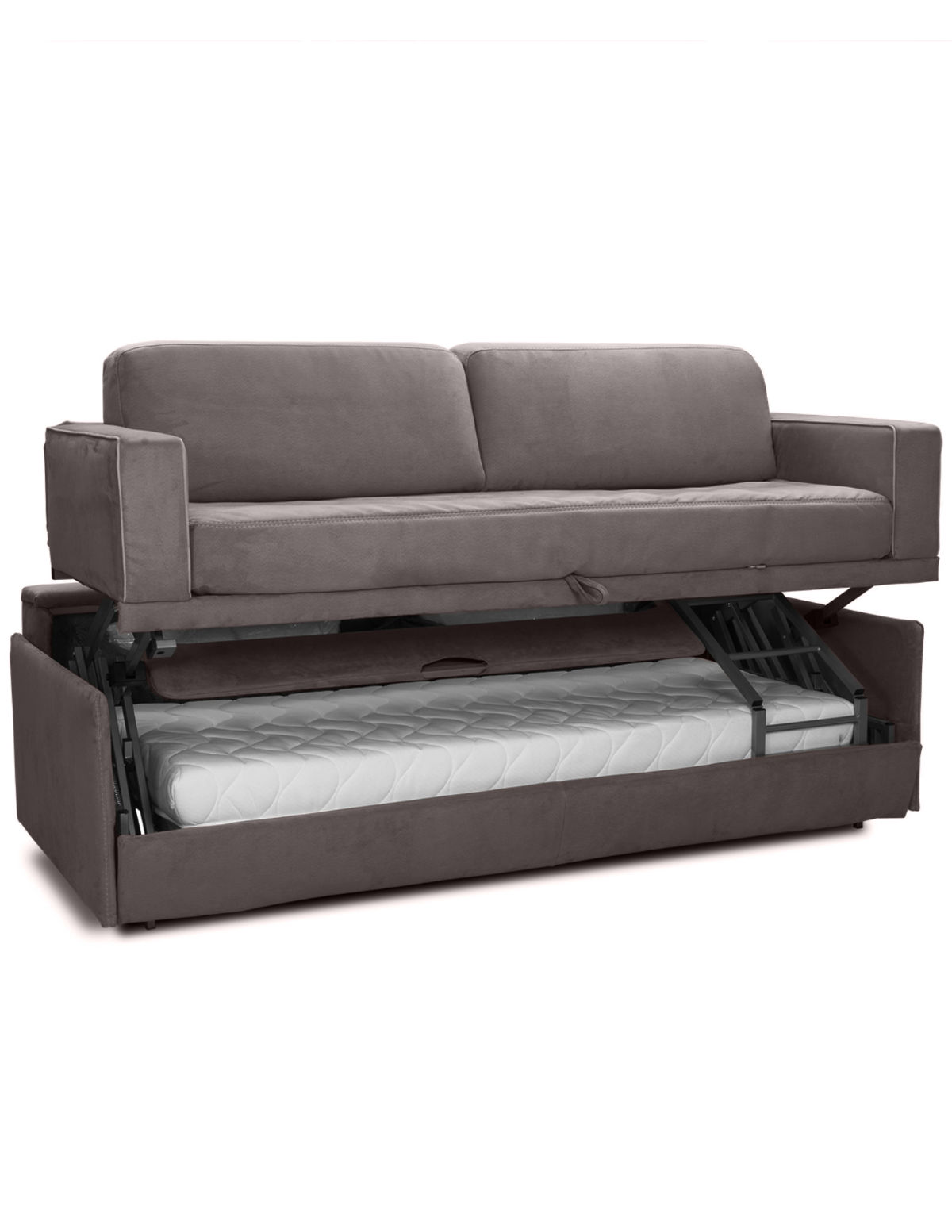
Credit: expandfurniture.com
Building The Lower Bunk
Building the lower bunk is the first step in creating a sturdy bunk bed from a regular bed. It needs a strong base and frame to hold weight safely. Careful assembly ensures comfort and security for the person sleeping below. Follow these steps closely to make a solid lower bunk.
Positioning The Base
Start by placing the bed’s base where the lower bunk will sit. Make sure the base is flat and level. This prevents wobbling and adds safety. Check the floor surface and clear any debris before setting the base down. Adjust the position to fit the room space well.
Adding Support Beams
Support beams add strength to the lower bunk frame. Use strong wood or metal beams. Place them under the base to spread weight evenly. Attach beams across the width and length for better stability. Space the beams evenly to avoid weak spots under the mattress.
Securing The Frame
Use screws and brackets to join the frame parts tightly. Tight connections stop movement and keep the bunk stable. Double-check all joints to avoid loose parts. Reinforce corners with metal braces if needed. A secure frame protects against accidents and ensures long-term use.
Constructing The Upper Bunk
Constructing the upper bunk is the key step in turning your bed into a bunk bed. Safety and stability are the main goals. The upper bunk must be strong and secure for a good night’s sleep.
Careful planning and precise building make the upper bunk safe and comfortable. Follow these steps to build the upper bunk properly.
Measuring Height And Clearance
Start by measuring the height from the floor to the top of the lower bed. Add enough space between the lower bed and the new upper bunk. This space should allow sitting up comfortably. Usually, 30 to 36 inches of clearance is good. Also, measure the total room height. The upper bunk needs enough space to prevent bumping the ceiling.
Building The Guardrails
Guardrails protect from falls and make the upper bunk safe. Use sturdy wood or metal for the rails. The rails should cover the sides where there is open space. Build the guardrails at least 5 inches above the mattress surface. Attach the rails firmly to the bunk frame. Check that there are no gaps where a child could slip through.
Attaching Ladder And Supports
Attach a ladder for easy access to the upper bunk. Choose a ladder that is strong and fits the bed style. Secure the ladder to the bed frame tightly. Use strong supports under the upper bunk for extra strength. These supports keep the upper bunk stable and prevent wobbling. Double-check all connections for safety before use.
Finishing Touches
Finishing touches give your bunk bed a complete and polished look. They also make the bed safe and comfortable for use. These final steps help ensure your project lasts long and looks great.
Painting And Staining
Choose paint or stain that fits your room style. Use light colors for a bright feel. Dark colors add warmth and richness. Apply a primer before painting to protect wood. Let each coat dry fully before adding another. Stain highlights natural wood grain and adds protection. Always work in a well-ventilated area. Use a brush or roller for smooth coverage. A clear sealant helps protect the finish from wear.
Adding Mattresses
Select mattresses that fit the bed frame perfectly. Measure your bed to avoid buying the wrong size. Use mattresses that are not too thick for safety. Thin mattresses help keep guardrails effective. Choose firm mattresses for better support. Add mattress covers to protect and keep them clean. Place mattresses carefully to avoid gaps. Test comfort before finalizing the setup.
Safety Checks
Check all screws and bolts for tightness. Tighten loose connections to prevent wobbling. Make sure guardrails are secure and high enough. Test the ladder for stability and comfort. Sand any rough edges to avoid splinters. Confirm the bed frame holds weight evenly. Keep the area around the bed clear of obstacles. Ensure children understand safe climbing rules.
Maintenance Tips
Maintaining your bunk bed made from a regular bed is essential. It keeps the bed safe and lasts longer. Small care steps help avoid big problems. Follow these tips to keep your bunk bed in top shape.
Regular Inspection
Check your bunk bed every week. Look for cracks or broken parts. Make sure the bed feels steady. Notice any wobbling or strange sounds. Early detection helps prevent accidents.
Tightening Loose Screws
Loose screws make the bed unsafe. Use a screwdriver to tighten all screws monthly. Focus on joints and ladder areas. Tight screws keep the bed strong and steady. Do not ignore any loose parts.
Cleaning Advice
Keep the bed clean to avoid dust and dirt. Use a soft cloth to wipe the surfaces weekly. Avoid harsh cleaners that can damage the wood or paint. Clean spaces under the bed to prevent buildup. A clean bed looks good and lasts longer.
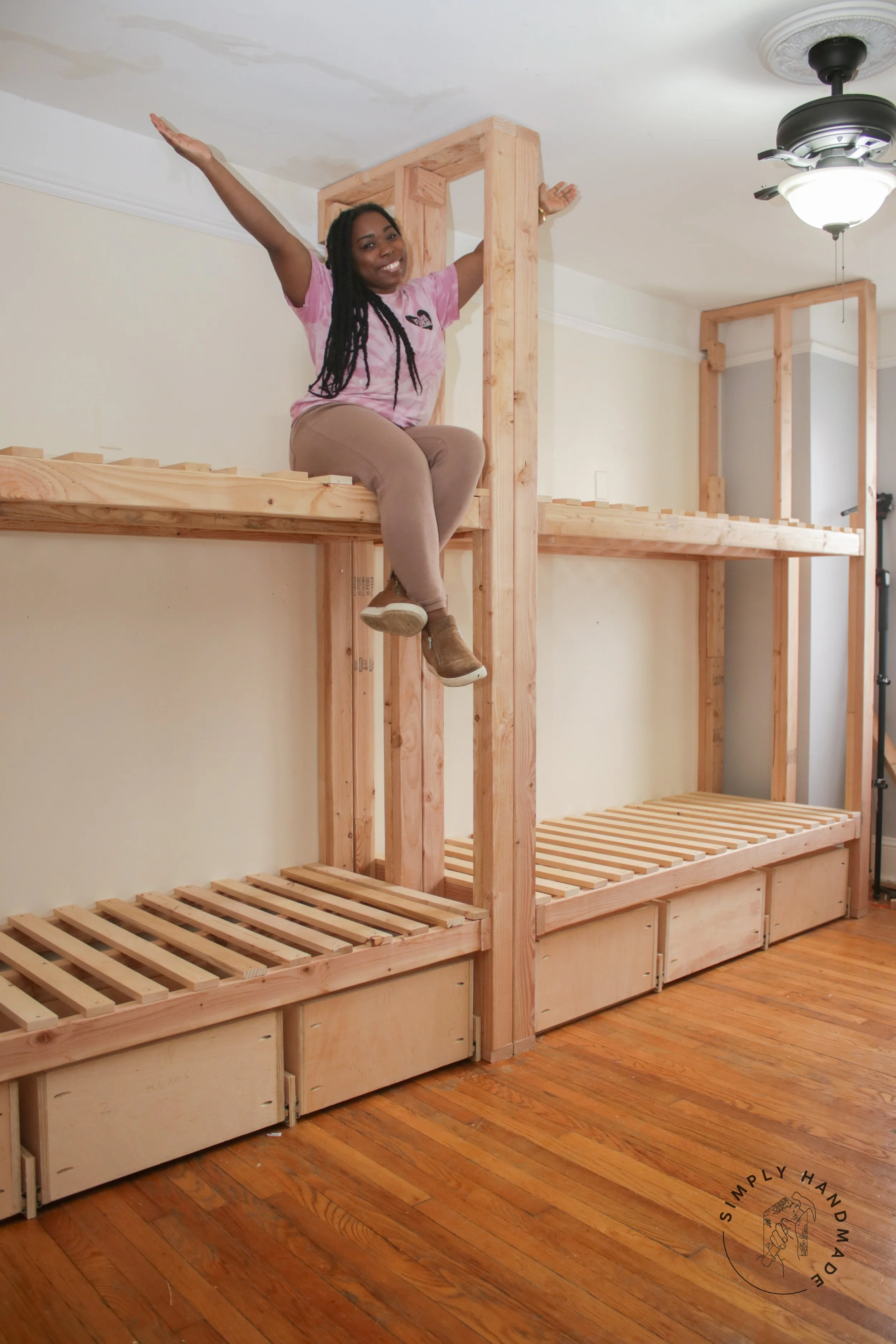
Credit: www.simplyhandmadestudios.com
Frequently Asked Questions
How Do I Convert A Single Bed Into A Bunk Bed?
To convert a single bed into a bunk bed, add a sturdy frame and secure guardrails. Use a ladder for upper access. Ensure stability and safety by reinforcing joints and using quality materials.
What Materials Are Needed For A Bunk Bed Conversion?
You need wood planks, screws, guardrails, a ladder, and strong brackets. Sand and paint for finishing. Choose durable, safe materials to ensure stability and comfort.
How To Ensure Safety When Making A Bunk Bed?
Install guardrails on the upper bunk. Use secure fasteners and check for sturdy support. Avoid gaps larger than 3. 5 inches to prevent accidents. Regularly inspect for wear and stability.
Can I Make A Bunk Bed Without Professional Help?
Yes, with basic carpentry skills and tools, you can. Follow detailed guides, measure carefully, and prioritize safety. Use quality materials and take your time to ensure a secure build.
Conclusion
Building a bunk bed from an existing bed saves space and money. It gives your room a fresh, fun look. You only need some tools and patience to do it right. Safety is important, so check all connections carefully. This project suits beginners and offers a great way to customize your space.
Try it step by step and enjoy the process. A new bunk bed can make your room more useful and cozy. Give it a shot and see the difference yourself!