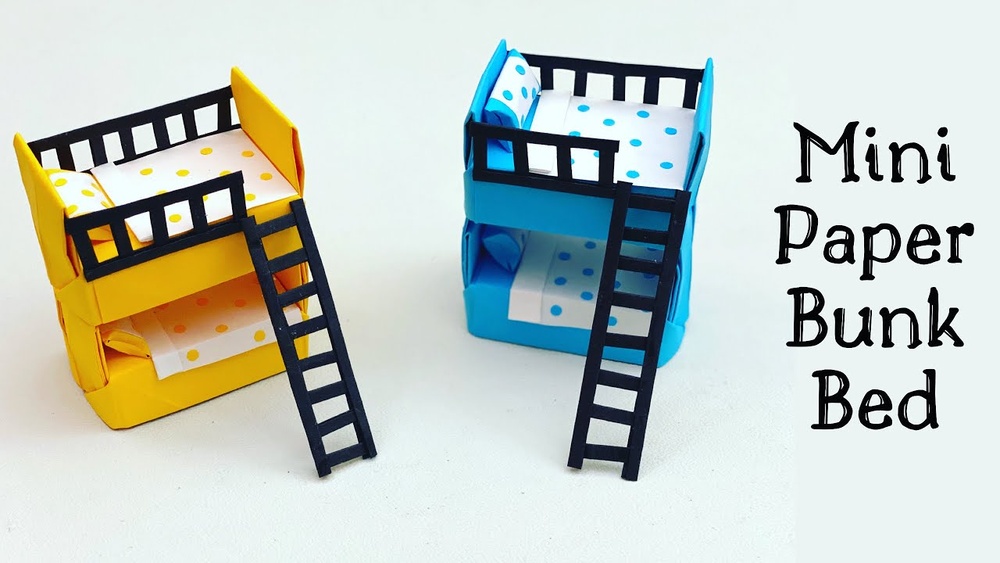
Have you ever wondered how to turn a simple piece of paper into a cool bunk bed model? Imagine creating something unique with just your hands and some paper, right in your own home.
This guide will show you step-by-step how to make a bunk bed out of paper that looks impressive and is fun to build. Whether you want a creative project for your kids, a decoration for your room, or just a new craft to try, you’re in the right place.
Keep reading, and you’ll soon have your very own paper bunk bed to admire or play with!
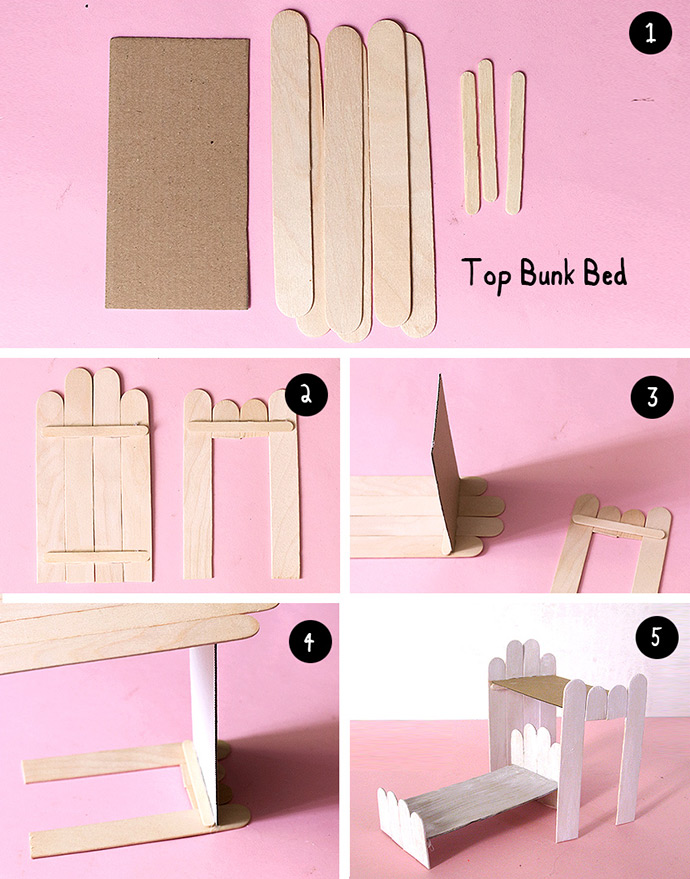
Credit: www.handmadecharlotte.com
Materials Needed
Before starting your paper bunk bed project, gather all materials. Having the right items makes crafting easier. It also helps the bed stay strong and look good. Focus on paper types and tools needed. Each plays a key role in your build.
Types Of Paper
Choose thick paper or lightweight cardboard. These hold shape well and resist tearing. Newspaper or tissue paper are too weak. Colored or plain paper both work fine. Glossy paper adds a nice finish. Avoid very thin sheets to keep structure firm.
Tools And Supplies
Prepare scissors for cutting shapes precisely. Use glue sticks or white craft glue for strong bonds. A ruler and pencil help measure and mark lines. Tape can support joints while drying. A cutting mat protects your surface. Patience and neatness improve the final look.
Credit: smaroadsafety.com
Preparing The Paper
Preparing the paper is an important step before building a paper bunk bed. The right preparation makes the process smoother and the final model stronger. Start with clean, flat sheets of paper that are easy to fold and cut.
Use good quality paper. Too thin paper can tear easily. Thick paper holds shape better but is harder to fold. Choose a size that fits your design. Standard printer paper works well for small models.
Cutting To Size
Cut the paper into pieces that match your bed design. Use a ruler and scissors for straight edges. Cut carefully to avoid jagged edges. Smaller parts need precise cutting to fit together well.
Measure twice, cut once. This prevents wasting paper. Keep all pieces organized by size. Label if needed to avoid confusion later.
Folding Techniques
Fold paper crisply to create strong shapes. Use a flat surface and press folds firmly. Sharp creases help the paper hold its form. Try mountain and valley folds for different angles.
Practice folding small pieces before the final model. Use your fingernail or a folding tool to sharpen edges. Proper folds add stability to the bunk bed structure.
Building The Frame
Building the frame is the first big step in making a bunk bed out of paper. This part gives the bed its shape and strength. Focus on making a strong base and solid supports. These will hold the bed steady and safe for use. Let’s break down how to build these parts clearly and simply.
Constructing The Base
Start by cutting thick paper or cardstock into long strips. These strips will form the base frame. Arrange four strips into a rectangle. Use glue or tape to fix the corners tightly. Reinforce the joints with extra paper pieces for strength. Make sure the base is flat and sturdy. This base holds all the weight of the bed.
Creating The Supports
Supports hold the upper bunk above the lower one. Cut four equal-length strips for vertical supports. Attach these strips at each corner of the base. Secure them well with glue and tape. Add horizontal strips between vertical supports for more strength. Check if the supports stand straight and firm. Strong supports keep the bunk bed stable and safe.
Assembling The Bunk Bed
Assembling the bunk bed from paper is a fun and careful task. It requires patience and attention to detail. Follow simple steps to build a strong and neat paper bunk bed. Start by preparing all paper parts you cut earlier. Keep them organized. This helps speed up the assembly process.
Joining The Layers
Start by stacking the paper layers for each bunk bed part. Use glue between layers. Press firmly to avoid air bubbles. Let each section dry before moving to the next. Join the layers evenly for smooth edges. This adds strength to the paper bed parts. Take your time. A well-joined layer makes the bed sturdy and neat.
Securing The Structure
After joining layers, connect the bed parts. Use glue or tape to hold corners tightly. Support the frame by adding small paper strips inside corners. These strips act like braces. Check if the bed stands firm. Fix loose parts by adding more glue. Wait for everything to dry fully. A secure structure keeps the paper bed stable and safe to display.
Adding Details
Adding details to your paper bunk bed gives it character and charm. Small touches make the model look more real and fun. Focus on simple steps that bring the bed to life. These details make your project stand out.
Making The Ladder
Create the ladder using small strips of paper. Cut two long strips for the sides. Then, cut several short strips for the steps. Glue the steps evenly between the sides. Let it dry well before attaching it to the bed.
Place the ladder on the side of the bunk bed. Use a small piece of tape or glue to hold it steady. Make sure the ladder is strong enough to hold its shape. This small addition adds a great touch of realism.
Decorating The Bed
Choose colors and patterns for the bed sheets and pillows. Use colored paper or draw simple designs. Cut small rectangles for the mattress and pillows. Glue them onto the bed frame carefully.
Add tiny details like a blanket or a small stuffed toy. Use markers or crayons to draw extra lines or shapes. These decorations make the paper bunk bed look cozy and inviting.
Tips For Stability
Building a bunk bed out of paper is fun but needs care to keep it strong. Stability is key. Without it, the bed may fall apart easily. Use these tips to make sure your paper bunk bed holds up well. A firm bed looks better and lasts longer.
Reinforcing Weak Points
Identify parts that bend or tear easily. Corners and joints often need extra support. Fold paper layers together to make thick pieces. Add strips of paper inside the frame for strength. Use small paper tubes or rolled sheets to hold shape. These steps stop weak spots from breaking.
Using Adhesives Effectively
Choose the right glue for paper crafts. White glue works well and dries clear. Apply glue evenly, not too much or too little. Press glued parts firmly and hold for a minute. Let glue dry fully before moving the bed. Strong bonds keep the bed steady and safe.
Common Mistakes To Avoid
Building a bunk bed out of paper is fun but tricky. Mistakes can make the bed weak or collapse. Avoiding common errors helps create a strong and safe model. Focus on simple rules to get the best result.
Overloading The Paper
Paper is not very strong. Putting too much weight on it breaks the structure. Use light objects or small toys to test the bed’s strength. Do not try to hold heavy items or real people.
Stacking too many layers of paper can make the bed unstable. Use only the needed layers for support. Too many layers cause bending and warping.
Ignoring Measurements
Precise measurements keep the bunk bed balanced. Wrong sizes cause parts to not fit well. This makes the bed wobbly and unsafe. Measure twice, cut once.
Follow the plan carefully. Use a ruler and mark paper before cutting. Uneven sides or mismatched parts make the bed look bad. Accuracy is key for a neat project.

Credit: www.youtube.com
Frequently Asked Questions
How Do I Start Making A Paper Bunk Bed?
Begin by gathering sturdy paper, scissors, glue, and a ruler. Cut precise pieces for the frame. Assemble base layers first for stability. Follow step-by-step instructions carefully to ensure proper structure and balance.
What Paper Type Is Best For Building A Bunk Bed?
Use thick, durable paper like cardstock or construction paper. These materials provide better strength and support. Avoid thin or flimsy paper as it may collapse easily. Reinforce joints with glue or tape for added durability.
How Can I Make The Paper Bunk Bed Stable?
Create a strong base and reinforce corners with extra paper strips. Use glue generously at joints. Allow glue to dry completely before adding upper layers. Balance weight evenly to prevent tipping or collapsing.
Can Kids Safely Make A Paper Bunk Bed?
Yes, with adult supervision. Kids can safely cut, fold, and glue paper. Ensure sharp tools are handled carefully. This project enhances creativity and fine motor skills. Always supervise to avoid accidents.
Conclusion
Making a bunk bed out of paper is a fun and creative project. It only takes simple materials and a little patience. You can enjoy building it step by step. This craft helps improve your skills and imagination. Try different designs and colors to make it unique.
Share your creation with friends or family. Paper bunk beds are safe and perfect for playtime. Keep practicing to make even better models next time. Have fun and explore your creativity every day!