Are you tired of cluttered entryways and missing places to sit while putting on your shoes? A coat rack bench could be the perfect solution for your home.
Imagine having a stylish piece that combines seating and storage, keeping your coats, bags, and shoes organized all in one spot. In this guide, you’ll learn exactly how to make a coat rack bench that fits your space and style.
By the end, you’ll have a practical and attractive addition that makes your daily routine easier and your home more welcoming. Ready to transform your entryway? Let’s get started!
Materials And Tools Needed
Gathering the right materials and tools is the first step. It helps build a strong and useful coat rack bench. This list is simple and easy to follow. It fits most home workshops and budgets.
Having everything ready saves time and avoids frustration. It also ensures the project looks neat and lasts long. Below are the key materials and tools needed for this project.
Materials Needed
- Wood boards (pine or oak) for the bench and rack
- Wood screws and nails
- Wood glue for strong joints
- Coat hooks or pegs
- Sandpaper (medium and fine grit)
- Wood stain or paint
- Clear wood finish (polyurethane or varnish)
- Wood filler for holes and gaps
- Optional: Foam or cushion for the bench seat
Tools Needed
- Measuring tape and pencil
- Hand saw or circular saw
- Power drill with drill bits
- Screwdriver (manual or electric)
- Clamps to hold pieces in place
- Sanding block or electric sander
- Paintbrush or foam brush
- Safety gear: gloves, goggles, and dust mask
Choosing The Right Design
Choosing the right design for a coat rack bench shapes the whole project. It affects how the bench looks and works in your space. Picking a simple, clear design helps create a useful and attractive piece. This section covers key points about styles, coat rack options, and size considerations.
Bench Styles
Benches come in many styles. Some have a classic wooden look with straight lines. Others are modern with metal and sleek shapes. You can choose a bench with storage under the seat or a plain flat top. Think about the style that fits your home and your needs. A sturdy bench with a smooth seat works well for daily use.
Coat Rack Options
Coat racks can have hooks, pegs, or a rail. Hooks are easy to use and hold many coats. Pegs give a rustic feel and are simple to install. Rails allow hangers and keep coats neat. Choose the option that suits your space and how many coats you want to hang. Make sure the hooks or pegs are strong enough to hold heavy coats.
Size And Space Considerations
Measure the space where the bench will go. The size should fit well without crowding the area. A bench that is too big can block doors or walkways. A small bench may not hold enough coats or provide enough seating. Consider the height too. A bench seat about 18 inches high is comfortable for most people. Plan the depth and length so it fits your room and holds what you need.
Preparing The Wood
Preparing the wood is an important step in making a coat rack bench. Proper preparation ensures the bench is strong and looks good. It starts with measuring and cutting the wood to the right size. Then, sanding and finishing make the surface smooth and ready for use. Follow these steps carefully for the best results.
Measuring And Cutting
Begin by measuring the wood pieces according to your design. Use a tape measure and mark the lengths clearly. Double-check the measurements to avoid mistakes. Cut the wood with a saw, following the marked lines. Make straight and clean cuts to ensure the pieces fit well. Keep safety in mind and wear protective gear while cutting.
Sanding And Finishing
After cutting, sand all wood surfaces to remove rough edges. Use medium-grit sandpaper first, then finer grit for a smooth finish. Sand along the grain to avoid scratches. Wipe off dust with a clean cloth before applying finish. Choose a finish like paint, stain, or sealant. Apply evenly and let it dry completely. Finishing protects the wood and improves the bench’s appearance.
Credit: www.drfabregues.com
Building The Bench Frame
Building the bench frame is the first big step in making your coat rack bench. This frame supports the seat and holds the structure steady. A strong frame means your bench will last a long time and hold weight safely. Focus on simple, clean lines for a neat look.
Follow the steps carefully to get the best results. Use the right tools and materials for a strong, safe frame. Let’s start with the seat assembly and then add the support legs.
Assembling The Seat
Cut the wooden boards to the right size for the seat. Lay the boards side by side on a flat surface. Join them using wood glue and screws for extra strength. Make sure the boards are even and tight together. Check the seat’s surface for smoothness and sand if needed.
Adding Support Legs
Choose sturdy wood for the legs to hold weight well. Cut the legs to the same length for balance. Attach the legs to the seat frame with screws and wood glue. Use corner brackets for extra support if needed. Check the bench for stability and adjust the legs as required.
Attaching The Coat Rack
Attaching the coat rack to your bench is an important step. It gives your project function and style. This part makes your bench ready to hold coats, hats, and bags.
Focus on strong and steady attachment. This ensures the rack lasts long and stays safe to use.
Mounting Hooks
Choose hooks that fit the style and size of your coat rack. Mark spots evenly along the rack for balanced use. Use a drill to make small pilot holes. This stops the wood from splitting. Screw the hooks firmly into these holes. Check each hook to make sure it is tight and secure.
Securing The Back Panel
The back panel holds the rack stable on the bench. Place the panel against the bench frame. Align it so it fits perfectly. Use screws or nails to attach the panel. Drive them into the frame through the panel. Check that the panel does not move or wobble. This support keeps the entire coat rack steady and safe.

Credit: www.instructables.com
Painting And Staining Tips
Painting and staining your coat rack bench enhances its look and protects the wood. Choosing the right method makes your project last longer. This section shares easy tips to get a smooth, beautiful finish. Follow these steps to paint or stain like a pro.
Preparing The Surface
Start by sanding the wood with fine-grit sandpaper. Sanding removes rough spots and old finishes. Wipe the dust away with a damp cloth. A clean surface helps paint or stain stick better. Take your time here for the best results.
Choosing The Right Paint Or Stain
Select paint or stain that fits your wood type and style. Use outdoor paint for extra durability. Stains show the wood’s natural grain and texture. Pick colors that match your room décor. Test a small spot to see the color before applying fully.
Applying Paint Or Stain Evenly
Use a good brush or foam applicator for smooth coats. Apply thin layers and let each dry fully. Avoid thick coats to prevent drips and uneven spots. Brush with the grain of the wood for a clean look. Multiple coats may be needed for full coverage.
Sealing For Protection
Seal your bench with a clear finish to protect it. Polyurethane or varnish works well for both painted and stained wood. Apply two or three thin coats for strong protection. Let each coat dry before applying the next. Sealing helps resist scratches and water damage.
Adding Cushions And Accessories
Adding cushions and accessories to your coat rack bench makes it more comfy and stylish. Cushions soften the seat and invite people to sit. Accessories help organize and decorate the space around the bench.
Choosing The Right Cushions
Select cushions that fit your bench perfectly. Measure the seat to find the right size. Pick cushions with durable fabric for long use. Look for colors and patterns that match your room. Soft but firm cushions provide good support. Removable covers make cleaning easier.
Securing Cushions To The Bench
Keep cushions from sliding by securing them. Use Velcro strips or ties at the corners. Attach straps under the bench for extra hold. This keeps cushions in place, even with heavy use. It also prevents wear and tear on the fabric.
Adding Hooks And Storage Baskets
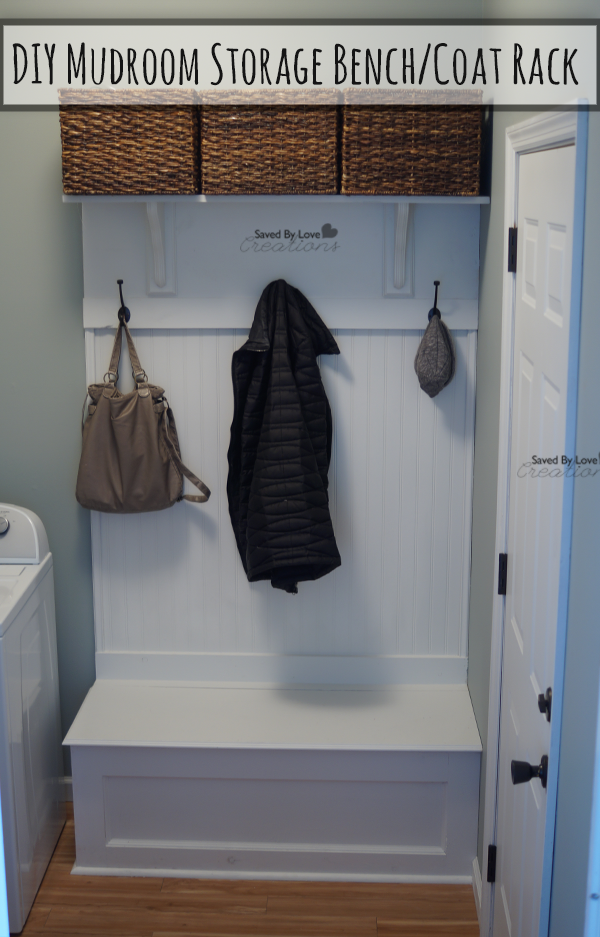
Hooks increase the bench’s usefulness by holding coats and bags. Fix metal or wooden hooks above or beside the bench. Choose hooks strong enough to hold heavy items. Add baskets below the seat for shoes or hats. Woven or fabric baskets add charm and help keep things tidy.
Decorating With Small Accessories
Small items add personality to your coat rack bench area. Place a small tray for keys and mail. Add a decorative mirror above for light and space. Use a small plant or vase for a fresh look. These touches make the space inviting and practical.

Credit: www.youtube.com
Maintenance And Care
Maintaining your coat rack bench keeps it looking fresh and sturdy. Regular care extends its life and keeps it safe to use. Simple steps help avoid damage and wear.
Cleaning The Surface
Dust the coat rack bench often with a soft cloth. Use a damp cloth for sticky spots. Avoid harsh chemicals that can damage the finish. Dry the surface well after cleaning.
Protecting The Wood
Apply a wood polish or wax every few months. This keeps the wood shiny and protects it from moisture. Use products made for the type of wood you have. Follow the product instructions carefully.
Tightening Screws And Joints
Check screws and joints regularly for looseness. Tighten them with the correct tools to keep the bench stable. Loose parts can cause damage or accidents. Do this every few months or after heavy use.
Dealing With Scratches And Dents
Minor scratches can be fixed with a wood touch-up marker. For deeper dents, use wood filler or putty. Sand the area lightly before applying finish or paint. This keeps your coat rack bench looking neat.
Frequently Asked Questions
What Materials Are Needed To Make A Coat Rack Bench?
You need wood planks, screws, hooks, sandpaper, paint or stain, and a drill. These basic tools help build a sturdy coat rack bench efficiently.
How Long Does It Take To Build A Coat Rack Bench?
Building a coat rack bench typically takes 3 to 5 hours. The time varies based on skill level and design complexity.
Can Beginners Make A Coat Rack Bench Easily?
Yes, beginners can make it with clear instructions and basic tools. Simple designs are best for first-timers to ensure success.
What Are The Best Wood Types For A Coat Rack Bench?
Hardwoods like oak, maple, or pine are ideal. They offer durability, a nice finish, and support for hanging coats.
Conclusion
Building a coat rack bench adds both style and function to your space. It keeps your entryway neat and offers seating too. You can customize it with paint or cushions for a personal touch. Making one yourself saves money and brings pride in your skills.
Try this easy project and enjoy a tidy home. Simple, useful, and fun to create. Why wait? Start crafting your coat rack bench today!
