Are you looking to add a stylish and functional piece to your home without spending a fortune? Making your own console table DIY is easier than you think.
Imagine having a unique table that perfectly fits your space and style, crafted by your own hands. In this guide, you’ll discover simple steps and handy tips that anyone can follow—even if you’re new to woodworking. Ready to transform your space and impress your guests?
Let’s get started!
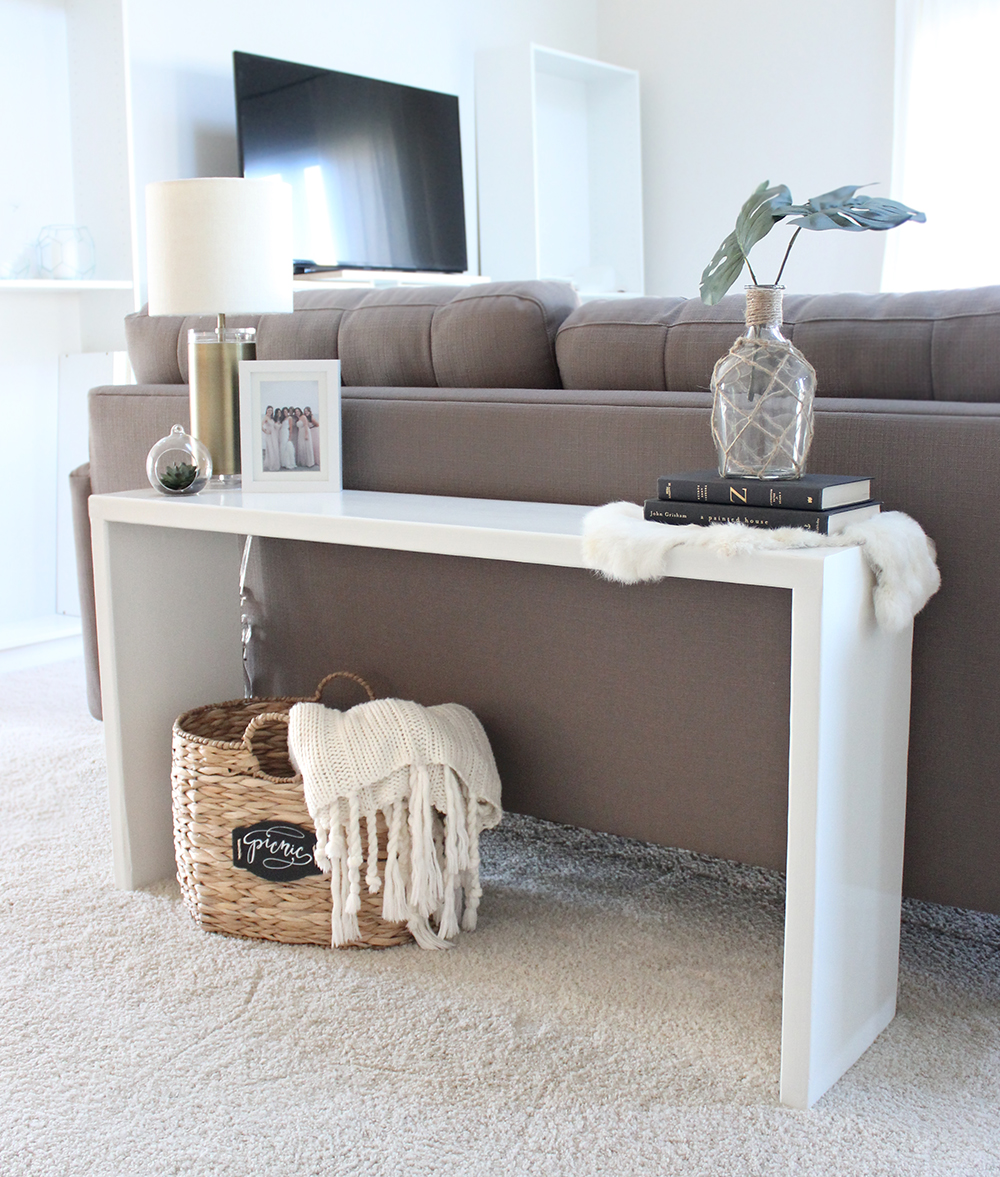
Credit: saffronavenue.com
Choosing Materials
Choosing the right materials is key to building a strong and beautiful console table. The materials affect the table’s look, durability, and style. Picking the best wood and tools makes the project easier and more rewarding.
Consider the space where the table will go. This helps decide the type of wood and design details. Some woods suit indoor use better. Others hold up well in busy areas.
Wood Types For Console Tables
Hardwood like oak, maple, and walnut are popular. They are strong and last a long time. Softwood such as pine is cheaper and easier to cut. Pine also takes paint and stain well. Choose wood that fits your budget and style. Check the wood for knots and cracks before buying.
Tools Needed
Basic tools include a saw, drill, and measuring tape. Sandpaper helps smooth the wood surfaces. A screwdriver or power drill makes assembly faster. Clamps hold pieces steady while gluing. Having the right tools keeps the work safe and neat.
Optional Decorative Elements
Adding decorative touches can make the table unique. Consider metal brackets for a rustic look. You can add trim or molding for detail. Painting or staining changes the table’s color and feel. Small touches improve the table’s charm and fit your home’s style.
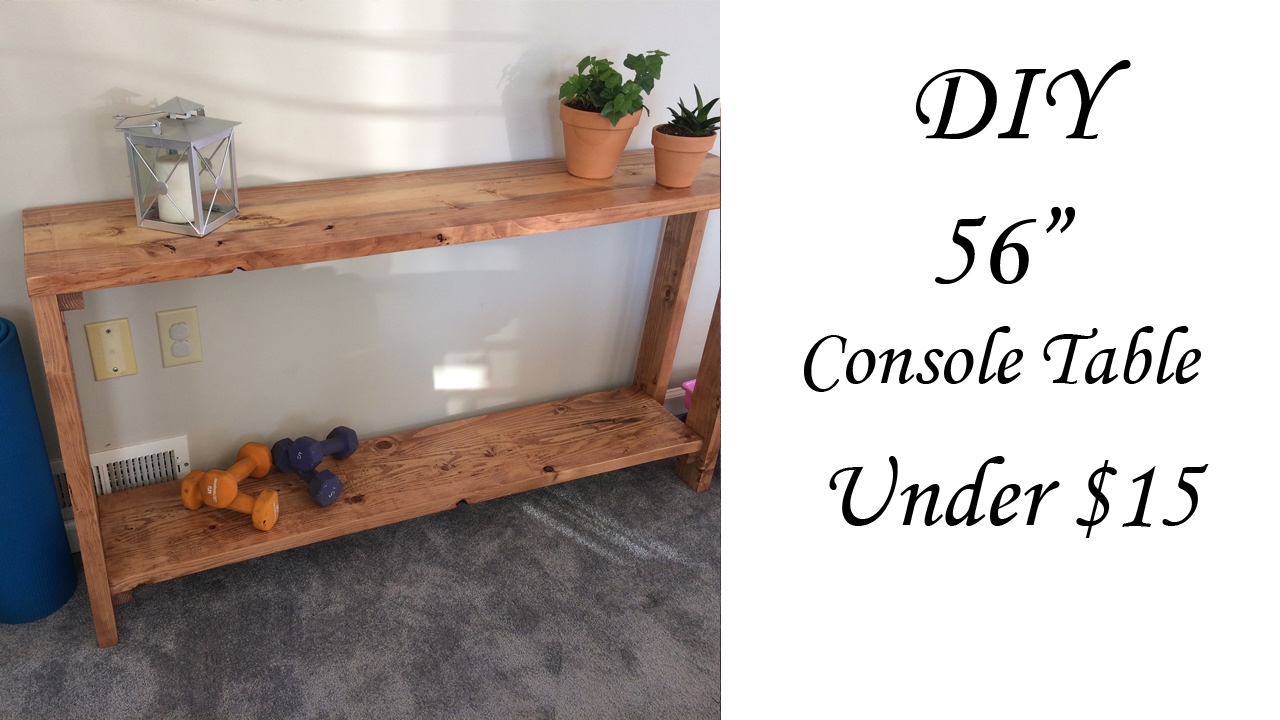
Credit: www.youtube.com
Design Planning
Design planning is the first step to a successful DIY console table. Careful planning saves time and materials. It helps create a table that fits your space and style perfectly.
Think about the size, shape, and look you want. Planning each detail makes building easier and more fun.
Measuring Your Space
Start by measuring the area where the table will go. Use a tape measure for accuracy. Note the width, depth, and height available. Leave some extra room for comfort and movement.
Check for nearby doors, windows, or furniture. These can affect the table size and shape. Write down all measurements before you start sketching.
Sketching Your Table
Draw a simple sketch of your console table design. Use graph paper or a digital tool for neat lines. Include all measurements on the sketch.
Plan the table’s shape, legs, and any shelves or drawers. Decide how many pieces you need to cut. Sketching helps avoid mistakes and guides your work.
Selecting Finishes
Choose finishes that match your room’s style. Think about wood stains, paints, or clear coats. Consider durability and ease of cleaning.
Pick colors that blend well with your decor. Test your finishes on a small wood piece first. This way, you see the final look before applying it to the table.
Cutting And Preparing Wood
Cutting and preparing wood is a key step in making a console table. This process sets the foundation for a strong and beautiful piece. Measuring accurately and cutting safely helps avoid mistakes.
Preparing the wood properly also makes the assembly easier. Smooth surfaces ensure a polished look and better paint or stain finish.
Marking Measurements
Start by measuring the wood pieces carefully. Use a tape measure for accuracy. Mark lines clearly with a pencil. Double-check all measurements before cutting. Mark all parts needed for the table. Accurate marks help cut pieces that fit perfectly.
Safe Cutting Techniques
Wear safety goggles and gloves before cutting. Use a stable work surface to keep wood steady. Choose the right saw for your cuts. Follow marked lines slowly and steadily. Keep fingers away from the blade. Take breaks if your hands get tired. Safety prevents accidents and keeps work clean.
Sanding For Smoothness
After cutting, use sandpaper to smooth edges. Start with coarse grit to remove rough spots. Then use fine grit for a soft finish. Sand all surfaces that will be visible. Smooth wood feels better to touch and looks nicer. Clean dust off after sanding to prepare for finishing.

Credit: farmhouseishblog.com
Assembling The Table
Assembling the console table is the next important step in your DIY project. This part brings all your pieces together to form the table. Careful assembly ensures your table is strong and looks great. Follow these steps to join the legs and top, use screws and glue correctly, and make sure the table stands steady.
Joining Legs And Top
Start by placing the legs in the correct position under the tabletop. Align each leg with the corners or marked spots. Hold the legs firmly to keep them steady. This setup makes the table balanced and ready for securing. Check that all legs are straight and even before moving on.
Using Screws And Glue
Apply wood glue to the top of each leg before attaching. This glue adds extra strength to the joint. Next, use screws to fix the legs to the tabletop firmly. Drill pilot holes first to avoid splitting the wood. Tighten screws just enough to hold parts together without damaging them.
Ensuring Stability
After attaching all legs, place the table on a flat surface. Check for any wobbling or uneven legs. Adjust screws or add small wood shims under the legs if needed. Press down on the table top to test strength. A stable table should not move or rock under light pressure.
Finishing Touches
Finishing touches bring your DIY console table to life. They protect the wood and add style. Careful finishing makes your table last longer and look great.
Applying Paint Or Stain
Choose paint or stain to match your room’s style. Paint covers the wood and adds color. Stain shows the wood grain and adds warmth.
Use a brush or cloth to apply paint or stain evenly. Let it dry completely before the next step. Apply a second coat for a richer look.
Adding Protective Coats
Protective coats keep your table safe from scratches and spills. Use clear varnish, polyurethane, or wax. These coats add a smooth, strong finish.
Apply thin layers with a clean brush. Let each layer dry well before adding the next. Sand lightly between coats for a smooth surface.
Decorating Your Table
Add small decorations to personalize your console table. Use trays, plants, or photo frames for style. Keep decorations simple to avoid clutter.
Choose items that match the table’s color and wood tone. Change decorations often to refresh the look. Your table becomes both useful and beautiful.
Troubleshooting Tips
Building a console table yourself can bring joy and pride. Small problems may happen during the project. Knowing how to fix these issues saves time and stress. This section shows easy solutions for common troubles.
Fixing Wobbly Legs
Wobbly legs make the table unstable. Check if screws are tight first. Use a screwdriver to secure loose screws. If legs still wobble, add small wood shims between legs and floor. This balances the table. Sand down uneven legs for better contact with the ground.
Handling Paint Drips
Paint drips can spoil a smooth finish. Let paint dry a little before fixing. Use fine sandpaper to gently smooth drips. Avoid pressing hard to keep the surface even. Apply thin paint layers next time to prevent drips. Use a good brush or roller for smooth strokes.
Preventing Wood Splits
Wood splits weaken the table structure. Drill small pilot holes before screwing to stop splitting. Use sharp, quality tools for clean cuts. Apply wood glue to cracks and clamp tightly until dry. Seal wood edges with paint or varnish to reduce moisture damage.
Frequently Asked Questions
What Materials Are Needed For A Diy Console Table?
You will need wood boards, screws, wood glue, sandpaper, paint or stain, and tools like a saw and drill. Choosing quality materials ensures durability and a polished finish for your console table.
How Long Does It Take To Build A Console Table?
Building a console table typically takes 4 to 6 hours. Time varies based on your skill level and project complexity. Allow extra time for drying paint or stain.
Can Beginners Make A Console Table Diy?
Yes, beginners can make a console table with basic woodworking skills. Follow step-by-step instructions and use simple tools. Start with easy designs to build confidence and skills.
What Wood Type Is Best For Console Tables?
Hardwoods like oak, maple, or walnut are best for console tables. They offer strength, durability, and a beautiful finish. Softwoods like pine are budget-friendly but less durable.
Conclusion
Building a console table yourself saves money and adds a personal touch. The steps are simple and fun to follow. You can choose the size and style that fits your space best. This project helps improve your DIY skills little by little.
Enjoy the pride of creating something useful and beautiful. Start with basic tools and materials you have at home. Soon, you will have a unique table that matches your style perfectly. Give it a try and see how rewarding it feels!
