Are you looking to add a unique, sturdy, and stylish piece to your home? A freestanding industrial pipe bookshelf could be just what you need.
Imagine a bookshelf that not only holds your favorite books but also adds a cool, modern touch to any room. It’s easier to build than you might think, and you don’t need to be a pro to get it right.
In this guide, you’ll discover simple steps to create your own industrial pipe bookshelf that fits perfectly in your space. Ready to transform your room and showcase your style? Let’s get started!
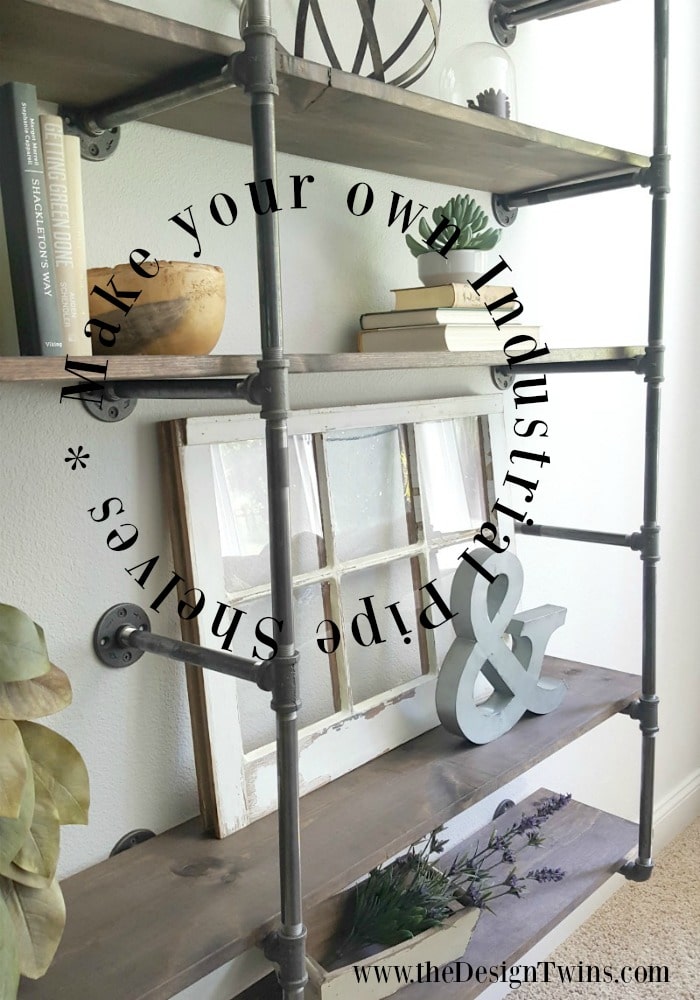
Credit: thedesigntwins.com
Materials Needed
Building a freestanding industrial pipe bookshelf starts with gathering the right materials. Choosing quality parts ensures your shelf looks great and stays strong. This list covers the main items you need for a solid foundation and stylish design.
Choosing The Right Pipes
Use black steel pipes for an authentic industrial look. Pipes come in different lengths and diameters. Select 1/2-inch or 3/4-inch pipes for sturdy support. Make sure the pipes have threaded ends for easy assembly. Avoid galvanized pipes; they do not thread well. Get enough pipes for the height and width you want.
Selecting Wood For Shelves
Pick hardwood like oak, maple, or pine for durability. Wood should be thick enough to hold weight without bending. Sand the wood smooth to avoid splinters. Finish with stain or sealant to protect from scratches and moisture. Cut shelves to fit between pipe frames exactly.
Additional Tools And Supplies
Gather basic tools like a wrench and screwdriver for assembly. Use a drill to make holes if needed. Have sandpaper ready for smoothing wood edges. Buy screws and pipe flanges to fix pipes securely. A level helps keep shelves straight and balanced.
Planning Your Bookshelf
Planning your freestanding industrial pipe bookshelf is the first step to a successful build. Careful planning saves time and materials. It ensures the shelf fits your space and holds your books safely. Thoughtful preparation makes the project easier and more enjoyable.
Measuring And Sizing
Start by measuring the space for your bookshelf. Note the height, width, and depth available. Think about how many books or items you want to store. Choose pipe lengths and shelf sizes that fit your needs. Remember to leave some extra space for easy access.
Designing The Layout
Sketch a simple design of your bookshelf. Decide how many shelves you want and their spacing. Consider the pipe structure for stability and style. Balance the look with practical shelf heights. Keep the design clean and easy to build.
Safety Considerations
Check that all pipes and fittings are strong and secure. Use sturdy materials to avoid tipping or collapsing. Make sure the shelf stands firmly on the floor. Avoid sharp edges or loose parts. Safety protects you and your books.
Cutting And Preparing Materials
Cutting and preparing materials is the first step in building your freestanding industrial pipe bookshelf. This stage ensures that all parts fit perfectly and look great. Accurate cuts and smooth surfaces make assembly easier and improve the bookshelf’s appearance.
Taking time to prepare each piece carefully helps create a sturdy and stylish final product. Focus on measuring, cutting, sanding, and cleaning. These tasks set the foundation for a successful build.
Cutting Pipes To Length
Start by measuring the length needed for each pipe section. Mark the pipes clearly using a permanent marker. Use a pipe cutter or a hacksaw to cut along the marks. Cut slowly to avoid rough edges.
Check the cuts with a tape measure. Make sure each pipe is the right size. Smooth out any burrs with a metal file. Proper pipe length ensures the bookshelf stands balanced and strong.
Sanding And Finishing Wood Shelves
Choose wood boards that fit your design. Use sandpaper or an electric sander to smooth all surfaces. Sand edges and corners to prevent splinters. Wipe the dust off with a clean cloth.
Apply wood stain or paint to protect the shelves and enhance wood grain. Let the finish dry completely before assembly. Well-prepared shelves add charm and durability to your bookshelf.
Cleaning And Preparing Pipes
Clean the pipes with a cloth to remove dirt and grease. Use a degreaser for tough stains. Rinse and dry the pipes thoroughly. This step ensures paint or finish will stick well.
Apply rust-preventive primer if the pipes show signs of rust. Let the primer dry fully. Properly prepared pipes last longer and keep the industrial look crisp and neat.
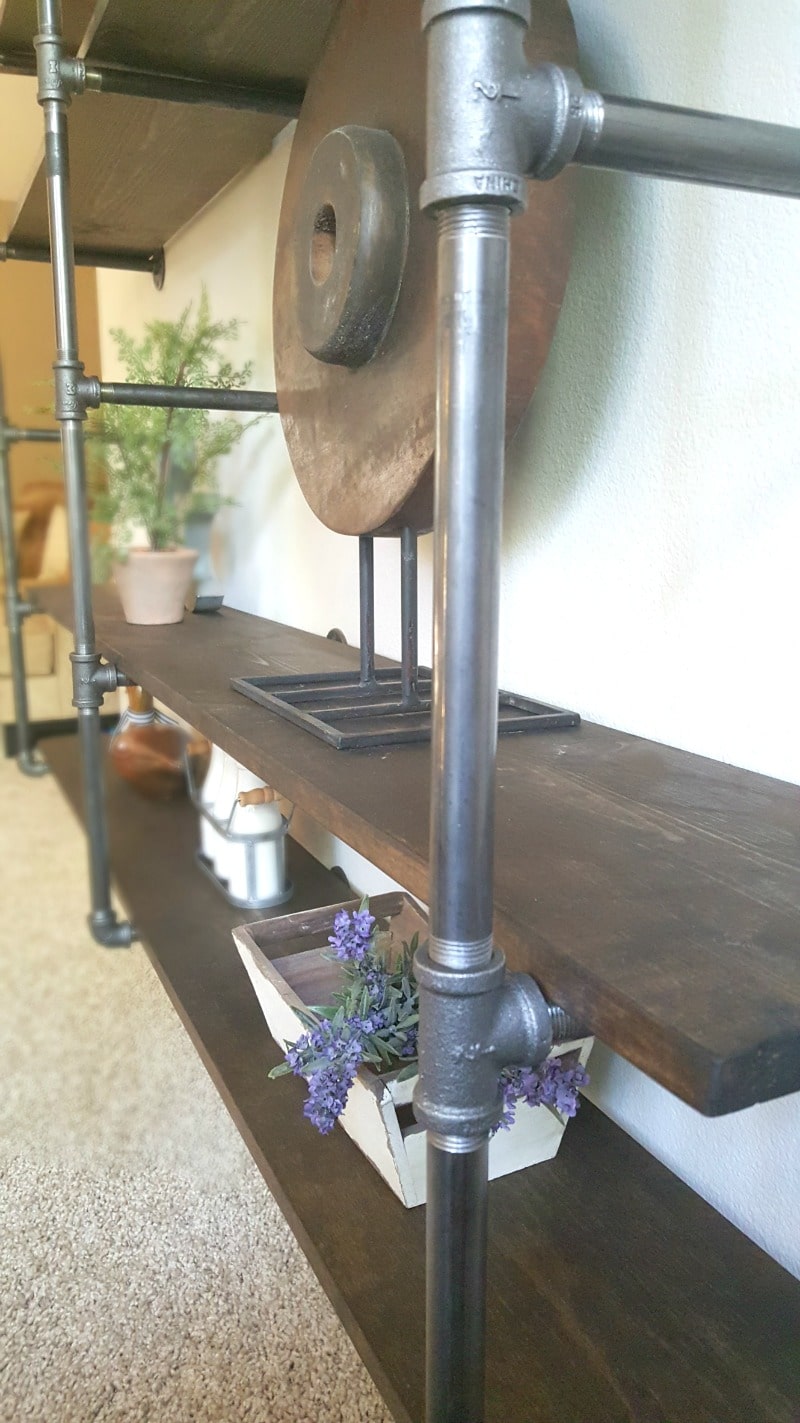
Credit: thedesigntwins.com
Assembling The Frame
Assembling the frame is the key step in building your freestanding industrial pipe bookshelf. This part shapes the base and the support for your shelves. Take your time to fit each piece carefully. A strong frame ensures your bookshelf stays sturdy and safe.
Connecting Pipes And Fittings
Start by gathering all pipes and fittings. Match each pipe length with the right fittings. Screw the pipes into the fittings by hand. Tighten gently but firmly to avoid damage. Make sure all connections are snug and even. This creates the skeleton of your bookshelf.
Securing The Frame Structure
Once pipes are connected, check the frame shape. Use a level to keep it straight and square. Tighten all fittings again for extra strength. Some fittings may need a wrench to secure fully. A solid frame will hold the weight of your books well. Avoid loose joints to prevent wobbling.
Adjusting For Stability
Place the frame on a flat surface. Look for any wobbles or uneven legs. Adjust pipes slightly to balance the frame. Add rubber feet or pads under the legs if needed. These stop slipping and protect your floor. Make sure the frame stands firm before adding shelves.
Attaching Shelves
Attaching shelves to your industrial pipe bookshelf is a key step. It gives the structure strength and style. Follow simple steps to fix the wood boards securely. Keep the shelves steady and balanced to hold your books safely.
Positioning The Wood Boards
Place each wood board on the pipe frame carefully. Check the height and space between shelves. Make sure the boards fit well without gaps. Align the edges with the pipes for a neat look.
Securing Shelves To Pipes
Use strong screws or pipe clamps to fix the boards. Drill pilot holes in the wood to avoid splitting. Tighten the screws or clamps firmly but gently. This holds the shelves steady without damage.
Ensuring Level And Balance
Use a spirit level to check each shelf horizontally. Adjust the position until the bubble sits in the center. Balance the weight evenly across all shelves. This prevents tipping and keeps your bookshelf safe.
Finishing Touches
Finishing touches give your industrial pipe bookshelf a polished and complete look. These final steps protect the materials and improve the shelf’s style. They also help the bookshelf last longer and fit your room’s decor.
Painting Or Staining
Choose paint or stain based on the look you want. Paint offers bold colors and covers the wood fully. Stain shows the wood grain and adds warmth. Use a brush or cloth for smooth application. Let each coat dry well before adding another.
Adding Protective Coating
Apply a clear protective coat to guard against scratches and spills. Polyurethane or varnish works well for wood surfaces. Use thin, even layers and allow drying time. This step keeps your bookshelf looking new for years.
Decorative Elements
Decorate with small items like metal accents or wooden knobs. Attach hooks or brackets to add style and function. Use simple decorations that match the industrial look. These details make your shelf unique and eye-catching.
Maintenance Tips
Maintaining your freestanding industrial pipe bookshelf keeps it strong and looking great. Regular care helps the shelf last longer. Small efforts can prevent big problems. Follow these simple tips to keep your bookshelf in top shape.
Cleaning The Bookshelf
Dust the pipes and wood shelves often. Use a soft cloth or duster. Avoid wet cloths that may cause rust. For tough dirt, use a mild soap solution. Dry the bookshelf completely after cleaning. This keeps the pipes shiny and the wood fresh.
Tightening Loose Fittings
Check the pipe joints regularly for looseness. Use a pipe wrench or pliers to tighten them. Loose fittings can cause the shelf to wobble. Tightening keeps the structure stable and safe. Inspect after moving or adding heavy items.
Preventing Rust And Damage
Keep the bookshelf in a dry place. Avoid areas with high humidity or water spills. Apply a clear coat or metal protectant on pipes once a year. This stops rust from forming. Use coasters or pads under heavy objects to prevent scratches on wood.

Credit: www.youtube.com
Frequently Asked Questions
What Materials Are Needed For An Industrial Pipe Bookshelf?
You need steel pipes, wooden boards, pipe fittings, screws, and brackets. Choose durable materials to ensure stability and a strong frame.
How Do I Assemble A Freestanding Pipe Bookshelf?
Start by building the pipe frame, then attach wooden shelves. Secure all joints tightly for safety and balance.
Can I Customize The Bookshelf Size And Design?
Yes, you can adjust pipe lengths and shelf dimensions. Customize the style by choosing different wood finishes or pipe colors.
Is It Safe To Build This Bookshelf At Home?
Yes, with proper tools and safety gear, it’s safe. Follow instructions carefully and work in a well-ventilated, organized space.
Conclusion
Building a freestanding industrial pipe bookshelf adds style and function to any room. This project uses simple tools and materials anyone can find. Step-by-step, you create a strong and unique shelf that holds your favorite books and items. Enjoy the satisfaction of making your own piece of furniture.
Try customizing the design to fit your space and taste. This bookshelf blends well with many décor styles and lasts for years. Start your project today and see the difference it makes in your home.